
 English
 русский
 Português
 Français



 Read More

Product Category
NEW Category
Contact us
Contact Us
We specialise in the research, development and manufacture of electrical wires and cables.
 +86-21-57560276
Sanitary Tube-in-Tube Heat Exchangers for Hygienic Food and Biopharmaceutical Processing
Content
- 1 What Is a Sanitary Tube-in-Tube Heat Exchanger?
- 2 Why Tube-in-Tube Technology Is Suitable for Hygienic Processing
- 3 Core Advantages Compared with Alternative Heat Exchanger Designs
- 4 Hygienic Construction and Surface Quality
- 5 Manufacturing Process and Quality Control
- 6 Process Control Features and Instrumentation
- 7 Applications in Food and Beverage Processing
- 8 Applications in Biopharmaceutical and Fine Chemical Manufacturing
- 9 How the Equipment Supports Energy Efficiency
- 10 Customization Options
- 11 Why Choose Shiloc as a Manufacturing and Engineering Partner?
- 12 Installation, Commissioning, and Maintenance Considerations
- 13 Selection Guide for Buyers
- 14 Technical Comparison with Common Alternatives
- 15 Frequently Asked Questions
- 15.1 What industries use sanitary tube-in-tube heat exchangers?
- 15.2 Can the exchanger handle products containing particles?
- 15.3 What surface finish is available?
- 15.4 Is 316L stainless steel suitable for all products?
- 15.5 Can the equipment be cleaned without dismantling?
- 15.6 Can it support SIP?
- 15.7 What is the purpose of leak detection ports?
- 15.8 Can the unit be customized for a specific flow rate?
- 15.9 What documentation can be supplied?
- 15.10 How does the supplier support international customers?
- 15.11 How should a customer begin a project?
- 16 Conclusion
- 17 References
- 18 Product: Sanitary Tube-in-Tube Heat Exchanger
Food, beverage, dairy, biopharmaceutical, fine chemical, and personal care manufacturers require heat transfer equipment that can perform efficiently without compromising product safety. Heating and cooling systems must handle changing viscosities, suspended particles, sensitive biological materials, and demanding production schedules while remaining easy to clean and maintain. In these environments, a heat exchanger is not simply a utility component. It is a critical part of the process line, directly influencing product quality, energy consumption, production continuity, cleaning validation, and regulatory compliance.
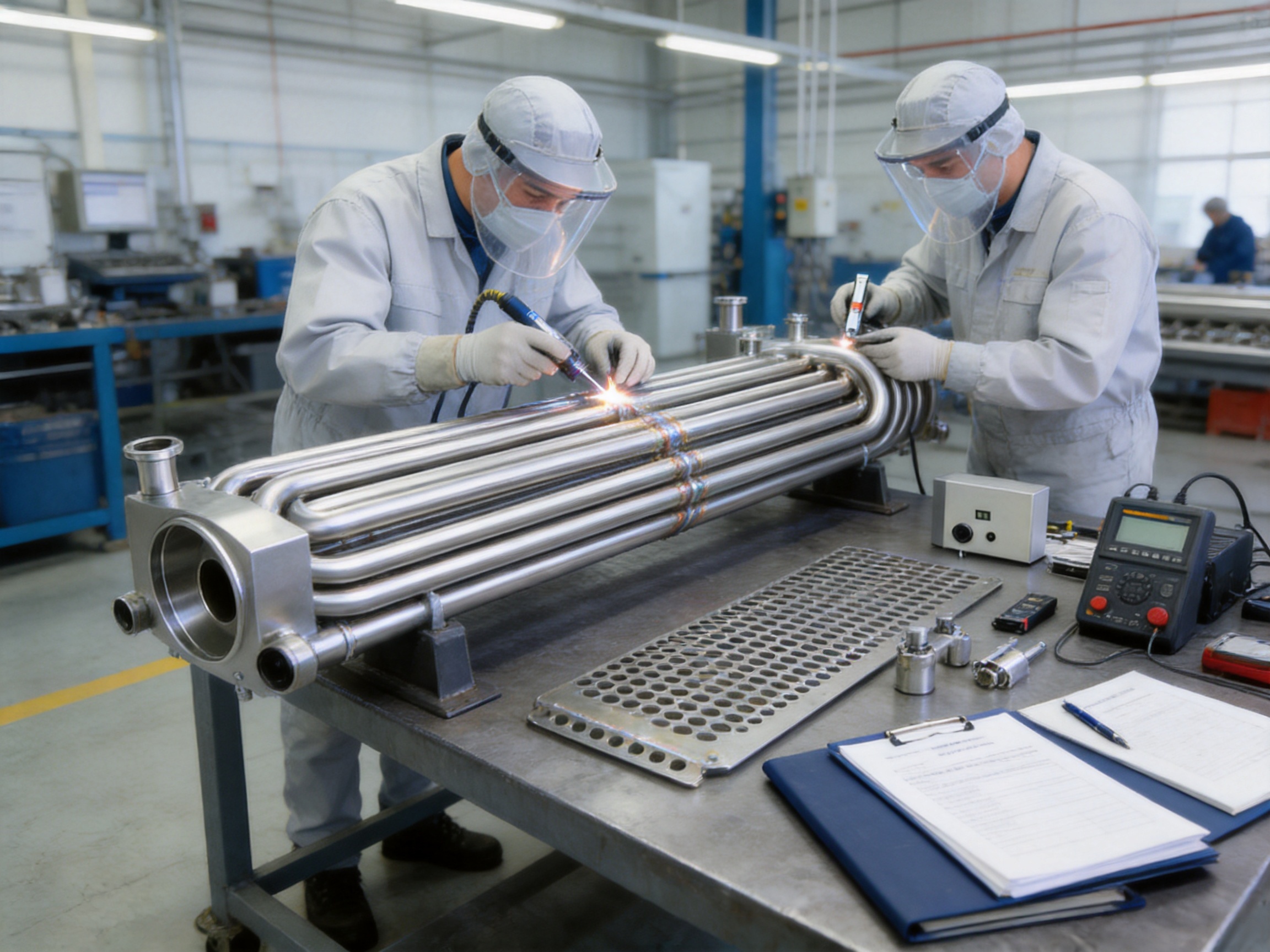
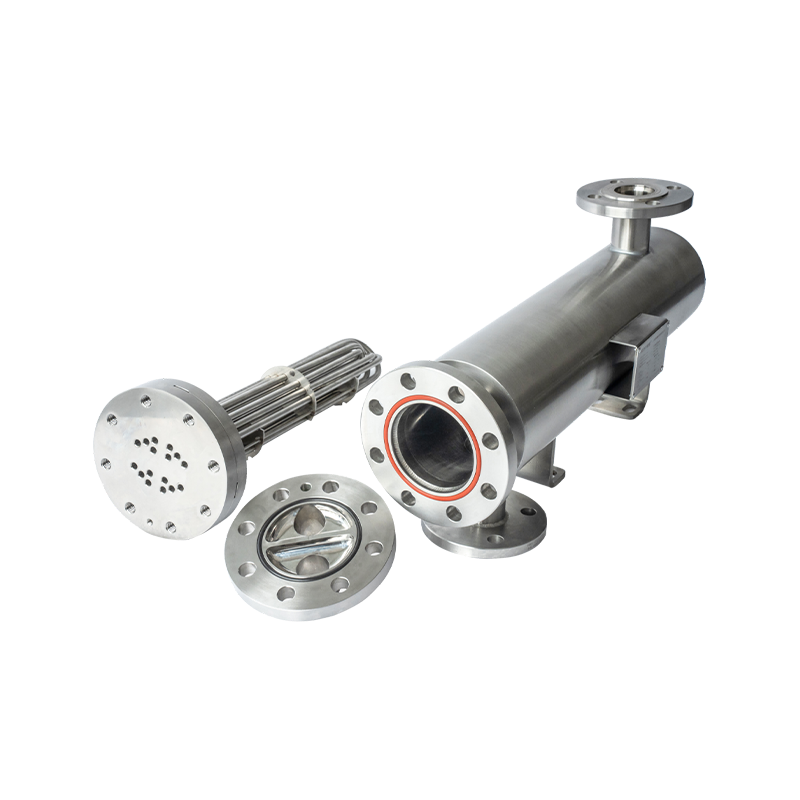
The sanitary tube-in-tube heat exchanger is designed to meet these requirements through a simple but highly effective configuration. The process product flows through an inner tube, while a heating or cooling medium flows through the annular space between the inner and outer tubes. The two fluids are separated by a robust heat transfer surface and can move in a true countercurrent arrangement. This arrangement promotes effective temperature exchange while providing a relatively open product passage for materials that may be viscous, fibrous, or particle-laden.
Compared with conventional equipment that may include narrow passages, complex plate patterns, or difficult-to-access internal areas, a hygienic tube-in-tube design can offer improved cleanability, mechanical reliability, and process flexibility. It is particularly suitable for applications in which product integrity and hygienic construction are equally important. Typical duties include pasteurization, preheating, cooling, temperature holding, product recovery, and controlled heating or cooling during preparation and transfer.
Manufactured by Shiloc (Shanghai) Industrial Trading Co., Ltd., these systems are developed for customers that need reliable fluid process equipment and international technical support. The company combines European process know-how and Danish design concepts with local manufacturing, welding, polishing, quality control, traceability, and export capabilities. This combination allows customers to obtain both standardized equipment and customized heat transfer solutions adapted to their actual process conditions.
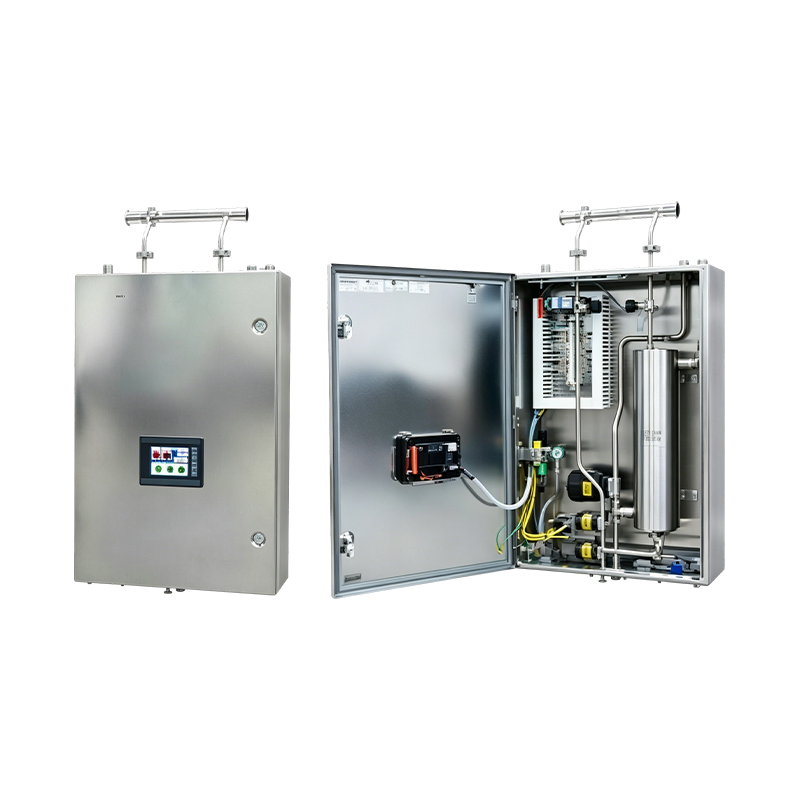
Sanitary Tube-in-Tube Heat Exchanger
What Is a Sanitary Tube-in-Tube Heat Exchanger?
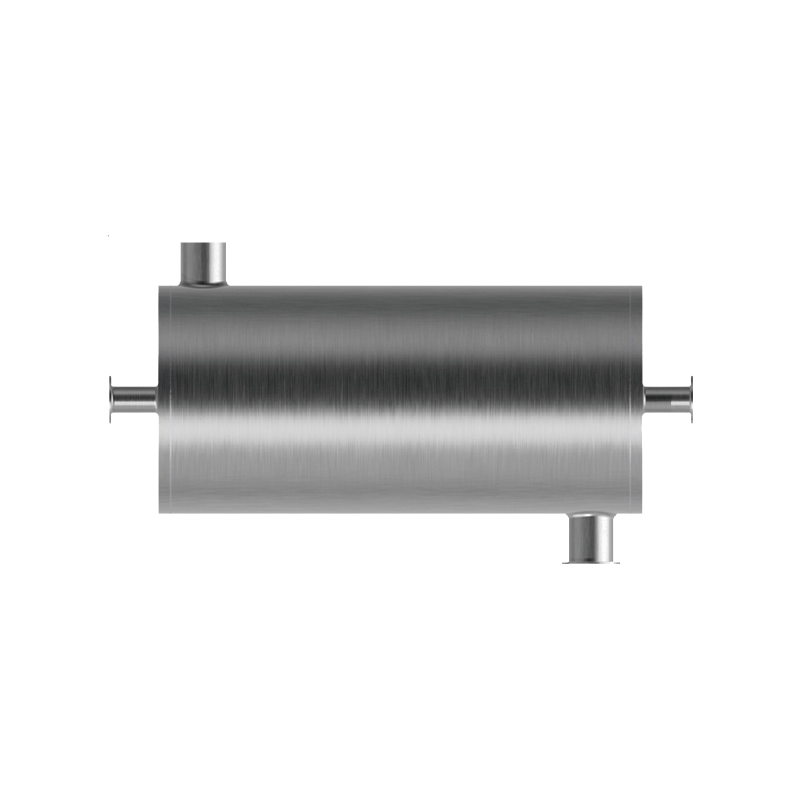
A sanitary tube-in-tube heat exchanger consists of two concentric tubes. The inner tube carries the process fluid, and the outer tube creates an annular passage for the service fluid. Depending on the process design, the product may flow through the inner tube while hot water, chilled water, glycol, steam condensate, or another utility flows around it. In other configurations, the service medium can flow through the inner passage and the product through the annulus.
The most efficient arrangement is commonly countercurrent flow. In a countercurrent exchanger, the hot fluid enters from the side opposite the cold fluid. This maintains a favorable temperature difference along the length of the unit and can improve thermal performance compared with parallel-flow operation. The final design depends on the required inlet and outlet temperatures, product properties, available utilities, allowable pressure drop, and installation conditions.
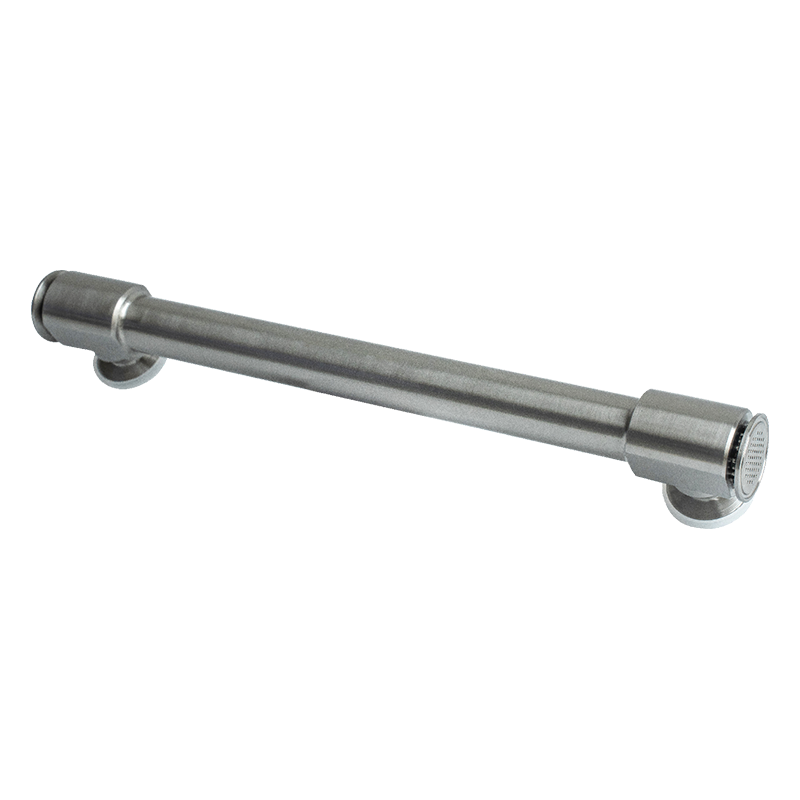
The equipment may be built as a straight tube assembly, a U-tube configuration, or a modular coil arrangement. U-tube and coil designs can provide greater heat transfer surface in a compact footprint. They can also simplify the routing of process lines where floor space is limited. Removable inner tubes may be specified when frequent inspection, verification, or replacement is required.
Sanitary construction means that the equipment is designed not only to transfer heat but also to protect the product from contamination and prevent product residues from accumulating inside the system. Typical features include 316L stainless steel, smooth internal surfaces, sanitary connections, fully drainable geometry, crevice-free joints, hygienic welds, and compatibility with clean-in-place and sterilize-in-place procedures.
Why Tube-in-Tube Technology Is Suitable for Hygienic Processing
Many food and pharmaceutical products cannot be treated like low-viscosity water. They may contain fruit fibers, vegetable particles, meat pieces, protein aggregates, crystals, or other solids. Some products are shear-sensitive, while others become increasingly viscous as their temperature changes. A heat exchanger that performs well with clean water may not be appropriate for these materials.
The tube-in-tube arrangement provides a comparatively straightforward flow path. The product does not have to travel through a complex plate pattern with numerous turns, narrow gaps, or gasketed contact points. This can reduce the possibility of blockage and make the equipment more suitable for products with suspended particles. The tube diameter, length, number of passes, and flow velocity can be selected according to the specific product.
The open geometry also supports effective cleaning. Cleaning solutions can be circulated through the product side at controlled flow rates to remove residues from the tube wall. When the equipment is properly designed with adequate velocities, suitable cleaning chemistry, and effective drainage, operators can reduce manual intervention and shorten cleaning cycles.
Another important advantage is mechanical predictability. A tube-in-tube exchanger has a clearly defined separation between the process side and service side. This makes it easier to calculate pressure drop, heat transfer area, thermal expansion, and wall thickness. It also allows the manufacturer to provide defined inspection points, drain connections, leak detection ports, and material documentation.
Core Advantages Compared with Alternative Heat Exchanger Designs
Improved Handling of Particles and Fibrous Products
Plate heat exchangers are compact and efficient, but their narrow channels may be unsuitable for products containing large particles, long fibers, or solids that can settle. A tubular heat exchanger generally provides a more forgiving flow passage. The exact capability depends on tube diameter, particle size, viscosity, and flow conditions, but the design can be adapted for products such as juices with pulp, yogurt with fruit pieces, sauces, creams, soups, and minced meat preparations.
Compared with some scraped-surface systems, tube-in-tube equipment can offer a simpler mechanical structure and fewer moving parts. This may reduce mechanical maintenance and eliminate the need to service internal scraping mechanisms. Scraped-surface exchangers remain valuable for extremely viscous or fouling products, but a sanitary tube-in-tube unit can be a more economical and lower-maintenance choice when the product can be processed through a properly sized tubular passage.
Reliable Countercurrent Heat Transfer
Pure countercurrent flow allows the temperature difference between the two fluids to remain more consistent across the heat transfer length. This can improve thermal utilization and reduce the amount of service fluid required for a specified duty. It may also help achieve the desired product outlet temperature with a smaller temperature approach, depending on the process conditions.
Efficient heat transfer is not only a matter of reducing equipment size. It can also lower energy consumption, stabilize product quality, and improve the repeatability of pasteurization or cooling cycles. A stable temperature profile is particularly important for products that are sensitive to overheating, protein denaturation, flavor loss, color changes, or microbial control requirements.
Lower Risk of Product Cross-Contamination
The process and service fluids remain separated by the inner tube wall. Where higher security is required, double-tube-sheet arrangements and leak detection ports can be incorporated. These features help operators identify a breach before the two fluids can mix unnoticed. Leak detection is especially valuable when the service medium is chemically treated water, glycol, or another fluid that must never enter the product stream.
Material selection also supports product protection. 316L stainless steel is widely used for hygienic equipment because of its corrosion resistance and compatibility with many cleaning agents and process fluids. The precise material grade, wall thickness, weld specification, and surface finish should always be selected according to the product chemistry, temperature, pressure, and cleaning program.
Greater Compatibility with CIP and SIP
Clean-in-place capability is a major requirement in modern food and biopharmaceutical plants. A heat exchanger that must be dismantled after every product campaign increases labor costs and downtime. Hygienic tube-in-tube equipment can be integrated into automated CIP circuits so that alkaline, acidic, and rinse solutions circulate through the product passages.
For applications requiring sterilization, the design can also support SIP procedures using hot water or steam, subject to the validated temperature and pressure limits of the complete system. Drainability is essential. Any low point where cleaning fluid, rinse water, or condensate can remain trapped may create a hygiene risk. A single-point design can be configured to function as a low-point drain during both CIP and SIP operations.
Adaptability to Different Process Requirements
Tube-in-tube heat exchangers can be designed around the process rather than forcing the process to conform to a fixed standard unit. Tube diameter, length, number of passes, material, surface finish, connection type, and mounting arrangement can be adjusted. The system may be supplied with clamp connections, flange connections, or other hygienic interfaces to match existing pipework.
This flexibility is valuable for manufacturers that operate several product lines or expect future capacity changes. A modular configuration can make it easier to expand heat transfer area, change the number of circuits, or integrate the exchanger into a larger skid. Custom coil heat exchangers may also be developed for particular flow rates, temperature ranges, and installation envelopes.
Hygienic Construction and Surface Quality
The quality of the product-contact surface is one of the most important factors in sanitary processing. Rough or irregular surfaces can retain product particles, provide locations for microbial growth, and make cleaning less effective. For this reason, the inner wall of the process tube is manufactured and finished to a controlled roughness, commonly Ra 0.5 micrometers or better. Electropolished surfaces with a finish of approximately Ra 0.38 micrometers may also be available for more demanding applications.
Electropolishing removes a small amount of material from the stainless steel surface and can improve smoothness, cleanability, and corrosion resistance. It may also reduce the number of microscopic locations where residues can attach. The appropriate finish depends on the product, the cleaning validation strategy, and the applicable customer or regulatory specification.
Seamless tube construction can reduce the number of potential internal discontinuities. In a seamless tube, the tube wall is formed as a continuous piece rather than being produced with a longitudinal welded seam. This can support a smooth internal surface and simplify inspection. However, the entire fabrication process remains important, including forming, bending, welding, polishing, passivation, pressure testing, and final cleaning.
Hygienic design also requires attention to joints and transitions. Crevices, sharp internal steps, exposed threads, poorly finished welds, and unsealed dead legs can undermine an otherwise high-quality surface. Sanitary welding procedures should control alignment, purge gas, heat input, penetration, and discoloration. Welds should be inspected and finished in accordance with the required quality level.
Fully drainable construction helps prevent stagnant liquid from remaining in the equipment after processing or cleaning. The equipment should be installed with appropriate slopes and drain points, and the piping arrangement should avoid unnecessary dead legs. The final hygienic performance is therefore determined by the exchanger, its connections, valves, instruments, supporting pipework, and operating procedures as a complete system.
| Design Feature | Hygienic or Process Benefit | Typical Application Value |
|---|---|---|
| 316L stainless steel | Corrosion resistance and compatibility with sanitary processing | Food, dairy, beverage, pharmaceutical, and chemical service |
| Ra ≤ 0.5 μm internal surface | Reduced residue retention and improved cleanability | Frequent product changeovers and validated cleaning |
| Electropolishing option | Further surface refinement and improved corrosion performance | High-purity and demanding biopharmaceutical applications |
| Countercurrent flow | More effective temperature driving force | Pasteurization, cooling, and energy-efficient heating |
| Removable inner tube | Convenient inspection and maintenance | Facilities requiring regular verification |
| Leak detection ports | Early indication of tube-sheet or barrier failure | Processes where cross-contamination must be prevented |
| Low-point drain design | Improved drainage during CIP and SIP | Validated hygienic and sterile processing |
| Clamp or flange connections | Flexible installation and line integration | New systems, upgrades, and customized skids |
Manufacturing Process and Quality Control
Engineering and Process Definition
The manufacturing process begins with a clear understanding of the customer's product and utilities. Engineers review product flow rate, viscosity, density, specific heat, particle content, fouling tendency, inlet and outlet temperatures, maximum operating pressure, cleaning conditions, and available installation space. These parameters determine the required heat transfer area, tube dimensions, flow velocity, pressure drop, and number of passes.
Utility information is equally important. Hot water, chilled water, steam, glycol, thermal oil, and other service fluids have different heat transfer characteristics and operating limits. The design team must consider utility temperature stability, flow availability, control valve behavior, thermal expansion, and the possibility of transient conditions during start-up and shutdown.
Thermal calculations are used to estimate the heat duty and required exchanger area. Mechanical calculations address pressure containment, tube-sheet loading, support structure, connection loads, and thermal stresses. Where a U-tube or coil is selected, bend radius and fabrication tolerances must also be considered. TEMA data and established heat exchanger engineering practices can be applied to support the design.
Material Selection and Traceability
Material traceability is particularly important in biopharmaceutical and high-hygiene manufacturing. Each major material batch can be documented through Material Test Reports, certificates, heat numbers, and fabrication records. Traceability allows the customer to confirm the origin and grade of stainless steel used in product-contact components.
Shiloc provides documentation packages that may include material certificates, welding records, inspection records, surface finish information, pressure test results, dimensional reports, and component traceability documents. The exact package can be defined according to the customer's quality system, validation requirements, and project specification.
Traceability supports more than regulatory documentation. It also helps with future maintenance. If a component must be replaced or a process condition changes, the original material and manufacturing information can be reviewed. This reduces uncertainty and supports controlled modifications.
Tube Forming, Welding, and Assembly
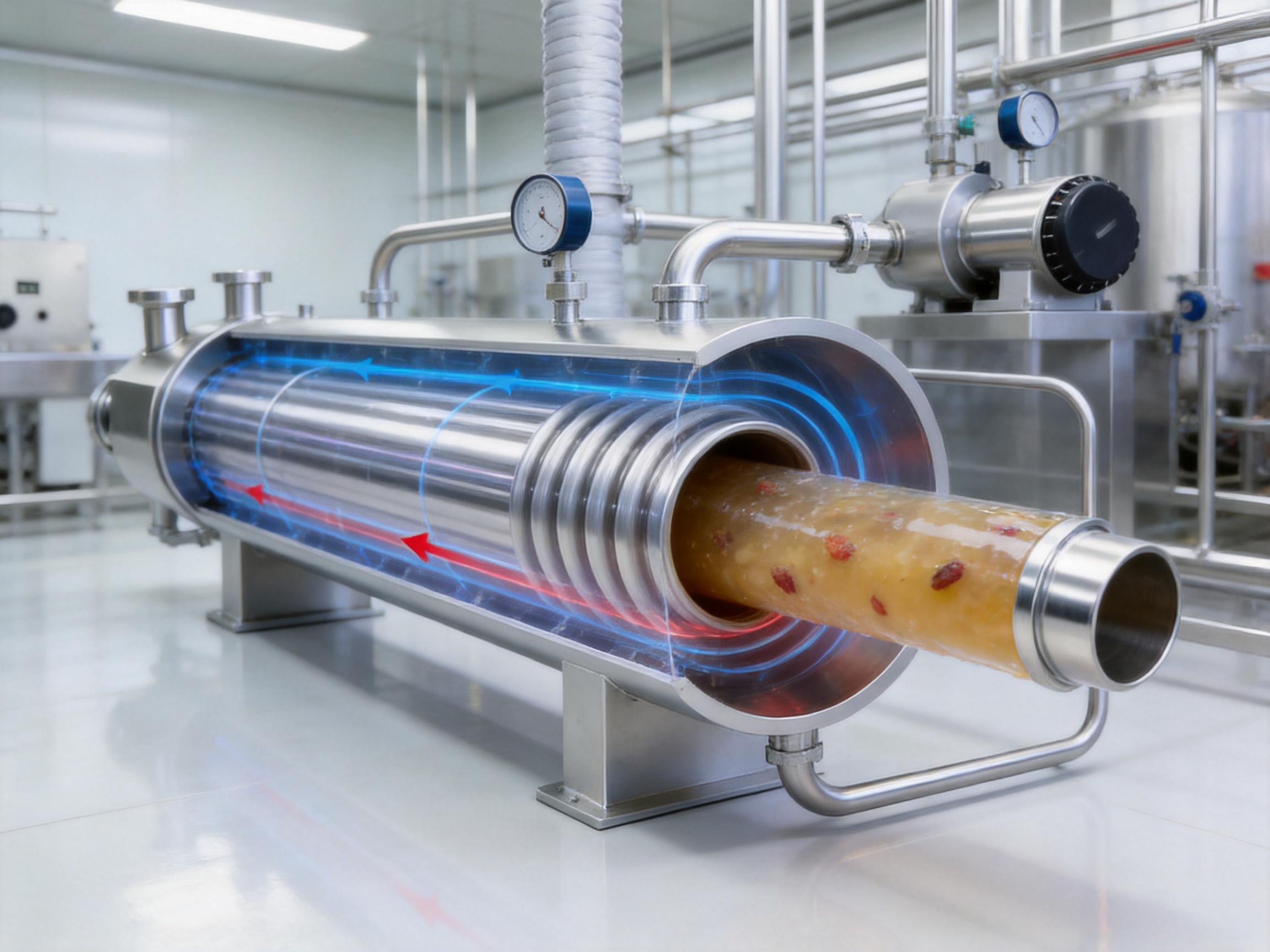
Stainless steel tubes are cut, formed, bent, and assembled according to the approved design. Seamless tubes may be used for the process side where a continuous internal wall is required. Welding is performed under controlled conditions to achieve sound, hygienic joints. Internal purge gas helps limit oxidation on the product-contact side, while qualified welding procedures support repeatable penetration and strength.
After welding, the affected areas may be ground, blended, mechanically polished, or electropolished depending on the specification. The goal is to remove surface discoloration and irregularities that could interfere with cleanability or corrosion resistance. Weld inspection may include visual examination, dimensional checks, dye penetrant testing, radiographic examination, or other methods appropriate to the project.
Assembly includes tube sheets, outer shells, bends, headers, drain points, inspection ports, connections, supports, and instrumentation interfaces. Care is taken to maintain alignment and avoid mechanical stress on the tubes. Where double-tube-sheet construction is used, the space between the sheets can be connected to a leak detection port so that a failure is identified promptly.
Surface Finishing and Passivation
Surface finishing is a controlled manufacturing stage rather than a cosmetic step. Polishing removes irregularities and provides the specified roughness. Electropolishing may be used when a very smooth and corrosion-resistant surface is required. Following fabrication and finishing, stainless steel components may undergo cleaning and passivation to remove contaminants and restore a protective chromium-rich oxide layer.
The final surface condition should be verified using suitable inspection methods. Roughness measurements can be recorded at defined locations. Visual inspection can identify scratches, pits, discoloration, weld defects, and residue. These records become part of the quality documentation supplied with the equipment.
Testing and Final Inspection
Before shipment, the heat exchanger can be subjected to pressure testing, leak testing, dimensional verification, visual inspection, and functional checks. Pressure tests confirm the integrity of the process and service circuits. Leak detection passages are also checked to ensure that they communicate correctly with the designated ports.
Final inspection confirms that the connections, labels, drains, supports, and accessories match the approved drawings. The equipment is cleaned and protected for transport. Where required, the manufacturer can coordinate inspection hold points, customer witness testing, and document review before release.
This structured process distinguishes a professionally manufactured sanitary heat exchanger from a generic tubular unit. The performance of a heat exchanger depends not only on the nominal tube dimensions but also on the quality of welding, finishing, inspection, documentation, and final assembly.
Process Control Features and Instrumentation
Heat transfer equipment should provide predictable control over product temperature. Depending on the application, the system may include temperature sensors at the product inlet and outlet, utility temperature sensors, flow meters, pressure transmitters, control valves, differential pressure monitoring, and automated sequencing for CIP and SIP.
Precise flow control helps stabilize heat transfer. If the product flow changes significantly, the residence time and heat transfer coefficient can change as well. A controlled pump, flow meter, or regulating valve helps maintain the intended operating range. In certain systems, precisely engineered Pitot tubes may be incorporated into flow control arrangements where they are suitable for the measurement and process configuration.
Control logic can be designed to protect both the product and the equipment. High-temperature alarms, low-flow interlocks, pressure limits, utility failure responses, and automatic diversion systems may be specified for pasteurization or sterile processes. Programming software options can be selected according to the customer's automation platform and reporting requirements.
For regulated production, the control system may record time, temperature, flow, pressure, and cleaning parameters. These records can support batch release, deviation investigation, cleaning verification, and process optimization. The heat exchanger itself is one part of this control architecture, but its instrumentation connections and response characteristics must be considered during system design.
Applications in Food and Beverage Processing
Dairy Products
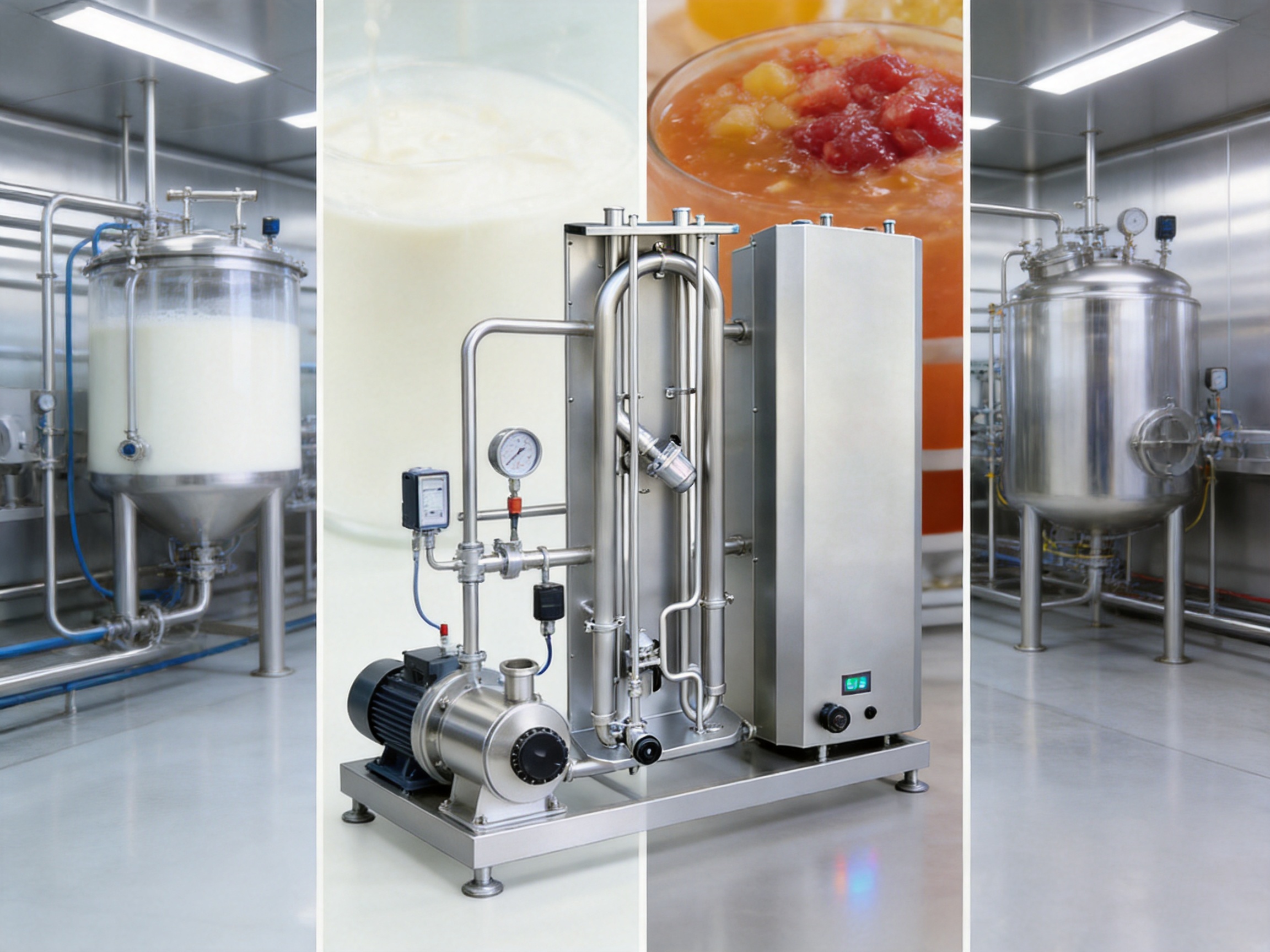
Milk, cream, yogurt bases, cultured products, and dairy ingredients often require carefully controlled heating and cooling. A sanitary tube-in-tube heat exchanger can preheat milk before further processing, cool cream after pasteurization, or regulate the temperature of a yogurt mixture before fermentation or filling.
Products containing fruit or cereal pieces may benefit from a larger tubular passage. The exchanger must be sized to prevent excessive shear, pressure drop, and particle damage. Product temperature must also be controlled to avoid unwanted protein changes, viscosity shifts, or flavor degradation.
Juices and Beverages
Fruit juices, vegetable juices, syrups, functional drinks, and other beverages may require heating for pasteurization or cooling before storage and filling. Juice with pulp or fibers can be more difficult to process through narrow channels. A tube-in-tube arrangement can be adapted to provide a suitable flow passage while maintaining a hygienic product-contact surface.
For beverage plants with frequent product changeovers, rapid and reliable CIP is essential. Smooth surfaces, drainable geometry, and compatible sanitary connections help reduce the time between production campaigns. Temperature control can also protect color, aroma, nutritional value, and carbonation-related process conditions where applicable.
Sauces, Creams, and Prepared Foods
Sauces, dressings, creams, soups, and prepared foods may have higher viscosity than water and may contain suspended ingredients. Their heat transfer behavior can vary significantly with temperature. Engineers must consider whether the product is Newtonian or non-Newtonian, whether it is shear-sensitive, and whether it tends to foul when heated.
The exchanger can be designed with appropriate tube dimensions and flow rates to balance heat transfer efficiency and product protection. If the product has a high fouling tendency, the cleaning program, wall temperature, residence time, and flow velocity should be considered together rather than designing solely for maximum thermal duty.
Minced Meat and Particle-Laden Products
Minced meat preparations and other particulate foods require careful attention to passage size, pump selection, pressure drop, and cleaning access. A tubular heat exchanger can be specified with a product channel suitable for the expected particle size. The system should also include a cleaning strategy that removes fats, proteins, and other residues from the complete product circuit.
Applications in Biopharmaceutical and Fine Chemical Manufacturing
Biopharmaceutical processes place strong emphasis on contamination control, surface finish, documentation, and repeatability. Heat exchangers may be used for heating process water, cooling buffers, temperature control of media, preparation of cleaning solutions, or management of product and intermediate streams.
In these applications, the equipment must be compatible with the facility's quality system and validation approach. Material certificates, welding documentation, surface finish records, pressure test results, calibration data, and operating manuals may be required. The design should minimize dead legs, facilitate drainage, and support the customer's cleaning and sterilization procedures.
Fine chemical processes may involve corrosive ingredients, solvents, temperature-sensitive compounds, or strict cross-contamination controls. Material selection must therefore be evaluated against the complete chemical environment. While 316L stainless steel is suitable for many services, the final selection should be confirmed through process compatibility review.
The tube-in-tube design can be useful where a reliable barrier is required between a product and a utility. Leak detection ports at both ends of a double-tube-sheet arrangement can provide an additional layer of process protection. The system can also be integrated into skids with sanitary pumps, valves, sensors, control cabinets, and automated cleaning circuits.
How the Equipment Supports Energy Efficiency
Energy efficiency begins with effective heat recovery and a suitable temperature approach. Countercurrent flow allows the exchanger to use the available temperature difference more effectively. This may reduce the quantity of hot or chilled utility required for each batch or continuous production hour.
Correct sizing is equally important. An undersized heat exchanger may require excessive utility flow or fail to reach the target temperature. An oversized unit may increase capital cost and create unnecessary hold-up volume. The design should balance heat transfer area, pressure drop, residence time, cleanability, future capacity, and operating flexibility.
Heat recovery sections can be added where appropriate. For example, a hot product leaving a heating stage may preheat a colder incoming stream. This reduces the load on the heating utility and can also reduce the cooling requirement. Whether recovery is practical depends on product compatibility, contamination risk, temperature requirements, and the availability of separate circuits.
Insulation can reduce heat loss from the outer surface and protect operators from hot equipment. Instrumentation and control can prevent utilities from flowing at excessive rates when the process demand is low. Over time, these measures can reduce operating costs while maintaining stable product temperatures.
Customization Options
Every process has different requirements, so sanitary tube-in-tube heat exchangers are commonly customized. The main design variables include product flow rate, utility flow rate, heat duty, operating pressure, operating temperature, cleaning temperature, product viscosity, particle size, allowable pressure drop, available space, and connection standard.
Materials can be selected for the product side, utility side, tube sheets, supports, gaskets, valves, and instruments. Surface polishing can be specified according to hygienic or pharmaceutical requirements. Connection options may include sanitary clamps, hygienic flanges, or other interfaces required by the customer's piping system.
Tube length and diameter can be adjusted to meet the required heat transfer area and installation envelope. U-tube and coil arrangements can reduce the footprint, while straight configurations may simplify inspection or replacement. Removable inner tubes can be specified when access is more important than compactness.
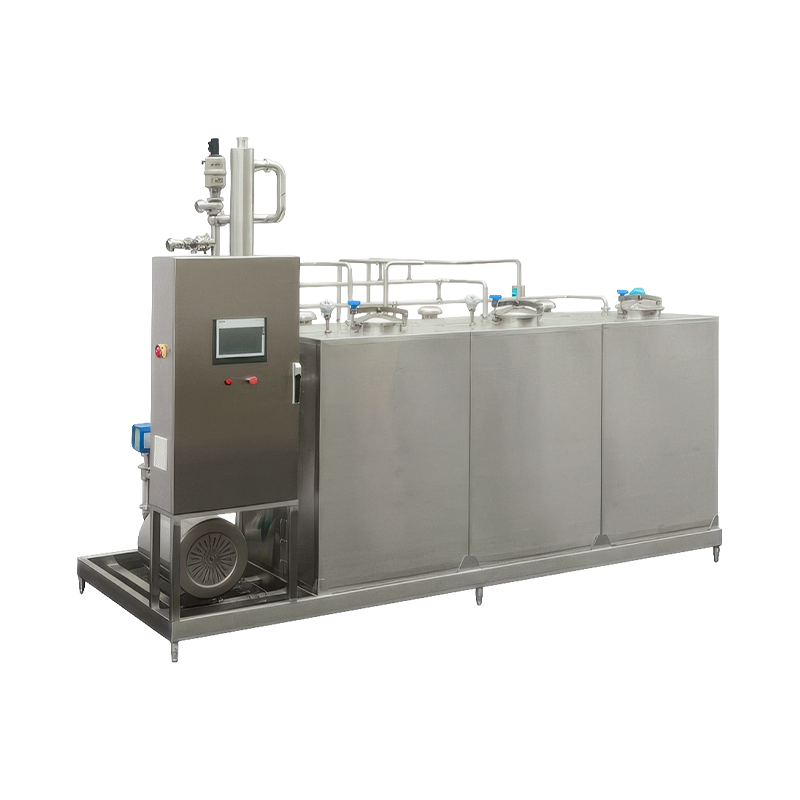
The equipment can be supplied as a standalone exchanger or as part of a complete process module. A customized skid may include pumps, valves, temperature control loops, flow measurement, pressure monitoring, control software, CIP connections, drain systems, and structural frames. The appropriate level of integration depends on the customer's engineering resources and project schedule.
Why Choose Shiloc as a Manufacturing and Engineering Partner?
Shiloc (Shanghai) Industrial Trading Co., Ltd. supports customers that need more than a catalog product. The company provides equipment manufacturing, import and export agency services, engineering technical services, and international supply coordination. This combination is useful for customers purchasing process equipment across borders, especially when technical communication, documentation, logistics, and installation planning must be managed together.
The company operates a Shanghai facility of approximately 3,000 square meters and has more than 20 technical specialists. Its capabilities include processing, stainless steel welding, polishing, assembly, and quality control. European know-how and Danish design principles are combined with local manufacturing resources to develop equipment that emphasizes hygienic design, safe operation, process efficiency, and reliable supply.
A key strength is the ability to connect engineering requirements with manufacturing execution. Customers can discuss product characteristics, process conditions, heat transfer requirements, cleaning procedures, and installation constraints with a technical team before the final configuration is selected. This reduces the risk of receiving a standard unit that does not fit the actual process.
Documentation and traceability are also central to the company's approach. Depending on project requirements, customers can receive material test reports, welding records, inspection documents, pressure test results, surface finish information, and component records. Such documentation supports commissioning, qualification, maintenance, and future audits.
International procurement often involves challenges that are not purely technical. Communication delays, different documentation expectations, shipping coordination, customs procedures, and spare parts planning can affect project performance. Shiloc's import and export agency team helps coordinate these activities so that the customer receives a more complete supply solution.
The company also supports both standardized purchases and custom projects. A food producer may need a relatively simple exchanger for cooling a beverage, while a biopharmaceutical customer may require a documented, electropolished, drainable assembly integrated into an automated process skid. The ability to address both requirements gives customers greater flexibility when planning new lines or upgrading existing systems.
Installation, Commissioning, and Maintenance Considerations
Correct installation is essential for hygienic performance. The exchanger should be mounted so that all product and cleaning circuits can drain fully. Pipe supports must prevent excessive loads on the exchanger connections. The design should allow access to inspection ports, valves, instruments, and removable components.
During commissioning, operators should verify flow direction, temperature sensor readings, pressure limits, control valve response, drain function, and leak detection operation. The product side and utility side should be tested separately before introducing production material. Any unusual pressure rise, temperature instability, or incomplete drainage should be investigated immediately.
Cleaning procedures should define chemical concentration, temperature, flow rate, circulation time, rinse quality, and verification method. A typical sequence may include a pre-rinse, alkaline wash, intermediate rinse, acid wash when required, final rinse, and sanitization or sterilization. The correct sequence depends on the product residue and the facility's validated procedures.
Maintenance requirements are generally straightforward but should not be neglected. Operators should inspect gaskets, clamps, flanges, sensors, supports, drain points, and leak detection ports at planned intervals. Surface damage, discoloration, abnormal pressure drop, or a change in heat transfer performance may indicate fouling, corrosion, blockage, or mechanical wear.
Removable inner tubes can simplify detailed inspection. If a component must be replaced, traceability records help ensure that the replacement has the correct material, dimensions, and surface specification. Preventive maintenance is usually less costly than responding to an unplanned production interruption.
Selection Guide for Buyers
When selecting a sanitary tube-in-tube heat exchanger, buyers should begin by defining the process rather than choosing equipment solely by nominal size. The following questions help establish the correct specification:
What is the product flow rate, density, viscosity, and particle content? What are the required inlet and outlet temperatures? Is the product sensitive to shear or overheating? What utilities are available, and at what temperatures and pressures? What pressure drop is acceptable? How frequently will the line be cleaned or sterilized? What level of surface finish and documentation is required?
Buyers should also consider future production changes. If flow rate may increase, the system may need spare capacity or a modular arrangement. If several products will use the same line, the exchanger should be evaluated for the most difficult cleaning and fouling case. If the unit will be installed in a restricted area, the footprint, connection orientation, access requirements, and maintenance clearance should be defined early.
For biopharmaceutical applications, the user requirement specification should address materials, surface finish, weld quality, drainability, dead legs, sterilization conditions, instrumentation, documentation, and acceptance testing. For food and beverage applications, the emphasis may be on cleanability, particle handling, changeover time, energy use, and production throughput. In both cases, the exchanger should be evaluated as part of the complete process system.
Technical Comparison with Common Alternatives
| Equipment Type | Advantages | Potential Limitations | When Tube-in-Tube May Be Preferred |
|---|---|---|---|
| Plate heat exchanger | Compact, high heat transfer coefficient, easy area expansion in some designs | Narrow channels may restrict particles; gaskets and plate joints require attention | Products contain fibers, particles, or require a more open tubular passage |
| Scraped-surface heat exchanger | Suitable for very viscous or highly fouling products | More moving parts, higher maintenance, greater mechanical complexity | Product viscosity is moderate and a simpler, lower-maintenance design is desirable |
| Shell-and-tube exchanger | Robust, familiar, suitable for many industrial duties | May have less flexible sanitary geometry and more difficult product-side inspection | Hygienic tube access, drainability, and product-side customization are priorities |
| Double-pipe exchanger | Simple construction and clear fluid separation | May require considerable length for high duties | Sanitary finishes, removable components, leak detection, and custom routing are required |
| Tube-in-tube sanitary exchanger | Open flow path, countercurrent operation, hygienic design, adaptable configuration | May require more installation space than compact plate designs | Food, dairy, beverage, and biopharmaceutical products require cleanability and particle tolerance |
Frequently Asked Questions
What industries use sanitary tube-in-tube heat exchangers?
They are used in food, beverage, dairy, biopharmaceutical, pharmaceutical, fine chemical, personal care, and related hygienic industries. Typical products include milk, cream, yogurt bases, juices, syrups, sauces, soups, creams, slurries, buffers, process water, and temperature-sensitive intermediates.
Can the exchanger handle products containing particles?
It can be designed for many particle-laden or fibrous products, provided that the tube diameter, flow velocity, pump, pressure drop, and cleaning method are properly selected. The maximum particle size and concentration must be confirmed during engineering review. A tube-in-tube design is often more tolerant of particles than equipment with very narrow channels.
What surface finish is available?
A typical product-contact surface can be manufactured to Ra 0.5 micrometers or better. Electropolished surfaces of approximately Ra 0.38 micrometers may be available for more demanding applications. The final specification should be established according to the customer's hygiene, validation, and corrosion-resistance requirements.
Is 316L stainless steel suitable for all products?
316L stainless steel is suitable for many sanitary food, beverage, pharmaceutical, and chemical services because of its corrosion resistance and established use in hygienic equipment. However, compatibility depends on the actual product, cleaning chemicals, temperature, chloride concentration, and operating conditions. Material selection should be confirmed by a technical review for every project.
Can the equipment be cleaned without dismantling?
Yes. The equipment can be designed for clean-in-place operation. Smooth surfaces, sanitary welds, suitable flow velocities, drainable geometry, and correct cleaning chemistry support effective CIP. Removable components may still be specified when periodic inspection or special maintenance access is required.
Can it support SIP?
Configurations suitable for sterilize-in-place operation can be developed when the exchanger materials, welds, seals, connections, drains, and instrumentation are rated for the required temperature and pressure. SIP capability must be considered as part of the complete system and validated under the customer's operating procedure.
What is the purpose of leak detection ports?
Leak detection ports provide an access path to the space between double tube sheets or other protective barriers. If a tube or joint fails, the port can help indicate the failure before the product and service fluid mix unnoticed. This is particularly important where cross-contamination could affect product safety or batch integrity.
Can the unit be customized for a specific flow rate?
Yes. Tube diameter, length, number of passes, heat transfer area, connection type, material, surface finish, and control features can be customized. Flow rates may begin at approximately 0.2 gallons per minute, or 0.75 liters per minute, and can be configured for higher capacities according to the process duty.
What documentation can be supplied?
Depending on the project, documentation may include approved drawings, material test reports, welding records, surface finish information, inspection reports, pressure test results, component traceability, operating instructions, and maintenance recommendations. The documentation package should be agreed during the quotation and engineering stages.
How does the supplier support international customers?
Shiloc combines equipment manufacturing with import and export agency services and engineering technical support. The company can assist with technical coordination, documentation, logistics, communication, and trade procedures. This is intended to provide customers with a more integrated procurement experience rather than treating the exchanger as an isolated shipment.
How should a customer begin a project?
The customer should provide product information, flow rates, inlet and outlet temperatures, utility conditions, pressure limits, cleaning and sterilization requirements, connection standards, installation space, and documentation expectations. With this information, the engineering team can evaluate the thermal duty, mechanical configuration, hygienic design, control requirements, and project documentation.
Conclusion
The sanitary tube-in-tube heat exchanger is a practical and adaptable solution for hygienic heat transfer. Its concentric tube configuration provides a clearly defined flow path, supports countercurrent operation, and can accommodate many products that are difficult to process through narrow channels. When designed correctly, it offers a strong balance of heat transfer efficiency, cleanability, mechanical reliability, and process flexibility.
Its advantages become especially clear in applications involving fibers, particles, moderate to high viscosity, frequent cleaning, strict surface finish requirements, or the need for reliable separation between product and utility fluids. Features such as 316L stainless steel construction, Ra 0.5 micrometer or better surfaces, electropolishing options, drainable geometry, removable inner tubes, leak detection ports, sanitary connections, and documented traceability support demanding food, beverage, dairy, and biopharmaceutical operations.
The equipment's performance depends on more than the tube arrangement alone. Engineering calculations, material selection, controlled welding, surface treatment, passivation, testing, instrumentation, installation, and cleaning validation all contribute to the final result. A manufacturer with integrated technical and production capabilities can help ensure that these elements work together.
Shiloc (Shanghai) Industrial Trading Co., Ltd. provides sanitary tube-in-tube heat exchangers and customized process equipment supported by manufacturing, quality control, international trade coordination, and engineering services. Its Shanghai facility, technical personnel, European and Danish design influence, documentation capability, and focus on traceability enable it to serve customers seeking both reliable equipment and practical project support.
For manufacturers planning a new hygienic process line, expanding production, or replacing difficult-to-clean heat transfer equipment, a customized sanitary tube-in-tube system can provide a dependable path toward safer production, improved energy utilization, easier maintenance, and more consistent temperature control.
References
1. TEMA Standards, Standards of the Tubular Exchanger Manufacturers Association.
2. ASME Bioprocessing Equipment principles for hygienic design, fabrication, inspection, and documentation.
3. EHEDG hygienic design principles for food processing equipment and cleanable product-contact surfaces.
4. 3-A Sanitary Standards and accepted practices for dairy and food processing equipment.
5. General stainless steel fabrication, welding, passivation, and surface-finishing practices for sanitary process systems.
6. Good manufacturing practice principles for food, pharmaceutical, and biopharmaceutical production environments.
7. Standard heat transfer engineering methods for tubular exchangers, countercurrent flow, pressure drop, and thermal sizing.
Product: Sanitary Tube-in-Tube Heat Exchanger
PREV:Sanitary Capillary Heat Exchangers for High-Purity Food and Biopharmaceutical Processing
NEXT:Intelligent Bioprocess Heat Transfer Skid/Units for Food and Biopharmaceutical Manufacturing
NEXT:Intelligent Bioprocess Heat Transfer Skid/Units for Food and Biopharmaceutical Manufacturing
Interested in cooperation or have questions?
Recommended LINS
✦
Aseptic Processing Equipment for Liquid Foods
Food Processing Skid System
Food and Beverage Process System
UHT Processing System for Dairy Products
UHT Processing Equipment for Plant Based Milk
Milk Processing Heat Exchanger
automated process skid system for food processing
Sanitary Process Skid
Indirect Heating UHT Sterilizer
Aseptic Milk Processing Equipment
Let'S Work Together Welcome Aboard!
-

haikexin@haikexin.com
+8613391278930
-
 +86-21-57560276
-
 No. 2819, Sihu Road,Fengxian District, Shanghai, China
Join Our Mailing List
Copyright © Shiloc (Shanghai) Industrial Trading Co., Ltd. All Rights Reserved.
Process Systems & Equipment For Food & Biopharma Manufacturers
