
 English
 русский
 Português
 Français

 Read More

Product Category
NEW Category
Contact us
Contact Us
We specialise in the research, development and manufacture of electrical wires and cables.
 +86-21-57560276
Plate Pasteurizer Complete Skid: Efficient, Hygienic, and Modular Thermal Processing for Food and Biopharmaceutical Manufacturers
Content
- 1 1. What Is a Plate Pasteurizer Complete Skid?
- 2 2. Core Process Principle
- 3 3. Main Technical Advantages
- 4 4. Competitive Advantages Over Conventional Equipment Arrangements
- 5 5. Energy Efficiency and Operating Cost Reduction
- 6 6. Hygienic Design for Food and Beverage Applications
- 7 7. Applications in Food and Beverage Processing
- 8 8. Potential Biopharmaceutical Applications
- 9 9. Automation and Process Control
- 10 10. Manufacturing and Engineering Strengths
- 11 11. Project Design and Selection Considerations
- 12 12. Installation and Commissioning Benefits
- 13 13. Maintenance Strategy
- 14 14. Sustainability and Resource Efficiency
- 15 15. Why Select an Integrated Supplier?
- 16 16. Recommended Customer Workflow
- 17 17. Frequently Asked Questions
- 17.1 Q1: What is the difference between a plate pasteurizer and a plate pasteurizer complete skid?
- 17.2 Q2: What products can be processed?
- 17.3 Q3: Can the system perform UHT processing?
- 17.4 Q4: How does the system reduce energy consumption?
- 17.5 Q5: Is the skid suitable for small production facilities?
- 17.6 Q6: What stainless-steel materials are available?
- 17.7 Q7: How is the system cleaned?
- 17.8 Q8: What maintenance is required?
- 17.9 Q9: Can the skid be customized?
- 17.10 Q10: What information is needed for a quotation?
- 17.11 Q11: Can the system be used in a biopharmaceutical facility?
- 17.12 Q12: Why is factory testing important?
- 18 18. Conclusion
- 19 References
- 20 Product: Plate Pasteurizer Complete Skid
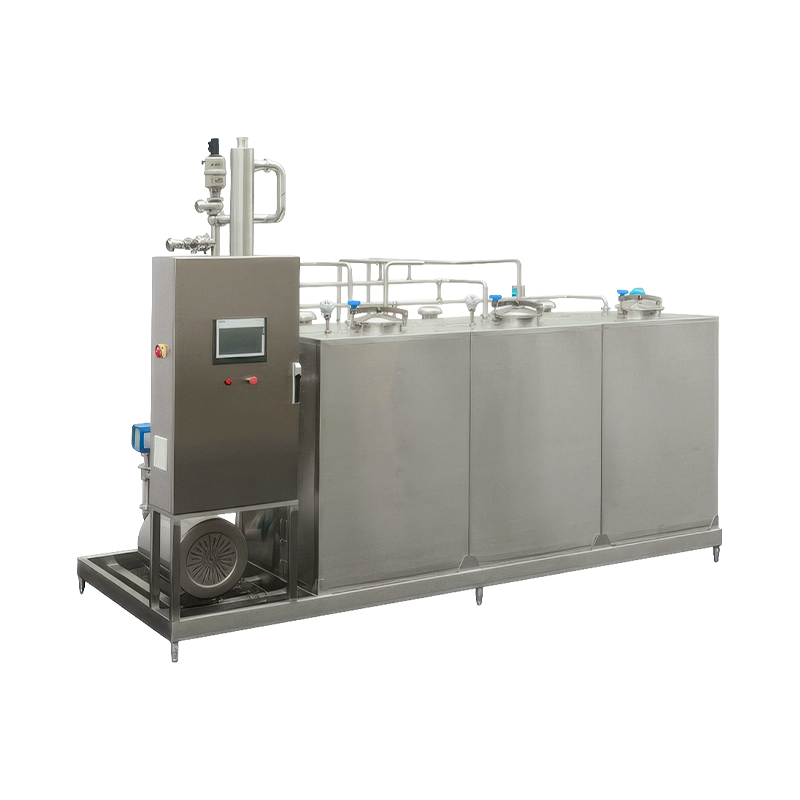
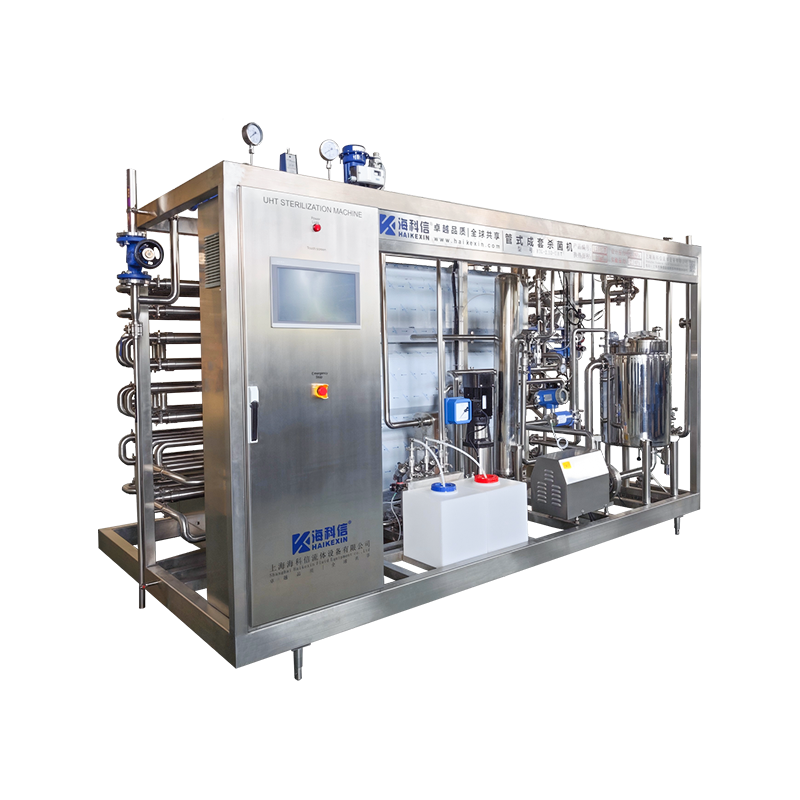
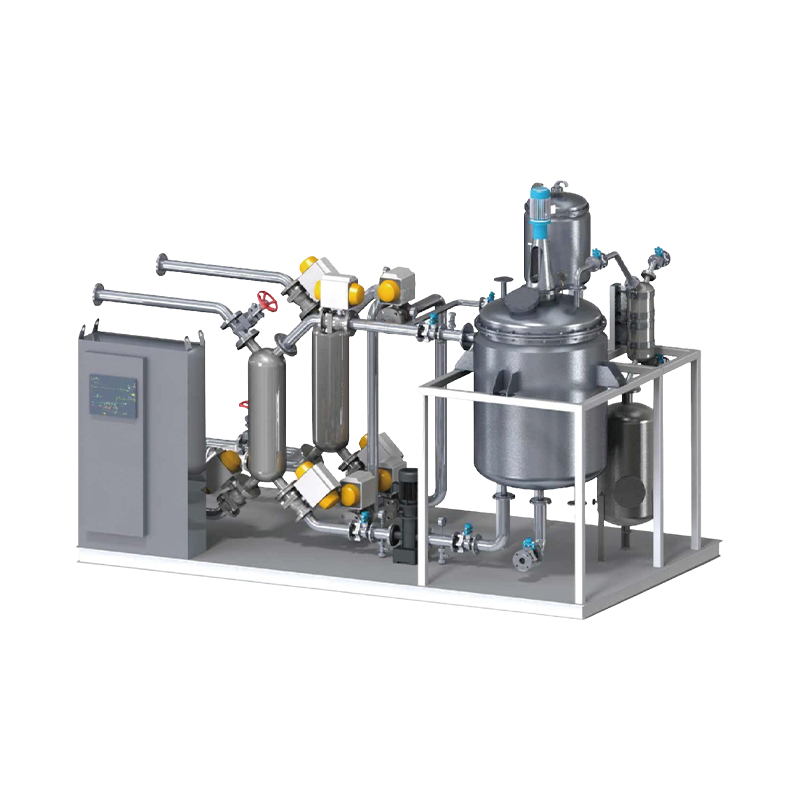
Food, beverage, and biopharmaceutical manufacturers require thermal processing systems that can deliver reliable heat treatment, accurate process control, hygienic operation, and efficient use of energy and production space. A plate pasteurizer complete skid combines these requirements in one integrated platform. It brings together a plate heat exchanger, pumps, process piping, valves, instrumentation, control equipment, safety devices, and auxiliary components on a common skid frame.
This integrated structure is designed for the preheating, pasteurization or sterilization, holding, and cooling of liquid products. It can be used for juices, dairy products, liquid beverages, plant-based drinks, liquid food ingredients, and selected biopharmaceutical process fluids. Depending on the product, process conditions, and required hygienic level, the system can be configured for conventional pasteurization, high-temperature short-time treatment, or selected UHT-related applications.
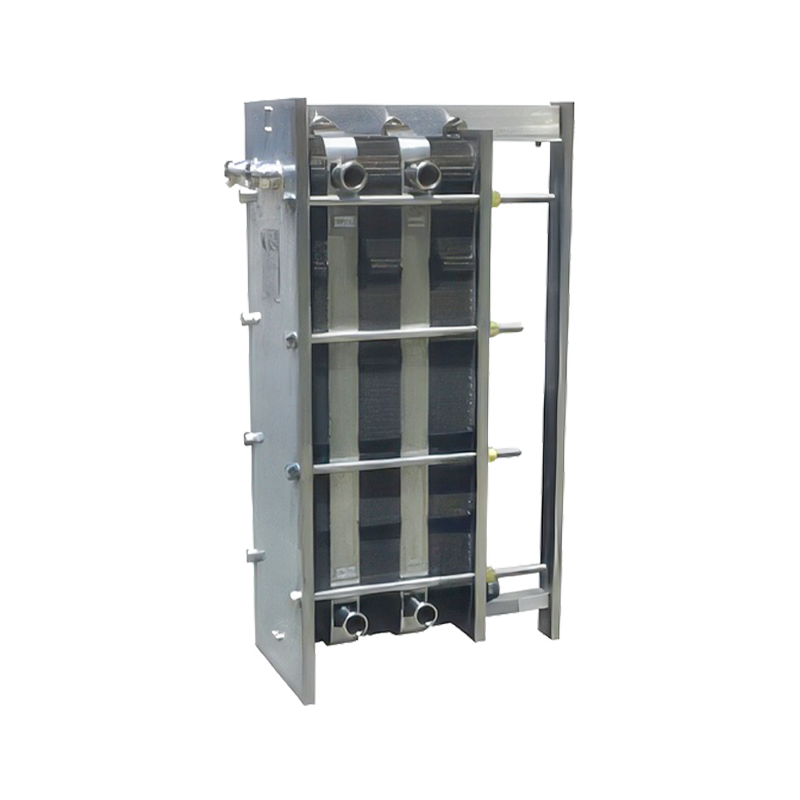
The system described in this article is designed around a corrugated plate heat exchanger. Its counter-current flow arrangement promotes rapid thermal exchange between the product and heating or cooling media. The product is preheated through heat recovery, brought to the required treatment temperature, held for the specified time, and then cooled to the target outlet temperature. Automatic temperature regulation, pressure monitoring, alarm functions, and configurable process sequences help maintain stable operation.
Compared with many traditional equipment arrangements, a complete skid offers important advantages in installation efficiency, footprint, energy management, hygienic design, maintenance access, and process consistency. It also allows the manufacturer to receive a coordinated system rather than sourcing separate heat exchangers, pumps, valves, pipelines, and controls from multiple suppliers.
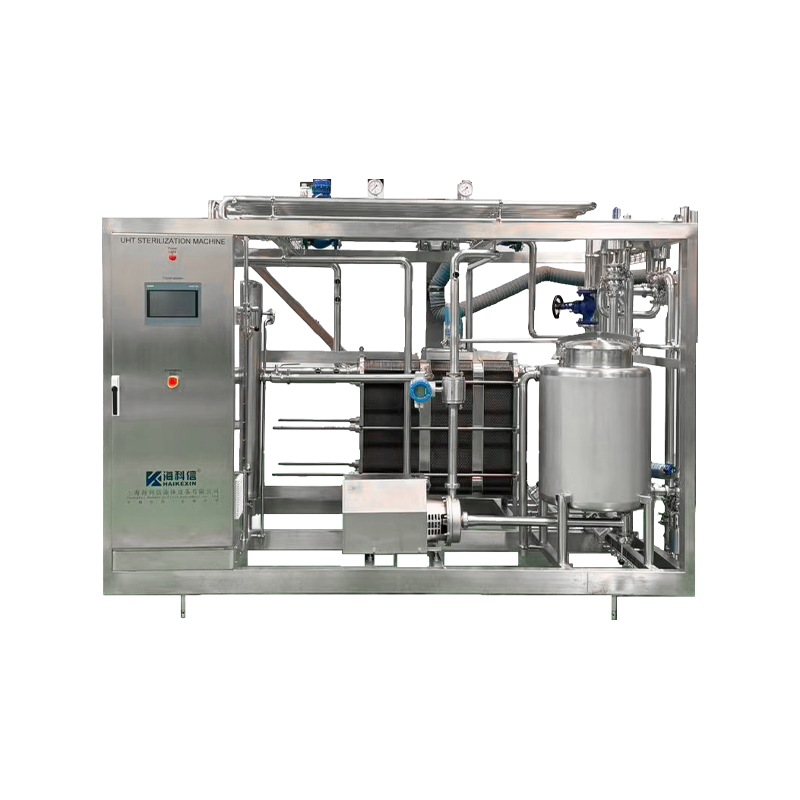
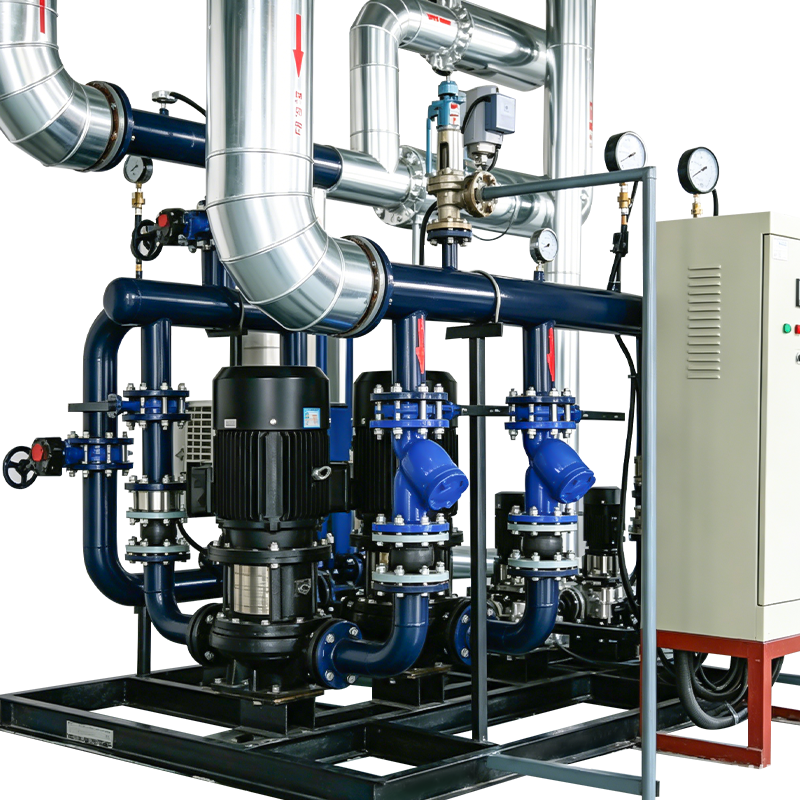
Plate Pasteurizer Complete Skid
1. What Is a Plate Pasteurizer Complete Skid?
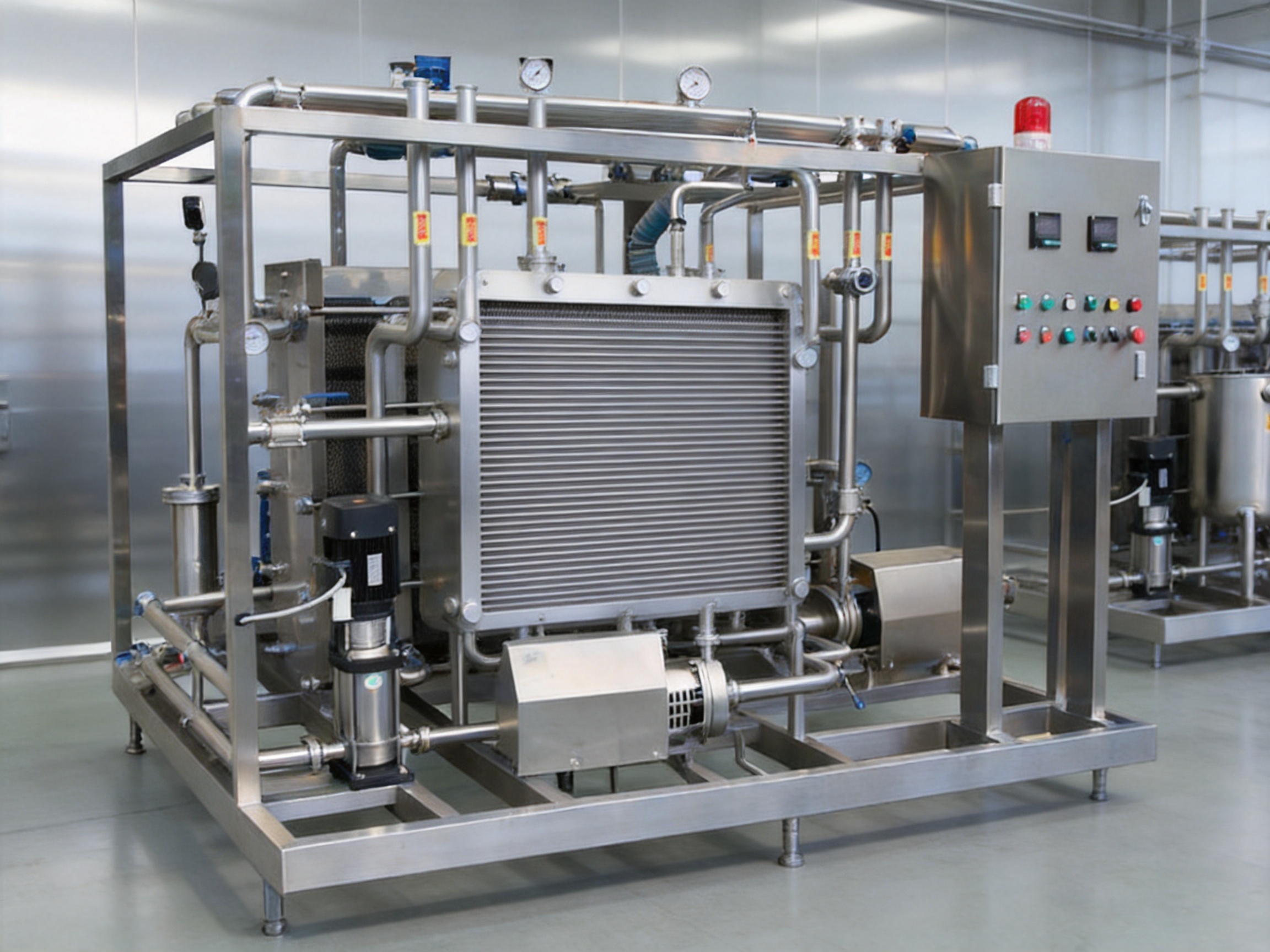
A plate pasteurizer complete skid is a packaged thermal processing system mounted on a rigid structural frame. The skid normally contains the major equipment required to heat, hold, cool, monitor, and control a liquid product. Depending on the project scope, it may include the following components:
- Corrugated plate heat exchanger
- Product circulation and transfer pumps
- Hot-water or steam heating circuit
- Cooling-water or chilled-water circuit
- Product holding tube or holding section
- Sanitary process pipelines
- Sanitary valves and control valves
- Temperature, pressure, and flow instruments
- PLC-based automation system
- Human-machine interface or operator panel
- Overpressure protection devices
- Temperature deviation alarms
- CIP-compatible connections and circuits
- Electrical control cabinet and wiring
The complete skid is engineered as a coordinated system. The heat exchanger capacity, pump selection, pipeline diameter, control strategy, and safety logic are selected according to the product flow rate, viscosity, density, thermal sensitivity, treatment temperature, holding time, and required outlet temperature.
In a typical operating sequence, the incoming product first passes through a regeneration or preheating section. Heat recovered from the treated product is transferred to the incoming product, which reduces the energy required from the external heating source. The partially heated product then enters the final heating or sterilization section. After reaching the required temperature, it passes through a holding section that provides the specified residence time. The treated product is then cooled through the regeneration and cooling sections before being sent to filling, storage, or the next production stage.
The system can be supplied as a compact unit for limited production areas or expanded for larger production capacities. The stated heat transfer area range of approximately 8–35 m² provides a starting point for compact and modular applications, while final sizing should always be confirmed through process calculations and product testing.
2. Core Process Principle
The central component is a plate heat exchanger formed from thin stainless-steel plates with herringbone or chevron corrugations. Each plate contains a pattern that increases turbulence as the liquid flows across its surface. Separate flow channels are created for the product, heating medium, and cooling medium. Gaskets or welded construction, depending on the design, keep the different fluids separated.
In counter-current operation, the heating medium flows in the opposite direction to the product. This arrangement maximizes the average temperature difference across the heat transfer surface and supports efficient heat recovery. The cooling medium follows the same principle in the cooling section. Because the plates are thin and the flow channels are narrow, the distance between the hot and cold fluids is small, which improves heat transfer performance.
Plate spacing can be configured within an approximate range of 2–6 mm according to product characteristics. Narrower channels can support compact equipment and strong heat transfer, while wider channels may be selected for products with higher viscosity, suspended particles, or greater fouling risk. The final channel arrangement must balance heat transfer, pressure drop, cleanability, and product integrity.
The treatment section is controlled to achieve the required temperature, which may reach up to approximately 150°C for suitable applications. The holding period is determined by product requirements, regulatory expectations, microbial reduction targets, and the validated process recipe. Temperature and flow data are continuously monitored so that deviations can trigger alarms, diversion, shutdown, or other programmed responses.
Thermal treatment is not simply a matter of reaching a high temperature. The system must control temperature, time, flow, pressure, and product path integrity together. A well-engineered plate pasteurizer complete skid provides the control architecture required to manage these variables as one process.
3. Main Technical Advantages
3.1 High-Efficiency Heat Transfer
One of the primary advantages of a plate pasteurizer is its large heat transfer surface in a compact arrangement. The corrugated plates create turbulence, increase fluid contact with the heat transfer surface, and reduce the thickness of the thermal boundary layer. These effects promote rapid heat exchange between the product and service fluids.
Compared with many conventional tubular arrangements, the plate configuration can provide substantially higher heat transfer efficiency in applications involving clean, free-flowing liquids. The available technical information indicates that heat transfer efficiency can be improved by more than 30% compared with tube-type equipment under suitable operating conditions. Actual performance depends on product viscosity, flow rate, temperature difference, fouling characteristics, pressure drop, and the design of the heating and cooling circuits.
Efficient heat transfer reduces the amount of steam, hot water, electricity, or other thermal energy required to process a given quantity of product. It can also shorten the time needed to reach the target temperature and support more responsive control during changes in production rate.
3.2 Compact Footprint
A plate heat exchanger transfers substantial thermal duty within a relatively small physical volume. The complete skid therefore occupies less floor space than many separated systems containing independent heat exchangers, pumps, control panels, and long interconnecting pipelines.
For applications with a heat transfer area of approximately 8–35 m², the compact design may reduce the required floor area by around 50% compared with larger or more dispersed equipment arrangements. The actual space saving depends on the comparison basis, service access requirements, tank locations, pipe routing, electrical standards, and local installation conditions.
Compact equipment is especially valuable in existing plants where production space is limited. It can also reduce the cost and complexity of building modifications, platforms, utility extensions, and long sanitary pipe runs. A smaller footprint may provide additional space for filling machines, storage tanks, inspection stations, or future process expansion.
3.3 Hygienic Materials and Surface Quality
Food and biopharmaceutical thermal processing equipment must be designed to minimize contamination risks and support repeatable cleaning. Product-contact plates can be manufactured from 304 or 316L stainless steel, selected according to the product, cleaning chemicals, chloride exposure, temperature, and corrosion requirements.
The specified internal surface roughness range of approximately Ra 0.4–0.8 μm supports hygienic processing by reducing areas where product residue or microorganisms could accumulate. Smooth surfaces are also easier to clean during CIP cycles. For more demanding applications, the material grade, surface finish, weld quality, gasket material, valve design, and drainability should be reviewed as part of the complete hygienic design.
The system can be designed with sanitary connections, cleanable flow paths, suitable slopes, minimized dead legs, and compatible elastomers. For biopharmaceutical applications, additional requirements may include documentation, traceability, validated cleaning procedures, sterilization-in-place capability, surface passivation, and more stringent control of material certificates and welding records.
3.4 Removable Plate Pack
The removable plate pack design allows operators and maintenance personnel to inspect, clean, or replace plates and gaskets more conveniently than in many permanently enclosed heat transfer systems. Opening the frame provides direct access to the plate surfaces and gasket areas.
This feature can reduce maintenance time when inspection is required or when the process involves a product with a tendency to foul. It also supports flexible future modification. Plates may be added or removed within the mechanical limits of the frame and design pressure, provided that the revised configuration is correctly calculated and approved.
Maintenance requirements depend on product composition, temperature, flow velocity, cleaning chemistry, operating hours, and the effectiveness of the CIP program. A removable plate pack does not eliminate maintenance, but it makes inspection and intervention more practical and can lower the labor associated with service work.
3.5 Flexible Processing Capability
The design pressure can reach approximately 16 bar for suitable configurations. This pressure rating provides flexibility for applications involving different flow rates, product viscosities, pump pressures, and process arrangements. The pressure rating must be confirmed for every component, including plates, frames, gaskets, valves, pipelines, instruments, and auxiliary equipment.
Capacity can be customized according to the required production volume. Design variables include product flow rate, inlet temperature, treatment temperature, cooling temperature, heating medium conditions, allowable pressure drop, product viscosity, and the required level of regeneration. The system can also be arranged for different product families if the process design and cleaning validation support such use.
3.6 Integrated Safety Functions
Thermal processing involves elevated temperatures, pressurized fluids, rotating pumps, and automated valves. The complete skid can incorporate protective functions such as overpressure protection, high-temperature alarms, low-flow alarms, pump interlocks, emergency stops, and process deviation notifications.
Safety logic can be configured so that the product is diverted or the process is stopped if the treatment temperature falls below the validated limit. Pressure monitoring can identify blocked lines, closed valves, pump problems, or abnormal restrictions. These functions protect both the product and the equipment while reducing the risk of uncontrolled operating conditions.
| Feature | Typical Function | Operating Benefit |
|---|---|---|
| Corrugated plate heat exchanger | Transfers heat between product and service fluids | High thermal efficiency in a compact volume |
| Counter-current flow | Maintains a favorable temperature difference | Improves heat recovery and reduces energy demand |
| Automatic temperature control | Adjusts heating or cooling response | Supports stable product treatment |
| Pressure monitoring | Tracks process pressure in real time | Improves safety and fault detection |
| Removable plate pack | Allows inspection and service | Reduces maintenance complexity |
| Sanitary stainless-steel construction | Provides corrosion-resistant product-contact surfaces | Supports hygiene and long service life |
| Skid-mounted integration | Combines equipment and controls on one frame | Reduces installation time and field connections |
4. Competitive Advantages Over Conventional Equipment Arrangements
Manufacturers often compare plate pasteurizer complete skids with tubular heat exchangers, manually assembled process lines, or equipment supplied as separate packages. Each technology has suitable applications, and the correct selection depends on the product and process. However, the integrated plate skid provides several clear advantages for clean and moderately viscous liquid products.
4.1 Compared with Tubular Heat Exchangers
Tubular heat exchangers can be suitable for products containing particles, fibers, or higher viscosity. Nevertheless, they may require more physical space to achieve the same thermal duty, particularly when a long heat transfer path is needed. A plate heat exchanger can offer a higher heat transfer coefficient and a smaller installation footprint for suitable liquids.
The plate pack can also be opened for inspection and mechanical cleaning. In contrast, certain tubular designs may require specialized cleaning tools or more extensive access arrangements. Plate systems additionally allow the heat transfer area to be adjusted within the design limitations by adding or removing plates.
The main limitation is that narrow plate channels may be less suitable for large particles, fibrous products, or liquids with exceptionally high viscosity. For these applications, a wider channel design, tubular exchanger, scraped-surface exchanger, or another specialized technology may be more appropriate. A responsible equipment selection process evaluates both advantages and limitations rather than treating one exchanger type as universally superior.
4.2 Compared with Separate Equipment Procurement
A traditional project may purchase the heat exchanger, pump, valves, control cabinet, instruments, and pipelines from different sources. This approach can provide flexibility, but it also creates coordination responsibilities for the end user or engineering contractor. Differences in specifications, connection standards, control signals, materials, documentation, and delivery schedules can increase project risk.
A complete skid reduces the number of interfaces between suppliers. The major components are selected and arranged as one system. Process piping, instrumentation, automation, and safety functions can be tested together before shipment. This approach reduces the amount of field alignment, wiring, pipe fabrication, and commissioning required at the customer’s site.
4.3 Compared with Manual Process Control
Manual operation may be acceptable for small-scale or intermittent production, but it can introduce inconsistency. Operators may need to adjust steam, hot-water flow, cooling-water flow, valves, and pump settings simultaneously. Small errors can result in under-processing, overheating, energy waste, product degradation, or production interruption.
An automatic skid uses instruments and programmed logic to control the process according to defined parameters. The system can monitor temperature, flow, pressure, and valve position continuously. It can also record operating data for production review, quality management, troubleshooting, and process improvement.
4.4 Compared with Oversized Fixed Installations
Large fixed systems may provide high capacity, but they can occupy valuable space and may be difficult to relocate or expand. A modular skid is easier to install in an existing facility and can be configured for a specific capacity rather than being heavily oversized.
Correct sizing is important. An oversized heat exchanger may increase initial cost and create inefficient operation at low production rates. An undersized system may cause excessive pressure drop, insufficient heating capacity, or unstable flow. The modular approach allows the design team to match the equipment more closely to the intended process.
5. Energy Efficiency and Operating Cost Reduction
Energy costs are a major part of the operating budget in food and beverage processing. Pasteurization and sterilization require the product to be heated and then cooled, so the process can consume considerable thermal and electrical energy if heat is not recovered effectively.
5.1 Regenerative Heat Recovery
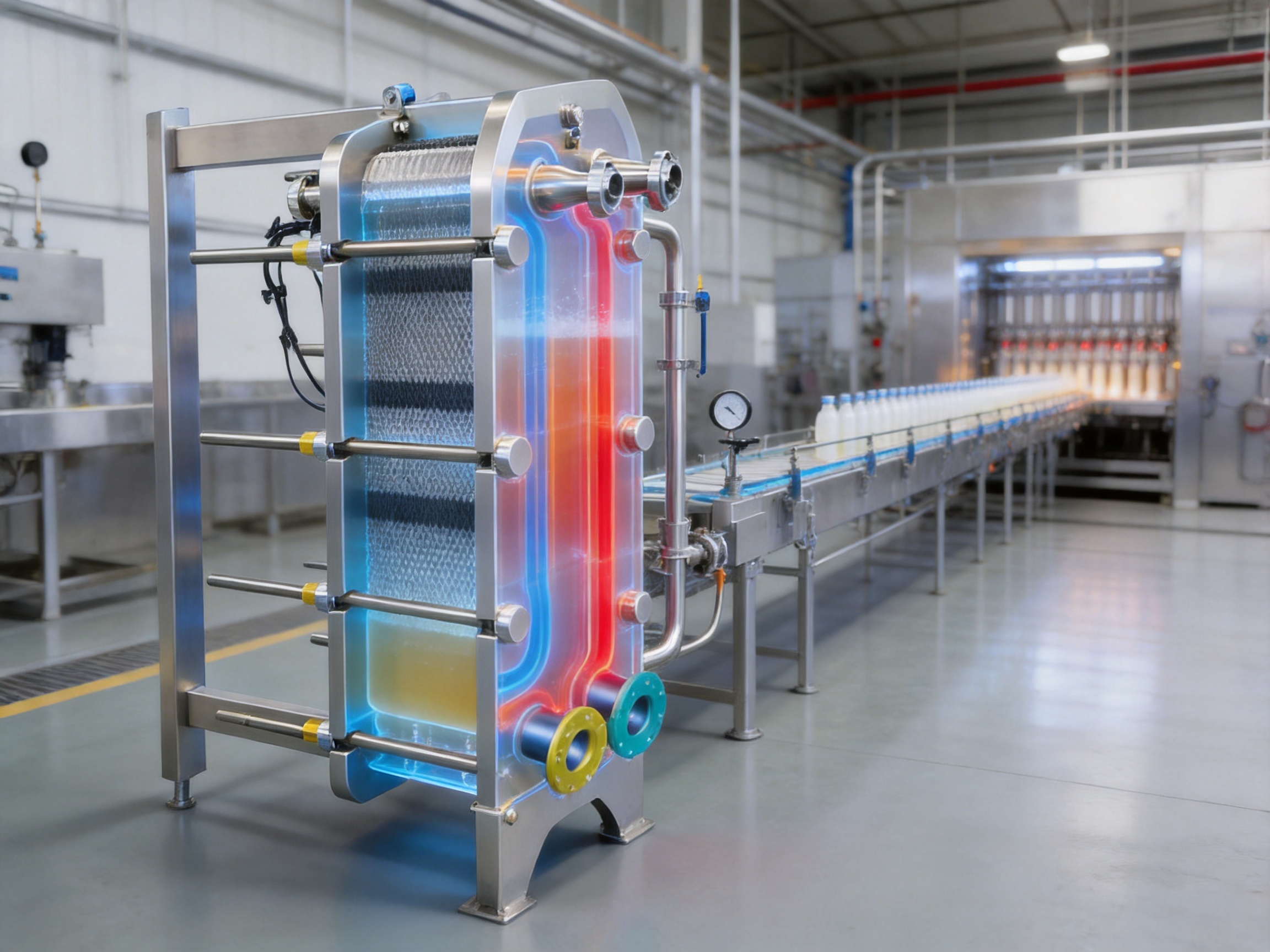
The most important energy-saving principle is regeneration. The hot treated product transfers part of its heat to the cold incoming product before the treated product reaches the final cooling section. At the same time, the incoming product is partially preheated before entering the final heating section.
This arrangement reduces the load on the external heating source and reduces the duty required from the cooling system. The exact recovery percentage depends on the process temperatures, exchanger arrangement, flow rates, product properties, and allowable temperature crossovers.
5.2 Intelligent Temperature Regulation
Automatic control helps prevent unnecessary heating. If the product flow rate changes, the system can adjust heating capacity, steam control, hot-water circulation, or other process variables. This avoids the continuous use of maximum heating capacity when the production line is operating below its design rate.
Stable temperature control also protects product quality. Excessive temperature may affect flavor, color, nutritional value, texture, or active ingredients. Precise control therefore contributes not only to energy savings but also to lower product losses and more consistent output.
5.3 Optimized Pump Operation
Pumps consume electrical energy, and poor flow design can cause avoidable pressure losses. Correct plate spacing, pipeline diameter, valve selection, and flow arrangement help reduce the pressure required to move the product through the system.
Where appropriate, variable-frequency drives can adjust pump speed according to the required flow rate. This can reduce energy consumption during partial-load operation and support smoother startup and shutdown sequences.
5.4 Reduced Heat Loss from Compact Design
A compact skid has shorter internal process routes and a lower external surface area than a dispersed system of equivalent capacity. Proper insulation of hot pipelines, valves, and heat exchanger sections further reduces heat loss to the surrounding environment.
| Cost Area | How the Skid Helps | Potential Result |
|---|---|---|
| Heating energy | Uses regeneration and efficient plate heat transfer | Lower steam or hot-water demand |
| Cooling energy | Transfers heat from treated product to incoming product | Reduced cooling-water or chiller load |
| Electricity | Uses optimized flow paths and suitable pump control | Lower pump power consumption |
| Labor | Automates temperature, flow, pressure, and alarm functions | Reduced manual intervention |
| Installation | Preassembles equipment, piping, instruments, and controls | Lower field labor and commissioning effort |
| Maintenance | Provides accessible plate packs and organized components | Shorter inspection and repair activities |
| Factory space | Uses a compact modular arrangement | Lower expansion or relocation costs |
6. Hygienic Design for Food and Beverage Applications
Hygienic design is essential when the system handles products intended for human consumption. The equipment must support effective cleaning, reduce contamination risks, and maintain product-contact integrity over repeated production cycles.
6.1 Product-Contact Materials
304 stainless steel is commonly used for many food-processing applications. 316L stainless steel may be selected where greater corrosion resistance is required, especially in the presence of aggressive cleaning chemicals, higher chloride levels, or demanding product compositions.
Material selection should include more than the heat exchanger plates. Product-contact pipelines, valves, pump wetted parts, gaskets, instrument connections, and sampling points must also be considered. Food-compatible sealing materials should be selected for the operating temperature, cleaning chemicals, pressure, and product formulation.
6.2 Surface Finish and Drainability
A smooth surface finish helps reduce product retention and supports cleaning effectiveness. Welds should be properly finished, and internal geometry should avoid unnecessary pockets or dead legs. The skid can be arranged with suitable slopes and drain points so that product, cleaning solution, and rinse water can be removed from the process path.
Drainability becomes particularly important when the system changes between products or when cleaning validation is required. A process designer should review the lowest points, valve bodies, instrument branches, gasket grooves, and transition areas during the design stage.
6.3 CIP Compatibility
Clean-in-place allows the process circuit to be cleaned without dismantling the main equipment after every production run. A typical CIP sequence may include a pre-rinse, alkaline wash, intermediate rinse, acid wash when required, final rinse, and sanitization step. The exact recipe depends on product residue, equipment materials, plant procedures, and validation requirements.
The removable plate pack provides an additional maintenance advantage when periodic manual inspection or deep cleaning is required. CIP does not replace inspection; rather, it forms part of a broader hygiene program that includes routine monitoring, chemical concentration checks, temperature verification, flow velocity confirmation, and periodic maintenance.
7. Applications in Food and Beverage Processing
The plate pasteurizer complete skid is suitable for a wide range of liquid food and beverage applications. Common examples include:
- Fruit and vegetable juices
- Milk and dairy beverages
- Flavored milk and liquid nutritional drinks
- Tea, coffee, and ready-to-drink beverages
- Plant-based beverages
- Syrups and liquid food ingredients
- Liquid sauces with suitable viscosity
- Sports and functional beverages
- Fermented or cultured liquid products
- Process water and selected utility streams
Each product requires a specific thermal profile. Juice may be sensitive to flavor changes and may contain pulp. Dairy products may require careful fouling control and strict cleaning procedures. Plant-based beverages may contain suspended solids or proteins that affect heat transfer and cleaning. Ready-to-drink beverages may require accurate control of flavor, color, and nutritional characteristics.
The system should therefore be configured after reviewing the product composition, particle size, viscosity range, flow rate, target treatment temperature, holding time, allowable pressure drop, cleaning procedure, and packaging conditions.
8. Potential Biopharmaceutical Applications
In biopharmaceutical manufacturing, thermal processing requirements are often more demanding in terms of documentation, traceability, validation, and contamination control. A plate-based thermal processing skid may be considered for suitable liquid media, buffers, process water, cleaning solutions, or other compatible process fluids.
Not every biopharmaceutical product is suitable for high-temperature plate processing. Many biological materials are heat-sensitive, and their process requirements may differ significantly from food pasteurization. A project evaluation should therefore establish whether the product can tolerate the required temperature and residence time.
For biopharmaceutical service, additional design topics may include:
- Material certificates for product-contact components
- Surface finish documentation
- Welding procedures and weld inspection records
- Elastomer compatibility and certificates
- Calibration records for temperature and pressure instruments
- Cleaning and sterilization procedures
- Drainability and hold-up volume
- Data recording and electronic batch documentation
- Factory acceptance testing and site acceptance testing
- Installation and operational qualification support
The appropriate level of documentation and validation should be defined at the beginning of the project. A system developed for food processing may require additional engineering, controls, materials, and documentation before it can be used in a regulated biopharmaceutical environment.
9. Automation and Process Control
Automation converts the skid from a collection of components into a coordinated process system. A PLC-based control architecture can manage valve sequences, pump operation, heating response, cooling response, alarms, product diversion, CIP programs, and production data.
9.1 Temperature Control
Temperature sensors are installed at critical points such as product inlet, preheating outlet, sterilization outlet, holding section outlet, and final product outlet. The controller compares measured values with the process recipe and adjusts the heating or cooling system accordingly.
Accurate temperature control is essential because pasteurization effectiveness depends on both temperature and time. A properly configured system can identify deviations quickly and prevent untreated product from continuing to the next process stage.
9.2 Flow and Residence-Time Control
Flow rate determines the residence time through the holding section. If flow becomes too high, the product may not remain at the treatment temperature for the required period. If flow becomes too low, the product may receive excessive thermal exposure or the process may become unstable.
Flow instruments and pump control therefore play an important role in process validation. The holding section should be designed and commissioned according to the required flow range and residence-time calculation.
9.3 Pressure Monitoring
Pressure monitoring helps protect the plate pack and detect abnormal conditions. A rise in pressure may indicate fouling, a blocked filter, a closed valve, incorrect valve sequencing, or a downstream restriction. A sudden pressure decrease may indicate a leak, pump problem, or loss of product supply.
Pressure control can also support hygienic separation between product and service circuits. The system designer should define the desired pressure relationships and alarm limits for the specific application.
9.4 Alarm and Interlock Logic
Typical alarms may include high temperature, low temperature, high pressure, low pressure, low flow, pump overload, valve position error, low utility pressure, instrument failure, and emergency-stop activation. Interlocks can prevent the pump from starting when the product path is not ready or stop heating when the flow condition is outside the safe range.
Alarm priorities should be configured so that operators can distinguish critical process deviations from maintenance notifications. Clear messages and event records help reduce troubleshooting time.
| Control Function | Typical Input | Typical Action |
|---|---|---|
| Heating control | Product temperature and setpoint | Modulates steam or hot-water valve |
| Cooling control | Final outlet temperature | Adjusts cooling-medium flow |
| Flow protection | Product flow signal | Limits heating or stops the process during low flow |
| Pressure protection | Pressure transmitter or switch | Triggers alarm, shutdown, or valve response |
| Product diversion | Temperature and process-status signals | Directs off-specification product away from approved output |
| CIP sequencing | Recipe and valve feedback | Controls cleaning stages and records cycle status |
| Data recording | Process measurements and alarms | Supports traceability and quality review |
10. Manufacturing and Engineering Strengths
The performance of a complete skid depends not only on the selected heat exchanger but also on the quality of engineering, fabrication, assembly, testing, and documentation. Shiloc (Shanghai) Industrial Trading Co., Ltd. provides equipment and engineering coordination for food and beverage, biopharmaceutical, daily chemical, and fine chemical applications.
The company was established in March 2026 in Fengxian District, Shanghai. Its business scope includes the import and export of goods and technology, import and export agency services, equipment manufacturing cooperation, and engineering and technical services. This structure allows the company to coordinate equipment supply with technical communication and project-specific requirements.
Shiloc operates a 3,000 m² Shanghai facility and has more than 20 technical specialists. Its capabilities cover processing, welding, polishing, assembly coordination, and quality control. These capabilities are important because a sanitary process skid requires consistent execution across multiple stages. Plate heat exchanger selection alone cannot guarantee final system performance; the piping layout, weld quality, surface treatment, instrumentation, control logic, and factory testing must all work together.
10.1 European Know-How and Danish Design Influence
The company’s equipment development is built on European know-how and Danish design principles. In practical terms, this orientation emphasizes compact layouts, functional simplicity, hygienic construction, process stability, maintainability, and organized equipment integration.
Design influence is reflected in the use of modular structures, coordinated service connections, accessible maintenance areas, sanitary materials, and process-focused control. The objective is to provide equipment that is not only technically capable but also convenient to operate and maintain throughout its service life.
10.2 Processing and Welding Capability
Sanitary process equipment requires careful fabrication. Stainless-steel components must be cut, formed, fitted, welded, finished, and inspected according to the required quality level. Internal welds should be properly prepared and finished to reduce roughness, crevices, and contamination risks.
Process welding quality affects product hygiene, equipment durability, and cleaning performance. A professional manufacturing process may include controlled welding procedures, qualified operators, visual inspection, dimensional checks, surface treatment, and records for critical assemblies.
10.3 Polishing and Surface Treatment
Polishing is particularly important for product-contact surfaces. Proper finishing reduces roughness and supports cleaning. External surfaces may also be treated to improve appearance, corrosion resistance, and ease of maintenance in a wet production environment.
The required surface finish should be specified clearly in project documents. Different areas of the skid may require different finishes depending on whether they are product-contact, non-product-contact, exposed to cleaning chemicals, or located in a controlled production area.
10.4 Quality Control and Traceability
Quality control should begin with the review of customer requirements and continue through design, procurement, fabrication, assembly, testing, packing, and delivery. Important records may include material certificates, component specifications, inspection reports, pressure-test documents, instrument calibration records, electrical test records, and factory acceptance test results.
Traceability supports troubleshooting and future maintenance. When the origin and specifications of critical components are documented, replacement parts can be selected more accurately and service decisions can be made with greater confidence.
10.5 Customized Equipment Solutions
Different manufacturers have different production capacities, utilities, product formulations, factory layouts, and automation requirements. Shiloc can coordinate customized equipment solutions rather than limiting customers to one standard configuration.
Customization may include heat transfer area, frame dimensions, product flow rate, plate materials, gasket materials, pump configuration, utility connections, control language, data recording, CIP arrangement, electrical standards, and site-specific interface requirements.
11. Project Design and Selection Considerations
A successful pasteurizer project begins with accurate process information. Before equipment selection, the customer and engineering team should define the following parameters:
- Product name and composition
- Minimum, normal, and maximum flow rate
- Product viscosity at operating temperature
- Presence of particles, fibers, or suspended solids
- Product inlet temperature
- Required pasteurization or sterilization temperature
- Required holding time
- Product outlet temperature
- Heating-medium type and available pressure
- Cooling-medium type and available temperature
- Allowable pressure drop
- Cleaning chemicals and CIP temperature
- Required production hours per day
- Available floor space and maintenance clearance
- Applicable food, pharmaceutical, or local regulations
The heat exchanger should be sized using thermal calculations that consider fouling factors, design margins, temperature approach, flow regime, pressure drop, and future operating conditions. Oversizing may increase capital cost and reduce the efficiency of partial-load operation. Undersizing may lead to insufficient treatment capacity or excessive pressure loss.
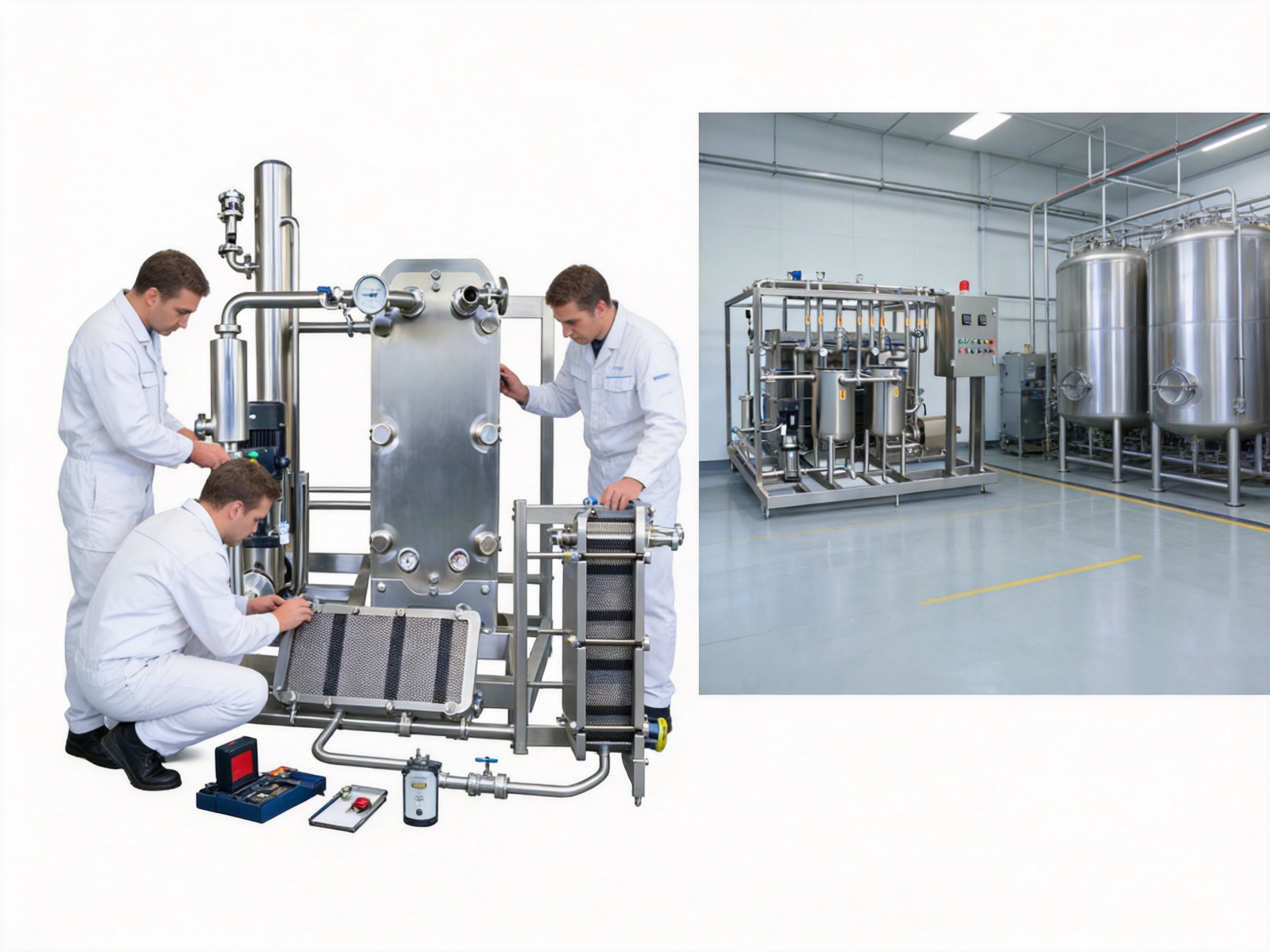
The skid layout should provide access for plate-pack opening, gasket replacement, instrument calibration, valve service, pump maintenance, and cleaning connections. A compact design is valuable, but it should not compromise safe access or maintenance clearance.
12. Installation and Commissioning Benefits
Because the main equipment is assembled on a common frame, the complete skid can reduce on-site installation effort. The customer typically needs to connect product lines, heating and cooling utilities, electrical power, control interfaces, drainage, and other defined services.
Preassembled piping and instruments reduce the number of field connections. Factory assembly also allows the supplier to identify layout problems, component conflicts, and control issues before shipment. This can shorten the commissioning period and reduce the risk of unexpected modifications at the production site.
Commissioning should include mechanical inspection, utility checks, instrument calibration verification, pump rotation checks, valve testing, control-loop testing, alarm verification, leak testing, CIP testing, and process-performance testing. For validated applications, the commissioning plan should be linked to the customer’s quality and qualification procedures.
Factory acceptance testing provides an opportunity to review the skid with the customer before delivery. The test may include simulated process sequences, control-panel operation, alarm responses, documentation review, and verification of key measurements. Site acceptance testing then confirms that the skid performs correctly after connection to the customer’s utilities and production line.
13. Maintenance Strategy
Preventive maintenance helps preserve thermal performance, hygiene, and equipment reliability. A maintenance program should be established according to operating hours, product type, cleaning frequency, and manufacturer recommendations.
13.1 Plate-Pack Inspection
Heat exchanger plates should be inspected when the system shows signs of increasing pressure drop, reduced heat transfer, leakage, or incomplete cleaning. The inspection should check for fouling, corrosion, deformation, gasket damage, plate misalignment, and evidence of cross-contamination.
13.2 Gasket Maintenance
Gaskets are consumable components affected by temperature, pressure, cleaning chemicals, compression, and operating time. Their service life varies by material and application. Damaged or hardened gaskets should be replaced with compatible parts, and the plate pack should be tightened according to the specified dimension or procedure.
13.3 Instrument Calibration
Temperature and pressure instruments are critical to process control. Calibration intervals should be determined by the customer’s quality system, regulatory requirements, instrument type, and historical performance. Calibration records should be retained for traceability.
13.4 Pump and Valve Service
Pumps should be checked for seal condition, vibration, noise, bearing performance, motor load, and flow output. Sanitary valves should be inspected for seat wear, actuator performance, leakage, and correct position feedback. Preventive service can reduce the risk of unplanned production interruptions.
14. Sustainability and Resource Efficiency
Manufacturers increasingly evaluate equipment according to both financial performance and environmental impact. The plate pasteurizer complete skid supports resource efficiency through heat recovery, compact construction, reduced energy demand, and controlled water use during cleaning.
Efficient thermal exchange can reduce the consumption of steam and cooling utilities. Automatic control can reduce over-processing and lower product waste. A compact structure can reduce the amount of stainless steel, insulation, and building space required for a given duty, although the complete life-cycle impact should be evaluated according to the specific project.
CIP optimization can also reduce water and chemical consumption. The cleaning program should use the correct temperature, flow velocity, chemical concentration, and duration rather than relying on excessive cleaning time or unnecessary chemical volume. Monitoring conductivity, temperature, return flow, and chemical concentration can improve repeatability.
Long service life is another sustainability factor. Durable stainless-steel construction, replaceable gaskets, accessible plate packs, and maintainable pumps can extend the useful life of the equipment and reduce the need for premature replacement.
15. Why Select an Integrated Supplier?
An integrated supplier can coordinate technical design, equipment sourcing, manufacturing, documentation, and international delivery. This is valuable for customers that do not want to manage separate suppliers for heat exchangers, pumps, valves, controls, and sanitary fabrication.
Shiloc’s business model combines international trade services with equipment manufacturing cooperation and engineering technical services. This enables the company to support customers during product definition, technical clarification, equipment customization, documentation preparation, delivery coordination, and after-sales communication.
The company serves the food and beverage, biopharmaceutical, daily chemical, and fine chemical industries. This cross-industry experience supports the development of process equipment for applications involving heating, cooling, mixing, fluid transfer, cleaning, and hygienic production.
Its stated strengths include reliable supply, process optimization, safe and efficient equipment, traceability, quality control, and personalized customer service. These strengths are particularly relevant to complete skid projects, where the final result depends on coordination among mechanical, process, electrical, automation, and quality functions.
16. Recommended Customer Workflow
A structured project workflow helps ensure that the final system matches the customer’s production requirements.
Step 1: Process Information Collection
The customer provides product properties, required capacity, thermal profile, utilities, cleaning procedure, site information, and applicable standards.
Step 2: Preliminary Process Design
The engineering team develops the process concept, heat balance, equipment arrangement, control philosophy, and preliminary utility requirements.
Step 3: Technical Confirmation
The customer reviews the proposed heat transfer area, pump duty, materials, instruments, control functions, skid dimensions, connection points, and documentation requirements.
Step 4: Detailed Engineering
The approved design is developed into detailed drawings, equipment lists, piping layouts, instrument lists, electrical documents, and manufacturing instructions.
Step 5: Fabrication and Assembly
Stainless-steel parts are processed, welded, polished, assembled, and inspected. Instruments, valves, pumps, control panels, and auxiliary units are integrated onto the skid.
Step 6: Factory Testing
The completed skid is checked for dimensions, connections, mechanical integrity, electrical functions, control sequences, alarms, and documentation completeness.
Step 7: Delivery and Site Support
The skid is prepared for shipment and connected at the customer’s facility. Site commissioning, operator training, and process verification can then be completed according to the project scope.
17. Frequently Asked Questions
Q1: What is the difference between a plate pasteurizer and a plate pasteurizer complete skid?
A plate pasteurizer generally refers to the thermal processing equipment centered on a plate heat exchanger. A plate pasteurizer complete skid includes the heat exchanger together with pumps, process pipelines, valves, instruments, controls, safety devices, and supporting components mounted on one frame.
Q2: What products can be processed?
The system is suitable for many clean or moderately viscous liquid products, including juices, dairy beverages, ready-to-drink beverages, plant-based drinks, liquid food ingredients, and selected process fluids. Product viscosity, particle content, thermal sensitivity, and cleaning requirements must be reviewed before final selection.
Q3: Can the system perform UHT processing?
It can be configured for suitable high-temperature treatment applications, with a stated maximum treatment temperature of approximately 150°C. The final design must be validated according to the product, required microbial reduction, holding time, aseptic conditions, and applicable regulations.
Q4: How does the system reduce energy consumption?
It uses efficient plate heat transfer, counter-current flow, regenerative heat recovery, automatic temperature regulation, and optimized fluid circulation. These features reduce the external heating and cooling duty compared with a process that heats and cools the product without effective heat recovery.
Q5: Is the skid suitable for small production facilities?
Yes. Its compact structure and modular arrangement make it suitable for small production lines, pilot systems, aseptic filling support units, and facilities with limited floor space. The capacity and heat transfer area should be selected according to the required production rate.
Q6: What stainless-steel materials are available?
Product-contact plates can be made from 304 or 316L stainless steel, depending on the product, cleaning chemicals, temperature, and corrosion requirements. Other product-contact components should be selected for compatibility with the same service conditions.
Q7: How is the system cleaned?
The system can be arranged for CIP cleaning. A typical cycle may include pre-rinsing, alkaline cleaning, intermediate rinsing, acid cleaning when needed, final rinsing, and sanitization. The exact cycle must be developed and validated for the product and facility.
Q8: What maintenance is required?
Maintenance may include plate-pack inspection, gasket replacement, pump service, valve inspection, instrument calibration, electrical checks, and verification of safety devices. The frequency depends on operating hours, product characteristics, cleaning procedures, and process conditions.
Q9: Can the skid be customized?
Yes. Customization may include flow rate, heat transfer area, materials, pump type, utility configuration, control functions, CIP arrangement, skid dimensions, electrical standards, data recording, and customer-specific connection requirements.
Q10: What information is needed for a quotation?
Useful information includes product type, flow rate, inlet and outlet temperatures, treatment temperature, holding time, product viscosity, particle content, heating and cooling utilities, cleaning procedure, available space, required automation level, and applicable standards.
Q11: Can the system be used in a biopharmaceutical facility?
It may be suitable for compatible liquid process streams, but biopharmaceutical applications require additional review of material traceability, surface finish, cleaning, sterilization, validation, documentation, and regulatory expectations. Heat-sensitive biological products may require a different process technology.
Q12: Why is factory testing important?
Factory testing allows mechanical, electrical, instrumentation, and control functions to be checked before shipment. It reduces installation risk and provides an opportunity to identify layout, wiring, alarm, and sequence issues before the skid reaches the customer’s production site.
18. Conclusion
A plate pasteurizer complete skid provides an integrated approach to liquid thermal processing. Its corrugated plate heat exchanger delivers efficient heat transfer, while counter-current flow and regeneration help reduce heating and cooling energy consumption. The compact skid structure saves floor space, simplifies installation, and reduces the number of field connections.
Sanitary stainless-steel materials, smooth product-contact surfaces, CIP compatibility, removable plates, pressure monitoring, and automatic temperature control support reliable operation in food and beverage manufacturing. With appropriate customization and additional validation, the platform may also support selected biopharmaceutical process applications.
The equipment’s advantages over conventional separated systems include coordinated engineering, reduced installation effort, simplified maintenance, improved process consistency, and easier automation. Compared with many tubular arrangements, the plate design can provide a more compact and efficient solution for suitable clean liquid products, while the removable plate pack improves inspection and service access.
The effectiveness of the final system depends on correct process data, accurate thermal calculations, hygienic design, quality fabrication, appropriate instrumentation, and complete commissioning. Shiloc (Shanghai) Industrial Trading Co., Ltd. supports these requirements through international trade services, equipment manufacturing cooperation, engineering coordination, stainless-steel processing, welding, polishing, quality control, and customized process equipment solutions.
For manufacturers seeking lower operating costs, efficient use of space, consistent thermal treatment, and an organized path from design to installation, a plate pasteurizer complete skid is a practical and scalable choice.
References
1. General principles of plate heat exchanger design and counter-current heat transfer.
2. Hygienic design principles for food and beverage processing equipment.
3. Clean-in-place system design and validation practices for sanitary process equipment.
4. Thermal processing principles for pasteurization and high-temperature short-time treatment.
5. Stainless-steel material selection for food, beverage, and biopharmaceutical applications.
6. Process instrumentation, temperature control, and safety interlock practices for thermal treatment systems.
7. Good manufacturing and documentation practices for modular process skids.
8. General engineering practices for equipment factory acceptance testing and site commissioning.
9. Hygienic welding, polishing, surface finish, and traceability practices for sanitary stainless-steel fabrication.
10. Energy efficiency and heat recovery principles in liquid food processing.
Product: Plate Pasteurizer Complete Skid
PREV:Sanitary Tube-in-Tube Heat Exchangers for Hygienic Food and Biopharmaceutical Processing
NEXT:Precision Temperature Control Units for Food and Biopharmaceutical Process Manufacturers
NEXT:Precision Temperature Control Units for Food and Biopharmaceutical Process Manufacturers
Interested in cooperation or have questions?
Recommended LINS
✦
Food Processing Skid System
Food and Beverage Process System
CIP Skid System for Food Industry
Skid Mounted Process System
food and beverage process skid system
Process Skid System
automated process skid system for food processing
Sanitary Process Skid
hygienic process skid for food industry
CIP process skid system for food industry
Let'S Work Together Welcome Aboard!
-

haikexin@haikexin.com
+8613391278930
-
 +86-21-57560276
 -
 No. 2819, Sihu Road,Fengxian District, Shanghai, China
Join Our Mailing List
Copyright © Shiloc (Shanghai) Industrial Trading Co., Ltd. All Rights Reserved.
Process Systems & Equipment For Food & Biopharma Manufacturers
