
 English
 русский
 Português
 Français


 Read More

Product Category
NEW Category
Contact us
Contact Us
We specialise in the research, development and manufacture of electrical wires and cables.
 +86-21-57560276
Sanitary Tube-in-Tube Heat Exchangers for Hygienic Food and Biopharmaceutical Processing
Content
- 1 Why Hygienic Heat Transfer Requires Specialized Equipment
- 2 Operating Principle of the Sanitary Tube-in-Tube Heat Exchanger
- 3 Advantages Over Conventional Heat Exchanger Designs
- 4 Sanitary Construction and Hygienic Design
- 5 Manufacturing Process and Quality Control
- 6 Performance in Food and Beverage Applications
- 7 Applications in Biopharmaceutical and Fine Chemical Processing
- 8 Cleaning-in-Place and Sterilization-in-Place Compatibility
- 9 Controls, Instrumentation, and Flow Management
- 10 Customization Options
- 11 How Shiloc Supports International Customers
- 12 Competitive Strengths of the Product and Supplier
- 13 Selection Guide for Buyers
- 14 Q&A: Sanitary Tube-in-Tube Heat Exchangers
- 14.1 Q1: What is a sanitary tube-in-tube heat exchanger?
- 14.2 Q2: Which industries use this type of heat exchanger?
- 14.3 Q3: Can it process liquids containing particles or fibers?
- 14.4 Q4: What surface finish is available?
- 14.5 Q5: Is the exchanger compatible with CIP?
- 14.6 Q6: Can it be used for SIP?
- 14.7 Q7: What connection types are available?
- 14.8 Q8: Can the product be customized?
- 14.9 Q9: What information should a customer provide for a quotation?
- 14.10 Q10: Why is 316L stainless steel commonly used?
- 14.11 Q11: How does a removable inner tube help maintenance?
- 14.12 Q12: What documentation can be supplied?
- 14.13 Q13: Is the equipment suitable for pasteurization and UHT processing?
- 14.14 Q14: Does the supplier support international procurement?
- 14.15 Q15: How can buyers compare suppliers?
- 15 Conclusion
- 16 References
- 17 Product: Sanitary Tube-in-Tube Heat Exchanger
Heat transfer is one of the most important operations in food, beverage, dairy, biopharmaceutical, and fine chemical manufacturing. Heating, cooling, pasteurization, sterilization, temperature holding, and product conditioning must all be performed with precision. At the same time, the equipment must protect product purity, support reliable cleaning, reduce contamination risks, and operate consistently over long production cycles.
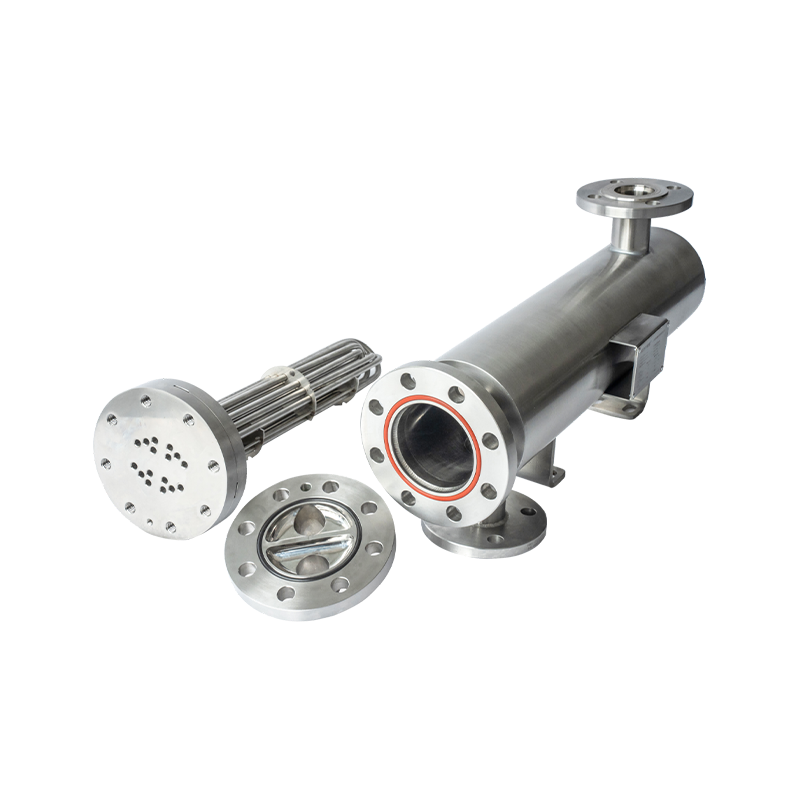
The sanitary tube-in-tube heat exchanger is designed to address these demanding requirements. Its concentric tube configuration allows the process product to flow through an inner tube while a heating or cooling medium flows through the surrounding annular passage. This arrangement creates a controlled heat transfer path, supports countercurrent operation, and provides a practical solution for products that are viscous, fibrous, particulate-containing, or difficult to process in conventional equipment.
For food and beverage manufacturers, the equipment can support the heating and cooling of juices, sauces, dairy products, creams, syrups, and products containing pieces. For biopharmaceutical and fine chemical manufacturers, it provides hygienic temperature control for process liquids that require cleanable, traceable, and carefully engineered fluid pathways.
Shiloc (Shanghai) Industrial Trading Co., Ltd. supplies sanitary process equipment and technical services for international customers. Its capabilities combine European process knowledge, Danish design concepts, stainless steel fabrication, welding, polishing, quality control, customization, and international trade support. The result is not simply a heat exchanger, but an integrated equipment solution intended to improve process stability, sanitation, maintenance efficiency, and procurement reliability.
Why Hygienic Heat Transfer Requires Specialized Equipment
Heat transfer in a sanitary production environment involves more than achieving a target temperature. The equipment must also preserve product quality and prevent the process fluid from contacting contaminated or poorly finished surfaces. Internal dead legs, rough welds, inaccessible corners, and incomplete drainage can create areas where product residue or microorganisms accumulate.
These risks are especially important in industries that process products with high nutritional value or sensitive biological characteristics. Dairy products, nutritional formulations, pharmaceutical intermediates, and fermentation-related liquids can support microbial growth when residues remain in the system. A heat exchanger that performs well thermally but is difficult to clean may increase operating costs and production risk.
Traditional heat transfer equipment may also face limitations when handling products containing particles or fibers. Narrow passages, complex plate channels, or poorly selected flow paths can increase pressure drop and make blockage more likely. When a product contains fruit pieces, vegetable fibers, meat particles, protein aggregates, or other suspended solids, the equipment must provide an appropriate passage without sacrificing heat transfer performance.
A sanitary tube-in-tube design addresses these concerns through a relatively straightforward and accessible construction. The product side is contained within a dedicated inner tube, while the service fluid passes through the annular space. The clear flow path is suitable for many products that are difficult to process through narrow or highly complex passages. The configuration can also be adapted to meet specific flow, temperature, pressure, and installation requirements.
Operating Principle of the Sanitary Tube-in-Tube Heat Exchanger
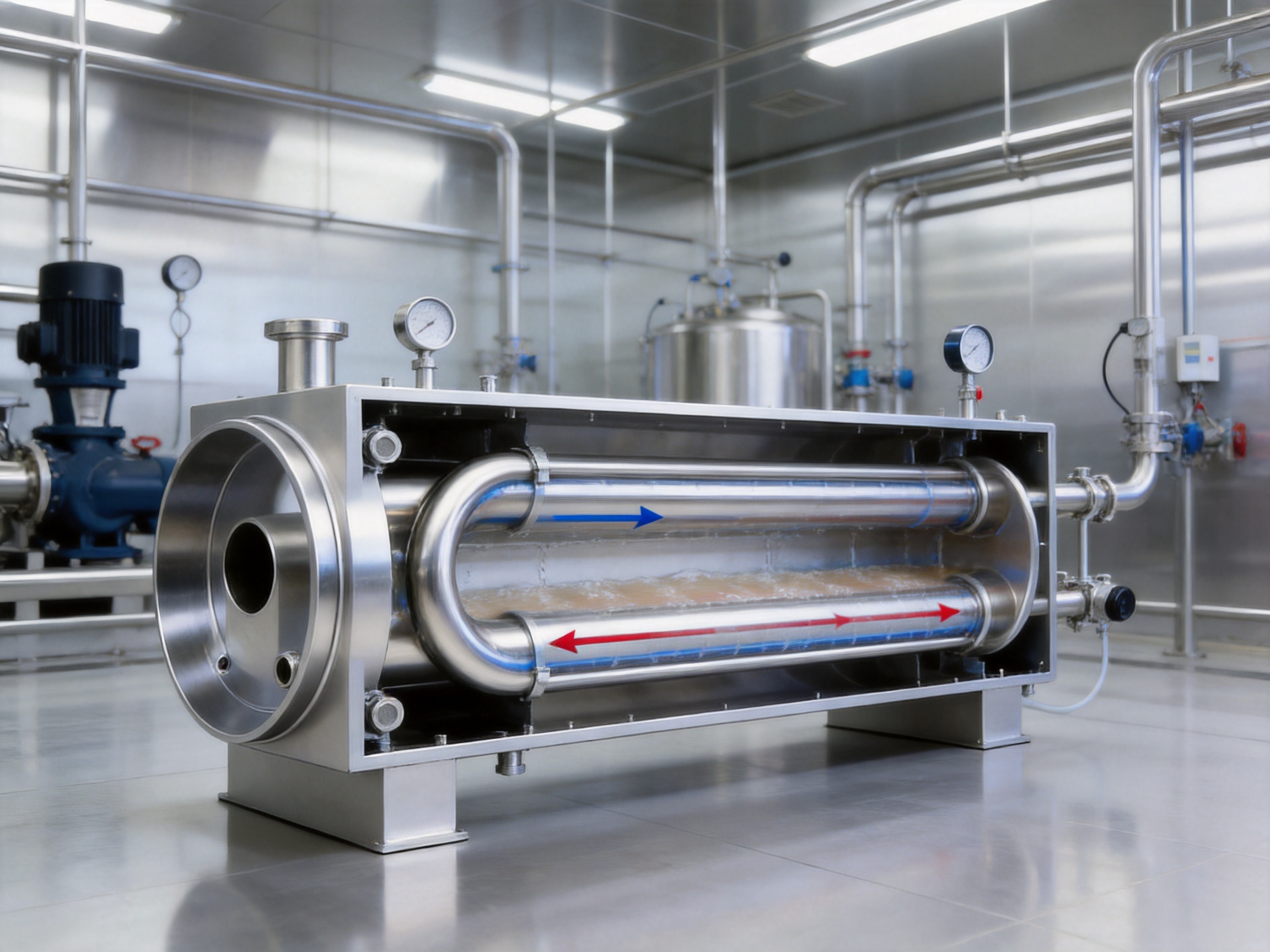
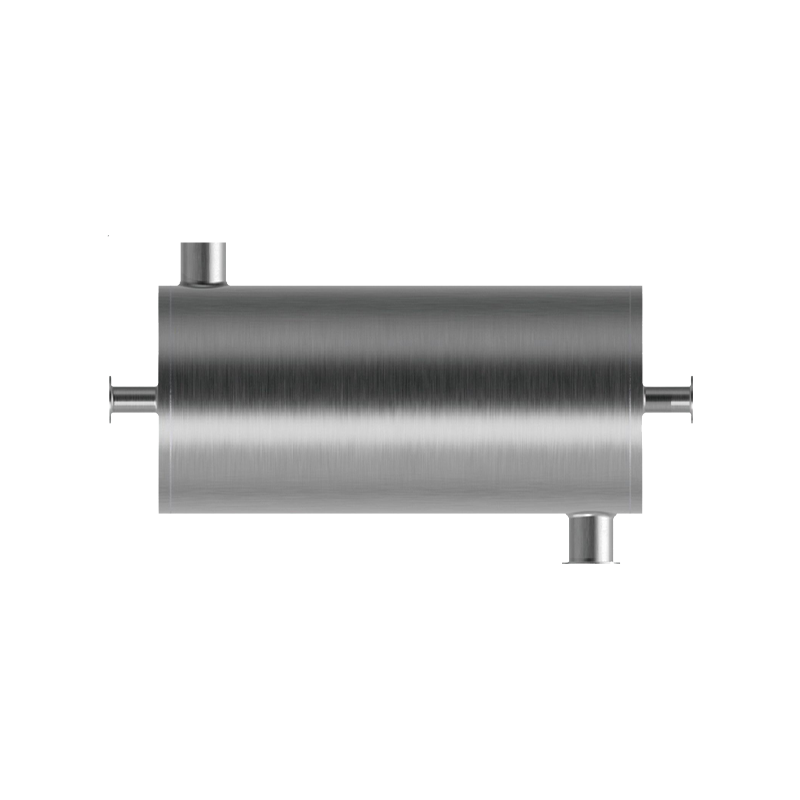
The unit consists of two concentric tubes. The process medium flows through the inner tube, and the heating or cooling medium flows through the annular space between the inner and outer tubes. Heat passes through the wall of the inner tube from the hotter medium to the colder medium.
In a countercurrent arrangement, the two fluids travel in opposite directions. This allows the temperature difference to remain more consistent along the length of the exchanger and can improve the overall driving force for heat transfer. Countercurrent flow is particularly useful when the process requires a significant temperature change or when energy efficiency is an important design objective.
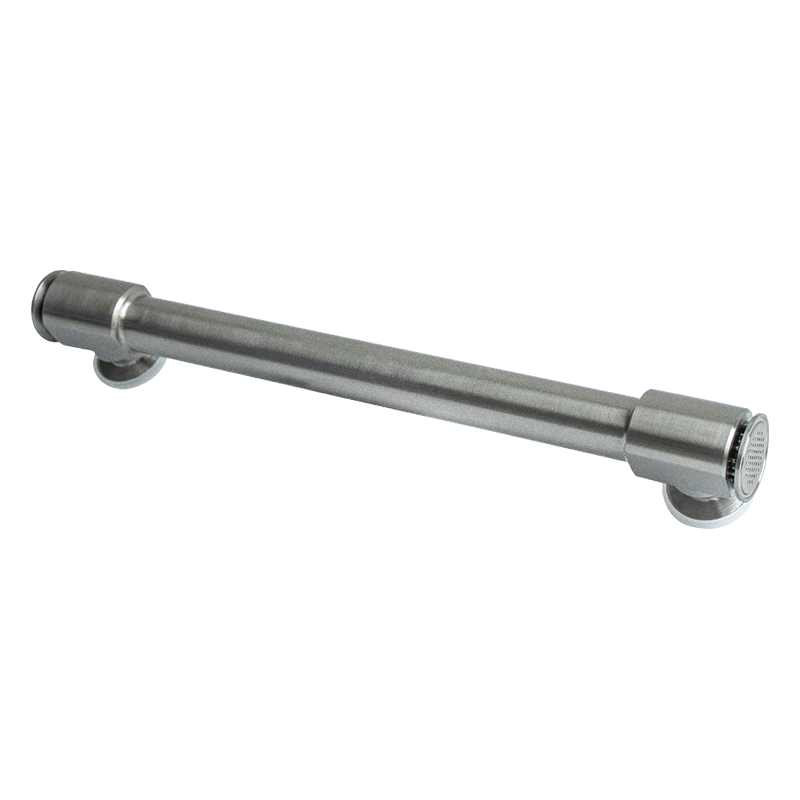
The equipment may be configured as a straight tube, U-tube, or modular coil arrangement depending on the required heat transfer area, footprint, flow path, and installation conditions. A U-tube design can provide a compact layout while reducing the number of external return connections. A coil configuration can be custom-designed to match available space and process flow requirements.
Flow velocity, tube diameter, tube length, product viscosity, service-fluid temperature, pressure, and allowable pressure drop are considered during design. These parameters determine the required heat transfer area and influence whether the process should use a single pass or multiple passes. Appropriate engineering ensures that the equipment can meet the thermal duty without creating excessive shear, pressure loss, or cleaning difficulty.
The tube-in-tube principle is also useful because the product pathway is relatively easy to understand and inspect. When the inner tube is removable, operators can inspect the product-contact surface directly. This can simplify maintenance and support hygienic verification after extended use.
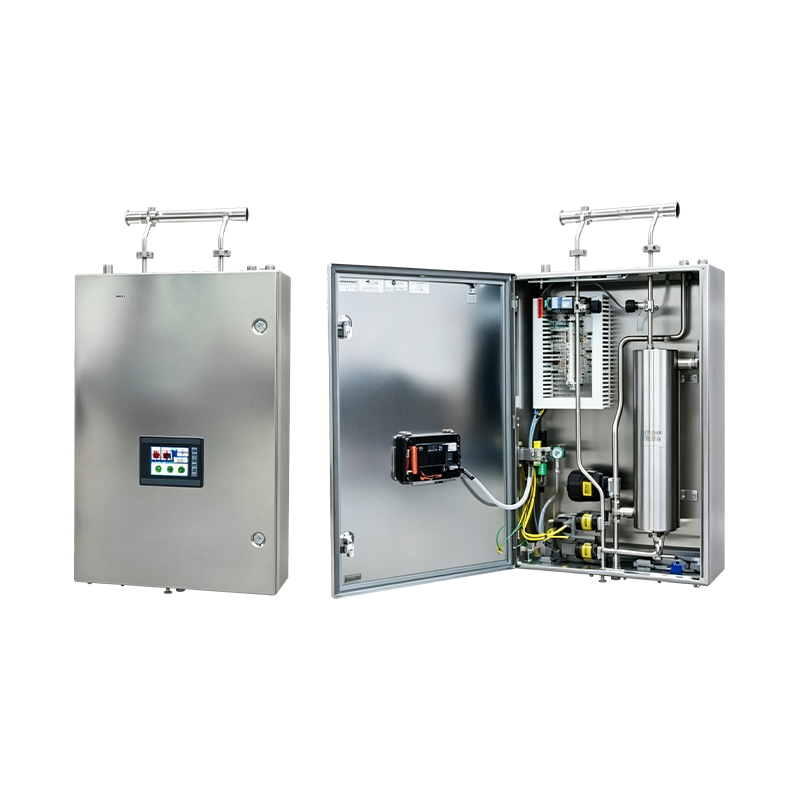
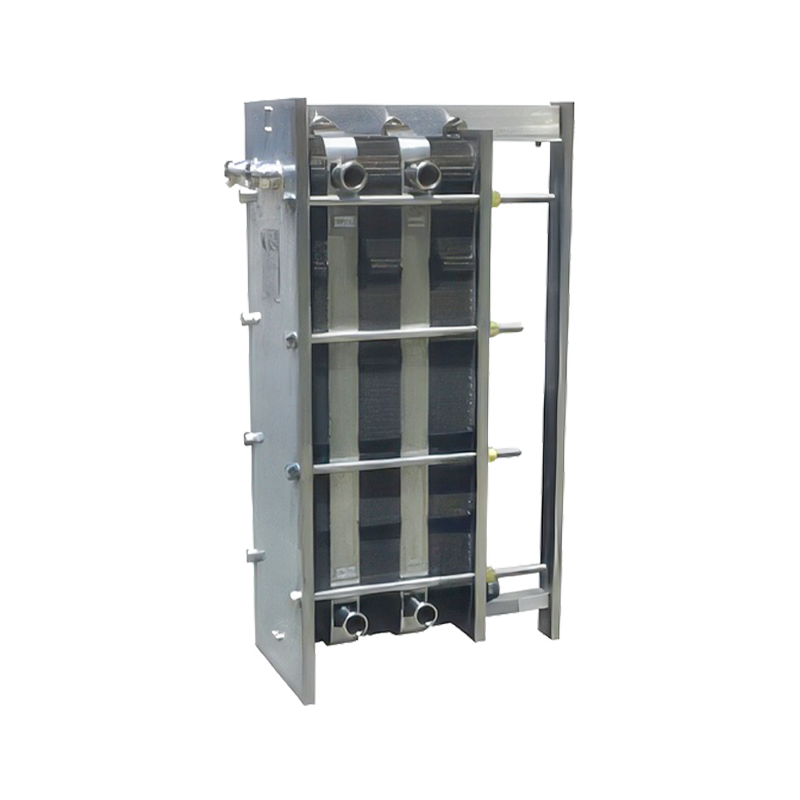
Sanitary Tube-in-Tube Heat Exchanger
Advantages Over Conventional Heat Exchanger Designs
Improved Handling of Particulate and Fibrous Products
One of the most important advantages of a sanitary tube-in-tube heat exchanger is its ability to handle products that contain particles, fibers, or suspended solids. Examples include juices with pulp, fruit preparations, yogurt with pieces, sauces, creams, minced meat products, and food slurries.
The inner tube can be selected with a suitable diameter and flow path for the product. Compared with highly compact channels, the larger and more direct passage can lower the risk of blockage. This makes the design attractive for manufacturers that need to maintain product texture and particle integrity during heating or cooling.
The equipment should still be properly sized for the product. Particle size, particle concentration, viscosity, flow rate, and temperature-dependent rheology must all be evaluated. However, the basic tube-in-tube construction provides greater flexibility for challenging products than equipment designed only for low-viscosity, particle-free liquids.
Pure Countercurrent Heat Transfer
Countercurrent operation improves the use of available temperature differences. The hot and cold streams approach each other in opposite directions, allowing the service fluid to exchange heat with process fluid at different stages of the process. This can support efficient heating and cooling while limiting the quantity of utility fluid required.
Efficient heat transfer can reduce energy consumption, shorten processing time, and provide better temperature control. In applications such as pasteurization or product cooling, stable heat transfer is essential for achieving the required process result without unnecessary thermal exposure.
Reduced Product Retention
A hygienic tube system can be designed for full drainage and minimized product retention. This is important when the production line handles multiple products or when product changeovers are frequent. Less retained product means lower product loss, reduced cleaning demand, and less opportunity for residues to remain inside the equipment.
Single-point low-point drain arrangements can be used during cleaning-in-place and sterilization-in-place operations. Drainability is particularly important for biopharmaceutical systems, where residual cleaning fluid or condensate may affect subsequent batches.
Accessibility for Inspection and Maintenance
Removable inner tubes can simplify inspection, repair, and replacement. Operators can examine the product-contact surface and verify the condition of welds, polished areas, and seals. This accessibility can reduce maintenance time compared with equipment that has complex internal passages that cannot be easily opened.
Inspection access also supports preventive maintenance. Instead of waiting for a performance decline or suspected contamination event, operators can establish a planned inspection schedule based on operating hours, product characteristics, cleaning cycles, and production risk.
Adaptability to Different Process Requirements
Tube diameter, tube length, material selection, connection type, flow arrangement, heat transfer area, and mechanical layout can be adjusted for different applications. Clamp and flange connections are available for integration into existing sanitary pipework and process skids.
This adaptability makes the design suitable for pilot-scale systems, modular production lines, and larger continuous processing installations. It also allows the exchanger to be engineered around the process rather than forcing the process to conform to a fixed equipment configuration.
Sanitary Construction and Hygienic Design
The sanitary performance of a heat exchanger depends on the entire fluid-contact system, not only the stainless steel grade. Material selection, surface finish, weld quality, geometry, drainage, seals, connection design, and cleaning procedure must work together.
316L Stainless Steel Product-Contact Surfaces
316L stainless steel is widely used in hygienic food, pharmaceutical, and bioprocess equipment because of its corrosion resistance and suitability for clean production environments. The low-carbon formulation supports welded construction and helps reduce the risk of corrosion associated with welding when appropriate fabrication and passivation practices are applied.
Material selection must consider the process fluid, cleaning chemicals, temperature, pressure, chloride exposure, and sterilization conditions. Using 316L stainless steel for product-contact components provides a strong foundation, but the final system must still be evaluated according to the actual process environment.
Electropolished and Mechanically Polished Surfaces
The product-contact surface can be polished to a roughness of Ra ≤ 0.5 micrometers, with an option for approximately 0.38 micrometers or electrolytic polishing depending on the application. A smoother surface reduces the number of microscopic locations where product residue can accumulate and makes cleaning more effective.
Electropolishing can improve surface smoothness and corrosion resistance by removing a controlled layer of metal and reducing surface irregularities. The selected finish should match the cleanliness requirements of the process. Food production may require a different surface specification from a high-purity biopharmaceutical application, so the final specification should be agreed during engineering review.
Crevice-Free and Low-Dead-Leg Design
Crevices and dead legs can retain product and cleaning fluid. Hygienic designs therefore aim to minimize recessed areas, abrupt internal steps, and inaccessible pockets. Properly designed connections and welds help create a continuous, cleanable fluid pathway.
Where seals and gaskets are required, they should be selected for compatibility with the product, cleaning agents, temperature range, and sterilization conditions. The sealing arrangement should also avoid unnecessary cavities that could become difficult to flush.
Drainability and Cleanability
A fully drainable unit helps remove product, cleaning solution, and rinse water after operation. Drainability can reduce the time required for changeover and support reliable CIP and SIP cycles. A low-point drain may also be integrated into a single-point design for use during both cleaning and sterilization procedures.
Cleanability depends on flow velocity, cleaning temperature, chemical concentration, contact time, and the condition of the internal surface. The exchanger should be integrated into a cleaning system that provides adequate circulation through both the product pathway and service side when required.
Manufacturing Process and Quality Control
The performance of a sanitary heat exchanger begins with manufacturing discipline. A technically correct design can fail to deliver hygienic performance if materials are mixed, welds are poorly executed, surfaces are inadequately finished, or documentation is incomplete.
Engineering and Application Review
Before production begins, process requirements are reviewed. Important design inputs include product type, flow rate, viscosity, particle size, inlet and outlet temperatures, heating or cooling medium, operating pressure, design pressure, cleaning procedure, sterilization requirements, available installation area, connection standards, and control philosophy.
For a custom unit, the required heat duty is calculated from the product mass flow, specific heat capacity, and desired temperature change. The design also considers the service-fluid conditions and the expected overall heat transfer coefficient. Pressure drop and flow velocity are checked to ensure that the pump and piping system can operate within acceptable limits.
Where product characteristics vary during operation, the design may include multiple operating cases. For example, a dairy product may have different viscosity at different temperatures, while a fruit preparation may change flow behavior as particles move through the system. Engineering around the complete operating range helps prevent underperformance during actual production.
Material Traceability
Material traceability is especially important in biopharmaceutical and regulated manufacturing. Materials can be supplied with Material Test Reports, and component records can be maintained throughout fabrication. Traceability documentation may include material heat numbers, component certificates, welding records, inspection reports, surface-finish records, and final test documentation.
Traceability supports quality assurance and simplifies future maintenance. If a component must be replaced or a production batch must be investigated, the equipment history can help identify the materials and processes used during manufacture.
Tube Forming and Fabrication
Seamless stainless steel tubes can be formed as continuous pieces to support a clean internal surface. Tube dimensions are selected according to process flow, pressure, heat transfer area, and cleaning requirements. For custom coil or U-tube arrangements, bending and forming must preserve the internal diameter and avoid wrinkles, flattening, or excessive deformation.
Fabrication tolerances are important because small dimensional deviations can affect fit-up, drainage, connection alignment, and installation. Skilled fabrication helps maintain consistent geometry across the full length of the product pathway.
Orbital and Hygienic Welding
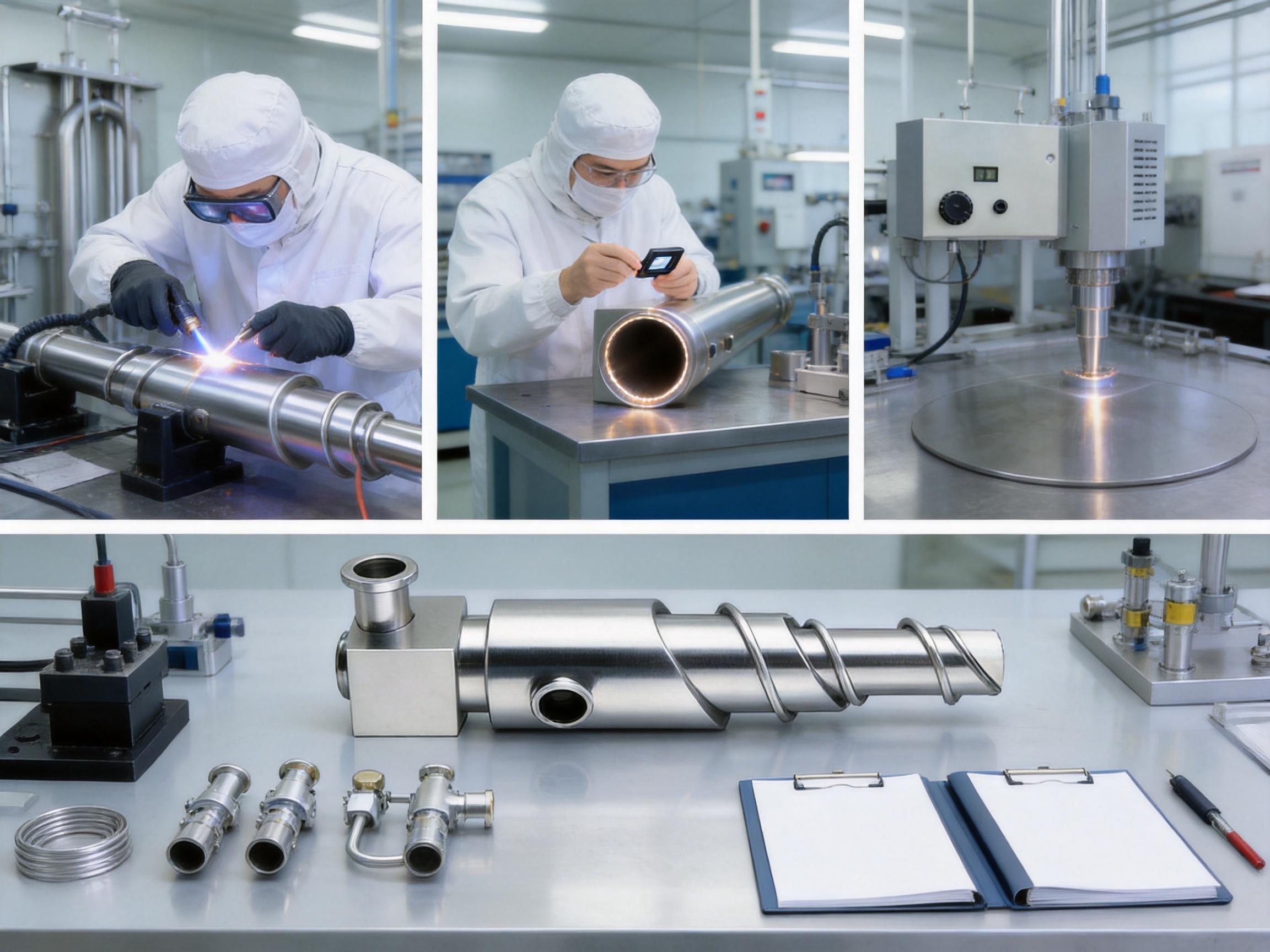
Welding is one of the most critical manufacturing stages for hygienic equipment. Welds must be structurally sound and compatible with the required surface finish. Poorly controlled welds may produce discoloration, undercutting, penetration defects, rough internal surfaces, or crevices.
Welding records can be maintained for quality documentation. Depending on the project specification, weld inspection may include visual examination, dimensional inspection, internal boroscope inspection, dye penetrant testing, pressure testing, and other methods appropriate to the equipment and applicable standards.
Surface Polishing
After welding and fabrication, product-contact surfaces can be mechanically polished or electropolished. The objective is to produce a consistent, cleanable surface with the specified roughness. Surface treatment must include the areas around welds and transitions, since localized roughness can undermine the performance of an otherwise smooth tube.
Surface finish verification can be included in the quality records. For high-purity applications, the surface specification should be clearly stated in the user requirement specification and verified before shipment.
Pressure and Leak Testing
Heat exchangers should be tested to confirm pressure integrity and separation between the product and service circuits. Leak detection ports at the inlet and outlet ends of a double-tube-sheet arrangement can provide an additional layer of protection. If a tube-sheet leak develops, the detection arrangement may help identify the problem before cross-contamination occurs.
Testing procedures can include hydrostatic or pneumatic pressure testing, depending on the design and safety requirements. Test pressures, holding times, test medium, and acceptance criteria should be documented as part of the final quality package.
| Design or Manufacturing Feature | Process Benefit | Typical Customer Value |
|---|---|---|
| 316L stainless steel construction | Supports corrosion resistance and hygienic production | Longer service life and compatibility with clean processing |
| Ra ≤ 0.5 micrometer internal finish | Reduces residue retention and supports effective cleaning | Lower contamination risk and easier maintenance |
| Tube-in-tube flow path | Provides a direct passage for product and service fluid | Suitable for viscous, fibrous, or particulate products |
| Countercurrent configuration | Maintains a useful temperature driving force | Efficient heating and cooling performance |
| Removable inner tube | Improves access for inspection and service | Reduced maintenance complexity and downtime |
| Drainable sanitary layout | Helps remove product, rinse water, and cleaning fluid | Improved changeover and cleaning reliability |
| Leak detection ports | Supports early identification of tube-sheet leakage | Additional protection for product and utility separation |
| Material and welding documentation | Creates a traceable equipment history | Better quality assurance and regulatory support |
Performance in Food and Beverage Applications
Juice and Beverage Processing
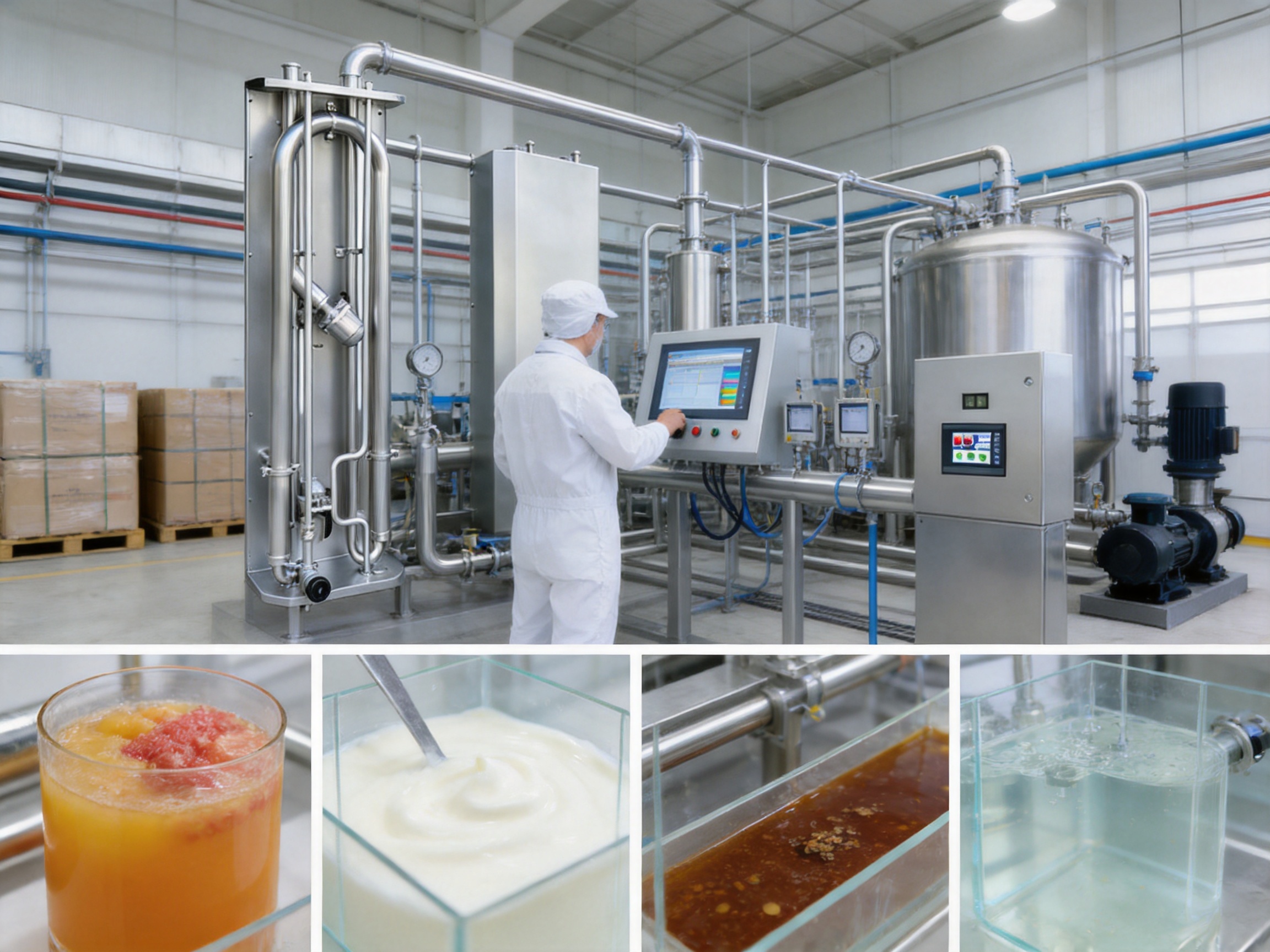
Juices and beverage concentrates often require heating for pasteurization or cooling before filling. Some products contain pulp, fibers, or suspended particles that can create challenges for narrow heat transfer channels. A tube-in-tube exchanger can be designed with an appropriate product-side diameter and flow velocity to reduce blockage risk while maintaining controlled thermal treatment.
The equipment can be installed upstream or downstream of blending, filtration, holding, or filling operations. Depending on the process, it may be used for preheating, final cooling, heat recovery, or temperature adjustment before storage.
Dairy and Fermented Products
Milk, cream, yogurt bases, cultured products, and dairy sauces are sensitive to temperature and residence time. Excessive heating can affect flavor, texture, or nutritional characteristics, while insufficient heating may fail to meet process requirements.
A hygienic tube-in-tube exchanger provides controlled temperature transfer and can be integrated with temperature sensors, flow controls, pumps, valves, and holding sections. For yogurt with fruit pieces or other inclusions, the product passage can be designed to reduce shear and minimize the risk of particle damage.
Sauces, Creams, and High-Viscosity Products
High-viscosity products may require larger passages, higher pumping power, and careful control of wall temperature. A tube-in-tube design can be adapted to provide a product pathway that is less prone to blockage than smaller passages. Heating may reduce viscosity and improve downstream transfer, while cooling can set product texture or prepare the product for filling.
Product formulation should be reviewed during design because viscosity can change significantly with temperature. A system designed for a single viscosity value may not perform consistently across the full operating range.
Products Containing Meat or Vegetable Particles
Minced meats, prepared foods, vegetable slurries, and other particulate products require attention to particle size, flow orientation, pressure drop, and shear. A sanitary tube-in-tube heat exchanger can provide an open and direct flow route, allowing the process engineer to specify an appropriate internal diameter.
When particle integrity is important, the exchanger should be operated at suitable velocities and connected to pumps that do not cause unnecessary mechanical damage. The final design should be validated with representative product rather than water alone.
Applications in Biopharmaceutical and Fine Chemical Processing
Biopharmaceutical systems place strong emphasis on cleanliness, documentation, controlled temperature, and repeatable operation. Products may be sensitive to thermal exposure, contamination, shear, or residual cleaning chemicals. A sanitary heat exchanger must therefore be designed as part of the complete process system.
Tube-in-tube exchangers can be used for buffer heating or cooling, process-water temperature adjustment, media conditioning, intermediate temperature control, and other applications where a cleanable heat transfer surface is required. The exact use depends on the product, process classification, regulatory requirements, and validation strategy.
For fine chemical applications, the equipment may provide controlled heating or cooling for solutions, suspensions, or intermediate products. Material compatibility and cleaning requirements should be assessed carefully, especially where solvents, aggressive chemicals, or elevated temperatures are involved.
In regulated environments, the equipment package may need to include drawings, material certificates, weld maps, surface-finish records, pressure-test results, inspection reports, operating instructions, and maintenance recommendations. Complete documentation reduces the administrative burden during installation, qualification, and future audit activities.
The exchanger can also be supplied with instrumentation provisions for temperature, pressure, flow, and leak detection. Integration with a plant control system allows operators to monitor process conditions and identify deviations more quickly.
Cleaning-in-Place and Sterilization-in-Place Compatibility
CIP compatibility is a central requirement for hygienic process equipment. During a CIP cycle, the system circulates water, alkaline detergent, acid solution, and final rinse fluid through the equipment according to a defined procedure. The cleaning sequence must reach all relevant internal surfaces with sufficient flow, temperature, chemical concentration, and contact time.
The tube-in-tube exchanger can be designed with smooth, drainable passages that support circulation and reduce areas of product retention. The selected flow rate should produce adequate cleaning action without exceeding pressure or mechanical limitations.
SIP may involve hot water or steam at elevated temperature. The equipment design must account for thermal expansion, pressure, gasket compatibility, and complete drainage of condensate. Single-point low drains can support both CIP and SIP operation when properly located and integrated.
Cleaning validation remains the responsibility of the user and must be based on the actual product, process conditions, cleaning chemicals, and equipment configuration. The manufacturer can provide relevant construction and surface-finish information to support the validation program.
Controls, Instrumentation, and Flow Management
Precise flow control is essential for stable heat transfer. Variations in product flow can change residence time, heat transfer coefficient, and outlet temperature. Service-fluid flow also influences the available heating or cooling capacity.
The exchanger may be integrated with control valves, temperature transmitters, pressure sensors, flow meters, pumps, and programmable control systems. Pitot tubes or other engineered flow-control components can be incorporated where appropriate for the process design.
Control software options may be selected according to the plant automation architecture. The system can be configured for basic local control, automated temperature regulation, batch operation, recipe management, alarm handling, or integration with a supervisory control system.
Instrumentation should be selected based on accuracy, hygienic design, calibration requirements, environmental conditions, and compatibility with cleaning and sterilization cycles. Sensor locations must provide representative measurements without creating additional dead legs or difficult-to-clean connections.
Customization Options
Different customers require different thermal duties, product properties, installation arrangements, and documentation packages. Customization allows the exchanger to be matched to the actual process rather than selected only by nominal size.
Thermal and Hydraulic Customization
Engineering variables may include inner-tube diameter, outer-tube diameter, tube length, number of passes, flow direction, heat transfer area, service-fluid selection, and allowable pressure drop. These parameters are balanced to achieve the required outlet temperature and flow performance.
For low-flow applications, designs can support flow rates starting at approximately 0.2 gallons per minute, or 0.75 liters per minute, and higher. Larger systems can be engineered for increased flow rates and production capacity. The final capacity depends on product properties and the required heat duty.
Connection and Installation Options
Clamp connections are frequently selected for hygienic systems because they can be disassembled relatively easily and support flexible piping arrangements. Flange connections may be selected where higher mechanical strength, particular plant standards, or existing equipment interfaces require them.
The equipment can be arranged horizontally or vertically depending on drainage, floor space, maintenance access, and process piping. Supports, insulation, protective covers, and utility connections can be considered during the layout stage.
Documentation Customization
Documentation can be adapted to the customer’s quality system. A typical package may include general arrangement drawings, process and instrumentation information, material certificates, welding records, surface-finish information, pressure-test records, inspection reports, operating instructions, maintenance recommendations, and spare-parts lists.
Applying TEMA-related design data where appropriate provides a recognized engineering framework for thermal and mechanical information. The exact standard or code basis should be agreed before fabrication, particularly for international projects with specific regulatory or plant requirements.
How Shiloc Supports International Customers
Shiloc (Shanghai) Industrial Trading Co., Ltd. was established in March 2026 in Fengxian District, Shanghai. The company focuses on international trade, import and export agency services, equipment manufacturing, engineering technical services, and process equipment for food, beverage, biopharmaceutical, daily chemical, and fine chemical industries.
The company operates a 3,000-square-meter Shanghai facility with more than 20 technical specialists. Its stated capabilities cover processing, welding, polishing, and quality control. This combination allows the company to participate in the complete equipment cycle, from technical communication and application review through fabrication, inspection, documentation, and delivery.
Shiloc’s approach is based on European know-how and Danish design concepts. For customers, this can provide a useful combination of international engineering expectations and manufacturing access in China. The objective is to deliver equipment that is technically suitable, traceable, and practical to integrate into a working production line.
International procurement often involves challenges beyond equipment design. Differences in language, technical terminology, documentation expectations, shipping arrangements, customs procedures, installation coordination, and after-sales communication can delay projects. An experienced import and export agency team can help coordinate these activities and reduce communication gaps between the customer, engineering staff, factory, and logistics providers.
Shiloc also supports customized equipment solutions. Customers can submit process information and receive a design based on product characteristics, flow requirements, temperature range, installation environment, and cleanliness expectations. This is especially important for applications where a standard exchanger cannot fully address the process requirements.
Competitive Strengths of the Product and Supplier
Combination of Hygienic Design and Practical Accessibility
Some heat exchangers prioritize compactness, while others prioritize accessibility. The sanitary tube-in-tube design seeks to balance both requirements. It provides an efficient heat transfer path while allowing the inner tube to be removed or inspected where specified.
This balance can be valuable for manufacturers that need reliable operation but cannot accept long maintenance shutdowns. Direct access to the product path supports inspection and may simplify troubleshooting.
Suitability for Difficult Products
The ability to handle particulate, fibrous, and viscous products gives the tube-in-tube design an advantage in applications where narrow or complex channels are unsuitable. The product passage can be selected around the actual characteristics of the material rather than assuming a clear, low-viscosity liquid.
Manufacturing Depth
Shiloc’s stated in-house capabilities in processing, welding, polishing, and quality control support closer coordination between design and production. This can improve communication when changes are required during fabrication and can help maintain consistency between the approved design and finished equipment.
Traceability and Documentation
Material Test Reports, welding records, inspection documentation, and component traceability are important differentiators for customers in regulated or export-oriented industries. Documentation provides evidence of how the equipment was built and helps support quality assurance, installation, and maintenance.
International Project Coordination
A supplier that can assist with technical communication, export procedures, logistics, and engineering coordination can reduce the total effort required from the customer’s procurement team. This integrated support is particularly useful for small and medium-sized manufacturers that may not have a dedicated international equipment project department.
Selection Guide for Buyers
Customers evaluating a sanitary tube-in-tube heat exchanger should begin by defining the process duty. The required product flow rate, inlet temperature, outlet temperature, product composition, viscosity, particle characteristics, and operating schedule should be documented.
The service side must also be specified. Steam, hot water, chilled water, glycol, thermal oil, or another utility may be used depending on the required temperature range. The utility flow rate, inlet temperature, outlet temperature, pressure, and available capacity influence the exchanger design.
Hygienic requirements should be stated clearly. These may include 316L stainless steel, internal surface roughness, electropolishing, sanitary connections, drainability, CIP, SIP, gasket material, welding standards, and documentation requirements.
Installation details are equally important. The buyer should provide available space, piping orientation, maintenance access, connection standards, support requirements, insulation needs, control-system interfaces, and any restrictions imposed by the existing plant.
Finally, the customer should review the supplier’s quality and service capabilities. Important questions include whether material certificates are available, how welds are recorded, how surface finish is verified, what pressure tests are performed, how the equipment is packed for shipment, and what technical support is available after delivery.
Q&A: Sanitary Tube-in-Tube Heat Exchangers
Q1: What is a sanitary tube-in-tube heat exchanger?
It is a heat transfer unit made with two concentric tubes. The process product flows through the inner tube, while a heating or cooling medium flows through the annular space between the inner and outer tubes. The design is adapted for hygienic processing and can be manufactured with sanitary materials, polished surfaces, drainable geometry, and cleanable connections.
Q2: Which industries use this type of heat exchanger?
Typical industries include food, beverage, dairy, biopharmaceutical, pharmaceutical, fine chemical, and daily chemical manufacturing. The equipment is suitable for applications requiring controlled heating or cooling and strict cleanliness standards.
Q3: Can it process liquids containing particles or fibers?
Yes. The product-side tube can be sized according to particle size, viscosity, and flow requirements. This makes the equipment suitable for products such as juices with pulp, yogurt with pieces, sauces, creams, vegetable slurries, and certain minced food products. A detailed process review is still necessary to confirm suitability.
Q4: What surface finish is available?
The internal surface can be specified at Ra ≤ 0.5 micrometers. A finish of approximately 0.38 micrometers or electrolytic polishing can also be considered for applications requiring a higher level of surface refinement.
Q5: Is the exchanger compatible with CIP?
Yes. The sanitary design can support clean-in-place circulation when the exchanger is correctly integrated with the plant’s cleaning system. Cleaning performance depends on flow velocity, chemical concentration, temperature, contact time, product residue, and the complete piping configuration.
Q6: Can it be used for SIP?
It can be designed for sterilization-in-place applications when the materials, seals, welds, pressure rating, drainage, and thermal expansion requirements are properly specified. SIP conditions should be confirmed during the engineering stage.
Q7: What connection types are available?
Clamp and flange connections are available. The best choice depends on plant standards, pressure requirements, maintenance preferences, and compatibility with the existing sanitary piping system.
Q8: Can the product be customized?
Yes. Customization may include tube diameter, length, heat transfer area, flow arrangement, material specification, surface finish, connection type, support structure, instrumentation, control integration, and documentation package.
Q9: What information should a customer provide for a quotation?
The customer should provide product name and composition, flow rate, inlet and outlet temperatures, product viscosity, particle size and concentration, operating pressure, cleaning and sterilization conditions, heating or cooling medium, utility temperatures, available installation space, connection requirements, and documentation expectations.
Q10: Why is 316L stainless steel commonly used?
316L stainless steel provides good corrosion resistance and is widely accepted for hygienic process equipment. Its low-carbon composition is also suitable for controlled welded fabrication. The final material choice should always be checked against the actual product, cleaning chemicals, temperature, and regulatory requirements.
Q11: How does a removable inner tube help maintenance?
A removable inner tube can provide direct access to the product-contact surface for inspection, cleaning verification, repair, or replacement. This can make maintenance more straightforward than designs with inaccessible internal passages.
Q12: What documentation can be supplied?
Depending on the project, documentation may include drawings, material test reports, component traceability, welding records, surface-finish information, pressure-test reports, inspection records, operating instructions, maintenance recommendations, and spare-parts information.
Q13: Is the equipment suitable for pasteurization and UHT processing?
It can be designed for pasteurization and certain high-temperature processing duties when the required temperature, residence time, pressure, material compatibility, and control system are properly engineered. The complete process system must be validated for the specific product.
Q14: Does the supplier support international procurement?
Shiloc provides import and export agency services, technical coordination, logistics support, and equipment supply for international customers. These services are intended to help simplify communication and project coordination from inquiry through delivery.
Q15: How can buyers compare suppliers?
Buyers should compare thermal performance, hygienic design, material quality, surface finish, welding capability, documentation, testing procedures, customization capacity, delivery support, and after-sales communication. The lowest purchase price does not necessarily represent the lowest total cost if the equipment creates cleaning, maintenance, or reliability problems.
Conclusion
The sanitary tube-in-tube heat exchanger is a practical solution for manufacturers that require efficient heat transfer together with high hygiene performance. Its concentric tube structure provides a controlled countercurrent flow path, supports the processing of viscous or particulate-containing products, and can be adapted to different thermal duties and installation conditions.
316L stainless steel construction, polished product-contact surfaces, drainable geometry, crevice-free fabrication, CIP compatibility, removable inner tubes, leak detection ports, and detailed documentation contribute to a reliable hygienic equipment package. These characteristics are valuable in food, beverage, dairy, biopharmaceutical, and fine chemical production, where contamination control and process consistency are essential.
Shiloc combines equipment manufacturing with engineering, quality control, customization, and international trade support. Its Shanghai facility, technical team, stated European and Danish design influence, and capabilities in processing, welding, polishing, and documentation enable it to support customers seeking both standard and application-specific heat transfer solutions.
For buyers, the most important step is to define the process clearly. Product properties, thermal duty, cleaning method, installation environment, documentation requirements, and future maintenance expectations should all be considered before the equipment is designed. When these factors are addressed together, a sanitary tube-in-tube heat exchanger can provide dependable temperature control, easier cleaning, reduced downtime, and long-term value for hygienic manufacturing operations.
References
1. Tubular Heat Exchanger Engineering Principles, thermal design and countercurrent heat transfer guidance.
2. Hygienic Design Principles for Food and Pharmaceutical Process Equipment.
3. Stainless Steel Materials and Corrosion Resistance in Sanitary Process Systems.
4. Clean-in-Place and Sterilization-in-Place System Design Practices.
5. Welding, Surface Finishing, and Inspection Practices for Stainless Steel Process Equipment.
6. TEMA Standards and Recommended Practices for Tubular Heat Exchanger Design.
7. Food and Beverage Thermal Processing Engineering Guidelines.
8. Biopharmaceutical Equipment Qualification, Documentation, and Traceability Practices.
Product: Sanitary Tube-in-Tube Heat Exchanger
PREV:Intelligent Bioprocess Heat Transfer Skids for Precise, Reliable, and Scalable Process Control
NEXT:Plate Pasteurizer Complete Skid: Efficient, Hygienic, and Modular Thermal Processing for Food and Biopharmaceutical Manufacturers
NEXT:Plate Pasteurizer Complete Skid: Efficient, Hygienic, and Modular Thermal Processing for Food and Biopharmaceutical Manufacturers
Interested in cooperation or have questions?
Recommended LINS
✦
Food Processing Skid System
Food and Beverage Process System
CIP process skid system for food industry
CIP Skid System for Food Industry
hygienic process skid for food industry
Sanitary Process Skid
automated process skid system for food processing
food ingredient mixing skid system
beverage blending skid system
milk processing skid system
Let'S Work Together Welcome Aboard!
-

haikexin@haikexin.com
+8613391278930
-
 +86-21-57560276
 -
 No. 2819, Sihu Road,Fengxian District, Shanghai, China
Join Our Mailing List
Copyright © Shiloc (Shanghai) Industrial Trading Co., Ltd. All Rights Reserved.
Process Systems & Equipment For Food & Biopharma Manufacturers
