
 English
 русский
 Português
 Français



 Read More

Product Category
NEW Category
Contact us
Contact Us
We specialise in the research, development and manufacture of electrical wires and cables.
 +86-21-57560276
Sanitary Plate Heat Exchangers for High-Performance Food and Biopharmaceutical Processing
Content
- 1 1. Role of a Sanitary Plate Heat Exchanger in Modern Processing
- 2 2. Construction and Operating Principle
- 3 3. Main Advantages Compared with Conventional Heat Transfer Equipment
- 4 4. Applications in Food, Beverage, and Biopharmaceutical Manufacturing
- 5 5. Fouling Prevention and Process Optimization
- 6 6. Manufacturing Strengths and Quality Approach
- 7 7. Customization Options for Different Process Requirements
- 8 8. Operation, Cleaning, and Maintenance Best Practices
- 9 9. Troubleshooting Common Problems
- 10 10. Competitive Value for Equipment Buyers
- 11 11. Selection Guide for a Sanitary PHE
- 12 12. Frequently Asked Questions
- 12.1 What is a sanitary plate heat exchanger?
- 12.2 What is the main advantage of a detachable PHE?
- 12.3 How does a corrugated plate reduce fouling?
- 12.4 Can the heat transfer capacity be changed after installation?
- 12.5 Which stainless steel is suitable for sanitary PHE plates?
- 12.6 Which gasket material should be used?
- 12.7 What is the difference between CIP and disassembly cleaning?
- 12.8 How can leakage be prevented?
- 12.9 Can a sanitary PHE be used for pharmaceutical liquids?
- 12.10 What technical services are available for a customized project?
- 12.11 How should a new PHE be commissioned?
- 13 13. Conclusion
- 14 References
- 15 Product: Sanitary Plate Heat Exchanger (PHE)
Sanitary heat transfer is a critical requirement in food, beverage, pharmaceutical, biopharmaceutical, daily chemical, and fine chemical production. Every heating and cooling stage must achieve the required temperature profile while protecting product quality, maintaining hygienic conditions, and controlling operating costs. A sanitary plate heat exchanger (PHE) provides an efficient solution by transferring heat between two separated media through thin, corrugated stainless steel plates.
Unlike general industrial heat exchangers that may be designed primarily for utility systems, a sanitary PHE is developed around cleanability, product protection, material compatibility, and maintenance accessibility. Its detachable construction allows operators to inspect and clean the heat transfer surfaces, while its corrugated plate pattern promotes turbulence and improves thermal performance. The equipment can be configured for pasteurization, cooling, sterilization, heating, heat recovery, and other process requirements.
Shiloc (Shanghai) Industrial Trading Co., Ltd. supplies sanitary process equipment and engineering support for food and beverage, biopharmaceutical, daily chemical, and fine chemical manufacturers. The company combines European technical experience and Danish design concepts with manufacturing, welding, polishing, inspection, and international supply capabilities in Shanghai. This combination enables customers to obtain hygienic heat transfer equipment configured for actual process conditions rather than relying on a single standard design.
A sanitary PHE is not simply a group of metal plates clamped into a frame. Its performance depends on the relationship between plate geometry, flow distribution, gasket materials, pressure design, temperature conditions, cleaning procedures, and installation quality. When these elements are correctly matched, the equipment can provide reliable heat transfer, reduce fouling, simplify maintenance, and support stable production over an extended service life.
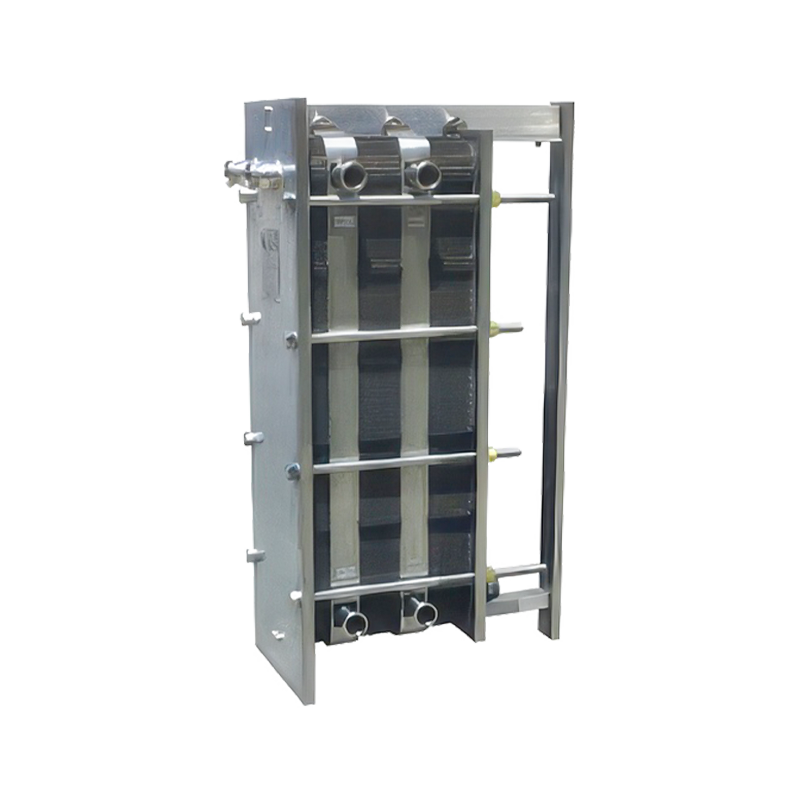
Sanitary Plate Heat Exchanger (PHE)
1. Role of a Sanitary Plate Heat Exchanger in Modern Processing
Many manufacturing processes require controlled heating or cooling at several stages. Milk may need pasteurization before filling. Fruit juice may require heating, sterilization, and subsequent cooling. Pharmaceutical liquids may need carefully controlled temperature adjustment before formulation or filling. Fermentation processes often require heat removal to maintain biological stability. Cleaning systems also depend on heat exchangers to warm cleaning solutions to the required operating temperature.
The sanitary plate heat exchanger performs these duties by creating separate flow channels for two media. One fluid transfers heat to or receives heat from the other, but the fluids do not normally come into direct contact. Stainless steel plates form the primary heat transfer surface, while gaskets define the flow paths and prevent leakage between adjacent channels. A fixed pressure plate, movable pressure plate, carrying bar, guide bar, and clamping bolts hold the assembly together.
Heat passes through the thin plate wall. The hot medium may be steam, hot water, thermal fluid, or another process liquid, while the cold medium may be water, product, glycol solution, or a different process stream. Depending on the application, the exchanger may heat a product gently, cool it rapidly, recover energy from a hot outlet stream, or maintain a defined temperature during continuous production.
Sanitary construction is especially important where the processed liquid is consumed, injected, formulated, or used as an ingredient. Product contact surfaces must be compatible with the medium and cleaning chemicals. Crevices, stagnant areas, rough surfaces, and inaccessible channels can create opportunities for microbial growth or deposit accumulation. A suitable PHE addresses these risks through hygienic materials, controlled surface finishing, appropriate gasket design, and effective cleaning access.
Why Plate Technology Is Suitable for Hygienic Processing
Plate heat exchangers provide a large heat transfer area within a relatively compact footprint. The thin plates create short heat transfer distances, and the corrugation pattern generates turbulence as the fluid moves through the channels. This allows a sanitary PHE to achieve high thermal effectiveness without requiring the size of a comparable shell-and-tube unit in many applications.
The modular design is another major advantage. The required heat transfer area can be increased by adding plates or reduced by removing plates, provided that the final configuration remains within the design limits. This gives manufacturers greater flexibility when production capacity changes, a new product is introduced, or process conditions are modified.
The detachable structure also provides direct access to the plates. Operators can open the frame, inspect each surface, replace individual gaskets, and remove deposits that cannot be eliminated by circulation cleaning alone. This accessibility is valuable in industries where cleaning verification, preventive maintenance, and rapid troubleshooting are essential.
2. Construction and Operating Principle
A sanitary PHE is composed of multiple functional elements that work together as one hygienic heat transfer system. Each component influences reliability and process safety, so selection should be based on the complete application rather than on plate size alone.
Stainless Steel Heat Transfer Plates
The plates are the primary heat transfer surfaces. Food-grade stainless steel 304 is suitable for many general food and beverage duties, while 316L stainless steel is often selected when improved corrosion resistance is required. The appropriate grade depends on the processed medium, chloride concentration, acidity, temperature, cleaning chemicals, and sterilization conditions.
For specialized applications, titanium alloy or other materials may be considered. Material selection must account for both the process liquid and the utility side. A material that is suitable for the product may not be suitable for an aggressive cleaning solution or a high-chloride cooling medium. Engineering evaluation is therefore necessary before finalizing the plate material.
Corrugated Plate Pattern
The corrugated surface is designed to improve fluid movement and enlarge the effective heat transfer area. As the medium flows through the narrow channel, the corrugation causes changes in direction and promotes turbulence. Turbulent flow improves heat transfer and helps limit the formation of low-velocity areas where deposits could accumulate.
The pattern must be selected carefully. Excessive turbulence may increase pressure drop and pumping requirements, while insufficient turbulence may reduce thermal performance and increase fouling risk. A correctly selected plate pattern balances heat transfer efficiency, product sensitivity, pressure drop, viscosity, and cleaning requirements.
Sealing Gaskets
Gaskets separate the media channels and prevent leakage to the atmosphere or between adjacent circuits. Food-grade EPDM and nitrile rubber are common options, although the final choice depends on temperature, product composition, cleaning chemicals, oil content, and sterilization conditions.
Gasket quality and installation are critical. An unsuitable elastomer may swell, harden, crack, or lose resilience. Incorrect placement can cause internal bypassing, external leakage, or cross-contamination. During maintenance, operators should use specified replacement gaskets, ensure that the gasket groove and plate surface are clean, and apply even compression when tightening the frame.
Frame, Pressure Plates, and Clamping Bolts
The frame supports the plate pack and withstands the mechanical forces created by internal pressure. The fixed and movable pressure plates compress the plates and gaskets into a sealed assembly. Clamping bolts allow the compression force to be adjusted during installation and maintenance.
Even tightening is essential. Excessive compression can damage gaskets or deform plates, while insufficient compression may cause leakage. Bolt tightening should follow the specified sequence and dimensions. Operators should also verify the compressed plate pack length after reassembly, because incorrect compression can affect both sealing performance and flow distribution.
Flow Connections and Configurations
Sanitary PHEs can use side-by-side or diagonal flow connections depending on process layout and piping requirements. The selected configuration affects installation space, connection direction, drainage, accessibility, and the arrangement of hot and cold circuits.
Flow passages may be configured for single-pass or multi-pass operation. The correct arrangement depends on temperature programs, flow rates, allowable pressure drop, product viscosity, and the need to achieve counter-current heat transfer. Counter-current flow is frequently preferred because it can provide a strong temperature driving force across a large portion of the heat exchanger.
3. Main Advantages Compared with Conventional Heat Transfer Equipment
Sanitary plate heat exchangers compete with shell-and-tube exchangers, welded plate units, spiral exchangers, tubular systems, and general-purpose industrial equipment. No heat exchanger is ideal for every process, but a detachable sanitary PHE offers several important advantages in hygienic liquid applications.
High Heat Transfer Efficiency
The combination of thin plates, large surface area, and corrugated channels supports efficient heat transfer. The short distance through the plate reduces thermal resistance, while turbulence improves the movement of heat between the bulk fluid and the plate surface.
High effectiveness can reduce the required heat transfer area for a given duty or allow a smaller equipment footprint. It can also lower utility consumption because the hot or cold utility can be used more effectively. In pasteurization and cooling applications, improved heat transfer contributes to more stable outlet temperatures and better process control.
Compact Design
A plate heat exchanger often provides a high heat transfer area within a compact frame. This is useful in facilities where production space is limited or where several process skids must be installed in one room. The compact arrangement can also shorten pipe runs and simplify integration with pumps, valves, instruments, and control systems.
Compactness must not compromise maintenance access. The frame should be installed with sufficient clearance for opening the plate pack, removing plates, inspecting gaskets, and performing cleaning operations. A well-planned installation combines a small operating footprint with practical service accessibility.
Flexible Capacity Adjustment
One of the most important competitive advantages of the detachable design is the ability to adjust the heat transfer area. Additional plates can be installed when production capacity increases, while plates can sometimes be removed when a lower duty is required. This modularity allows the equipment to adapt to changing production requirements without replacing the entire heat exchanger.
Capacity changes must be evaluated by qualified engineering personnel. Adding plates changes flow distribution and pressure drop, while removing plates changes the heat transfer area and may affect velocity. The final plate count must match the duty, flow arrangement, maximum pressure, and frame limitations.
Accessible Cleaning and Maintenance
Unlike permanently sealed equipment that may be difficult to inspect internally, the detachable PHE can be opened. Plates can be removed individually for visual examination, manual cleaning, surface treatment, or replacement. This is particularly valuable when a process produces protein deposits, sugar residues, mineral scale, pigment accumulation, or pharmaceutical solids.
Routine cleaning may be completed through CIP circulation, while intensive maintenance can be performed by disassembling the unit. The combination of these two methods gives operators greater control over hygiene and equipment condition.
Improved Hygienic Control
The use of stainless steel product-contact surfaces, suitable food-grade gaskets, controlled plate geometry, and cleanable flow channels supports hygienic production. When correctly specified and operated, the equipment can reduce contamination risks and help maintain product integrity.
Hygienic performance also depends on the surrounding system. Piping, valves, pumps, instruments, welding, drainage, and cleaning procedures must all be considered. A sanitary PHE cannot compensate for poor installation practices or inadequate cleaning of connected equipment.
Lower Fouling Risk Through Turbulence
Fouling is influenced by temperature, residence time, surface condition, fluid velocity, product composition, and cleaning frequency. The corrugated plate structure helps reduce deposit adhesion by promoting turbulence and limiting stagnant zones. This does not eliminate fouling, but it can delay performance degradation and make deposits easier to remove.
Compared with a poorly designed flat-channel system, a properly selected corrugated PHE can provide more consistent flow and better heat transfer. The result may be longer production intervals between deep-cleaning events, lower pressure drop growth, and more predictable maintenance planning.
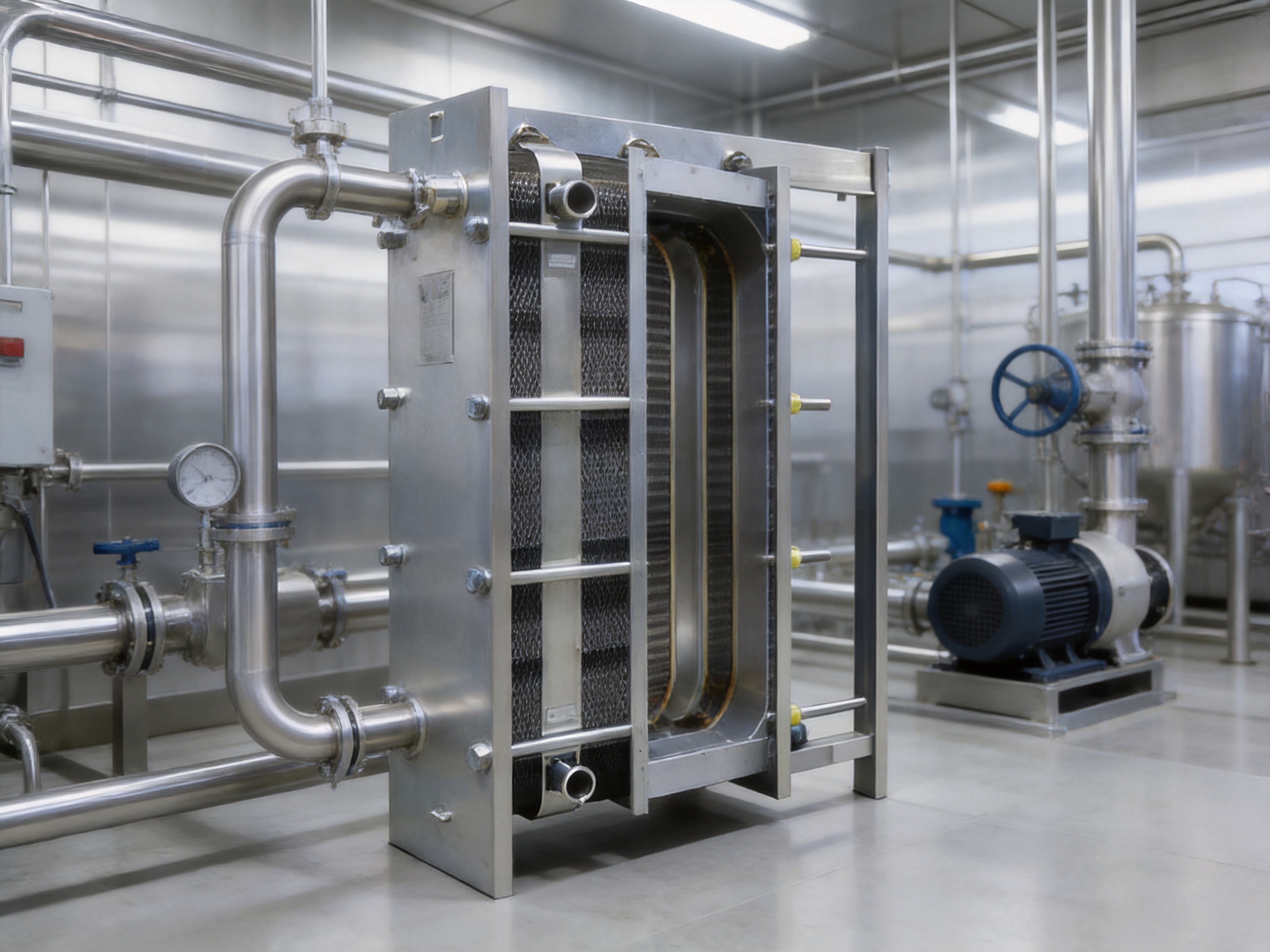
4. Applications in Food, Beverage, and Biopharmaceutical Manufacturing
Dairy Processing
Dairy plants use heat exchangers for milk pasteurization, cream treatment, product cooling, fermentation temperature control, and hot water generation. Milk contains proteins, minerals, fats, and other components that can form deposits when exposed to elevated temperatures. A sanitary PHE must therefore provide efficient heat transfer while supporting reliable cleaning.
In a pasteurization system, the product may be preheated using heat recovered from the pasteurized outlet stream before reaching the final heating section. After the required holding period, the product can be cooled through regenerative heat exchange and then by chilled water or another cooling utility. This arrangement can reduce energy consumption and protect product quality.
Plate material, gasket selection, flow velocity, temperature program, and CIP chemistry must be selected for the particular dairy product. Milk, cream, cultured products, and concentrated liquids may have different viscosity and fouling behavior.
Beverage Production
Fruit juices, tea beverages, flavored drinks, plant-based beverages, syrups, and functional drinks often require heating, sterilization, cooling, or temperature stabilization. Beverage formulations may contain sugars, pulp, proteins, fibers, acids, or suspended particles. These characteristics influence plate pattern selection and cleaning requirements.
A beverage PHE can support rapid heating while limiting unnecessary exposure to high temperature. After thermal treatment, rapid cooling can help preserve flavor, color, aroma, and nutritional characteristics. The system may also be used to warm product before filling or to cool it before downstream blending.
For beverages containing suspended solids or higher viscosity, the flow channels must be selected to reduce blockage risk. Operators should monitor pressure drop and outlet temperature because changes may indicate fouling, flow restriction, or an incorrect operating condition.
Food Processing
Food products such as sauces, egg liquids, condiments, liquid ingredients, and prepared foods may require controlled heating or cooling. These products can be more viscous than water and may contain particulates or ingredients that attach to hot surfaces.
A sanitary PHE provides flexible thermal control, but product viscosity and particle size must be considered during design. Wider channels, suitable corrugation, appropriate velocity, and an effective cleaning program may be required. If a product is particularly sensitive to shear or blockage, an alternative heat exchanger arrangement may need to be evaluated.
Pharmaceutical and Biopharmaceutical Liquids
Pharmaceutical and biopharmaceutical manufacturers require strict control over temperature, contamination, cleaning, and material compatibility. Sanitary plate heat exchangers can be used for heating process water, cooling pharmaceutical liquids, maintaining formulation temperature, and supporting sterilization-related duties.
In these applications, the equipment must be integrated into a validated process. Surface condition, gasket material, drainability, cleaning agents, sterilization parameters, and documentation may be subject to customer quality requirements. A customized design can help match the exchanger to the facility’s hygienic standards and operating procedures.
Product protection is particularly important where a liquid is sensitive to temperature or where cross-contamination cannot be tolerated. The design should maintain the required pressure relationship between circuits and provide appropriate inspection and testing procedures.
Industrial and Utility Systems
Although the sanitary PHE is optimized for hygienic processing, it can also be used in industrial cooling, HVAC systems, heat recovery, and utility water circuits. Stainless steel construction and modular heat transfer area make it suitable for many liquid-to-liquid duties.
When the unit is used in a non-product application, material selection and gasket requirements may differ. The same basic equipment platform can be adapted to industrial media, provided that the pressure, temperature, corrosion, and cleaning conditions are properly evaluated.
5. Fouling Prevention and Process Optimization
Fouling is the accumulation of unwanted material on heat transfer surfaces. It may include proteins, fats, sugars, minerals, fibers, microorganisms, pharmaceutical residues, corrosion products, or chemical precipitates. Fouling increases thermal resistance, reduces heat transfer efficiency, raises pressure drop, and may create hygiene concerns.
Optimize Flow Velocity
Flow velocity should be high enough to generate effective turbulence but not so high that it creates excessive pressure drop, product damage, or unacceptable shear. Low velocity can encourage deposits, while excessive velocity can increase pump energy consumption and accelerate mechanical wear.
The correct operating range depends on the fluid’s viscosity, solids content, temperature, sensitivity, and fouling tendency. Engineers should evaluate both normal and minimum flow conditions because fouling may begin during periods of reduced production or unstable operation.
Control Surface Temperature
Some products foul more rapidly when the plate surface becomes significantly hotter than the bulk liquid. Protein denaturation, sugar caramelization, mineral precipitation, and other reactions can be accelerated by excessive surface temperature.
Temperature programs should therefore be designed to achieve the process requirement without unnecessary overheating. Gradual heating, regenerative heat recovery, correct utility flow, and effective control valves can help reduce thermal stress on the product.
Use Appropriate Plate Geometry
Plate corrugation, channel gap, chevron angle, and pass arrangement influence turbulence and pressure drop. A high-turbulence plate may be suitable for a low-viscosity liquid requiring strong fouling resistance, while a wider channel may be more appropriate for a product containing particles or fibers.
Plate selection should be based on the complete duty rather than only the nominal heat load. Engineers should consider flow rate, inlet and outlet temperatures, allowable pressure drop, product viscosity, cleaning procedure, utility conditions, and future capacity changes.
Establish a Predictable Cleaning Program
CIP cleaning is effective when the solution concentration, temperature, flow velocity, circulation time, and sequence are correctly controlled. Alkaline solutions may be used for organic residues, while acidic solutions may be selected for mineral deposits. The exact chemistry must be compatible with the plates, gaskets, welds, and connected equipment.
Disassembly cleaning should be used when deposits cannot be reliably removed through CIP or when inspection is required. Operators should mark plate positions sequentially before dismantling the pack. This helps preserve the original arrangement and prevents incorrect flow distribution during reassembly.
Monitor Performance Indicators
Important indicators include outlet temperature, pressure drop, flow rate, utility consumption, leakage, and cleaning frequency. A gradual increase in pressure drop may indicate fouling or blockage. A reduction in heat transfer performance may indicate deposits, insufficient flow, incorrect plate compression, or a change in process conditions.
Trend monitoring allows maintenance to be planned before the equipment reaches an unacceptable operating condition. It also helps distinguish between mechanical problems and process changes, such as increased viscosity or reduced utility temperature.
6. Manufacturing Strengths and Quality Approach
The quality of a sanitary PHE depends on more than the selected design. Manufacturing accuracy, surface finishing, welding quality, gasket installation, inspection, and traceability all contribute to final performance. Shiloc (Shanghai) Industrial Trading Co., Ltd. supports equipment projects through a Shanghai production facility of approximately 3,000 square meters and a technical team of more than 20 specialists.
European Know-How and Danish Design Concepts
The company integrates European technical experience and Danish design concepts into hygienic equipment development. These influences support an engineering approach centered on practical operation, cleanability, reliable structure, and process suitability.
Design concepts are adapted to customer requirements rather than applied as rigid templates. This allows the equipment to be configured for different product viscosities, flow arrangements, material requirements, operating pressures, and cleaning procedures.
In-House Processing Capability
Manufacturing capabilities include processing, welding, polishing, and quality inspection. In-house or closely coordinated production activities can improve communication between engineering and manufacturing teams. They can also support better control of dimensional accuracy, surface quality, and production scheduling.
Welding quality is important in hygienic equipment because weld irregularities, excessive heat discoloration, cracks, or rough transitions can create cleaning problems and contamination risks. Appropriate welding practices and post-weld finishing help produce smoother and more hygienic product-contact areas.
Surface Finishing and Polishing
Polishing helps reduce surface roughness and supports cleanability. A smoother surface provides fewer locations for product residue and microorganisms to remain attached. The required finish depends on the application, customer standards, product characteristics, and cleaning validation strategy.
Surface finishing should be consistent across relevant product-contact areas. Operators should also ensure that handling, storage, and installation do not introduce scratches, dents, or contamination after polishing has been completed.
Quality Inspection Before Delivery
Each unit should be inspected before delivery. Inspection may include dimensional checks, material verification, gasket inspection, plate condition assessment, frame examination, pressure-related checks, and confirmation of the configured plate arrangement.
Quality control is particularly important for customized units because the equipment may include special materials, unusual connection layouts, different gasket compounds, or non-standard pressure ratings. A documented inspection process helps ensure that the delivered equipment corresponds to the approved engineering configuration.
Supply Chain and Traceability
Reliable sourcing of core materials supports stable equipment quality and delivery planning. Shiloc emphasizes supply chain management, international sourcing channels, processing traceability, and quality compliance. Traceability is valuable when customers require material records, maintenance history, replacement component information, or technical documentation.
Shorter communication paths between customer, engineering personnel, procurement, and production can also reduce the risk of misunderstanding. This is important when the equipment must be integrated into an existing process line or exported to an international facility.
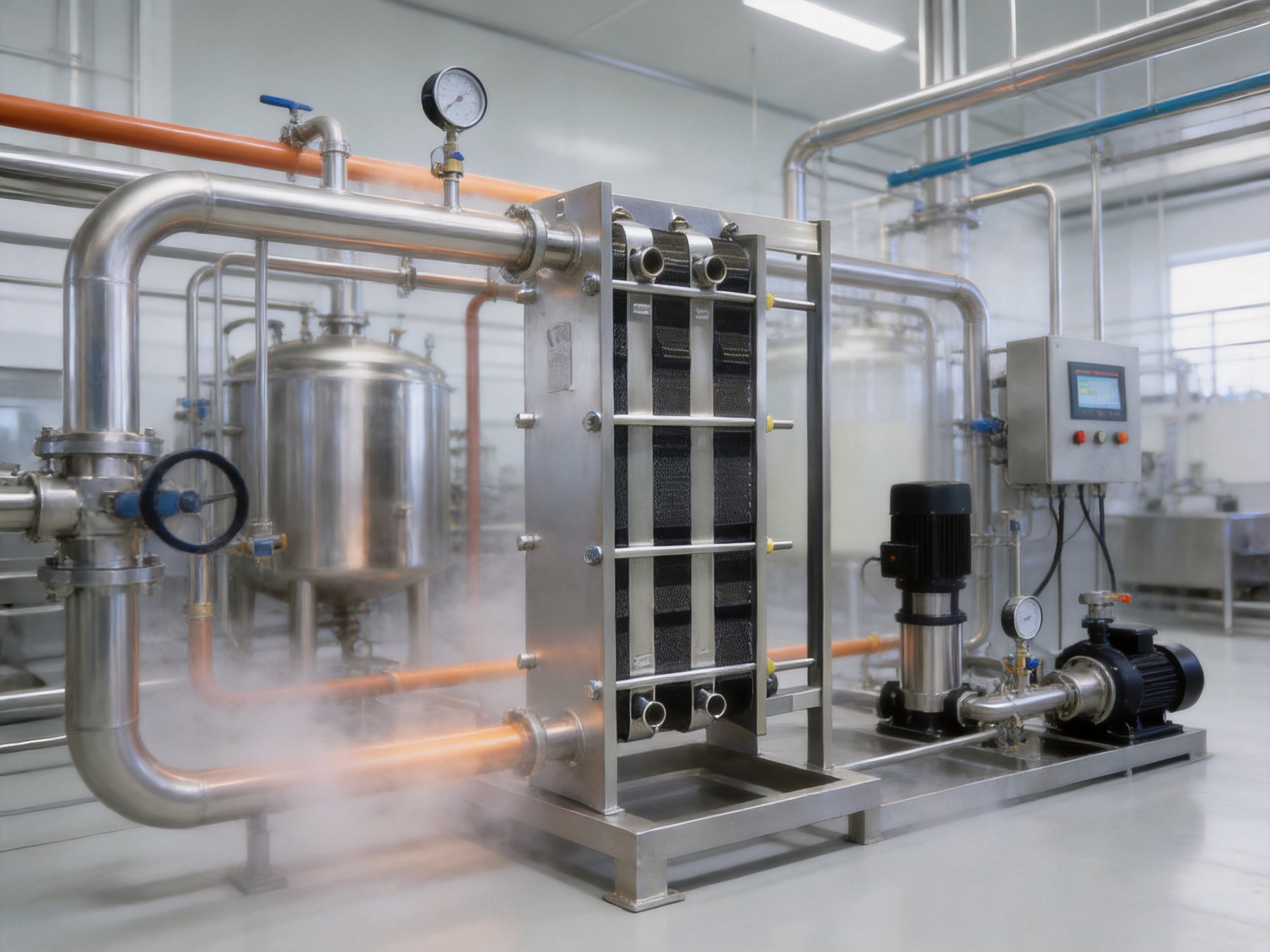
7. Customization Options for Different Process Requirements
Sanitary heat transfer equipment should be selected according to actual operating conditions. A standard catalog unit may be suitable for a simple water-to-water duty, but food, beverage, pharmaceutical, and fine chemical processes often require a more detailed evaluation.
Plate Material Selection
304 stainless steel can be suitable for many general food and beverage duties. 316L stainless steel offers improved resistance in applications involving more aggressive media, chlorides, or demanding cleaning chemicals. Titanium or other special materials may be evaluated for highly corrosive conditions.
The selection should consider both sides of the heat exchanger. A utility stream containing corrosive ions may affect the plate even if the product itself is relatively mild. Material compatibility should also be reviewed for acids, alkalis, disinfectants, and sterilization agents.
Gasket Material Selection
Food-grade EPDM and nitrile rubber can be selected according to temperature, chemical exposure, oil content, and product composition. The gasket must maintain elasticity and sealing performance throughout the expected operating and cleaning cycles.
Gasket replacement should use the specified material and profile. Substituting an unapproved gasket may reduce service life, alter compression, or cause chemical incompatibility. Replacement components should be stored in clean, dry conditions and protected from excessive heat, sunlight, and deformation.
Pressure and Temperature Design
Design pressure should reflect the maximum operating pressure, startup and shutdown conditions, cleaning pressure, and possible pressure differences between circuits. The pressure relationship between the two media is especially important where cross-contamination must be prevented.
Temperature design should include normal process temperatures, utility temperatures, cleaning temperatures, sterilization conditions, and potential thermal shocks. Gradual startup and controlled shutdown help reduce mechanical stress on plates and gaskets.
Flow Arrangement
Side-by-side and diagonal flow configurations offer flexibility for different piping layouts. The arrangement should support correct inlet and outlet connections, efficient counter-current operation, drainability, and maintenance access.
Multi-pass arrangements can increase thermal performance or accommodate specific temperature programs, but they may also affect pressure drop and cleaning behavior. The final configuration should be selected using a complete thermal and hydraulic calculation.
Installation Orientation
Vertical installation is commonly used for sanitary PHEs and can support drainage and maintenance access when correctly designed. The frame must be installed on a stable foundation, and the connected piping should not impose excessive loads on the connections.
Space must be reserved for sliding the movable pressure plate and removing plates. Instruments, valves, insulation, and nearby equipment should not obstruct the opening direction. Poor access planning can turn a technically suitable heat exchanger into a difficult maintenance problem.
8. Operation, Cleaning, and Maintenance Best Practices
Pre-Installation Inspection
Before installation, inspect plates, gaskets, frame components, connections, and fasteners. Remove dust, packaging residue, oil, and other contaminants from product-contact areas. Confirm that the plate sequence and gasket arrangement match the approved configuration.
Pipework should be flushed before connecting the exchanger. Welding debris, metal particles, scale, and construction contaminants can damage gaskets or block narrow flow channels. Strainers or temporary filters may be useful during initial commissioning.
Controlled Startup
Pressure should be increased gradually before full operation. Sudden pressure changes can deform plates, displace gaskets, or create leakage. The two media circuits should be introduced according to the approved startup sequence to avoid excessive pressure differences.
Operators should verify flow direction, inlet and outlet temperatures, pressure readings, valve positions, and any available flow meters. Initial operation should be monitored closely so that abnormal vibration, leakage, or rapid temperature changes can be addressed immediately.
Routine CIP Cleaning
CIP is suitable for regular cleaning when the system has been designed for effective circulation. The cleaning sequence may include pre-rinsing, alkaline cleaning, intermediate rinsing, acid cleaning when required, final rinsing, and sanitization. The exact sequence depends on the product residue and the chemical compatibility of the equipment.
Cleaning effectiveness depends on four important factors: chemical concentration, temperature, time, and mechanical action. Flow velocity through the channels must be sufficient to remove deposits. A cleaning cycle that uses the correct chemical but insufficient flow may not deliver reliable results.
Disassembly Cleaning
When CIP cannot remove deposits, the plate pack should be opened according to the maintenance procedure. Plate positions should be marked sequentially, and each plate should be handled carefully to avoid scratches, bending, or gasket damage.
Plates may be cleaned using approved methods appropriate to the material and residue. Abrasive tools should generally be avoided because they can damage the surface finish. After cleaning, plates should be inspected for corrosion, cracks, deformation, blocked ports, and gasket deterioration.
Gasket and Bolt Maintenance
Gaskets should be checked for hardening, cracking, swelling, displacement, or loss of elasticity. If leakage occurs, operators should not simply tighten bolts indefinitely. Excessive tightening may deform the plate pack or damage the gasket. The cause of leakage should be identified before corrective action.
Bolts should be cleaned, lubricated when specified, and tightened evenly according to the required sequence and compression dimensions. Uneven bolt loading can cause local leakage and uneven flow distribution.
9. Troubleshooting Common Problems
Reduced Heat Transfer Efficiency
If the outlet temperature does not meet the target, inspect the plates for scaling or blockage. Confirm that the product and utility flow rates are stable, and check whether the utility inlet temperature has changed. The number of installed plates should also be compared with the current heat load.
Other possible causes include incorrect flow direction, air trapped in the system, product viscosity higher than expected, insufficient turbulence, a damaged plate, or a control valve problem. Performance should be evaluated using both temperature and pressure data rather than a single reading.
Media Leakage
External leakage may result from aged or displaced gaskets, incorrect plate compression, damaged plates, corrosion, or uneven bolt tightening. The unit should be depressurized safely before inspection. If a gasket has moved from its groove, the plate and gasket should be cleaned and checked for damage before reassembly.
Repeated leakage after gasket replacement may indicate plate deformation, incorrect gasket selection, frame misalignment, or operation above the design pressure. The equipment should not be returned to service until the underlying cause has been resolved.
Cross-Contamination
Cross-contamination may occur if a plate has a crack, perforation, or pinhole, or if a gasket between circuits has failed. An excessive pressure difference between the media can worsen the consequences of a small defect.
Where product safety is critical, pressure relationships should be carefully controlled and leak testing should be included in the maintenance program. Any suspected plate defect should be investigated immediately, and affected product should be handled according to the facility’s quality procedures.
Increasing Pressure Drop
An increase in pressure drop may indicate fouling, blocked channels, an incorrect plate arrangement, excessive flow, or a valve position problem. Comparing current readings with baseline commissioning data can help identify the change.
If the increase develops gradually, fouling is a likely cause. If it occurs immediately after maintenance, incorrect plate orientation, gasket displacement, or a changed pass arrangement should be considered.
10. Competitive Value for Equipment Buyers
Customers evaluating sanitary heat exchangers should consider the total value of the equipment rather than only the purchase price. A lower initial cost may be offset by difficult cleaning, short gasket life, unstable performance, high energy consumption, or limited technical support.
The sanitary PHE offers competitive value through a combination of thermal efficiency, modularity, compact construction, accessibility, and hygienic design. The detachable frame allows maintenance personnel to inspect the equipment directly. Adjustable plate quantity provides future flexibility. Corrugated plates support heat transfer and turbulence. Stainless steel materials and food-grade seals support hygienic operation.
Another advantage is the possibility of customizing the unit to the customer’s actual process. Material, gasket, pressure, flow arrangement, connection layout, and cleaning method can be evaluated together. This reduces the risk of forcing a general-purpose exchanger into an application with demanding product or sanitation requirements.
Shiloc adds value through engineering support, manufacturing coordination, international trade services, and quality-controlled delivery. Customers can work with one supplier for equipment selection, technical communication, production follow-up, inspection, and export arrangements. This can simplify procurement for overseas food, beverage, pharmaceutical, and biopharmaceutical projects.
The company’s Shanghai facility, technical specialists, processing resources, welding and polishing capabilities, and quality inspection procedures provide a foundation for customized sanitary equipment supply. Its focus on traceability, reliable sourcing, process optimization, and customer-specific service supports projects where equipment consistency and delivery coordination are important.
11. Selection Guide for a Sanitary PHE
Before requesting a quotation or final design, customers should prepare accurate process information. The more complete the data, the more reliable the heat exchanger selection will be.
| Selection Item | Information to Confirm | Reason for Evaluation |
| Product medium | Composition, viscosity, solids, acidity, and fouling tendency | Determines plate pattern, channel size, material, and cleaning approach |
| Utility medium | Hot water, chilled water, steam, glycol, or another fluid | Influences thermal calculation, corrosion resistance, and pressure design |
| Flow rate | Normal, minimum, maximum, and future capacity | Determines channel velocity, pressure drop, and required heat transfer area |
| Temperature program | Inlet and outlet temperatures for both circuits | Establishes the thermal duty and flow arrangement |
| Operating pressure | Normal, maximum, cleaning, and differential pressure | Ensures safe plate, gasket, and frame selection |
| Cleaning conditions | CIP chemicals, concentration, temperature, time, and frequency | Supports compatible gasket and plate material selection |
| Hygiene requirements | Surface finish, drainability, validation, and documentation needs | Ensures suitability for food or pharmaceutical production |
| Installation conditions | Available space, connection direction, orientation, and maintenance access | Supports practical integration and future service work |
With this information, engineers can calculate the required heat transfer area, estimate pressure drop, select the number and type of plates, determine gasket material, and recommend the most suitable flow arrangement. If production is expected to expand, the frame and design should be evaluated for future plate additions.
12. Frequently Asked Questions
What is a sanitary plate heat exchanger?
A sanitary plate heat exchanger is a hygienic heat transfer device that transfers heat between two separated media through corrugated stainless steel plates. It is designed for cleanability, product protection, corrosion resistance, and reliable temperature control in industries such as food, beverage, pharmaceutical, and biopharmaceutical manufacturing.
What is the main advantage of a detachable PHE?
The main advantage is accessibility. The plate pack can be opened so that individual plates and gaskets can be inspected, cleaned, repaired, or replaced. This is useful when the process produces deposits or when strict sanitation and maintenance control are required.
How does a corrugated plate reduce fouling?
Corrugated plates change the direction of fluid flow and promote turbulence. Better turbulence reduces stagnant areas and can limit the adhesion of proteins, sugars, minerals, and other deposits. Fouling still depends on the product and operating conditions, so suitable flow velocity and regular cleaning remain necessary.
Can the heat transfer capacity be changed after installation?
In many cases, the heat transfer area can be adjusted by adding or removing plates within the limits of the frame and design conditions. Any modification should be reviewed by qualified technical personnel because it may affect pressure drop, flow distribution, pass arrangement, and thermal performance.
Which stainless steel is suitable for sanitary PHE plates?
Food-grade 304 stainless steel is suitable for many general applications. 316L stainless steel may be preferred for more corrosive media, chloride exposure, aggressive cleaning chemicals, or demanding pharmaceutical conditions. Titanium and other special materials can be considered for selected applications.
Which gasket material should be used?
Food-grade EPDM or nitrile rubber may be selected depending on the product, temperature, cleaning chemicals, oil content, and sterilization requirements. The gasket must be chemically compatible and capable of maintaining elasticity during repeated heating, cooling, and cleaning cycles.
What is the difference between CIP and disassembly cleaning?
CIP cleaning circulates approved cleaning solutions through the heat exchanger without opening it. It is suitable for routine cleaning when the flow channels and cleaning parameters are properly designed. Disassembly cleaning requires opening the frame and removing the plates, making it suitable for heavy deposits, detailed inspection, or maintenance that cannot be completed through CIP.
How can leakage be prevented?
Leakage can be reduced by selecting suitable gaskets, inspecting plate surfaces, maintaining correct plate alignment, tightening bolts evenly, and operating within the specified pressure and temperature range. Sudden pressure changes should be avoided, and damaged plates or gaskets should be replaced with approved components.
Can a sanitary PHE be used for pharmaceutical liquids?
Yes. Sanitary PHEs can be used for heating, cooling, sterilization-related duties, and temperature control of pharmaceutical liquids when the materials, surface finish, gasket type, cleaning procedure, and documentation meet the requirements of the specific process and facility.
What technical services are available for a customized project?
Shiloc (Shanghai) Industrial Trading Co., Ltd. provides equipment manufacturing, engineering and technical services, equipment selection support, import and export assistance, production coordination, quality inspection, and customized hygienic process equipment solutions. The final scope depends on the project requirements.
How should a new PHE be commissioned?
The system should be flushed, inspected, and connected according to the approved piping arrangement. Operators should verify flow direction, gradually increase pressure, introduce the two media in the correct sequence, and monitor temperature, pressure, leakage, and flow. Initial operating data should be recorded as a baseline for future maintenance.
13. Conclusion
The sanitary plate heat exchanger is a versatile and efficient solution for controlled heat transfer in food, beverage, pharmaceutical, biopharmaceutical, and selected industrial applications. Its corrugated stainless steel plates provide effective heat transfer, while the detachable structure supports inspection, cleaning, and maintenance. Adjustable plate quantity allows the equipment to adapt to changing heat loads, and hygienic materials and sealing systems support demanding production environments.
Compared with less accessible or less specialized heat transfer equipment, a sanitary PHE can provide a strong combination of compactness, thermal efficiency, cleanability, flexibility, and hygienic control. Its performance depends on correct engineering. Plate geometry, material, gasket, flow arrangement, pressure rating, temperature program, installation, and cleaning procedure must all be selected as part of one integrated system.
Fouling prevention requires more than a corrugated plate surface. Stable flow, suitable temperature control, regular CIP cleaning, timely disassembly inspection, and accurate performance monitoring are equally important. With correct operation and maintenance, the heat exchanger can maintain consistent outlet temperatures, reduce unplanned interruptions, and support reliable production.
Shiloc (Shanghai) Industrial Trading Co., Ltd. strengthens this equipment solution through European technical experience, Danish design concepts, Shanghai-based manufacturing resources, processing and welding capabilities, polishing, quality inspection, supply chain coordination, and engineering support. Its focus on customization and traceability helps customers obtain sanitary heat transfer equipment suited to their actual media, production requirements, and hygiene standards.
For manufacturers seeking reliable heating, cooling, pasteurization, sterilization, or heat recovery, a properly selected sanitary PHE can contribute to better process control, improved energy efficiency, easier maintenance, and long-term production value.
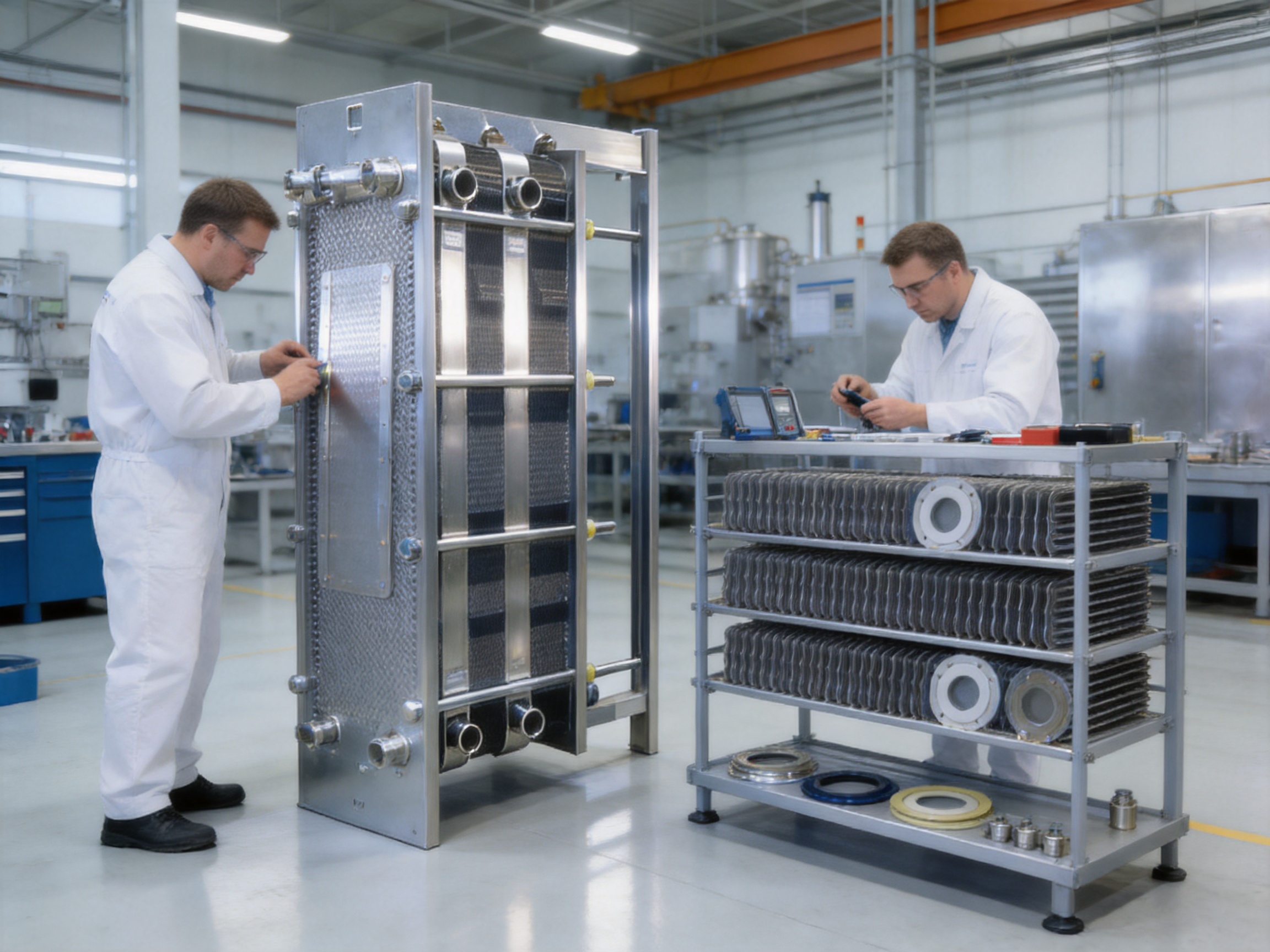
References
1. Manufacturer-provided technical information for sanitary plate heat exchangers, including construction, materials, operating features, applications, maintenance, and troubleshooting.
2. Manufacturer-provided company information concerning Shiloc (Shanghai) Industrial Trading Co., Ltd., its Shanghai facility, technical capabilities, engineering services, and quality management approach.
3. General principles of hygienic design for food and pharmaceutical process equipment.
4. General engineering practices for plate heat exchanger selection, thermal performance evaluation, pressure-drop control, and fouling prevention.
5. General maintenance practices for gasketed plate heat exchangers, including CIP cleaning, disassembly inspection, gasket replacement, and controlled startup.
Product: Sanitary Plate Heat Exchanger (PHE)
PREV:Sanitary DTS Heat Exchangers: Safe, Efficient, and Customizable Heat Transfer for Food and Biopharmaceutical Processing
NEXT:Plate Pasteurizer Complete Skid: Efficient, Hygienic, and Modular Thermal Processing
NEXT:Plate Pasteurizer Complete Skid: Efficient, Hygienic, and Modular Thermal Processing
Interested in cooperation or have questions?
Recommended LINS
✦
Food Processing Skid System
Aseptic Processing Equipment for Liquid Foods
Food and Beverage Process System
Plate Heat Exchanger Pasteurization System
UHT Processing System for Dairy Products
UHT Processing Equipment for Plant Based Milk
High Temperature Short Time Sterilizer
Milk Processing Heat Exchanger
CIP Skid System for Food Industry
Sanitary Process Skid
Let'S Work Together Welcome Aboard!
-

haikexin@haikexin.com
+8613391278930
-
 +86-21-57560276
-
 No. 2819, Sihu Road,Fengxian District, Shanghai, China
Join Our Mailing List
Copyright © Shiloc (Shanghai) Industrial Trading Co., Ltd. All Rights Reserved.
Process Systems & Equipment For Food & Biopharma Manufacturers
