
 English
 русский
 Português
 Français



 Read More

Product Category
NEW Category
Contact us
Contact Us
We specialise in the research, development and manufacture of electrical wires and cables.
 +86-21-57560276
Wound Tube Heat Exchangers for Efficient, Reliable Industrial Processing
Content
- 1 Understanding Wound Tube Heat Exchanger Technology
- 2 How Spiral Winding Improves Heat Transfer
- 3 Advantages Compared with Conventional Heat Exchangers
- 4 Materials and Construction
- 5 Manufacturing Quality and Engineering Strengths
- 6 Applications in Food and Beverage Processing
- 7 Applications in Biopharmaceutical Processing
- 8 Applications in Chemical and Fine Chemical Industries
- 9 Applications in HVAC and Energy Recovery
- 10 Process Design Considerations
- 11 Installation and Commissioning
- 12 Cleaning and Maintenance
- 13 Common Operating Problems and Solutions
- 14 Why Manufacturing Capability Matters
- 15 Customization Options
- 16 Energy Efficiency and Total Cost of Ownership
- 17 Selection Checklist for Buyers
- 18 Safety and Responsible Operation
- 19 Q&A: Wound Tube Heat Exchanger Technology
- 19.0.1 Q1: What is a wound tube heat exchanger?
- 19.0.2 Q2: What is the main advantage of the spiral tube arrangement?
- 19.0.3 Q3: Can this equipment be used for high-pressure applications?
- 19.0.4 Q4: Which stainless steel materials are commonly used?
- 19.0.5 Q5: Is the heat exchanger suitable for food and beverage production?
- 19.0.6 Q6: Can it be used in biopharmaceutical facilities?
- 19.0.7 Q7: How does the design help reduce fouling?
- 19.0.8 Q8: What cleaning methods are available?
- 19.0.9 Q9: What information should be provided when requesting a quotation?
- 19.0.10 Q10: What causes a reduction in outlet temperature performance?
- 19.0.11 Q11: What should be checked if a flange leaks?
- 19.0.12 Q12: Why choose an experienced manufacturer?
- 19.0.13 Q13: What strengths does Shiloc bring to this product?
- 19.0.14 Q14: Can the equipment be customized?
- 20 Conclusion
- 21 References
- 22 Product: Wound Tube Heat Exchanger
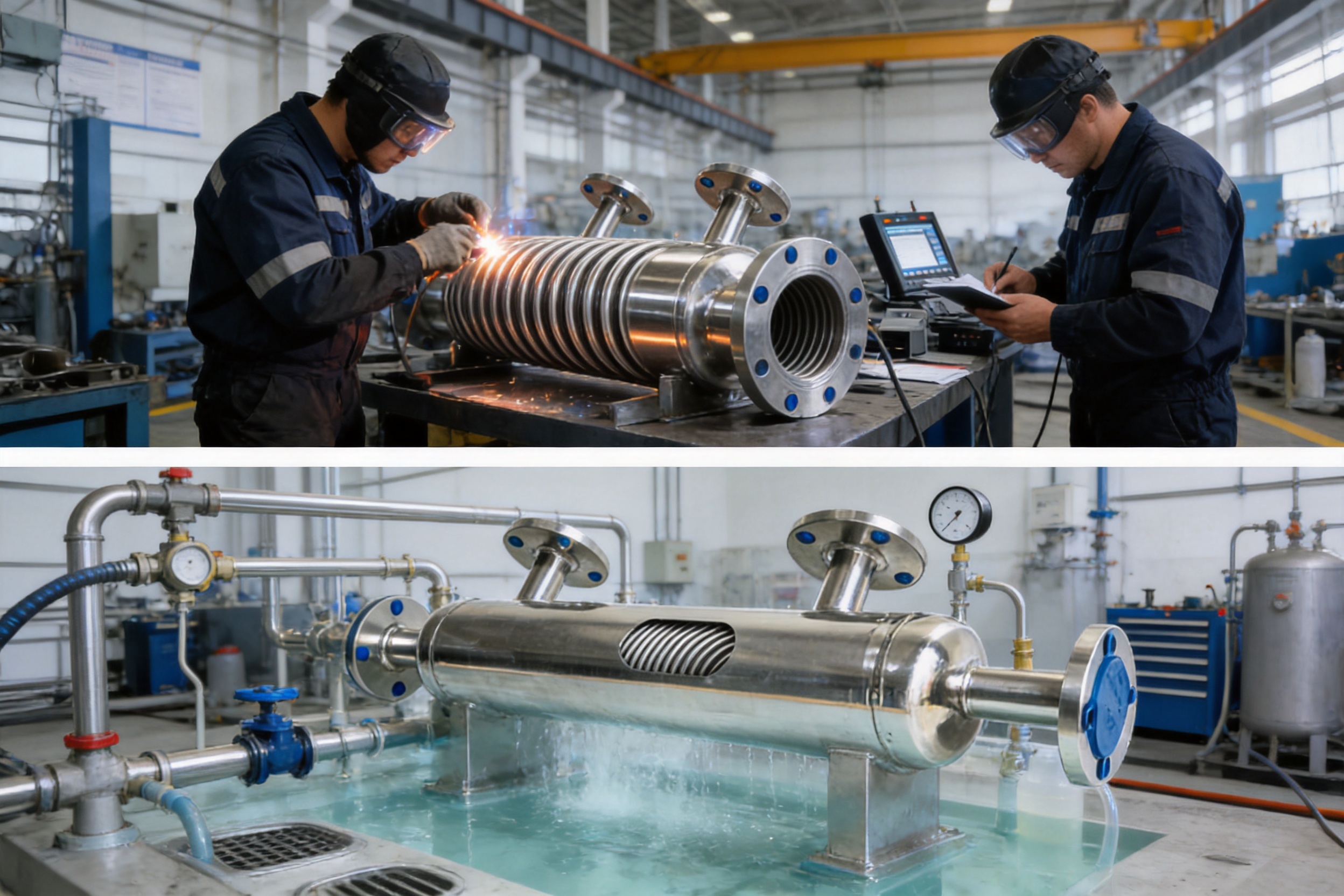
Modern food, beverage, biopharmaceutical, chemical, energy, and HVAC facilities require thermal equipment that can deliver stable performance under demanding operating conditions. Heating, cooling, condensation, sterilization, and heat recovery are often continuous processes. Any decline in heat transfer efficiency can increase energy consumption, reduce production capacity, affect product quality, and create costly downtime. For this reason, the selection of a suitable heat exchanger is an important engineering decision rather than a simple equipment purchase.
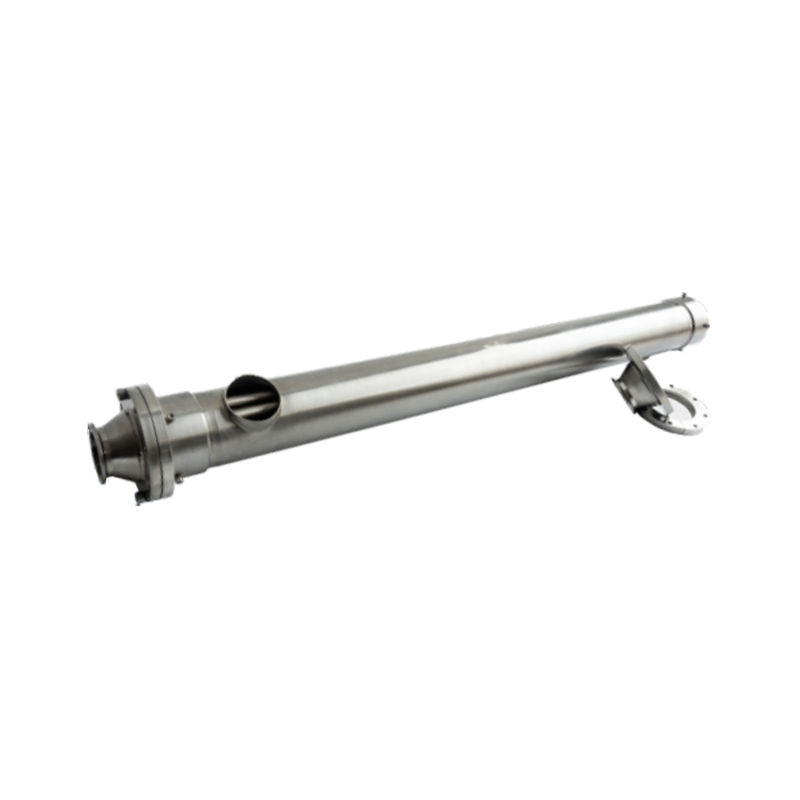
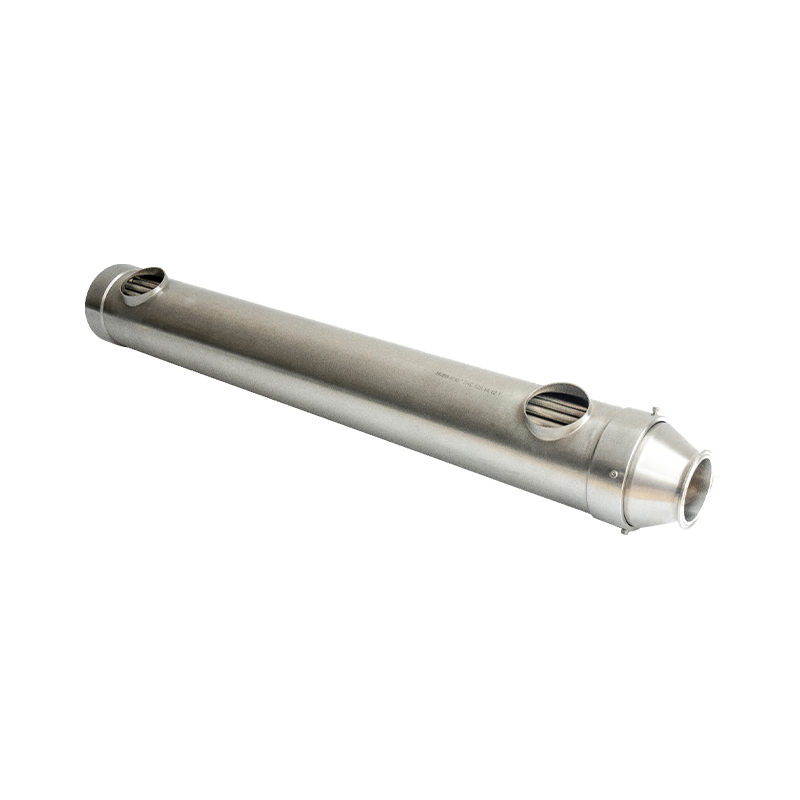
The Wound Tube Heat Exchanger is designed to address these requirements through a compact shell-and-tube configuration with heat exchange tubes spirally wound inside the shell. This arrangement creates an extended flow path and encourages turbulence on the media side. The resulting improvement in fluid movement increases heat transfer efficiency, reduces stagnant zones, and helps limit the accumulation of deposits on internal surfaces.
Compared with many conventional straight-tube heat exchangers, the wound tube design provides a high heat transfer area within a relatively compact volume. It is suitable for countercurrent operation, high-temperature service, high-pressure applications, and processes involving minor impurities. Stainless steel construction, flanged industrial connections, and support for online or chemical cleaning further expand its application range.
This article explains the operating principles, design advantages, manufacturing strengths, application value, maintenance requirements, and selection considerations associated with wound tube heat exchanger technology. It also introduces the engineering and manufacturing capabilities of Shiloc (Shanghai) Industrial Trading Co., Ltd., a Shanghai-based supplier serving food and beverage, biopharmaceutical, daily chemical, fine chemical, energy, and related processing industries.
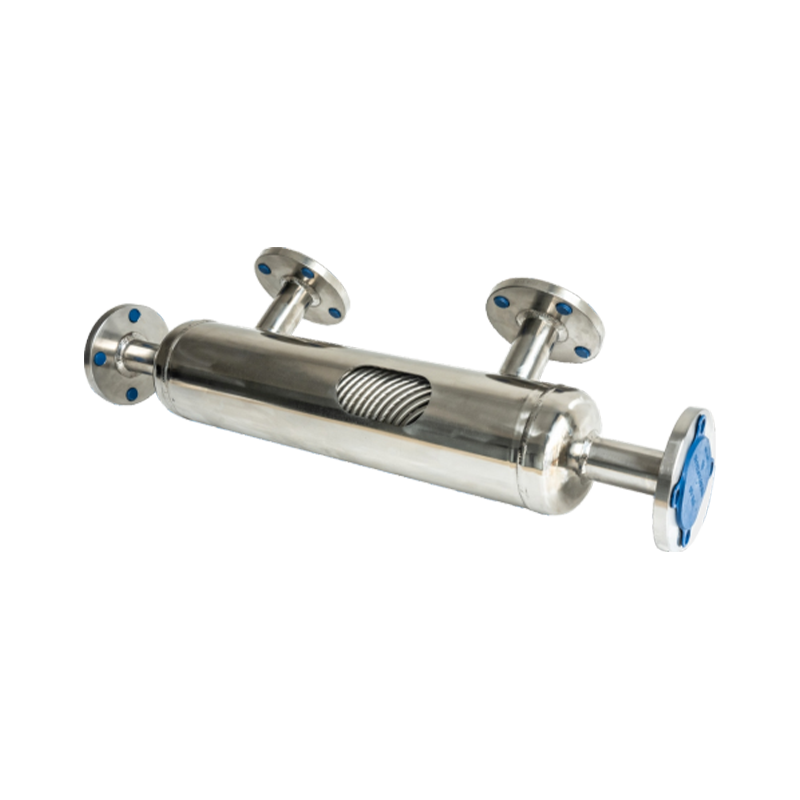
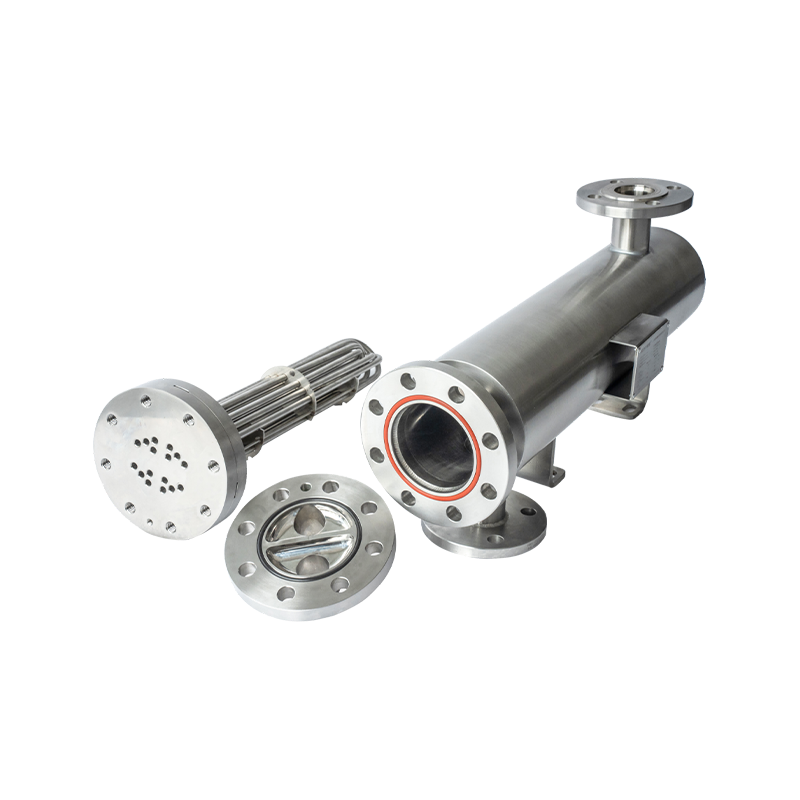
Wound Tube Heat Exchanger
Understanding Wound Tube Heat Exchanger Technology
A wound tube heat exchanger is a shell-and-tube heat transfer device in which one or more heat exchange tubes are arranged in a spiral or wound configuration inside an outer shell. One medium flows through the tubes while another medium flows through the shell side. Heat passes through the tube walls without the two media mixing directly.
The equipment can be configured for heating, cooling, condensation, heat recovery, and other thermal duties. Depending on the process, the tube side may carry water, steam, product, thermal oil, refrigerant, gas, or another process medium. The shell side may carry a second liquid, gas, vapor, or utility fluid. The exact arrangement is selected according to pressure, temperature, viscosity, cleanliness, corrosion resistance, flow rate, and hygienic requirements.
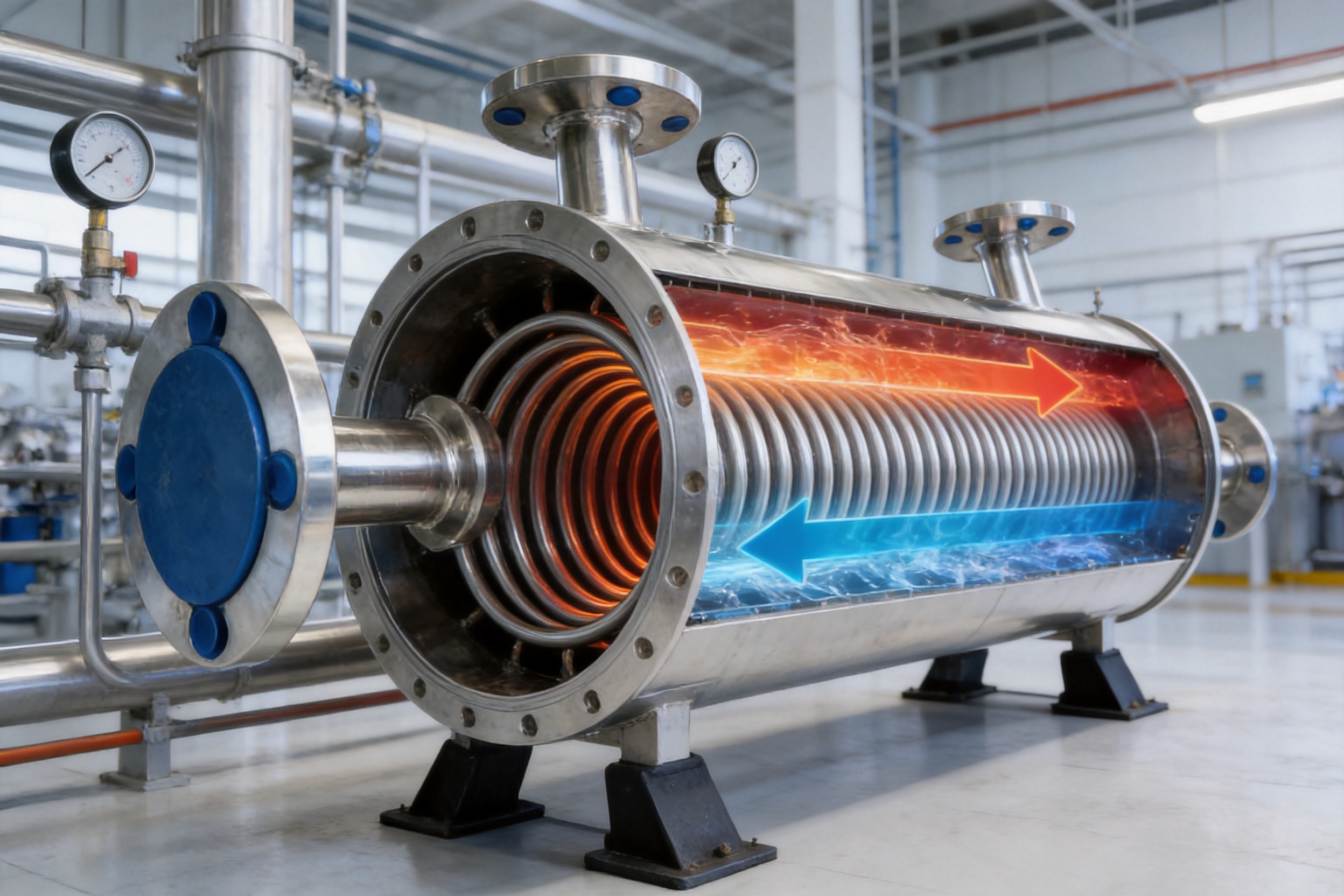
The spiral arrangement is the central feature of this technology. Instead of moving through a short, mostly straight path, the medium follows a longer path with directional changes created by the wound geometry. These changes improve mixing and increase turbulence. Turbulent flow reduces the thickness of the thermal boundary layer near the tube wall, allowing heat to move more efficiently between the two media.
In a countercurrent configuration, the hot medium generally enters from the opposite end to the cold medium. This arrangement maintains a useful temperature difference over much of the heat exchanger length. It can improve thermal recovery and help control the difference between the hot and cold outlet temperatures. Countercurrent operation is especially valuable where the process requires close temperature control or maximum energy recovery.
The shell-and-tube structure also separates the pressure boundaries of the two media. This makes the equipment suitable for applications in which the fluids operate at different pressures or where direct contact between the media is unacceptable. Proper material selection, welding, inspection, and pressure testing are essential to maintaining mechanical integrity.
How Spiral Winding Improves Heat Transfer
Heat transfer performance depends on several factors, including the available surface area, fluid velocity, thermal conductivity, temperature difference, flow regime, and condition of the heat transfer surfaces. The wound tube design influences several of these factors simultaneously.
First, spirally arranged tubes provide a large heat transfer area within a compact shell. A larger effective area allows the equipment to transfer more heat without requiring an excessively long or wide vessel. This is useful in factories where floor space is limited or where existing production lines must be upgraded without major building modifications.
Second, the spiral flow path encourages turbulence. Turbulence continuously renews the fluid layer next to the tube wall. This improves the movement of thermal energy from the bulk fluid to the wall and from the wall to the second medium. It can also reduce the formation of low-velocity pockets where deposits and fouling are more likely to develop.
Third, the geometry can support a more uniform distribution of the process medium. A well-designed flow path reduces the risk that some sections of the heat exchanger will be overused while other areas remain thermally inactive. More uniform flow helps the equipment maintain predictable performance during continuous operation.
Finally, the wound configuration can create a compact and mechanically stable assembly. The absence of unnecessary expansion joints in the stated design reduces the number of potential failure points. When correctly engineered for the application, the structure can offer good fatigue resistance and reliable service under repeated temperature and pressure changes.
Advantages Compared with Conventional Heat Exchangers
Traditional shell-and-tube heat exchangers remain widely used because of their familiarity, flexibility, and broad industrial applicability. However, conventional straight-tube configurations may require a larger installation area to achieve the same heat transfer duty. They may also experience lower turbulence in certain operating ranges, particularly when the medium has a relatively low flow rate or higher viscosity.
The wound tube heat exchanger provides several competitive advantages when the application is suitable for its design. These advantages should be evaluated together with process-specific calculations, because no single heat exchanger configuration is ideal for every duty.
Compact heat transfer capacity
The spiral arrangement places a substantial heat transfer area inside a relatively small shell volume. A compact unit can reduce the required equipment footprint and simplify the layout of process skids. It may also reduce the length of connecting piping, lower support structure requirements, and make installation easier in crowded production areas.
Improved turbulence and thermal performance
Spiral flow encourages mixing and reduces the development of stagnant areas. This can improve the heat transfer coefficient and help the unit reach the required outlet temperature with a smaller or more efficient thermal surface. Improved performance can lower utility consumption, especially in heating and cooling operations that run for many hours each day.
Reduced fouling tendency
Fouling occurs when unwanted material accumulates on heat transfer surfaces. It can be caused by crystallization, scaling, protein deposits, suspended solids, polymerization, corrosion products, or biological material. The enhanced flow movement associated with wound tubes can reduce the time that particles remain near the wall and slow the development of deposits.
This benefit does not mean that the equipment is immune to fouling. Media composition, temperature, velocity, surface finish, cleaning procedures, and operating discipline remain important. However, the spiral flow path can provide a valuable advantage in processes where moderate fouling is expected.
High-pressure and high-temperature suitability
The shell-and-tube structure separates the two media and provides a mechanically robust pressure boundary. Stainless steel shell and tube materials can be selected for demanding temperature and pressure conditions. The final pressure rating must be established through engineering calculations, applicable design codes, material certificates, weld inspection, and pressure testing.
Lower installation and operating space requirements
A smaller footprint can be important in food factories, pharmaceutical plants, chemical facilities, and utility rooms where available space is limited. Compact equipment may also allow a process line to be expanded without relocating major parts of the facility. Lower volume can reduce the quantity of fluid held inside the equipment, which may support faster response during startup, shutdown, and product changeover.
Reliable continuous operation
The wound tube design is intended for stable industrial service. The structure without unnecessary expansion joints can reduce mechanical complexity and minimize potential fatigue-related failure points. When combined with correct support, controlled startup, appropriate cleaning, and regular inspection, the equipment can support long operating cycles and reduced maintenance interruptions.
| Performance factor | Wound tube heat exchanger | Conventional straight-tube equipment | Potential process benefit |
| Flow pattern | Spiral and countercurrent flow options | Primarily straight-tube flow paths | Improved turbulence and temperature control |
| Heat transfer area | High area within a compact shell | May require greater length or volume | Reduced installation footprint |
| Fouling behavior | Flow movement can reduce deposition tendency | Performance may decline in low-velocity zones | Longer intervals between intensive cleaning |
| Pressure capability | Robust shell-and-tube pressure boundary | Depends on design and construction | Suitable for demanding process conditions |
| Maintenance | Online and chemical cleaning can be supported | Cleaning method varies by construction | More flexible maintenance planning |
| Typical applications | Heating, cooling, condensation, and recovery | Broad general-purpose heat exchange | Adaptation to specialized thermal duties |
Materials and Construction
Material selection is central to heat exchanger reliability. The shell and heat exchange tubes for this product are manufactured from stainless steel, commonly stainless steel 304 or 316L. The correct grade depends on the media, chloride concentration, acidity, temperature, cleaning chemicals, pressure, and required hygienic standard.
Stainless steel 304 is widely used for general food, beverage, utility, and industrial services where corrosion conditions are moderate. Stainless steel 316L contains molybdenum and generally provides improved resistance in environments involving chlorides, certain acids, and more demanding process chemicals. For biopharmaceutical and sanitary applications, low-carbon 316L is often preferred because it supports welding quality, corrosion resistance, and hygienic surface requirements.
The shell provides the external pressure boundary and directs the shell-side medium through the wound tube assembly. The internal tubes provide the second pressure boundary and form the primary heat transfer surface. The tube arrangement, shell diameter, tube dimensions, flow area, and connection design are selected according to the required thermal duty and mechanical conditions.
Flanged connections allow the heat exchanger to connect with standard industrial piping systems. Correct flange alignment is important because excessive pipe strain can transfer loads to the equipment nozzles and create leakage or mechanical stress. Gaskets must be selected for the operating temperature, pressure, media compatibility, and applicable sanitary requirements.
Where the process requires hygienic service, the internal surfaces may require controlled roughness, polished welds, drainability, and cleanability. Where the process is industrial rather than sanitary, the design may prioritize pressure rating, corrosion resistance, accessibility, and compatibility with chemical cleaning agents. The equipment configuration should therefore be customized rather than selected solely by nominal size.
Manufacturing Quality and Engineering Strengths
The performance of a wound tube heat exchanger depends not only on its concept but also on the quality of its manufacturing. Spiral geometry must be controlled accurately. Tube placement, spacing, welding, shell fabrication, flange alignment, surface treatment, and inspection all affect the final heat transfer and pressure performance.
Shiloc (Shanghai) Industrial Trading Co., Ltd. combines equipment manufacturing, engineering services, international trade, and technical support. The company was established in March 2026 in Fengxian District, Shanghai, and operates a production facility of approximately 3,000 square meters. Its technical team includes more than 20 specialists supporting equipment design, manufacturing coordination, process optimization, and quality management.
The company’s product development approach is based on European technical experience and Danish design concepts. This foundation emphasizes practical process engineering, safe equipment operation, efficient thermal management, hygienic construction where required, and attention to long-term serviceability. The company serves customers in food and beverage, biopharmaceutical, daily chemical, fine chemical, energy, and related industries.
Material traceability
Reliable equipment begins with controlled raw materials. Material traceability helps connect the stainless steel used in the shell, tubes, flanges, and other pressure-containing parts with corresponding inspection records. Traceability supports quality verification, customer documentation, future maintenance, and compliance with project requirements.
Professional welding
Welding is one of the most important manufacturing operations in a pressure-containing heat exchanger. Welding procedures must be appropriate for the selected stainless steel grade and the required service conditions. Heat input, joint preparation, shielding gas, filler material, penetration, distortion control, and post-weld treatment all influence the quality of the finished equipment.
For sanitary equipment, welds must also be finished in a manner that minimizes crevices, rough areas, and locations where product residue may accumulate. For industrial service, weld integrity and pressure resistance remain primary concerns, while surface treatment is selected according to the process medium and cleaning method.
Polishing and surface preparation
Proper polishing can improve cleanability and reduce the tendency of particles or product residues to adhere to internal surfaces. It also supports the appearance, corrosion resistance, and hygienic performance of stainless steel equipment. The required surface condition should be specified according to the application rather than assumed to be identical for every customer.
Dimensional and assembly control
The spiral tube assembly must be positioned correctly inside the shell. Dimensional control helps maintain the intended flow passages and prevents localized restrictions. Flange faces, nozzle orientation, support locations, and equipment overall dimensions must be checked before delivery so that the unit can be integrated into the customer’s piping and structural systems.
Inspection and quality management
Quality management may include visual inspection, dimensional verification, weld inspection, material review, pressure testing, leakage testing, surface inspection, and performance-related documentation. The exact inspection plan should reflect the product design, pressure class, process risk, customer specification, and applicable standards.
Shiloc maintains quality control systems covering manufacturing, environmental management, and safety management. These systems support consistent production, controlled documentation, and responsible manufacturing practices. The company’s internal capabilities in processing, welding, polishing, and quality control help reduce dependence on uncontrolled external production steps and improve delivery reliability.
Applications in Food and Beverage Processing
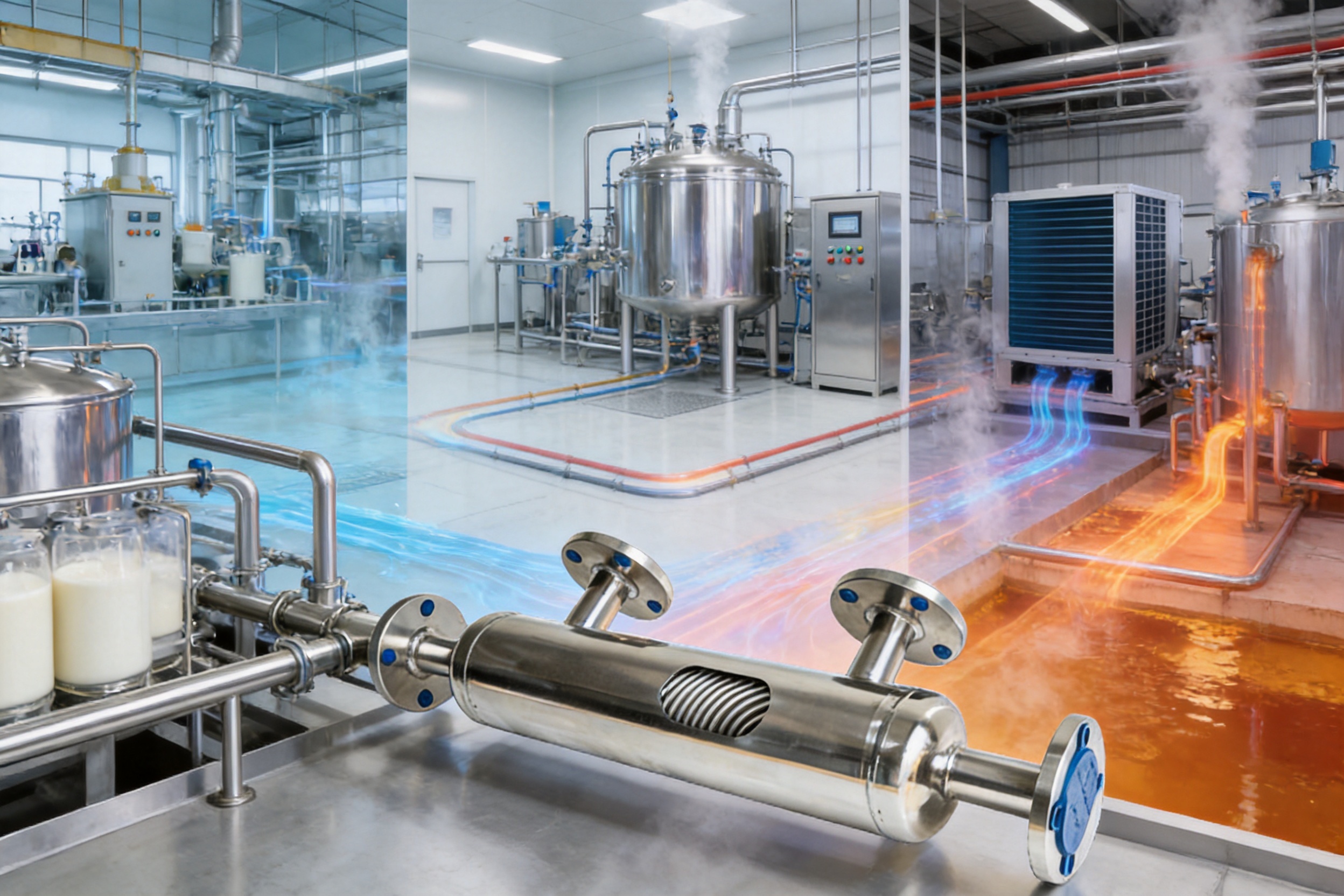
Food and beverage production requires efficient thermal processing while maintaining hygiene, product quality, and reliable cleaning procedures. Heat exchangers are used throughout dairy, beverage, brewing, liquid food, edible oil, and ingredient processing facilities.
In dairy applications, heat exchangers may be used for milk heating, pasteurization support, product cooling, hot water generation, and energy recovery. The equipment must be selected according to the product’s viscosity, protein content, tendency to burn or foul, and required cleaning-in-place procedure. Stable temperature control is essential because excessive heating can affect taste, color, nutritional properties, or product consistency.
In beverage production, the heat exchanger can support syrup heating, beverage cooling, hot water circulation, sterilization-related duties, and recovery of energy from warm process streams. Compact construction is especially useful where production lines contain many tanks, pumps, fillers, packaging machines, and utility systems within a limited area.
For food applications involving minor suspended impurities, the spiral flow path can help reduce localized deposition. Nevertheless, process filtration, correct flow velocity, controlled temperature, and regular cleaning remain necessary. Equipment should be designed so that cleaning chemicals can reach the relevant surfaces and drainage can be completed effectively during shutdown.
Stainless steel construction supports hygienic operation and resistance to many food-processing fluids. Where the product contacts the heat exchange surface, the material grade, surface finish, weld quality, gasket material, and cleaning validation requirements should be reviewed during the design stage.
Applications in Biopharmaceutical Processing
Biopharmaceutical manufacturing places strong emphasis on cleanliness, repeatability, material compatibility, documentation, and process control. Heat exchange equipment may be used for purified water systems, buffer preparation, media preparation, sterilization support, temperature conditioning, and controlled heating or cooling of process solutions.
In these applications, the heat exchanger must be evaluated not only for thermal capacity but also for cleanability, drainability, surface finish, dead-leg minimization, gasket compatibility, and the ability to withstand repeated cleaning or sanitization cycles. Stainless steel 316L may be selected when higher corrosion resistance and hygienic performance are required.
A wound tube heat exchanger can provide a compact solution where a facility requires a substantial thermal duty in a limited equipment area. The countercurrent arrangement can help achieve controlled outlet temperatures, while the separation of tube-side and shell-side media protects process fluids from direct contact with utilities.
Biopharmaceutical customers may also require detailed documentation, including material certificates, weld records, inspection reports, pressure test results, surface finish information, and equipment identification records. Early communication between the customer, process engineer, and manufacturer is essential to define these requirements before fabrication begins.
Applications in Chemical and Fine Chemical Industries
Chemical processing includes a wide range of heating, cooling, condensation, evaporation support, solvent recovery, reaction temperature control, and waste heat recovery duties. Process fluids may be corrosive, viscous, volatile, toxic, or sensitive to temperature variation.
The shell-and-tube pressure boundary is suitable for separating process media from utility media. The tube side can carry a chemical stream while the shell side carries cooling water, steam, thermal oil, or another controlled utility. Alternatively, the process arrangement can be reversed according to pressure, cleaning, and mechanical design considerations.
For condensation applications, the heat exchanger can remove latent heat from vapor and transfer it to a cooling medium. Condensation performance depends on vapor properties, non-condensable gases, pressure, temperature, drainage, and flow distribution. Correct nozzle orientation and condensate removal are important parts of the system design.
In chemical heat recovery, hot process streams can preheat incoming feed, generate hot water, or reduce the duty required from a boiler or heater. The compact wound structure can make it easier to integrate heat recovery into existing process lines. Energy recovery reduces utility demand and may also lower the cooling load on downstream systems.
Material compatibility must be analyzed carefully. Stainless steel is suitable for many industrial media, but not every chemical is compatible with 304 or 316L under every concentration and temperature. Customers should provide complete process data, including composition, impurities, pressure, temperature, flow rate, and cleaning chemicals, so the material selection can be verified.
Applications in HVAC and Energy Recovery
Heating, ventilation, and air-conditioning systems use heat exchangers for hot water production, chilled water systems, heat recovery, condenser duties, and industrial climate control. A compact wound tube unit can be integrated into central heating networks, factory utility systems, and waste heat recovery installations.
In central heating applications, the equipment can transfer heat from a primary hot water or thermal oil circuit to a secondary water circuit. In cooling applications, it can remove heat from process water or another circulating fluid. The countercurrent arrangement supports efficient temperature exchange and can reduce the required utility flow rate.
Industrial waste heat recovery is another important application. Warm exhaust gases, process liquids, condensate, and high-temperature media often contain recoverable energy. A wound tube heat exchanger can transfer this energy to incoming water, air, process feed, or another utility stream. Recovering heat can reduce fuel consumption, improve plant efficiency, and lower operating costs.
Energy recovery projects require careful evaluation of fouling, corrosion, temperature approach, flow stability, and pressure drop. The design should balance maximum heat recovery against practical pumping or compression energy. A heat exchanger that achieves high thermal performance but creates excessive pressure loss may not provide the best overall system result.
Process Design Considerations
Before selecting a wound tube heat exchanger, the customer should prepare a complete process data sheet. The most important information includes the media on both sides, inlet and outlet temperatures, operating and design pressures, flow rates, density, viscosity, specific heat, thermal conductivity, vapor pressure, fouling characteristics, and expected operating schedule.
The required heat duty is generally determined from the mass flow rate, specific heat, and temperature change for sensible heating or cooling. For phase-change duties such as condensation, latent heat and vapor quality must also be considered. The heat exchanger surface area is then selected using the overall heat transfer coefficient, the effective temperature difference, and an appropriate design margin.
Pressure drop must be considered at the same time as heat transfer. A smaller flow passage or higher velocity may improve turbulence and thermal performance, but it can also increase pumping power and operating cost. The final design should achieve an appropriate balance between heat transfer efficiency, pressure loss, cleaning requirements, and equipment size.
Media containing solids or minor impurities require special attention. The flow path should be designed to reduce deposition, while upstream filtration may be necessary. The customer should also define whether the equipment must tolerate occasional suspended particles, crystallizing compounds, fibrous material, or viscous product.
For temperature-sensitive products, the design should limit excessive wall temperature and avoid local overheating. A suitable utility temperature, controlled flow rate, and adequate product-side velocity can help protect product quality. For sterilization or pasteurization duties, accurate temperature measurement and control are essential.
Installation and Commissioning
Correct installation is necessary to achieve the performance expected from the equipment. The foundation or support structure must be strong enough for the operating weight, fluid weight, thermal loads, and connected piping loads. Supports should be positioned according to the equipment drawings and should not interfere with thermal expansion or maintenance access.
Piping should be aligned before the flanges are tightened. Forced alignment can place stress on the nozzles and shell. Flange faces should be clean and free of scratches, corrosion, oil, and foreign material. Gaskets must be centered correctly, and bolts should be tightened gradually in a diagonal sequence using the specified torque.
Instrumentation should be installed at suitable inlet and outlet locations. Temperature sensors, pressure gauges, differential pressure indicators, flow meters, control valves, safety devices, and drains should be accessible for operation and maintenance. Air vents and low-point drains can be important for startup, shutdown, and cleaning.
Before introducing the normal process medium, the system should be flushed to remove construction debris and foreign particles. Pressure testing and leakage checks should be completed in accordance with the approved procedure. During commissioning, pressure and temperature should be increased gradually rather than changed suddenly.
A controlled startup reduces the risk of thermal shock, gasket failure, water hammer, tube stress, and unstable flow. Operators should observe pressure drop, outlet temperature, vibration, noise, leakage, and control response during the initial operating period. Recorded baseline data can help identify future performance changes.
Cleaning and Maintenance
Regular maintenance helps preserve heat transfer efficiency and prolong equipment life. The inspection schedule should be based on the media, operating hours, temperature, pressure, fouling tendency, cleaning frequency, and consequences of failure.
Online cleaning may be suitable when the process and equipment configuration permit cleaning without complete removal from the production line. Chemical cleaning can dissolve or loosen scale, organic deposits, mineral deposits, and other fouling materials. The chemical solution must be compatible with stainless steel, welds, gaskets, and the process requirements.
Cleaning procedures should define the chemical concentration, temperature, circulation time, flow direction, rinse requirements, neutralization steps, and waste handling method. Incorrect chemicals or excessive concentrations may damage stainless steel or elastomeric components. Cleaning validation may be required in food or biopharmaceutical service.
Operators should monitor the difference between the inlet and outlet temperatures and compare actual performance with the original operating baseline. A gradual reduction in heat transfer duty may indicate fouling, reduced flow, incorrect valve position, air accumulation, utility temperature changes, or instrument error.
Flanged connections should be inspected for leakage, gasket aging, bolt loosening, flange corrosion, and surface damage. Vibration or unusual noise may indicate excessive flow, cavitation, loose supports, gas entrainment, or an unstable operating condition. These issues should be investigated before they cause more serious mechanical damage.
During a long shutdown, the media should be drained from the equipment when appropriate. Residual liquid can freeze in cold environments, promote corrosion, or create biological growth. The heat exchanger should be protected according to the material, storage period, ambient conditions, and customer preservation procedure.
Common Operating Problems and Solutions
Reduced outlet temperature performance
If the outlet temperature does not meet the design target, the first step is to confirm the accuracy of the temperature instruments. The operator should then check inlet temperatures, media flow rates, pressure drop, utility availability, control valve position, and the possibility of air or vapor locking.
Fouling on the tube or shell side is another common cause. Deposits act as an insulating layer and reduce the effective heat transfer coefficient. If fouling is confirmed, the equipment should be cleaned using an approved method. The cause of fouling should also be addressed through filtration, velocity adjustment, temperature control, or changes to the cleaning schedule.
Leakage at flanged connections
Leakage may result from an aged gasket, incorrect gasket positioning, damaged flange faces, uneven bolt tightening, excessive pipe strain, or pressure and temperature conditions outside the design range. The unit should be depressurized safely before inspection. Bolts should not be tightened while the equipment is operating under unsafe conditions.
When replacing a gasket, the flange faces should be cleaned and inspected. A gasket with the correct material, dimensions, pressure rating, and temperature range should be installed. Bolts should be tightened in a diagonal sequence and checked against the recommended torque.
Vibration and noise
Vibration or noise can occur when the flow rate exceeds the design range, when cavitation develops, when supports are loose, or when gas enters a liquid system. It may also indicate an issue with a pump, valve, or connected piping. The operator should compare actual flow and pressure with the approved operating conditions.
Continued vibration can damage supports, welds, flanges, instruments, and connected piping. Corrective action should be taken promptly rather than treating unusual noise as a normal operating characteristic.
Unexpected pressure drop
An increase in pressure drop may indicate fouling, blocked strainers, incorrect valve positions, partially closed isolation valves, or changes in media viscosity. Comparing pressure readings across the heat exchanger with the original baseline can help identify the timing and severity of the problem.
Why Manufacturing Capability Matters
Heat exchanger suppliers differ significantly in their ability to convert a general product concept into a dependable process solution. Manufacturing capability affects dimensional accuracy, weld reliability, surface quality, documentation, delivery consistency, and after-sales support.
Shiloc combines equipment manufacturing and engineering technical services with international trading experience. This combination allows the company to support customers from initial equipment selection through production, quality control, delivery, and application support. Customers can communicate process requirements to a technical team that understands both equipment construction and industrial procurement.
The company’s Shanghai facility provides capabilities covering processing, welding, polishing, and quality control. These capabilities are valuable for customers that require customized dimensions, special connection arrangements, specific surface finishes, or documented material control.
European technical experience and Danish design concepts contribute to an emphasis on efficient flow paths, compact equipment, safe operation, hygienic considerations, and practical maintenance. The goal is not simply to produce a pressure vessel, but to develop equipment that performs consistently within the customer’s complete process system.
More than 20 technical specialists support the company’s engineering and manufacturing activities. A technical team of this kind can help evaluate process conditions, clarify specifications, coordinate production details, review inspection requirements, and reduce communication gaps during a project.
The company also focuses on reliable supply and personalized customer service. For international customers, this includes coordination of product specifications, export documentation, packing, delivery, and communication across different project stages. These services can be particularly important when the heat exchanger is part of a larger production line or engineering project.
Customization Options
Each heat exchange duty has different requirements. Customization may involve shell dimensions, tube arrangement, heat transfer area, tube-side and shell-side flow direction, connection size, flange standard, pressure rating, material grade, surface finish, support design, instrumentation, insulation, and cleaning provisions.
For food and biopharmaceutical applications, customers may specify hygienic connections, polished internal surfaces, drainable geometry, compatible gaskets, and documentation for material and weld traceability. For chemical and energy applications, the focus may be on pressure resistance, corrosion compatibility, high-temperature service, thermal oil operation, or condensate management.
Some customers require the heat exchanger to fit into an existing skid or plant layout. In such cases, nozzle orientation, equipment height, maintenance clearance, lifting points, and support locations can be as important as thermal performance. Early review of the installation area helps prevent costly modifications after delivery.
Process automation can also be considered. Temperature sensors, pressure transmitters, differential pressure monitoring, control valves, bypass lines, and alarm functions may be integrated into the equipment package or specified for installation by the system integrator.
Energy Efficiency and Total Cost of Ownership
The purchase price is only one part of the economic evaluation. The total cost of ownership includes energy consumption, pumping or compression power, cleaning chemicals, maintenance labor, replacement parts, downtime, and expected service life.
The wound tube structure can contribute to energy efficiency by improving heat transfer within a compact volume. Better thermal performance may reduce the amount of steam, hot water, cooling water, or thermal oil required to achieve the process target. Heat recovery can further reduce utility demand by transferring energy from a warm waste stream to an incoming cold stream.
Compact equipment can reduce structural and installation costs. A smaller footprint may lower the need for building modifications, long piping runs, large support frames, and extensive insulation. Reduced fluid hold-up can also support faster startup and lower product or utility losses during changeover.
Lower fouling tendency can reduce the frequency of intensive cleaning and help maintain performance between cleaning cycles. However, the best economic result is achieved when the equipment design, operating conditions, cleaning method, and maintenance plan are developed together.
Reliable operation has an additional financial value. Avoiding unexpected shutdowns protects production schedules and reduces the risk of product loss. For continuous processes, stable thermal performance can be more valuable than a small difference in initial equipment price.
Selection Checklist for Buyers
Buyers should evaluate the following points before ordering a wound tube heat exchanger:
- Define the media on the tube side and shell side.
- Provide normal, minimum, and maximum flow rates.
- Specify inlet and required outlet temperatures.
- Provide operating and design pressures for both sides.
- Describe viscosity, density, specific heat, vapor pressure, and phase behavior.
- Identify corrosive components, suspended solids, and fouling risks.
- Confirm whether the application is sanitary, industrial, or both.
- Select stainless steel grades based on media and cleaning chemistry.
- Define flange standards, connection sizes, and nozzle orientation.
- Review allowable pressure drop and available utility conditions.
- Specify cleaning, sterilization, and drainage requirements.
- Confirm inspection, documentation, testing, and certification needs.
- Check installation space, support requirements, lifting access, and maintenance clearance.
- Establish the expected operating schedule and maintenance strategy.
Providing complete information at the beginning of the project helps the manufacturer calculate the required thermal area and select a suitable configuration. It also reduces the risk of later changes caused by incomplete process data.
Safety and Responsible Operation
Heat exchangers operating at elevated pressure or temperature must be treated as critical process equipment. Operators should be trained in startup, shutdown, isolation, depressurization, cleaning, and emergency response. Safety valves, pressure relief systems, temperature controls, and protective devices should be selected and installed according to the system design.
Before maintenance, both sides of the heat exchanger should be isolated, depressurized, drained, and cooled to a safe condition. If the media is hazardous, additional flushing, gas testing, personal protective equipment, and permit procedures may be necessary.
Operators should never exceed the specified pressure, temperature, flow, or chemical compatibility limits. Sudden changes in operating conditions can create thermal stress, pressure shock, gasket failure, or unstable flow. Gradual changes are safer and generally better for equipment life.
Responsible operation also includes proper handling of cleaning chemicals and contaminated drainage. Environmental and safety procedures should be followed for storage, circulation, neutralization, discharge, and disposal.
Q&A: Wound Tube Heat Exchanger Technology
Q1: What is a wound tube heat exchanger?
A wound tube heat exchanger is a shell-and-tube device with heat exchange tubes arranged in a spiral configuration inside the shell. One medium flows through the tubes and another flows around them on the shell side. Heat passes through the tube walls, allowing heating, cooling, condensation, or heat recovery without direct mixing of the two media.
Q2: What is the main advantage of the spiral tube arrangement?
The spiral arrangement creates a longer and more dynamic flow path. It increases turbulence, improves fluid mixing, expands the effective heat transfer area, and reduces stagnant zones. These characteristics can improve thermal efficiency and help limit fouling compared with some conventional straight-tube designs.
Q3: Can this equipment be used for high-pressure applications?
It can be designed for high-pressure service when the shell, tubes, flanges, welds, materials, and safety systems are selected for the required design conditions. The actual pressure rating must be confirmed through engineering calculations, applicable codes, inspection, and pressure testing.
Q4: Which stainless steel materials are commonly used?
Stainless steel 304 and 316L are common choices. Stainless steel 304 is suitable for many general industrial and food applications. Stainless steel 316L may be preferred where chloride exposure, corrosion resistance, hygienic requirements, or more demanding cleaning conditions are involved. Material selection should always be based on the actual media and operating environment.
Q5: Is the heat exchanger suitable for food and beverage production?
Yes, the equipment can be used for heating, cooling, sterilization-related duties, beverage processing, dairy operations, hot water generation, and heat recovery. Food applications require appropriate materials, surface finishes, gaskets, weld quality, cleanability, and cleaning procedures.
Q6: Can it be used in biopharmaceutical facilities?
It can be considered for purified water, buffer, media, temperature conditioning, sterilization support, and other thermal duties when the configuration meets the facility’s hygienic and documentation requirements. Surface finish, drainability, cleanability, gasket compatibility, and material traceability should be defined during the design stage.
Q7: How does the design help reduce fouling?
Spiral flow increases fluid movement near the heat transfer surfaces and reduces low-velocity areas where deposits may form. This can slow fouling development. It does not eliminate fouling, so filtration, proper flow control, appropriate temperature management, and regular cleaning remain necessary.
Q8: What cleaning methods are available?
Depending on the process and equipment configuration, online cleaning and chemical cleaning may be used. The cleaning procedure must be compatible with the stainless steel, welds, gaskets, process media, and environmental requirements. Cleaning concentration, temperature, circulation time, rinsing, and waste treatment should be controlled.
Q9: What information should be provided when requesting a quotation?
Customers should provide media names and properties, flow rates, inlet and outlet temperatures, operating and design pressures, phase information, fouling characteristics, utility conditions, required materials, connection standards, cleaning requirements, installation limitations, and documentation expectations.
Q10: What causes a reduction in outlet temperature performance?
Possible causes include fouling, insufficient flow, incorrect utility temperature, air or vapor accumulation, instrument errors, incorrect valve positions, excessive pressure drop, or operation outside the original design range. Comparing current data with commissioning records can help identify the cause.
Q11: What should be checked if a flange leaks?
The equipment should first be placed in a safe, depressurized condition. Inspect the gasket, flange faces, bolt condition, tightening pattern, pipe alignment, and signs of corrosion or mechanical strain. A damaged gasket should be replaced with a compatible product, and bolts should be tightened evenly to the specified torque.
Q12: Why choose an experienced manufacturer?
An experienced manufacturer can assist with thermal selection, material compatibility, tube arrangement, welding, polishing, inspection, testing, documentation, and delivery coordination. Manufacturing capability directly affects equipment reliability, cleanability, service life, and integration into the customer’s process.
Q13: What strengths does Shiloc bring to this product?
Shiloc combines European technical experience, Danish design concepts, Shanghai manufacturing capability, engineering support, international trade services, material control, professional welding, polishing, and quality management. Its technical team supports customers in food and beverage, biopharmaceutical, chemical, daily chemical, fine chemical, HVAC, and energy applications.
Q14: Can the equipment be customized?
Yes. Customization may include heat transfer area, shell and tube dimensions, materials, connection standards, nozzle orientation, pressure rating, surface finish, support structure, cleaning provisions, insulation, instrumentation, and documentation. The final configuration should be developed from complete process and installation information.
Conclusion
The Wound Tube Heat Exchanger provides a practical solution for industrial processes that require efficient, compact, and reliable thermal management. Its spirally arranged tubes improve turbulence, create a high heat transfer area within a limited volume, reduce stagnant flow regions, and support countercurrent heat exchange. These characteristics make the technology suitable for heating, cooling, condensation, sterilization support, and heat recovery.
Compared with many conventional straight-tube configurations, the wound tube design can offer advantages in footprint, heat transfer efficiency, fouling control, pressure adaptation, and continuous operation. Its value is particularly clear in food and beverage plants, biopharmaceutical facilities, chemical production lines, HVAC systems, and energy recovery projects where equipment reliability and operating cost are important.
Performance ultimately depends on correct engineering. Media properties, temperature and pressure conditions, flow rates, material compatibility, cleaning requirements, pressure drop, installation limitations, and inspection expectations must all be considered. A properly selected and manufactured unit can provide stable outlet temperatures, lower utility consumption, easier maintenance planning, and dependable service over an extended operating life.
Shiloc (Shanghai) Industrial Trading Co., Ltd. supports this process through manufacturing and engineering capabilities based in Shanghai. Its approximately 3,000-square-meter facility, team of more than 20 technical specialists, European technical experience, Danish design concepts, professional welding, polishing, material control, quality management, and international trade support allow it to provide customized thermal equipment for global industrial customers.
For organizations seeking a compact and energy-efficient heat exchange solution, wound tube technology offers a strong combination of thermal performance, mechanical stability, maintainability, and application flexibility.
References
1. TEMA Standards, Standards of the Tubular Exchanger Manufacturers Association.
2. ASME Boiler and Pressure Vessel Code, Section VIII, Rules for Construction of Pressure Vessels.
3. Perry’s Chemical Engineers’ Handbook, sections on heat transfer and heat exchanger design.
4. Coulson and Richardson’s Chemical Engineering, Volume 1, Fluid Flow, Heat Transfer, and Mass Transfer.
5. Fundamentals of Heat Exchanger Design, principles of thermal analysis, flow arrangement, and pressure drop evaluation.
6. Hygienic Design Principles for Food and Biopharmaceutical Processing Equipment.
7. Stainless Steel Materials and Corrosion Resistance in Process Equipment Applications.
8. Industrial Energy Recovery Practices for Heating, Cooling, and Waste Heat Utilization.
Product: Wound Tube Heat Exchanger
PREV:Sanitary Capillary Heat Exchangers for Food and Biopharmaceutical Process Systems
NEXT:Ultra-High Temperature Tube Pasteurizer for Safe, Efficient Food and Biopharmaceutical Processing
NEXT:Ultra-High Temperature Tube Pasteurizer for Safe, Efficient Food and Biopharmaceutical Processing
Interested in cooperation or have questions?
Recommended LINS
✦
Milk Processing Heat Exchanger
Aseptic Processing Equipment for Liquid Foods
Industrial Liquid Food Sterilization Equipment
UHT Processing Equipment for Plant Based Milk
UHT Processing System for Dairy Products
Food Processing Skid System
Automatic UHT Sterilizer for Milk
Plate Heat Exchanger Pasteurization System
Aseptic Beverage Processing Line
Aseptic Milk Processing Equipment
Let'S Work Together Welcome Aboard!
-

haikexin@haikexin.com
+8613391278930
-
 +86-21-57560276
-
 No. 2819, Sihu Road,Fengxian District, Shanghai, China
Join Our Mailing List
Copyright © Shiloc (Shanghai) Industrial Trading Co., Ltd. All Rights Reserved.
Process Systems & Equipment For Food & Biopharma Manufacturers
