
 English
 русский
 Português
 Français



 Read More

Product Category
NEW Category
Contact us
Contact Us
We specialise in the research, development and manufacture of electrical wires and cables.
 +86-21-57560276
Sanitary Capillary Heat Exchangers for Food and Biopharmaceutical Process Systems
Content
- 1 What Is a Sanitary Capillary Heat Exchanger?
- 2 Why Sanitary Heat Transfer Matters in Modern Processing
- 3 Operating Principle and Flow Arrangement
- 4 Key Advantages Over Conventional Alternatives
- 5 Hygienic Design Features
- 6 Manufacturing Process and Engineering Strengths
- 7 Representative Technical Data
- 8 Model and Dimension References
- 9 Applications in Food and Beverage Production
- 10 Applications in Pharmaceutical and Biopharmaceutical Processing
- 11 How to Select the Right Sanitary Capillary Heat Exchanger
- 12 Installation and Commissioning Guidance
- 13 Cleaning, Maintenance, and Troubleshooting
- 14 Quality and Supply Advantages of Shiloc
- 15 Comparing the Sanitary Capillary Design with Other Heat Exchanger Types
- 16 Frequently Asked Questions
- 16.1 What industries use sanitary capillary heat exchangers?
- 16.2 What is the main advantage of a capillary tube bundle?
- 16.3 Is 316L stainless steel suitable for pharmaceutical service?
- 16.4 Can the exchanger be cleaned by CIP?
- 16.5 Are quick-clamp connections reliable?
- 16.6 What information is needed for a quotation?
- 16.7 Can the equipment be customized?
- 16.8 Can it handle viscous or particle-containing products?
- 16.9 What should be checked if the outlet temperature is incorrect?
- 16.10 How does Shiloc support overseas customers?
- 17 Conclusion
- 18 References
- 19 Product: Sanitary Capillary Heat Exchanger
Food, beverage, pharmaceutical, and bioprocess manufacturers require heat transfer equipment that can deliver accurate temperature control without compromising hygiene, product quality, or production continuity. In these industries, a heat exchanger is not simply a device for transferring energy between hot and cold fluids. It is also part of the sanitary process boundary. Its internal geometry, materials, surface finish, connections, cleanability, pressure resistance, and maintenance requirements can directly affect contamination risk, operating cost, and regulatory performance.
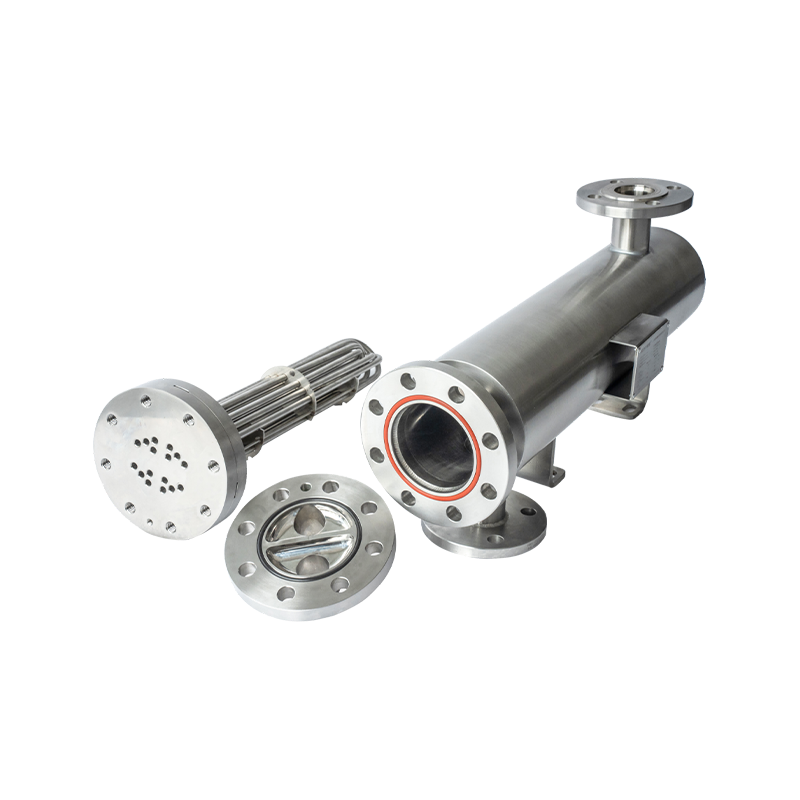
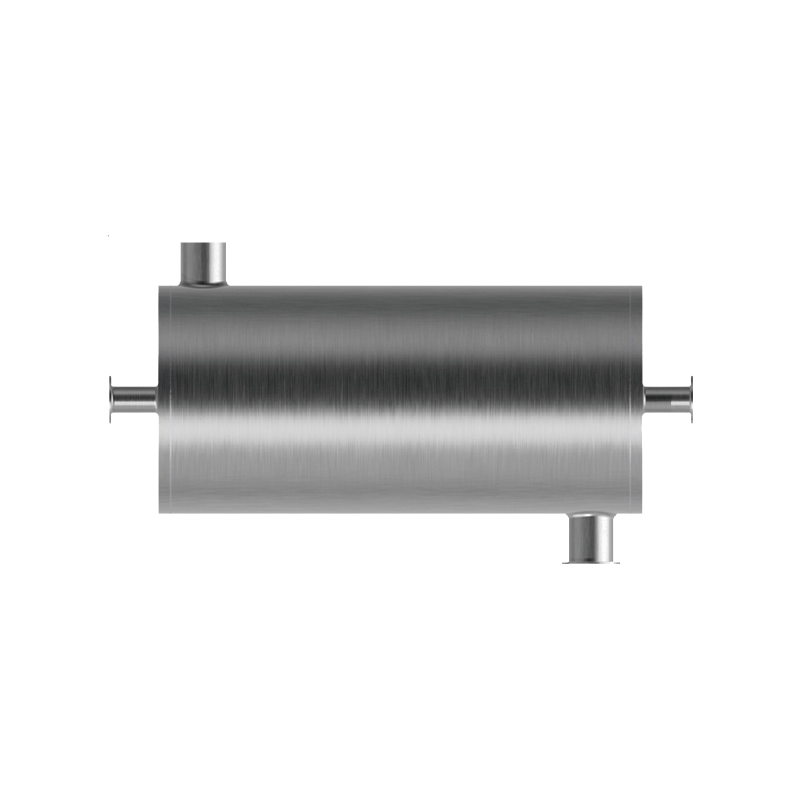
The Sanitary Capillary Heat Exchanger is designed for these demanding conditions. It combines a compact capillary tube bundle with a shell-side flow path to provide efficient heat transfer in a relatively small footprint. The use of fine tubes increases the available heat exchange area per unit volume, while the sanitary construction supports clean-in-place procedures and disassembly cleaning. The equipment is suitable for low-flow and high-precision applications involving pharmaceutical liquids, injection water, process water, low-viscosity food products, beverages, biological preparations, steam, and other compatible heat transfer media.
Compared with conventional heat exchangers that may contain larger stagnant zones, more difficult-to-clean geometries, or excessive installation space, a properly designed sanitary capillary unit offers a combination of compactness, responsiveness, hygienic construction, and process flexibility. Its value is especially clear in small-scale aseptic systems, laboratory and pilot plants, solution preparation systems, and production lines where a stable outlet temperature must be maintained under low flow conditions.
This article explains the structure, operating principle, hygienic advantages, manufacturing process, material selection, applications, specification considerations, installation requirements, cleaning methods, maintenance practices, and selection criteria for sanitary capillary heat exchangers. It also describes how Shiloc (Shanghai) Industrial Trading Co., Ltd. supports customers with process equipment, customized engineering coordination, manufacturing resource integration, and international supply services.
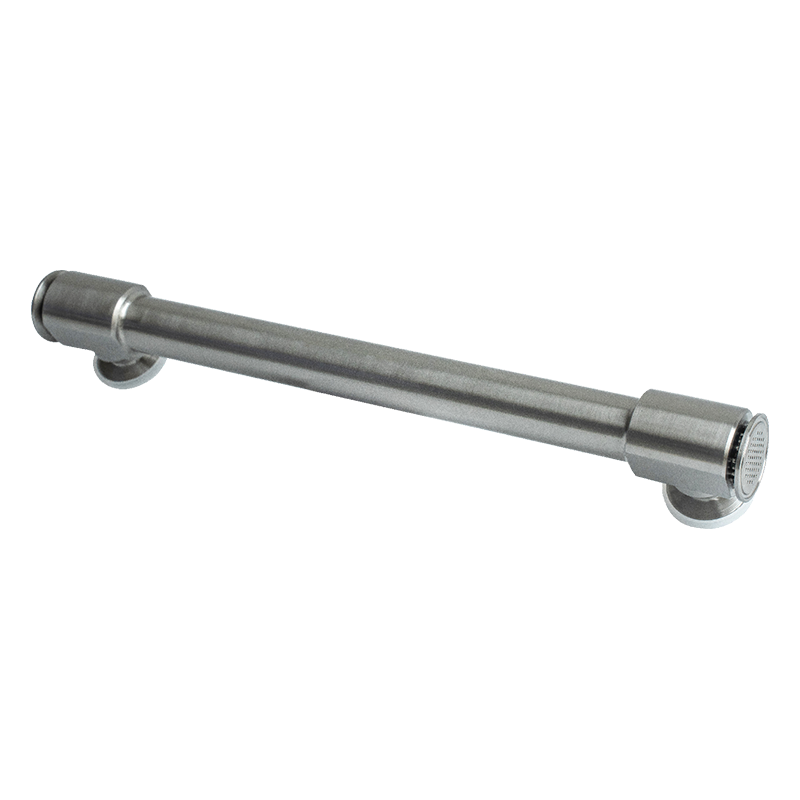
Sanitary Capillary Heat Exchanger
What Is a Sanitary Capillary Heat Exchanger?
A sanitary capillary heat exchanger is a heat transfer device engineered for hygienic production environments. It transfers thermal energy between two media without allowing them to mix. One medium flows through a bundle of small-diameter capillary tubes, while the other flows on the shell side around the tube bundle. Heat passes through the tube walls from the hotter medium to the colder medium.
The capillary tube bundle is the defining feature of the equipment. Because many small tubes are installed within a compact body, the exchanger can achieve a relatively large heat transfer area without requiring the overall length or floor space associated with some larger conventional designs. The small flow channels also provide a fast thermal response, which is valuable when a process requires precise heating or cooling of a limited quantity of fluid.
Sanitary design principles are applied to the product-contact surfaces, connection points, internal flow paths, and cleaning procedures. Typical product-contact construction uses 316L stainless steel, a material widely used in food, pharmaceutical, and bioprocess equipment because of its corrosion resistance, durability, and suitability for high-purity service. Depending on process conditions, alternative alloys such as Hastelloy or Inconel may also be considered.
The exchanger can be configured for countercurrent flow. In a countercurrent arrangement, the hot and cold media travel in opposite directions, creating a favorable temperature gradient along the equipment. This configuration can improve thermal efficiency and help achieve the required outlet temperature with a compact heat transfer area.
Both ends can be fitted with sanitary connections, including quick-clamp or sanitary flange arrangements, depending on the project specification. These connections simplify installation, removal, inspection, and cleaning. The equipment may also be integrated into small-scale aseptic skids, laboratory systems, process water loops, formulation lines, and food production equipment.
Why Sanitary Heat Transfer Matters in Modern Processing
In food and biopharmaceutical production, heat transfer performance and hygienic performance are inseparable. A unit that reaches the target temperature but is difficult to clean may create a serious operational problem. Residual product, microorganisms, cleaning chemicals, or previous batch material can remain in poorly designed areas and compromise subsequent production.
Temperature control itself can also influence product safety and quality. In food and beverage processing, insufficient heating may affect pasteurization performance, while excessive heating can damage flavor, color, texture, or nutritional value. In pharmaceutical and biopharmaceutical production, temperature variation may affect active ingredients, protein stability, biological preparations, or solution quality.
For these reasons, process engineers generally evaluate several characteristics at the same time:
• The required heating or cooling duty.
• The physical and chemical properties of the process media.
• The allowable pressure and temperature range.
• The required surface finish and material grade.
• The ability to perform CIP and disassembly cleaning.
• The possibility of complete drainage and inspection.
• The risk of cross-contamination between batches.
• The space available for installation and maintenance.
• The ability to control low and variable flow rates.
• The supplier’s manufacturing, quality, documentation, and service capabilities.
A sanitary capillary heat exchanger addresses these requirements through a compact tube bundle, carefully controlled internal surfaces, sanitary connections, and a structure intended to minimize unnecessary retention areas. It is not a universal replacement for every type of heat exchanger, but it is particularly advantageous where hygiene, compactness, low flow, and accurate temperature control are priorities.
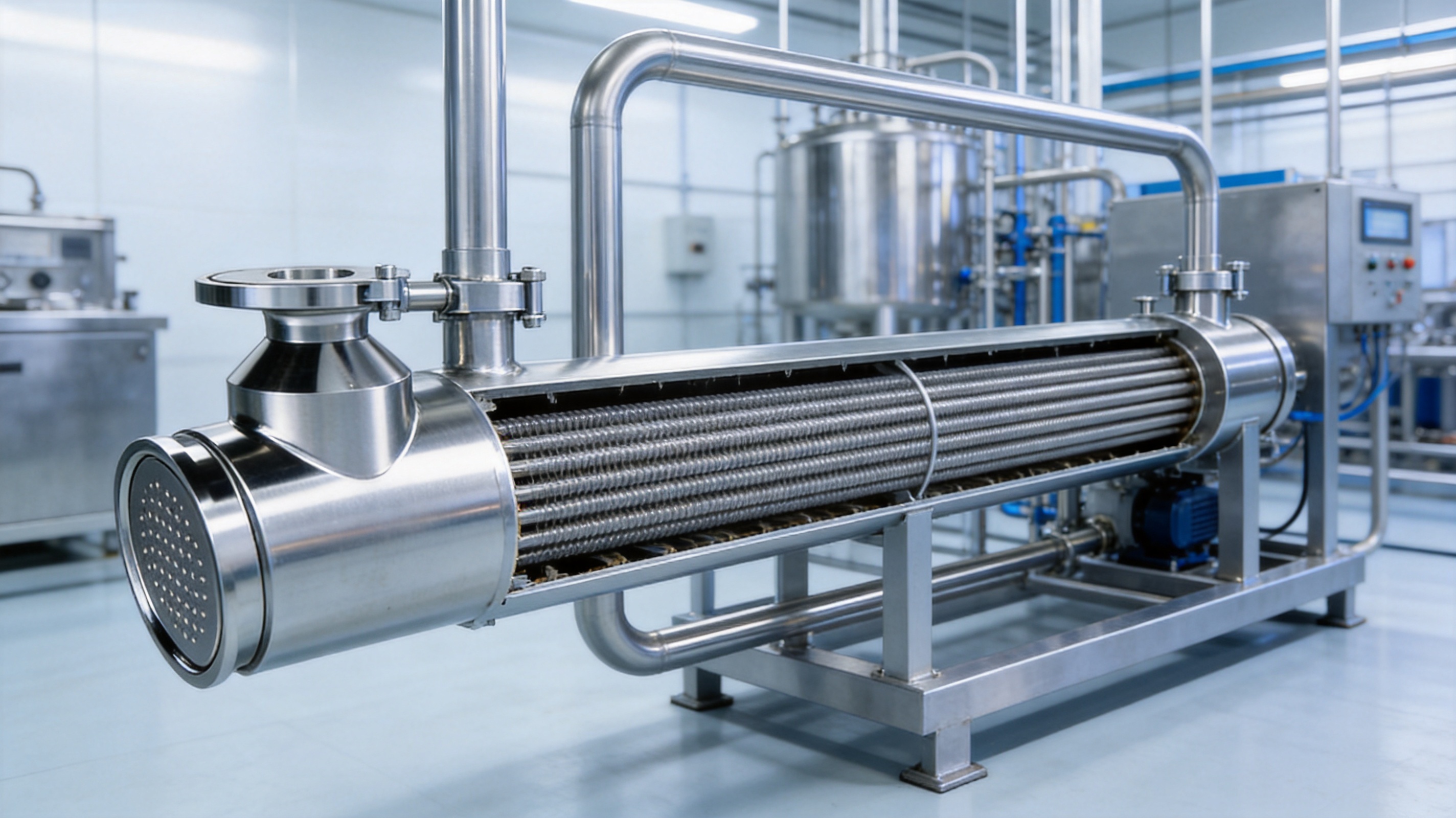
Operating Principle and Flow Arrangement
The operating principle is based on indirect heat transfer. The process fluid and the utility or secondary fluid remain physically separated by the capillary tube walls. Depending on the application, the product may flow through the tube side while hot water, chilled water, steam, or another heat transfer medium passes through the shell side. In other applications, the flow assignment may be reversed after evaluating pressure, viscosity, cleanability, and safety requirements.
When heating a process liquid, a hot utility transfers energy through the tube walls into the product stream. When cooling, the process liquid releases heat to chilled water, cooling water, glycol, or another approved cooling medium. Steam may be used as a heating medium where the design pressure, temperature, condensate management, and process requirements are suitable.
Countercurrent operation is generally preferred when the design permits it. The hottest portion of the heating medium contacts the hottest portion of the process stream, while the cooler portion of the heating medium contacts the cooler incoming process stream. This arrangement can provide a more uniform temperature profile and improve the approach to the target outlet temperature.
Small capillary channels provide a high surface-area-to-volume ratio. This allows the exchanger to transfer heat efficiently within a compact body. However, the tube diameter and flow velocity must be selected carefully. If the channels are too small for the product characteristics, pressure drop and fouling risk may increase. If the flow is too low, the heat transfer coefficient may fall and temperature distribution may become less uniform. Proper sizing must therefore consider flow rate, viscosity, density, specific heat, thermal conductivity, fouling tendency, pressure limitations, and required temperature change.
The equipment is especially useful for low-flow services because a compact tube bundle can provide a controlled thermal environment without requiring a large vessel or oversized heat exchanger. This makes it suitable for laboratory-scale and pilot-scale trials, high-value pharmaceutical liquids, injection water cooling, process water temperature regulation, and small-batch beverage production.
Key Advantages Over Conventional Alternatives
High Heat Transfer Area in a Compact Form
The capillary tube bundle creates a large heat exchange area within a slim structure. This is useful where production space is limited or where the heat exchanger must be installed inside a compact skid. A smaller footprint can simplify plant layout, reduce support structure requirements, and shorten piping routes.
Compactness does not mean that process performance should be sacrificed. When correctly designed, the exchanger provides an efficient thermal path and a rapid response to changes in inlet temperature or flow. This is valuable for systems that cannot tolerate prolonged temperature transitions.
Suitability for Low-Flow and Precision Applications
Many conventional heat exchangers are most efficient at moderate or high flow rates. A small process line, laboratory system, or pharmaceutical formulation circuit may not provide enough flow to use a large unit efficiently. The sanitary capillary design is adapted to low-flow service and can help maintain closer temperature control in these applications.
Low-flow compatibility is particularly important for high-value products, where the process volume is limited and the cost of product loss is high. It is also useful for injection water and process water loops that require stable temperature control but do not require a large circulation capacity.
Hygienic Flow Paths
Sanitary equipment must reduce areas where product can remain after the process or cleaning cycle. The sanitary capillary heat exchanger uses a dead-leg-free or reduced-dead-leg flow path concept to limit unnecessary stagnation zones. Smooth internal surfaces help reduce the adhesion of product residues, while appropriate routing supports drainage and cleaning.
Hygienic design does not eliminate the need for a validated cleaning procedure. Instead, it provides a better physical foundation for effective cleaning and inspection. The final result depends on equipment design, installation orientation, flow velocity, cleaning chemistry, cleaning temperature, cleaning time, and the characteristics of the process material.
Easy Connection and Removal
Sanitary quick-clamp connections can reduce installation time and simplify maintenance. When the exchanger must be inspected or cleaned outside the line, the connections allow it to be removed without extensive cutting or welding of process piping. Correct alignment of the ferrules, gaskets, and clamps remains essential to prevent leakage.
For applications requiring a more permanent or specialized connection arrangement, sanitary flange connections may be specified. The appropriate fitting type depends on the piping standard, pressure class, cleaning method, maintenance plan, and customer preference.
Material and Surface Finish Options
316L stainless steel is the standard contact material for many food, pharmaceutical, and bioprocess applications. Electropolishing and controlled polishing can improve surface smoothness and reduce the tendency of material to adhere to the wall. A stated surface roughness of Ra ≤ 0.4 micrometers may be available for appropriate configurations, subject to the final manufacturing and inspection documentation.
Where the process contains aggressive chemicals or operates under severe thermal conditions, higher-alloy materials may be evaluated. Hastelloy, Inconel, and other alloys can provide additional resistance in specific environments. Material selection must be based on the complete chemistry, temperature, pressure, cleaning agents, and expected service life rather than on a single medium name.
Flexible Application Range
The equipment can be used for heating, cooling, sterilization-related heat exchange, temperature holding, and process utility duties. Suitable applications include low-viscosity liquids, pharmaceutical solutions, purified water, injection water, process water, steam, dairy products, beverages, biological preparations, and selected chemical streams.
The suitability of any specific medium must be verified before ordering. Suspended solids, high viscosity, crystallization, fibrous material, or aggressive chemistry may require a different tube geometry, a larger passage, a special alloy, or another heat exchanger design.
Hygienic Design Features
316L Stainless Steel Construction
316L stainless steel is widely selected for sanitary process equipment because its molybdenum content improves resistance to many chloride-containing and chemically demanding environments compared with common austenitic stainless steels. The low-carbon grade also supports welding applications and helps reduce the risk of sensitization when proper welding procedures are followed.
In a sanitary heat exchanger, material quality is only one part of the hygienic design. Welding quality, surface treatment, internal cleanliness, gasket compatibility, passivation, drainage, and documentation are equally important. A high-quality 316L tube with poor welds or an unsuitable gasket does not constitute a complete sanitary solution.
Low-Retention Internal Geometry
Internal passages should be designed to minimize stagnant zones and promote the removal of process material during draining and cleaning. Dead-leg-free design principles are especially important in pharmaceutical and biopharmaceutical service, where even a small retained volume can increase contamination risk.
During project review, users should ask for information about tube-side and shell-side flow paths, drainability, venting, orientation, internal welds, gasket grooves, and any areas that may not receive adequate cleaning flow. These details are often more important than the external appearance of the unit.
Sanitary Connections and Seals
Quick-clamp connections are convenient, but their performance depends on correct assembly. The gasket must match the connection size and process conditions. The ferrules must be aligned without excessive piping stress. The clamp must be fully engaged, and the installation should not force the exchanger to compensate for misaligned pipework.
Seal materials should be selected according to temperature, pressure, cleaning chemicals, product compatibility, and regulatory requirements. Seal aging, compression damage, chemical attack, or incorrect placement can cause leakage even when the metal components remain in good condition.
Surface Finish and Electropolishing
A smoother surface can reduce the attachment of residues and make cleaning more consistent. Electropolishing may also improve corrosion resistance and produce a more uniform surface condition. The required finish should be specified for product-contact surfaces, not assumed from the external appearance of the unit.
For high-purity applications, customers may request material certificates, surface-finish records, weld inspection records, pressure test reports, cleaning documentation, and other quality documents. The exact document package should be defined during the technical clarification stage.
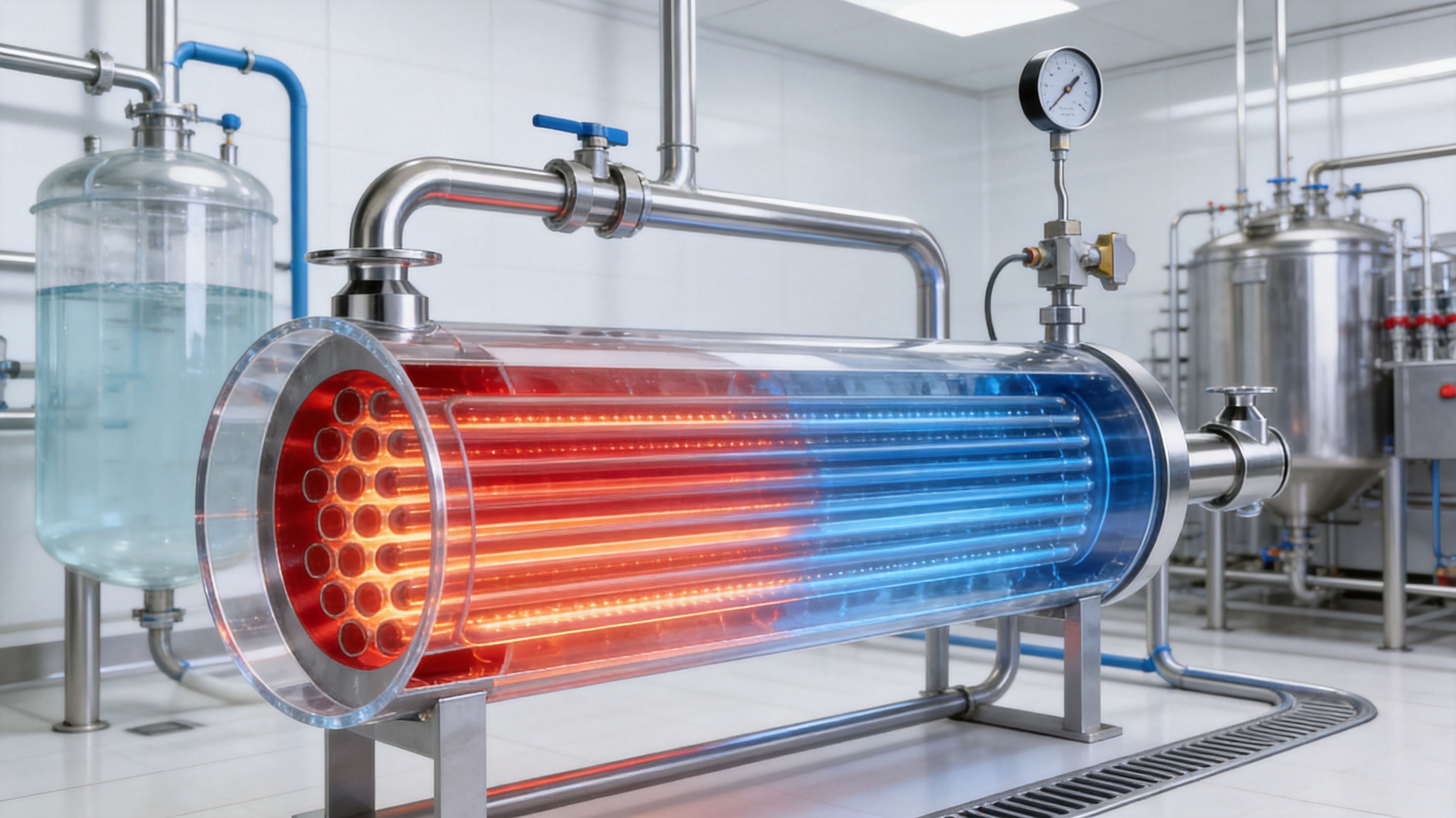
Manufacturing Process and Engineering Strengths
The performance of a sanitary capillary heat exchanger depends heavily on the quality of its manufacturing process. Fine tube assemblies require accurate fabrication, controlled welding, careful cleaning, and reliable inspection. A supplier with strong manufacturing coordination and engineering communication can reduce the risk of design mismatch and improve the consistency of the final equipment.
Technical Requirement Review
Manufacturing should begin with a detailed review of the customer’s process conditions. Relevant information includes the media on both sides, normal and maximum flow rates, inlet and outlet temperatures, operating and design pressures, cleaning temperatures, cleaning chemicals, connection standards, available space, required orientation, surface finish, and documentation requirements.
The supplier should also clarify whether the exchanger is intended for heating, cooling, pasteurization, sterilization-related service, water temperature regulation, or another duty. A unit designed for clean water may not be suitable for a product containing solids or proteins. A unit designed for low pressure may not be appropriate for a pressurized steam system.
Material Preparation and Traceability
Stainless steel sheets, tubes, fittings, and forgings should be identified and traceable during production. Material certificates help confirm the grade and heat number of the material. Traceability is particularly important for pharmaceutical and biopharmaceutical customers that require a documented manufacturing history.
Where special alloys are used, additional attention may be required for forming, welding, heat treatment, surface finishing, and chemical compatibility. Material substitutions should not be made without technical approval because a small change in alloy or gasket compound may affect corrosion resistance, cleanability, or regulatory documentation.
Tube Bundle Fabrication
The capillary tube bundle must be assembled with controlled spacing and alignment. Tube length, diameter, wall thickness, arrangement, and connection method influence heat transfer, pressure drop, mechanical stability, and cleanability. Consistency among the tubes is important because uneven flow distribution can reduce thermal performance.
Tube ends must be prepared carefully before joining to headers, plates, or sanitary connection structures. Burrs, deformation, contamination, or poor alignment can affect both flow and sealing. The fabrication process should include appropriate dimensional checks before final assembly.
Welding and Polishing
Sanitary welding requires control of joint preparation, welding parameters, shielding gas, heat input, and post-weld treatment. Poorly controlled welds may create rough areas, discoloration, undercut, cracks, or crevices that are difficult to clean and inspect.
After welding, internal and external surfaces may undergo grinding, polishing, pickling, passivation, or electropolishing as specified. The objective is to produce a smooth, corrosion-resistant, and cleanable surface. For pharmaceutical applications, the supplier should be able to explain how the required surface condition is achieved and verified.
Assembly and Dimensional Control
During assembly, tube bundles, shells, headers, gaskets, clamps, and fittings must be installed according to the approved drawing. Dimensional control helps confirm that the finished exchanger can be integrated into the customer’s piping system without excessive stress or modification.
Special attention should be paid to connection orientation, overall length, support points, drain locations, vent locations, and access for maintenance. A compact exchanger is only beneficial if it can be safely installed and removed in the available space.
Pressure and Leak Testing
Pressure testing verifies mechanical integrity under defined conditions. Leak testing confirms that the tube side, shell side, connections, and welded joints maintain separation between the process and utility media. The test method and acceptance criteria should be agreed during the project specification stage.
For a unit with a stated maximum working pressure of 83 bar on the tube side and 55 bar on the shell side, the actual operating limits must still be established according to the final design, material, temperature, connection rating, and applicable standards. The maximum steam pressure may be specified as 8.6 bar for a particular configuration, while the maximum working temperature may reach 425°C under the stated design conditions. These values must not be interpreted as permission to operate every unit continuously at all maximum limits simultaneously.
Cleaning, Inspection, and Documentation
Before shipment, sanitary equipment should be cleaned to remove fabrication residues, polishing compounds, oil, dust, and other contaminants. Inspection may include visual examination, dimensional verification, surface roughness measurement, weld inspection, pressure testing, and final cleanliness checks.
Shiloc’s manufacturing and engineering approach combines process equipment coordination with capabilities covering processing, welding, polishing, and quality control. The company operates a Shanghai facility of approximately 3,000 square meters and works with a technical team of more than 20 specialists. These resources support the coordination of equipment fabrication, technical communication, inspection, and delivery for customers in international markets.
Representative Technical Data
The following information represents the available reference data for the sanitary capillary heat exchanger range. Final values should be confirmed against the approved technical drawing and process calculation for each order.
| Parameter | Reference value or option | Engineering significance |
| Tube-side maximum working pressure | 83 bar | Defines the stated upper pressure limit for the tube side under applicable design conditions. |
| Shell-side maximum working pressure | 55 bar | Defines the stated upper pressure limit for the shell side under applicable design conditions. |
| Maximum steam pressure | 8.6 bar | Relevant when steam is selected as the heating medium. |
| Maximum working temperature | 425°C | Reference design value; actual operation depends on material, pressure, medium, and configuration. |
| Standard contact material | 316L stainless steel | Suitable for many food, pharmaceutical, and high-purity process environments. |
| Alternative materials | Hastelloy, Inconel, and other alloys | Available for selected corrosive or high-temperature applications after technical review. |
| Surface finish reference | Ra ≤ 0.4 micrometers | Supports cleanability and reduced product adhesion when specified and verified. |
| Connection options | Sanitary quick-clamp or sanitary flange | Selected according to piping, pressure, maintenance, and sanitary requirements. |
| Cleaning methods | CIP and disassembly cleaning | Enables routine cleaning and periodic inspection according to the validated procedure. |
Model and Dimension References
The compact model range provides different total lengths and heat transfer areas. The correct model should be selected using a thermal calculation rather than by length alone. Flow rate, temperature difference, utility conditions, pressure drop, and fouling allowance must all be considered.
| Model | Pipe diameter | Electropolishing reference | Heat transfer area | Total length | Weight |
| HY-CE-0304 | 4 | 0.25 | 0.30 | 280 mm | 3.5 kg |
| HY-CE-0305 | 4 | 0.25 | 0.43 | 406 mm | 4.0 kg |
| HY-CE-0306 | 4 | 0.25 | 0.61 | 533 mm | 4.5 kg |
| HY-CE-0307 | 4 | 0.25 | 0.80 | 660 mm | 5.5 kg |
The dimensions and performance values should be treated as reference information. A project-specific design may require a different tube length, connection arrangement, material, tube diameter, surface finish, support structure, or number of units installed in parallel.
Applications in Food and Beverage Production
Dairy and Milk-Based Products
Sanitary capillary heat exchangers can be used for in-line heating and cooling of low-viscosity dairy products, water-based formulations, and small-batch products. They may support preheating, temperature adjustment, cooling before filling, or laboratory-scale pasteurization studies.
Dairy products can contain proteins and fats that adhere to surfaces when temperature and flow conditions are not properly controlled. The selected cleaning procedure should account for alkaline cleaning, acid cleaning, rinsing, and sanitization requirements. Heat exchanger sizing should also consider the product’s viscosity and fouling tendency.
Beverages and Juices
In beverage processing, temperature control can influence flavor, color, microbial stability, and filling performance. Compact heat exchangers can be integrated into small production lines, pilot plants, and skid-mounted systems for heating, cooling, or heat recovery.
For beverages with suspended particles, pulp, fibers, or high solids content, the process engineer should confirm that the capillary passages are suitable. A capillary exchanger is most naturally matched with clean, low-viscosity fluids unless a special design has been developed for the product.
Pasteurization and Temperature Conditioning
Heat exchangers may be used as part of a pasteurization or thermal conditioning system. The exchanger itself does not establish the complete process validation. The overall system must control residence time, temperature uniformity, flow rate, instrumentation, alarms, and product diversion or shutdown functions where required.
Applications in Pharmaceutical and Biopharmaceutical Processing
Pharmaceutical Liquids
Pharmaceutical liquids often require controlled heating or cooling during solution preparation, transfer, holding, or filling. The product may be sensitive to temperature changes, and the process may require high-purity materials and documented cleaning procedures.
A sanitary capillary heat exchanger can provide a controlled thermal step while occupying limited space. Its quick-connect arrangement can also simplify removal for inspection, especially in small-scale or flexible manufacturing systems.
Injection Water and Process Water
Cooling injection water and process water used in solution preparation is a specific application where precise process matching is important. The unit must be selected according to water quality, temperature requirements, flow rate, pressure, sanitization method, and the design of the surrounding high-purity loop.
In high-purity water service, the exchanger should be installed in a manner that supports complete drainage and prevents unnecessary hold-up. The piping design, instrumentation, valves, sampling points, and cleaning or sanitization procedure must be considered as part of the complete system.
Biological Preparations
Biological preparations may be sensitive to shear, temperature, residence time, and surface interaction. A compact exchanger can help regulate temperature at low flow, but the system must be evaluated for the specific biological material. Product stability studies and process validation remain essential.
Where the product is highly valuable or sensitive, the equipment supplier should receive accurate information about the product’s temperature limits, allowable pressure drop, cleaning agents, batch size, and hold-up restrictions. These factors may determine whether a capillary heat exchanger is appropriate or whether another design is required.
Laboratory and Pilot-Scale Systems
Laboratory and pilot-scale systems often have limited utility capacity and restricted installation space. A slim, compact exchanger can provide an efficient way to heat or cool process media without installing a large industrial unit.
Quick disassembly is also useful in development environments, where equipment may be changed between trials. However, repeated removal and installation require disciplined gasket management, inspection, and cleaning to maintain reliable sealing and prevent contamination.
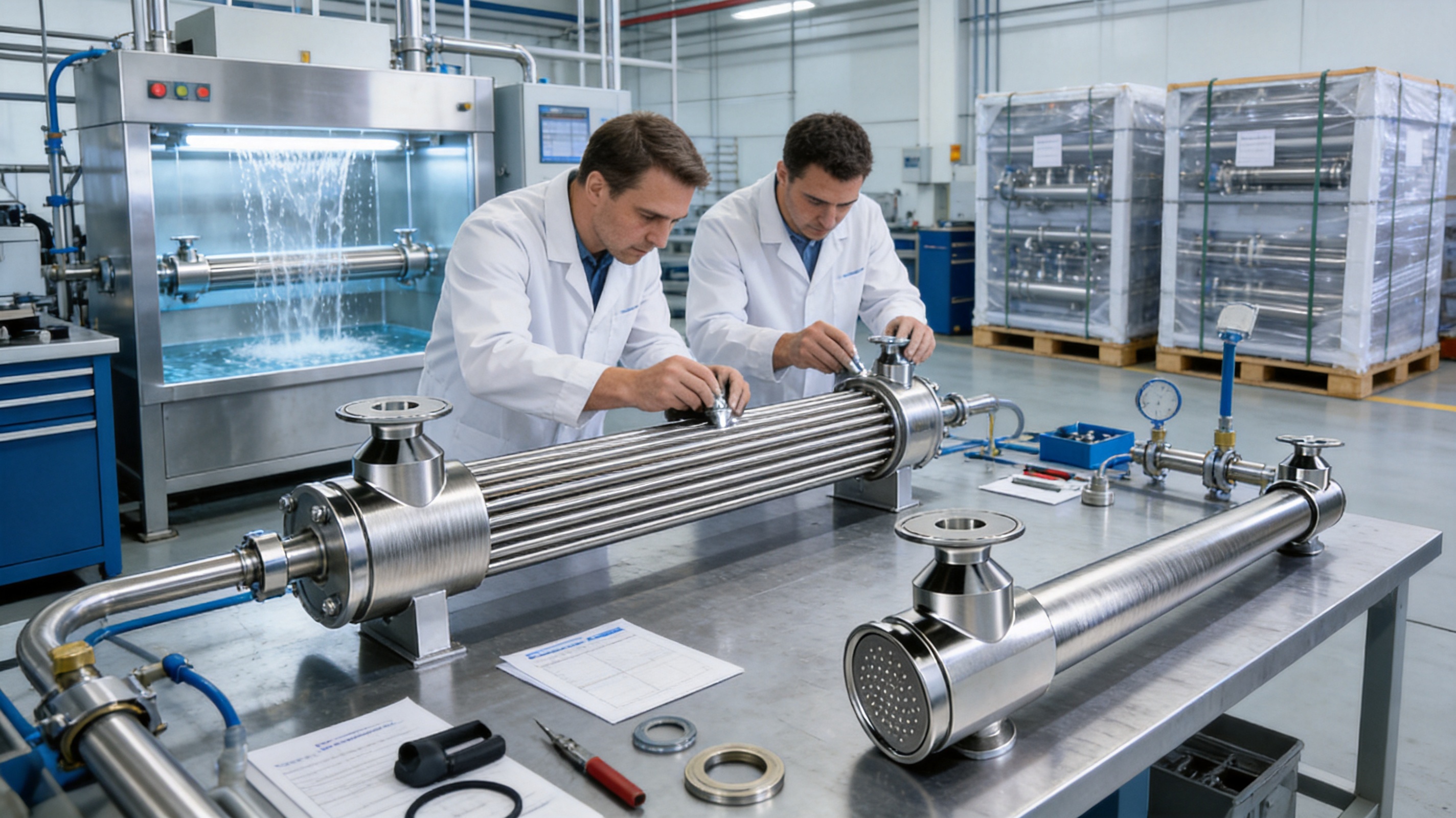
How to Select the Right Sanitary Capillary Heat Exchanger
Define the Process Media
Begin by identifying the fluid on each side of the exchanger. Record the chemical composition, concentration, viscosity, density, specific heat, thermal conductivity, solids content, corrosiveness, and fouling tendency. Also identify whether the medium is a product, utility, cleaning fluid, or sterilization medium.
Terms such as “water,” “pharmaceutical liquid,” or “beverage” may not provide enough information for design. Purified water, saline solution, sugar solution, protein solution, and cleaning chemicals can have very different heat transfer and corrosion characteristics.
Establish Thermal Duty
The basic heating or cooling duty is related to mass flow, specific heat, and the required temperature change. The utility temperature and flow rate must also be known. A design engineer will use these values to estimate the required heat transfer area and confirm the expected outlet temperature.
Where the process requires precise temperature control, the control valve, temperature sensor, response time, and utility stability should be reviewed together with the heat exchanger. A high-performance exchanger cannot compensate for unstable utility supply or poorly positioned instrumentation.
Check Pressure and Temperature Limits
Pressure must be evaluated independently on the tube side and shell side. Normal operating pressure, maximum operating pressure, design pressure, pressure surges, blocked-outlet conditions, and pressure differences between the two circuits should be considered.
Temperature limits must include normal operation, start-up, shutdown, cleaning, steam exposure, sterilization, and abnormal conditions. Gaskets, instruments, clamps, and adjacent piping may have lower limits than the exchanger body itself.
Determine the Required Sanitary Standard
Clarify the required surface roughness, material certificates, weld documentation, passivation, electropolishing, pressure testing, cleanliness verification, and regulatory records. Food production, pharmaceutical production, and high-purity bioprocessing may have different documentation expectations.
The equipment should be evaluated as part of the customer’s quality system. If the exchanger will be installed in a validated process, the supplier should support document review and provide information needed for qualification activities.
Evaluate Cleaning and Drainability
Ask how the unit will be cleaned, which cleaning chemicals will be used, what cleaning flow rate is required, and whether the unit can be completely drained. If disassembly cleaning is required, confirm access, weight, connection type, gasket availability, and inspection procedure.
CIP effectiveness depends on the cleaning fluid reaching all product-contact surfaces at an adequate velocity, temperature, concentration, and contact time. A dead-leg-free design supports this objective, but the complete piping arrangement must also be designed correctly.
Confirm Installation Space
Compact dimensions are a major advantage, but maintenance clearance must not be overlooked. Leave enough space for clamp removal, gasket replacement, tube inspection, lifting, draining, and safe handling. Confirm the required orientation and support method before finalizing the piping.
Installation and Commissioning Guidance
Before installation, inspect the exchanger for transport damage, contamination, missing parts, and damage to ferrules or sealing surfaces. Confirm that the model, connection size, material, and orientation match the approved documentation.
Align the quick-clamp fittings and seals carefully. The piping should be independently supported so that its weight, vibration, or thermal expansion does not place stress on the exchanger connections. Never use the clamp to pull misaligned piping into position.
Check that the gasket is correctly seated and compatible with the process and cleaning conditions. Engage the clamp fully and verify that it is locked. For flange connections, tighten bolts progressively and evenly according to the approved procedure.
Before introducing product, flush the equipment with an approved fluid and remove any construction debris. If required, perform passivation, sanitization, or a documented pre-use cleaning cycle. Confirm that drains and vents are accessible and that the flow direction agrees with the process drawing.
During commissioning, gradually increase pressure and temperature. Sudden thermal or pressure changes can affect seals, fittings, and welded components. Monitor inlet and outlet temperatures, flow rates, pressure drop, and signs of leakage.
The commissioning team should compare actual performance with the design specification. If the outlet temperature is not within the expected range, check utility temperature, flow balance, air pockets, sensor position, fouling, and control-valve operation before modifying the exchanger.
Cleaning, Maintenance, and Troubleshooting
Clean-in-Place Procedures
CIP procedures should be developed according to the product and the equipment geometry. A typical sequence may include pre-rinsing, alkaline cleaning, intermediate rinsing, acid cleaning where needed, final rinsing, and sanitization. The exact chemicals, concentrations, temperatures, flow rates, and durations must be validated by the user.
Cleaning must cover the tube side, shell side, connection areas, gaskets, valves, and adjacent piping. A cleaning cycle that only passes solution through the main tube side may not clean every surface if the shell-side circuit or connection design is not included.
Disassembly Cleaning
Periodic disassembly allows direct inspection of internal surfaces and is useful when fouling cannot be reliably assessed through operating data. Before opening the equipment, isolate, depressurize, cool, drain, and lock out all connected systems.
Inspect the capillary tubes for deposits, discoloration, blockage, pitting, scratches, or deformation. Do not use tools or cleaning methods that can damage the thin tube walls. Replace gaskets that show flattening, cracks, swelling, chemical attack, or loss of elasticity.
Reduced Heat Exchange Performance
If the outlet temperature does not meet the design requirement, first check for fouling or blockage inside the capillary tubes. Confirm that the process and utility flow rates are stable and that the temperature difference between the inlet and outlet streams is consistent with the design.
Other possible causes include insufficient utility temperature, incorrect flow direction, trapped air, a malfunctioning control valve, sensor error, excessive product viscosity, or operation outside the specified flow range. Maintenance records should be reviewed to identify gradual performance decline.
Leakage at Quick-Connect Fittings
Leakage may result from aged, damaged, contaminated, or misaligned seals. Confirm that the clamp is fully engaged and that the ferrules are properly aligned. Check whether connected piping has imposed mechanical stress on the fitting.
If leakage continues, depressurize the system and inspect the sealing surfaces for scratches, dents, corrosion, or foreign material. Replace the gasket with the correct size and material. Do not attempt to compensate for a damaged ferrule by excessive clamp force.
Product Residue After Cleaning
Residual product may indicate insufficient flow velocity, inadequate cleaning temperature, incorrect chemical concentration, short cleaning time, poor drainage, or an inaccessible retention area. Review the full CIP circuit rather than focusing only on the exchanger.
If residues occur repeatedly, assess whether the product is compatible with the small capillary passages. A product that contains particles, fibers, crystallizing components, or highly viscous material may require a different equipment configuration.
Long-Term Shutdown
For extended shutdowns, drain the media from the equipment and perform the required cleaning and sterilization procedure. Leaving water or product inside the exchanger may encourage microbial growth, corrosion, or deposits. Keep the unit protected from dust and moisture, and follow the manufacturer’s storage recommendations.
Quality and Supply Advantages of Shiloc
Shiloc (Shanghai) Industrial Trading Co., Ltd. provides process systems and equipment for the food and beverage, biopharmaceutical, daily chemical, and fine chemical industries. The company was established in March 2026 in Fengxian District, Shanghai, and combines international trade services with equipment manufacturing coordination and engineering support.
Its capabilities include the supply of heat exchangers, aseptic mixing equipment, and related fluid process equipment. The company’s approach is based on European know-how and Danish design concepts, supported by a Shanghai facility of approximately 3,000 square meters and a technical team of more than 20 specialists.
The manufacturing scope covers processing, welding, polishing, and quality control. This combination is important for sanitary equipment because the final result depends on the complete chain from technical design to material preparation, fabrication, surface treatment, inspection, packaging, and delivery.
For customers purchasing from overseas, equipment selection is only one part of the project. Technical clarification, document exchange, supply chain coordination, export procedures, shipping arrangements, and import support can all influence delivery success. Shiloc’s import and export agency team helps coordinate these activities and provides a single communication channel for international customers.
The company emphasizes process optimization, safe and efficient equipment, supply reliability, traceability, and personalized customer service. For a sanitary capillary heat exchanger project, this may include confirming process data, coordinating the manufacturing plan, reviewing connection and material requirements, arranging quality documentation, and supporting international delivery.
Customization is another important strength. Customers may require different pressure ratings, alloys, surface finishes, heat transfer areas, connection standards, overall lengths, support arrangements, or documentation packages. A flexible supplier can adapt the design to the actual process instead of offering only a fixed standard product.
Shiloc’s value proposition therefore extends beyond the exchanger itself. It includes engineering communication, manufacturing resource integration, quality coordination, and international commercial support for customers seeking a long-term process equipment partner.
Comparing the Sanitary Capillary Design with Other Heat Exchanger Types
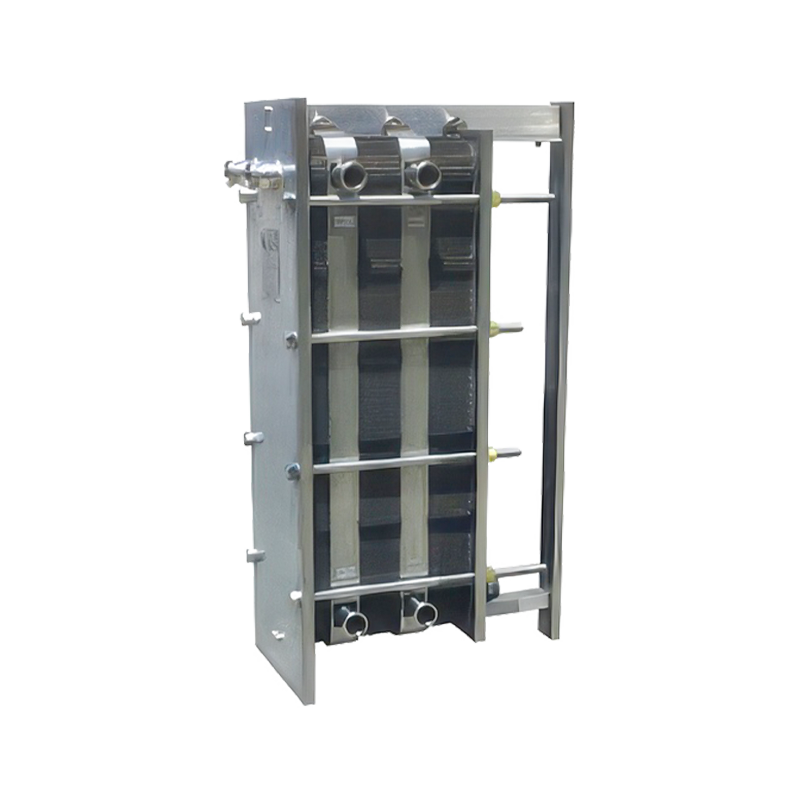
Plate heat exchangers can provide high heat transfer efficiency and are widely used in food and beverage processing. However, gasketed plate designs may require careful gasket management, and their suitability depends on the product, pressure, temperature, cleaning procedure, and risk of cross-contamination. A capillary tubular design may be preferred where a contained tube-side flow path, compact cylindrical structure, or specific pressure arrangement is required.
Shell-and-tube heat exchangers are robust and versatile, but conventional versions can be larger and may not be optimized for very low flow or high-precision small-scale service. The capillary arrangement increases area density and can reduce the footprint for selected duties.
Double-pipe heat exchangers are relatively simple and may suit straightforward services, but they may require more length to achieve the same heat transfer area. A capillary bundle can offer a more compact alternative where multiple small channels are beneficial.
Coil heat exchangers can be useful for certain applications, but the coil geometry and access requirements may differ from those of a capillary bundle. The best choice depends on the process medium, heat duty, pressure drop, cleaning requirements, available space, and validation expectations.
The sanitary capillary design is therefore most competitive when the application requires a combination of compactness, low-flow performance, hygienic construction, quick connection, and precise temperature response. It should be selected through an engineering comparison rather than by relying on a single performance claim.
Frequently Asked Questions
What industries use sanitary capillary heat exchangers?
They are used in food, beverage, dairy, pharmaceutical, biopharmaceutical, laboratory, pilot-scale, and selected high-purity chemical applications. Typical duties include heating, cooling, process water temperature regulation, injection water cooling, pasteurization-related heat exchange, and temperature control of biological preparations.
What is the main advantage of a capillary tube bundle?
The capillary tube bundle increases the heat transfer area within a compact structure. It can provide a fast thermal response and is well suited to low-flow applications where a large conventional exchanger may be inefficient or occupy excessive space.
Is 316L stainless steel suitable for pharmaceutical service?
316L stainless steel is widely used for pharmaceutical and bioprocess equipment, but suitability depends on the complete process, cleaning chemistry, temperature, pressure, surface finish, welding quality, and documentation requirements. The material grade alone does not establish complete compliance.
Can the exchanger be cleaned by CIP?
Yes, the equipment supports clean-in-place procedures when the system is designed with appropriate flow, temperature, chemical concentration, contact time, drainage, and circuit coverage. Periodic disassembly cleaning may still be required for inspection or for products with a high fouling tendency.
Are quick-clamp connections reliable?
Quick-clamp connections can provide reliable sanitary service when the ferrules are aligned, the gasket is correct and undamaged, the clamp is fully engaged, and the piping does not impose stress. Regular seal inspection and replacement are important.
What information is needed for a quotation?
Important information includes process and utility media, flow rates, inlet and outlet temperatures, operating and design pressures, cleaning conditions, material requirements, surface finish, connection standard, installation space, documentation requirements, and the applicable industry or quality standard.
Can the equipment be customized?
Customization may include heat transfer area, tube diameter, total length, material, surface finish, connection type, pressure rating, orientation, support structure, and documentation. The final design should be based on a technical review and thermal calculation.
Can it handle viscous or particle-containing products?
The standard compact capillary configuration is generally best suited to low-viscosity, relatively clean liquids. Viscous products, solids, fibers, crystallizing fluids, or heavy fouling media require a specific evaluation. A larger passage or another heat exchanger type may be more appropriate.
What should be checked if the outlet temperature is incorrect?
Check flow rate, utility temperature, pressure, flow direction, sensor accuracy, control-valve operation, trapped air, fouling, blockage, and whether the equipment is operating within the specified design range. Confirm that the measured temperature difference matches the expected process conditions.
How does Shiloc support overseas customers?
Shiloc supports customers through technical communication, equipment coordination, manufacturing and quality follow-up, supply chain management, import and export agency services, and international delivery assistance. The company works with customers to clarify requirements and coordinate a suitable process equipment solution.
Conclusion
The Sanitary Capillary Heat Exchanger provides a practical solution for hygienic heating and cooling in applications that require compact equipment, efficient heat transfer, low-flow capability, and precise temperature control. Its capillary tube bundle increases heat transfer area within a small volume, while 316L stainless steel construction, smooth internal surfaces, sanitary connections, and reduced-dead-leg flow paths support demanding food, pharmaceutical, and bioprocess environments.
The equipment is especially valuable for injection water cooling, process water regulation, pharmaceutical liquids, biological preparations, laboratory systems, pilot plants, small-batch dairy products, beverages, and other low-viscosity media. Its performance depends on correct sizing, material selection, installation, cleaning, and process validation.
Compared with larger or less sanitary alternatives, the capillary design can offer advantages in footprint, thermal response, low-flow operation, and maintenance flexibility. However, equipment selection must always consider the complete process rather than relying only on nominal heat transfer area or maximum pressure values.
Shiloc supports this product with manufacturing coordination, welding and polishing capabilities, quality control, technical expertise, customization, and international trade services. By combining sanitary equipment with engineering communication and supply chain support, the company aims to help global food and biopharmaceutical manufacturers build safer, more efficient, and more reliable process systems.
References
1. General principles of hygienic design for food and pharmaceutical process equipment.
2. Principles of heat transfer in shell-and-tube and compact heat exchangers.
3. Stainless steel material selection for food, pharmaceutical, and bioprocess applications.
4. Clean-in-place system design, validation, and sanitary process piping practices.
5. Surface roughness, electropolishing, passivation, and corrosion control for stainless steel equipment.
6. Good manufacturing practice principles for pharmaceutical and biopharmaceutical production.
7. Engineering practices for pressure equipment, thermal systems, and process utility integration.
8. Technical product information for sanitary capillary heat exchangers, including reference dimensions, materials, pressure ratings, and connection options.
Product: Sanitary Capillary Heat Exchanger
PREV:Hybrid and Direct Contact Heat Exchangers for Efficient Food, Beverage, and Biopharmaceutical Processing
NEXT:Wound Tube Heat Exchangers for Efficient, Reliable Industrial Processing
NEXT:Wound Tube Heat Exchangers for Efficient, Reliable Industrial Processing
Interested in cooperation or have questions?
Recommended LINS
✦
Food and Beverage Process System
Sanitary Process Skid
Aseptic Processing Equipment for Liquid Foods
Food Processing Skid System
Process Skid System
CIP Skid System for Food Industry
Milk Processing Heat Exchanger
UHT Processing System for Dairy Products
UHT Processing Equipment for Plant Based Milk
Indirect Heating UHT Sterilizer
Let'S Work Together Welcome Aboard!
-

haikexin@haikexin.com
+8613391278930
-
 +86-21-57560276
-
 No. 2819, Sihu Road,Fengxian District, Shanghai, China
Join Our Mailing List
Copyright © Shiloc (Shanghai) Industrial Trading Co., Ltd. All Rights Reserved.
Process Systems & Equipment For Food & Biopharma Manufacturers
