
 English
 русский
 Português
 Français



 Read More

Product Category
NEW Category
Contact us
Contact Us
We specialise in the research, development and manufacture of electrical wires and cables.
 +86-21-57560276
Double-Pipe and Multi-Tube Heat Exchangers: Efficient, Hygienic, and Flexible Thermal Processing Solutions
Content
- 1 Introduction
- 2 What Is a Double-Pipe or Multi-Tube Heat Exchanger?
- 3 Why Tubular Heat Exchangers Are Important in Hygienic Processing
- 4 Core Advantages Compared with Alternative Heat Exchanger Designs
- 4.1 1. Strong Adaptability to Viscous and Particle-Containing Media
- 4.2 2. Reliable Performance under Higher Pressure and Temperature
- 4.3 3. Modular Installation and Capacity Expansion
- 4.4 4. Straightforward Inspection and Maintenance
- 4.5 5. Hygienic and Product-Safe Construction
- 4.6 6. Efficient Heat Transfer in a Compact Footprint
- 5 Product Configuration and Design Options
- 6 Applications in Food and Beverage Processing
- 7 Applications in Biopharmaceutical and Pharmaceutical Manufacturing
- 8 Applications in Chemical and Industrial Processing
- 9 Advanced Manufacturing Processes and Quality Strengths
- 10 How to Select the Right Heat Exchanger
- 11 Operating and Maintenance Recommendations
- 12 Typical Troubleshooting Guide
- 13 Service and Supply Strengths
- 14 Economic and Operational Benefits
- 15 Conclusion
- 16 Questions and Answers
- 16.1 What is the main difference between a double-pipe and a multi-tube heat exchanger?
- 16.2 Can the equipment handle high-viscosity products?
- 16.3 Is it suitable for products containing particles?
- 16.4 Can the heat exchanger be used for pasteurization?
- 16.5 What stainless-steel materials are available?
- 16.6 Does the equipment support clean-in-place cleaning?
- 16.7 Can the equipment be customized?
- 16.8 What information is needed for a quotation?
- 16.9 How can fouling be reduced?
- 16.10 Why is countercurrent flow often preferred?
- 16.11 What should be checked if the outlet temperature is incorrect?
- 16.12 How should leakage at a connection be handled?
- 16.13 What manufacturing capabilities support product quality?
- 16.14 Can international customers receive export and technical support?
- 17 References
- 18 Product: Double-pipe / Multi-tube Heat Exchanger
Introduction
Heat exchange is a fundamental operation in food and beverage processing, biopharmaceutical manufacturing, chemical production, daily chemical processing, and many other industrial sectors. Heating, cooling, pasteurization, sterilization, condensation, temperature holding, and heat recovery all depend on stable thermal management. When the heat exchanger is correctly selected and engineered, it can improve product quality, reduce energy consumption, shorten processing time, and support continuous production. When it is poorly matched to the process, however, it may cause fouling, clogging, temperature deviations, leakage, excessive pressure loss, and costly downtime.
Double-pipe and multi-tube heat exchangers provide a practical solution for applications that require reliable heat transfer, strong pressure resistance, hygienic construction, and flexible installation. Their tubular design allows two process media to exchange heat through metal tube walls without direct contact. Depending on the configuration, the equipment can be used with parallel flow or countercurrent flow, single-pass or multi-pass operation, and series or parallel tube-section arrangements.
These characteristics make the equipment suitable for both relatively simple heating and cooling duties and more demanding applications involving viscous products, particulate-containing fluids, temperature-sensitive liquids, and hygienic production requirements. Compared with some plate heat exchangers, tubular units generally offer greater tolerance of pressure, viscosity, and particles. Compared with large shell-and-tube heat exchangers, double-pipe and multi-tube systems can provide a more compact, modular, and maintenance-friendly solution for small and medium-sized systems or specialized process lines.
This article examines the construction, operating principles, advantages, applications, selection criteria, manufacturing capabilities, and service strengths associated with double-pipe and multi-tube heat exchangers for food, beverage, biopharmaceutical, chemical, and industrial users.
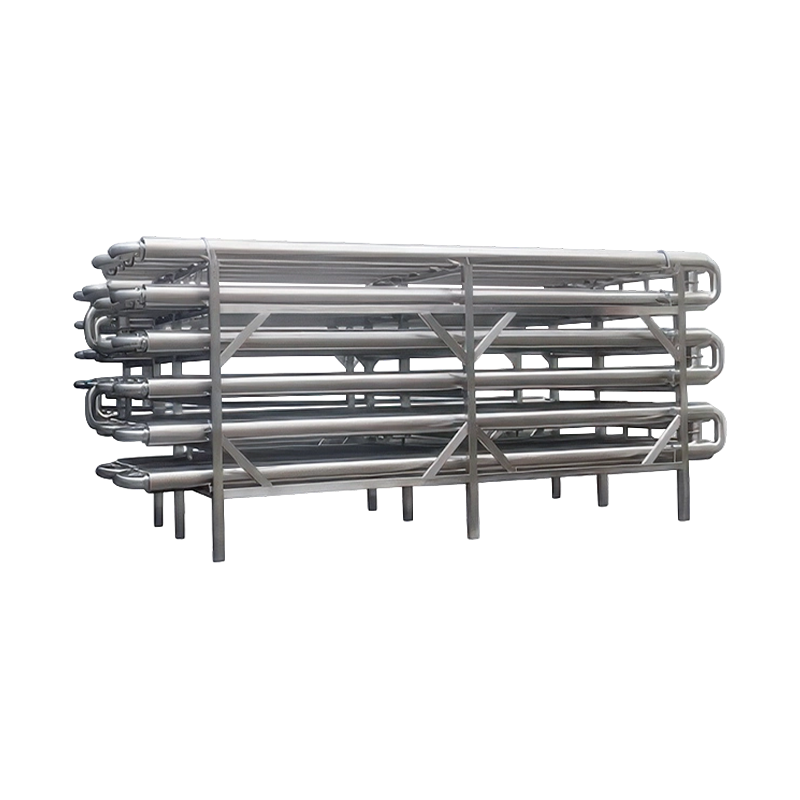
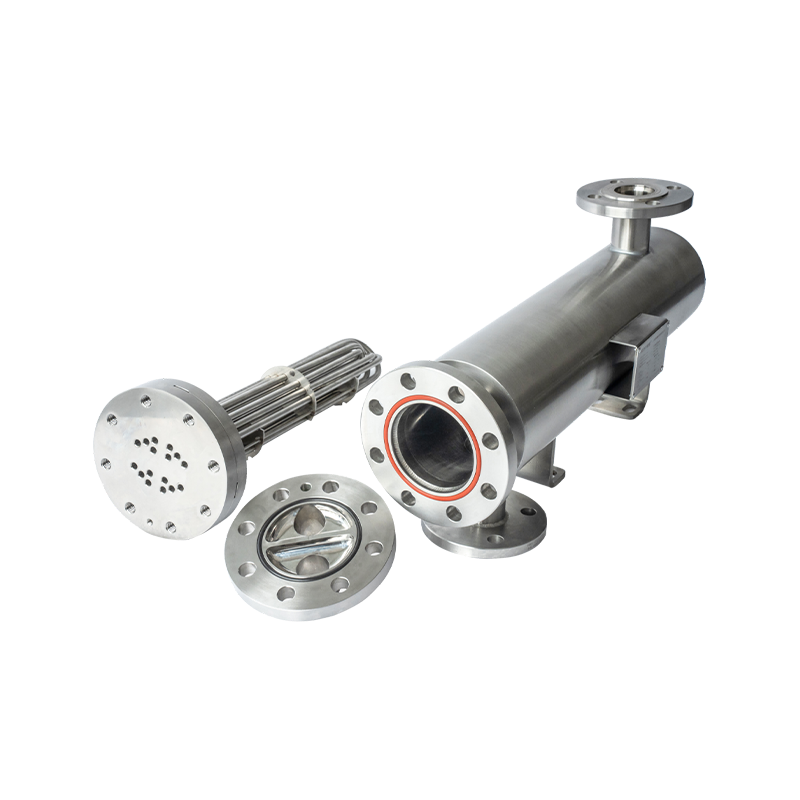
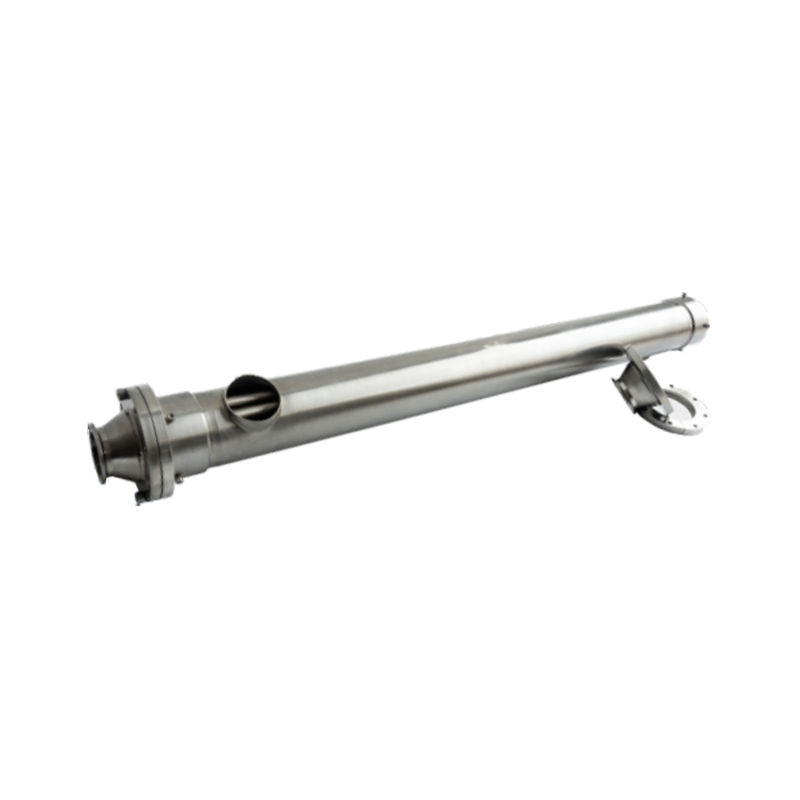
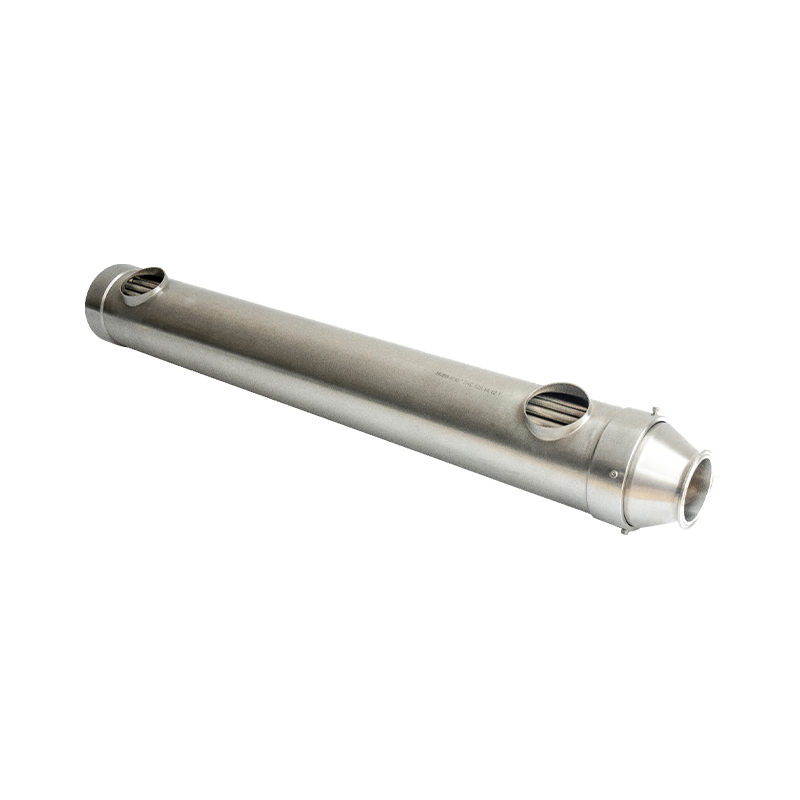
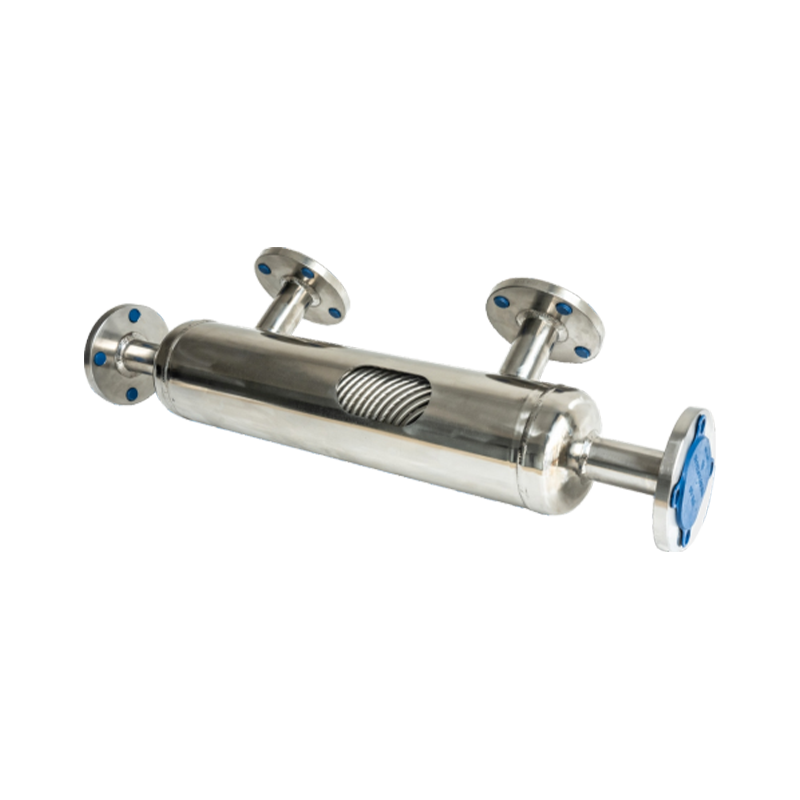
Double-pipe / Multi-tube Heat Exchanger
What Is a Double-Pipe or Multi-Tube Heat Exchanger?
A double-pipe heat exchanger consists of two concentric tubes. One fluid flows through the inner tube, while the second fluid flows through the annular space between the inner and outer tubes. Heat passes through the wall of the inner tube from the hotter medium to the colder medium, or in the opposite direction when the objective is heating.
The inner and outer flow channels remain physically separated. This separation is important in hygienic processing because it prevents the heating or cooling utility from mixing with the product. It also allows the equipment to process two fluids with different compositions, pressures, temperatures, and flow rates.
A multi-tube heat exchanger expands on this principle by incorporating multiple heat-transfer tubes or multiple tubular sections. Additional tubes increase the available heat-transfer area and can raise the processing capacity without requiring a disproportionately large equipment footprint. The tubes may be connected in series to increase residence time and heat-transfer duty, or in parallel to accommodate a higher product flow rate while controlling pressure drop.
The term “multi-tube” can describe different configurations depending on the process design. In some systems, several inner tubes are installed within an outer housing. In other systems, multiple double-pipe modules are connected through manifolds. The correct configuration depends on the medium properties, required heat duty, available space, cleaning strategy, pressure rating, and desired flow velocity.
The equipment can be supplied as a single large-diameter tube design or as a multi-tube arrangement. A single large inner tube provides an especially simple flow path and is often advantageous for high-viscosity products or fluids containing soft particles. A multi-tube arrangement can offer a larger heat-transfer area and higher overall capacity when the process benefits from several parallel flow channels.
Basic Heat-Transfer Principle
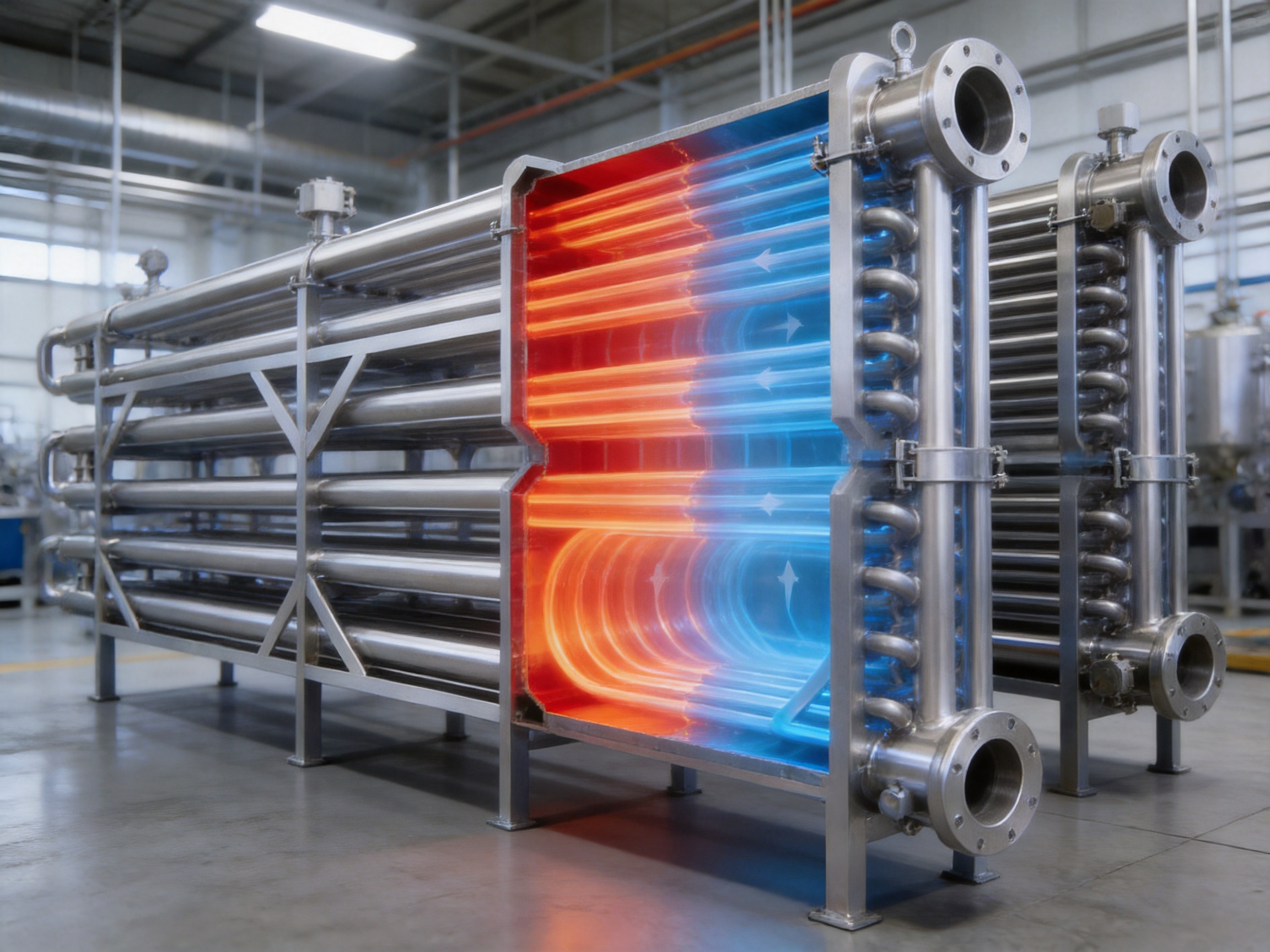
Heat transfer takes place through the tube wall. The hot-side medium gives up thermal energy, while the cold-side medium absorbs it. The amount of heat transferred depends on the temperature difference, heat-transfer area, heat-transfer coefficient, flow velocity, residence time, thermal properties of the media, and cleanliness of the heat-transfer surfaces.
Countercurrent flow is generally preferred when the process requires high thermal efficiency. In countercurrent operation, the hot medium flows in the opposite direction to the cold medium. This arrangement maintains a useful temperature difference along a larger portion of the exchanger, allowing the equipment to approach the desired outlet temperatures more effectively.
Parallel-flow operation may also be used when the process requires a gentler temperature profile, a particular connection arrangement, or simplified integration with an existing line. The flow direction can be selected and adjusted according to the process objective.
Main Structural Components
A typical double-pipe or multi-tube heat exchanger includes inner tubes, outer tubes or housings, process connections, utility connections, seals or gaskets, supports, and, where required, manifolds or return bends. Depending on the application, additional instrumentation may be installed for temperature, pressure, flow, or product monitoring.
The product-contacting parts are commonly manufactured from food-grade stainless steel such as 304 or 316L. Stainless steel offers a useful combination of corrosion resistance, mechanical strength, cleanability, and compatibility with many food, pharmaceutical, and chemical fluids. The choice between 304 and 316L depends on the product chemistry, chloride exposure, cleaning agents, temperature, and required corrosion resistance.
Connections may use flanges, sanitary clamp fittings, threaded interfaces for suitable non-hygienic services, or customized connections specified by the customer. In food and biopharmaceutical applications, sanitary connections and smooth, cleanable flow paths are particularly important.
Why Tubular Heat Exchangers Are Important in Hygienic Processing
Food, beverage, and biopharmaceutical manufacturers must control not only temperature but also contamination risk, product loss, cleaning time, and traceability. Heat-transfer equipment is often exposed to repeated heating, cooling, cleaning, and sterilization cycles. Its internal geometry must therefore support reliable drainage, effective cleaning, and consistent product flow.
A hygienic double-pipe or multi-tube heat exchanger can be designed with smooth internal surfaces and reduced dead-leg risk. A dead leg is an area where product or cleaning fluid can remain stagnant. Such areas may become a source of residue accumulation, microbial growth, cross-contamination, or incomplete cleaning. Reducing these areas supports more dependable sanitation and shorter cleaning cycles.
The detachable modular structure is another advantage. Tube sections can be separated for inspection, manual cleaning, gasket replacement, or maintenance. This is especially valuable when processing products that form deposits or contain particles that may not be fully removed through automated cleaning alone.
At the same time, the equipment can support clean-in-place operation when the process and design are suitable for CIP. During CIP, cleaning solutions circulate through the product and utility paths at controlled temperature, concentration, velocity, and time. The final cleaning procedure must be validated by the user according to the product, cleaning chemistry, operating parameters, and applicable internal requirements.
For pharmaceutical and biopharmaceutical applications, equipment design may need to address additional requirements such as material traceability, weld quality, surface finish, drainability, documentation, and compatibility with sterilization procedures. These requirements should be defined during the technical quotation and design stage rather than added after fabrication.
Core Advantages Compared with Alternative Heat Exchanger Designs
1. Strong Adaptability to Viscous and Particle-Containing Media
One of the most important advantages of tubular heat exchangers is their ability to handle products that may be difficult to process in narrow channels. High-viscosity liquids, pulpy beverages, sauces, concentrates, emulsions, pharmaceutical liquids, and process fluids containing suspended particles can create a higher risk of clogging in equipment with very small passages.
A single large-diameter tube provides a relatively open and direct flow path. This reduces the possibility of blockage and can lower the pressure loss associated with pumping viscous materials. The design also minimizes sharp restrictions that could damage delicate particles or create local accumulation points.
Multi-tube arrangements provide additional flexibility. The number and diameter of tubes can be selected according to the required flow rate, viscosity, particle size, and acceptable pressure drop. Where a process requires a higher flow capacity, parallel tubes can distribute the flow while preserving manageable velocities in each passage.
Compared with compact plate heat exchangers, tubular systems are often more tolerant of fibers, soft solids, pulp, and suspended particles. Plate units can provide excellent heat transfer in clean, low-viscosity fluids, but their narrow channels and gasketed plate passages may be more sensitive to particles, product buildup, or improper filtration.
2. Reliable Performance under Higher Pressure and Temperature
The tubular structure provides a robust mechanical configuration. Metal tube walls can withstand demanding operating conditions when correctly selected for pressure, temperature, corrosion environment, and mechanical loads. This makes the equipment suitable for heating and cooling duties that may be unsuitable for less robust designs.
Applications may include hot-water heating, steam-related heat transfer, oil heating, process-fluid cooling, condensation, and high-temperature chemical service. The final pressure and temperature rating must always be confirmed through engineering calculations and the selected material and connection design.
Compared with some gasketed plate heat exchangers, tubular systems can reduce concerns associated with gasket aging, gasket compatibility, or plate deformation in severe conditions. Compared with a large shell-and-tube unit, a double-pipe system may offer a simpler pressure boundary and a more compact arrangement for specific duties.
3. Modular Installation and Capacity Expansion
Double-pipe and multi-tube heat exchangers can be arranged in series or parallel. Series installation increases the length of the heat-transfer path and may be useful when a greater heat duty or longer residence time is required. Parallel installation increases throughput while helping control pressure drop and flow velocity.
This modularity helps users adapt the equipment to different heat loads, installation spaces, and future production requirements. A process line can use a compact single module for a small duty, while a larger system can combine several modules. Such flexibility is valuable for manufacturers whose production capacity may change over time.
The modular concept also assists transportation and installation. Instead of moving one very large piece of equipment, individual tube sections can be delivered, positioned, connected, and tested. This can simplify access to restricted production areas and reduce the disruption associated with plant modifications.
4. Straightforward Inspection and Maintenance
Maintenance is a major factor in the total cost of ownership of process equipment. A heat exchanger that is difficult to inspect or clean may cause extended downtime even when its initial purchase price is attractive.
The clear tubular construction of a double-pipe or multi-tube heat exchanger makes the internal flow path easier to understand and inspect. Detachable sections allow maintenance personnel to access the tube surfaces, remove residues, inspect seals, and verify the condition of connections.
When fouling begins to affect heat-transfer performance, the operator can investigate the product side and utility side separately. This supports more precise troubleshooting than simply replacing an entire heat exchanger without identifying the source of the problem.
For sites with established CIP systems, the exchanger can be designed to support circulation cleaning. For products that are particularly sticky, particulate-rich, or prone to thermal deposits, periodic disassembly may still be recommended. The most effective maintenance plan usually combines routine monitoring with scheduled cleaning and inspection.
5. Hygienic and Product-Safe Construction
Stainless steel construction, smooth internal surfaces, sanitary connections, and appropriate drainage support hygienic production. These features help reduce product retention and make cleaning more predictable.
Material selection is also important for product safety. Stainless steel 316L may be preferred for more corrosive products or cleaning environments, while 304 stainless steel may be suitable for many general food and beverage applications. The correct grade should be selected according to the actual chemistry rather than assumed solely from the product category.
Welded areas require careful fabrication and finishing. Poorly executed welds may create roughness, crevices, discoloration, or local corrosion sites. Controlled welding, surface treatment, polishing, inspection, and documentation therefore contribute directly to hygienic performance.
6. Efficient Heat Transfer in a Compact Footprint
The equipment uses the available tube surface effectively while maintaining a relatively compact structure. Countercurrent flow, optimized tube diameter, appropriate flow velocity, and suitable tube-section arrangement can improve heat-transfer efficiency.
For facilities with limited floor space, the equipment can be configured vertically, horizontally, or in a customized arrangement subject to process and maintenance requirements. Its modular geometry allows the designer to balance heat-transfer area against installation space, pressure loss, cleaning access, and support requirements.
Although tubular systems can provide strong performance, no heat exchanger is universally superior. Plate, scraped-surface, shell-and-tube, and tubular designs each have appropriate applications. The principal advantage of the double-pipe or multi-tube concept is its balance of durability, flexibility, cleanability, and media adaptability.
Product Configuration and Design Options
Single-Pass and Multi-Pass Arrangements
A single-pass arrangement allows the medium to travel through the exchanger once. It offers a straightforward flow path and can reduce complexity. It may be suitable when the required heat duty can be achieved within the available length and surface area.
A multi-pass arrangement redirects the medium through several tube sections. This can increase the effective heat-transfer path and allow the equipment to achieve a greater temperature change within a limited installation area. The design must account for additional pressure loss, connection requirements, cleaning access, and flow distribution.
Series and Parallel Tube Sections
Series-connected sections are useful when the process requires higher heat-transfer capacity or a longer heating and cooling path. Parallel-connected sections are useful when the flow rate is high or when the pressure drop through a single path would be excessive.
Flow distribution is particularly important in parallel arrangements. Manifold design, tube length, resistance balance, and connection geometry should be considered to prevent uneven flow. Poor distribution can lead to hot spots, cold spots, inconsistent outlet temperature, and unequal fouling.
Large-Diameter Single-Tube Design
A single large inner tube creates a simple and highly accessible product path. This design is especially suitable for thick liquids and products that contain particles or fibers. Its low flow resistance can reduce pumping requirements and lower the risk of clogging.
The product may experience slight variation in heat distribution between the center and the wall region of the flow. Under normal operating conditions, this variation generally has limited impact on overall heat exchange when the tube diameter, flow velocity, residence time, and temperature profile are correctly designed. For highly sensitive products, process testing and thermal validation should be conducted before final equipment selection.
Materials and Connections
Food-grade stainless steel 304 and 316L are common material choices for product-contacting surfaces. Other materials may be considered for special chemical, temperature, or corrosion requirements, subject to engineering review.
Flanged connections can provide robust assembly and are often suitable for industrial utility lines. Quick-clamp or sanitary clamp connections support rapid disassembly and are commonly selected for hygienic process lines. Connection selection should consider pressure, temperature, cleaning chemicals, frequency of maintenance, gasket material, and applicable plant standards.
Flow Direction
Countercurrent flow is normally selected when the objective is maximum thermal driving force and efficient approach to the target outlet temperature. Parallel flow may be selected for specific product protection, layout, or process-control reasons.
The exchanger can be designed with product and utility streams flowing in different directions according to the heat-transfer calculation. The selected configuration should be documented on the process flow diagram and equipment drawing to prevent installation errors.
| Design consideration | Typical options | Primary benefit | Important engineering check |
|---|---|---|---|
| Tube arrangement | Single large tube or multiple tubes | Balances flow openness, capacity, and heat-transfer area | Viscosity, particle size, flow rate, and pressure drop |
| Flow direction | Countercurrent or parallel flow | Matches thermal efficiency and process requirements | Inlet and outlet temperatures and control strategy |
| Tube routing | Single-pass or multi-pass | Adjusts residence time and heat-transfer path | Pressure loss, cleaning access, and flow distribution |
| Module arrangement | Series or parallel | Adapts capacity to heat load and available space | Manifold balance and future expansion |
| Contact material | 304 or 316L stainless steel | Provides strength, corrosion resistance, and cleanability | Product chemistry and cleaning conditions |
| Connection type | Flange, clamp, or customized interface | Matches hygiene, pressure, and maintenance needs | Gasket compatibility and alignment |
| Cleaning method | Disassembly cleaning, CIP, or combined method | Controls fouling and supports hygienic operation | Residue characteristics and cleaning validation |
Applications in Food and Beverage Processing
Dairy Products
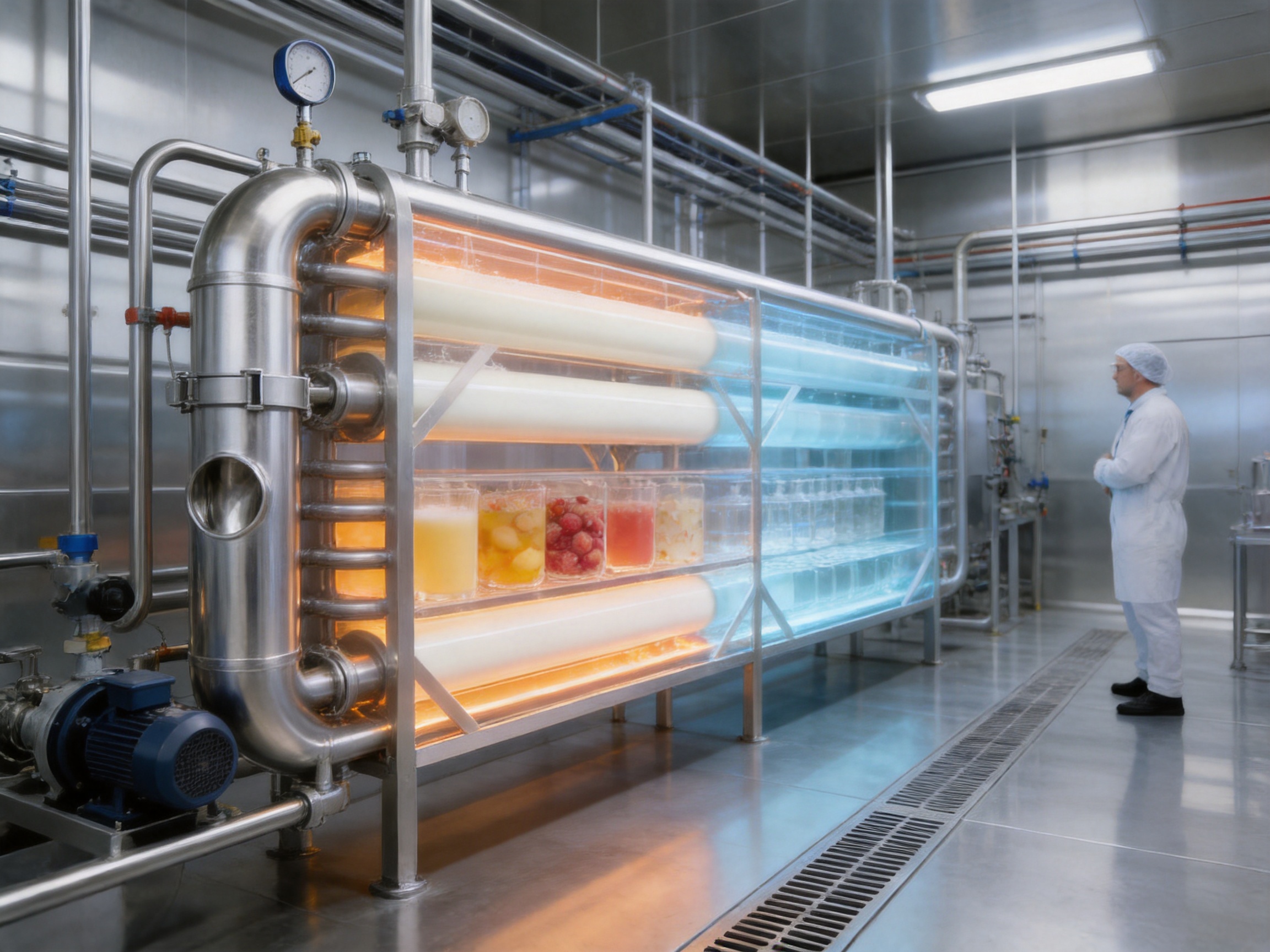
Milk, cream, liquid dairy ingredients, fermented products, and other dairy streams require accurate temperature control and careful hygiene management. Tubular heat exchangers can be used for preheating, cooling, pasteurization-related duties, product holding systems, and temperature adjustment before filling or further processing.
Dairy products may contain proteins, fats, minerals, and suspended solids that can deposit on heated surfaces. Appropriate temperature control, flow velocity, cleaning procedures, and surface finish are therefore important. A detachable tubular design allows operators to inspect the product path and respond to fouling more efficiently.
Juices and Fruit-Based Beverages
Juices, nectars, concentrates, and fruit preparations may contain pulp, fibers, or suspended particles. A large-diameter tube or carefully designed multi-tube arrangement can reduce clogging risk while providing the required heating or cooling duty.
Pasteurization and cooling operations must maintain the product within a controlled thermal profile. The heat exchanger may be integrated with holding tubes, pumps, valves, temperature sensors, and control systems to create a complete thermal processing line.
Sauces, Syrups, and High-Viscosity Products
Sauces, syrups, fillings, and concentrates often have higher viscosity than water-like products. Their pressure loss can rise significantly when they are forced through narrow channels. The tubular design provides a more open passage and can be customized with larger diameters or multiple parallel paths.
For these products, the designer should consider whether the material is shear-sensitive, whether it contains particles, how quickly it forms deposits, and whether it must be drained completely during product changeover. These factors influence tube diameter, flow velocity, connection layout, and cleaning method.
Applications in Biopharmaceutical and Pharmaceutical Manufacturing
Biopharmaceutical and pharmaceutical processes place strong emphasis on contamination control, repeatability, material compatibility, cleaning, sterilization, documentation, and process validation. Heat exchangers may be used for heating process water, cooling pharmaceutical liquids, temperature adjustment of buffer solutions, sterilization-related processes, and controlled thermal treatment of liquid products.
Product-contacting materials should be selected according to the chemical composition, temperature, cleaning agents, and sterilization conditions. 316L stainless steel is often considered for applications requiring enhanced corrosion resistance, although the final selection should be based on the specific process and qualification requirements.
Surface condition and weld quality are central to hygienic performance. Smooth, properly finished surfaces are easier to clean and less likely to retain product. Connections should be designed to minimize dead legs and support complete drainage where required.
For regulated manufacturing environments, customers may also require material certificates, weld records, inspection records, surface-finish information, pressure-test documentation, dimensional drawings, and equipment identification. Documentation requirements should be defined before production so that the manufacturing and quality teams can prepare the correct records.
The equipment can be integrated into automated process systems with temperature and pressure monitoring. Alarm limits, interlocks, control valves, and data recording can help maintain the required operating window. The heat exchanger itself is one part of a larger validated process, and its performance should be evaluated together with pumps, valves, sensors, piping, and control logic.
Applications in Chemical and Industrial Processing
Chemical manufacturers use tubular heat exchangers for heating, cooling, condensation, process temperature control, and heat recovery. The fluids may include oils, solvents, chemical solutions, reaction intermediates, or high-viscosity materials. Material selection and sealing are particularly important when the media are corrosive, volatile, or chemically aggressive.
In petroleum-related and industrial applications, the equipment may be used for oil heating, cooling of process liquids, utility heat transfer, and auxiliary systems. The compact structure can help fit heat-transfer equipment into existing production areas where a large shell-and-tube exchanger would be difficult to install.
Heat recovery is another potential application. A hot process stream can transfer part of its thermal energy to a colder incoming stream, reducing the demand for steam, hot water, thermal oil, or electrical heating. The economic benefit depends on the temperature levels, operating schedule, fouling tendency, flow rates, and control strategy.
In industrial cooling systems and HVAC-related thermal management, double-pipe or multi-tube units can be used with water, glycol solutions, oils, or other compatible fluids. The equipment can be selected when reliability, modularity, or resistance to demanding conditions is more important than achieving the smallest possible size.
Advanced Manufacturing Processes and Quality Strengths
Engineering Based on Process Requirements
Reliable heat-exchanger manufacturing begins before metal is cut. The supplier must understand the process medium, inlet and outlet temperatures, operating pressure, flow rates, heat duty, allowable pressure drop, installation constraints, cleaning method, and maintenance expectations.
A technically competent manufacturer converts this information into a suitable tube diameter, tube length, number of passes, module arrangement, connection design, material selection, and support structure. The design should balance thermal performance with cleanability, manufacturability, inspection access, and long-term operating cost.
For customized equipment, technical communication is especially important. Customers may provide a process diagram, an existing connection layout, a space limitation, or only basic operating data. The engineering team must identify missing information, clarify assumptions, and develop a design that can be reviewed before fabrication.
Stainless Steel Processing
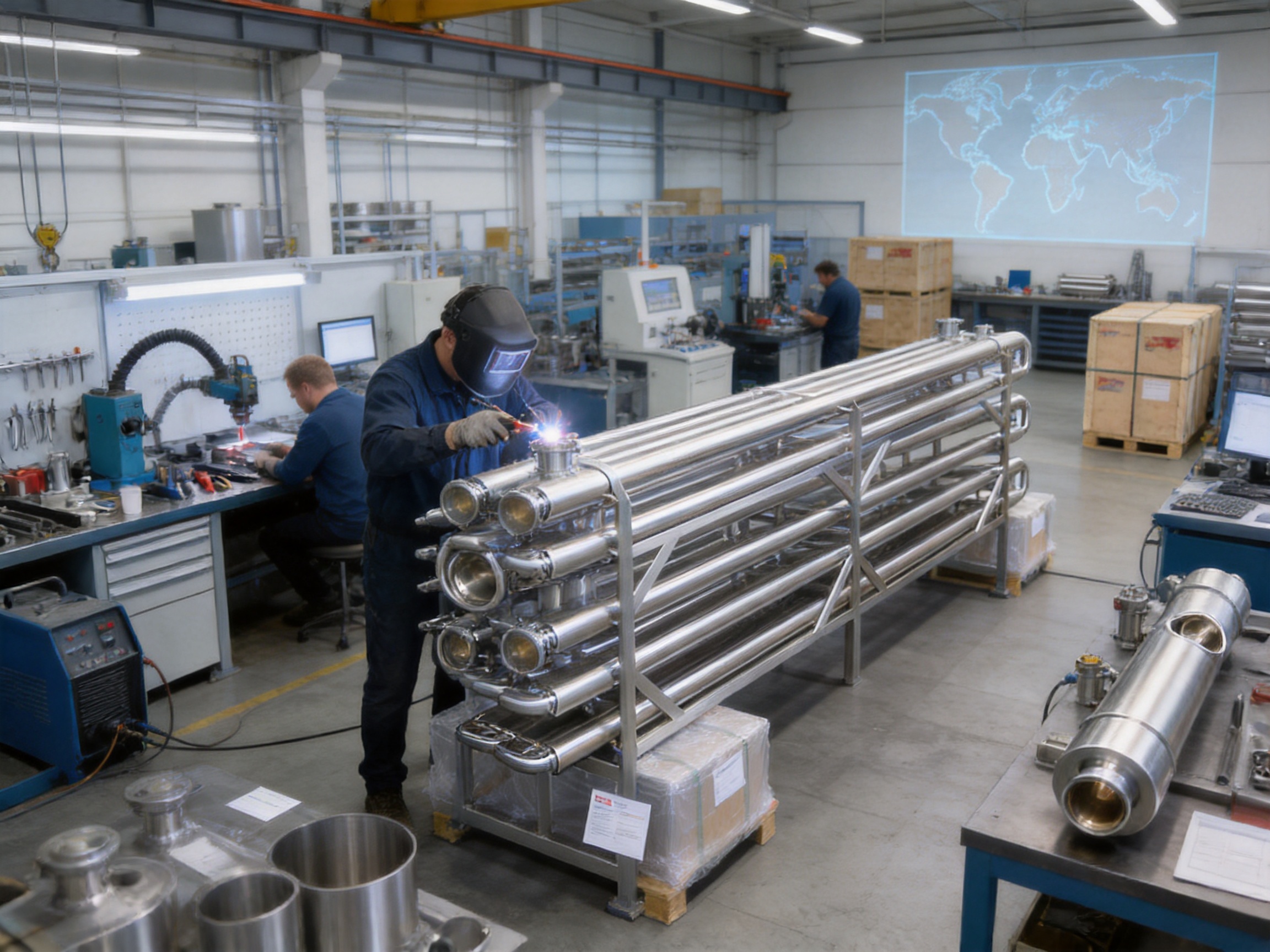
The Shanghai production facility associated with the product line covers approximately 3,000 square meters and supports processing, welding, polishing, and quality-control activities. More than 20 technical specialists contribute to engineering, production, and inspection work. This combination of workshop capability and technical personnel supports the fabrication of customized tubular equipment.
Stainless steel processing requires discipline at every stage. Material identification should be maintained during cutting, forming, welding, and assembly to prevent unintended material substitution. Components should be protected from contamination by carbon steel particles, oils, dust, and unsuitable tools.
Tube cutting and preparation must achieve accurate dimensions and clean edges. Poor preparation can lead to misalignment, excessive weld irregularity, or unnecessary rework. Proper fit-up improves weld consistency and reduces the risk of internal protrusions that could affect product flow or cleaning.
Controlled Welding
Welding is one of the most important manufacturing operations for hygienic tubular equipment. Welds must provide mechanical strength while maintaining an internal surface that is compatible with cleaning and product-contact requirements.
Controlled welding procedures help reduce defects such as incomplete penetration, porosity, undercut, excessive oxidation, distortion, and internal irregularity. The appropriate welding method depends on material thickness, joint design, access, tube geometry, and project requirements.
After welding, the joints may require visual inspection, dimensional verification, surface treatment, leak testing, or other inspection activities. Where the customer requires additional records, weld identification and traceability can be incorporated into the manufacturing documentation.
Polishing and Surface Finishing
Surface finishing influences both hygiene and maintenance. Smooth product-contacting surfaces reduce the opportunity for product retention and make cleaning more effective. Polishing can also improve the appearance of the equipment and help remove surface discoloration or weld oxidation when carried out correctly.
The required finish should be specified according to the process. Food and biopharmaceutical applications may require tighter surface-finish expectations than general industrial utility service. The final finish should be verified using the inspection method and acceptance criteria agreed with the customer.
Dimensional Control and Assembly
Accurate assembly is necessary for proper connection alignment, even loading, tube support, and reliable sealing. Misaligned tube sections can place stress on gaskets and clamps, increasing the risk of leakage during operation.
Assembly personnel should verify tube lengths, connection locations, support positions, flange orientation, clamp alignment, and overall dimensions. A modular design makes this control especially important because several sections may need to connect correctly within a limited installation space.
Quality Control and Traceability
Quality control should cover incoming materials, fabrication, welding, surface treatment, assembly, pressure testing, dimensional inspection, and final packaging. The exact inspection plan depends on the product design and customer requirements.
Traceability helps connect the finished equipment to its materials, drawings, inspection records, and production history. This is valuable for regulated users and for any customer that needs to maintain a clear maintenance and replacement record over the operating life of the equipment.
The manufacturing approach combines European process know-how, Danish design influence, local production capability, and international trade experience. This combination allows the supplier to provide not only a fabricated exchanger but also technical communication, supply coordination, export support, and engineering assistance for international customers.
How to Select the Right Heat Exchanger
Define the Product and Utility Media
The first step is to identify both fluids. The product side may contain water, milk, juice, oil, chemical liquid, pharmaceutical solution, particles, fibers, or suspended solids. The utility side may use hot water, chilled water, glycol, steam-related service, thermal oil, or another heat-transfer medium.
The designer should know whether the product is corrosive, reactive, shear-sensitive, oxygen-sensitive, flammable, abrasive, or prone to thermal degradation. Viscosity may change significantly with temperature, so data at both inlet and outlet conditions can be important.
Determine Thermal Conditions
Required information normally includes inlet temperature, target outlet temperature, flow rate, operating pressure, maximum allowable pressure drop, and required heating or cooling capacity. If pasteurization or sterilization is involved, the holding time and temperature profile may also be required.
Inlet and outlet temperatures should be provided for both sides whenever possible. This allows the supplier to evaluate the temperature difference, potential approach temperature, and expected heat-transfer area more accurately.
Consider Fouling and Cleaning
Fouling can result from proteins, sugars, minerals, oils, polymers, suspended solids, chemical precipitation, or thermal degradation. The type and rate of fouling influence the tube diameter, flow velocity, surface finish, cleaning frequency, and whether disassembly access is necessary.
Customers should state whether cleaning will be performed manually, through CIP, or by a combination of methods. Cleaning chemicals, concentration, temperature, flow velocity, and cycle duration should be considered during design. Gasket materials and stainless-steel grades must be compatible with the selected cleaning program.
Evaluate Installation and Maintenance Space
The available space should include not only the equipment footprint but also the clearance required for disassembly, inspection, tube-section removal, connection access, and lifting. A compact exchanger that cannot be maintained safely may create higher costs later.
Installation orientation, support points, drainage direction, pipe flexibility, and access to valves and instruments should be confirmed. The modular structure provides flexibility, but it must be coordinated with the layout of the entire processing system.
Review Documentation and Service Capability
For international projects, the supplier should be able to support technical clarification, commercial documentation, export coordination, packaging, shipping arrangements, and communication among the customer, engineering team, and logistics providers.
For food and pharmaceutical projects, customers may also request drawings, material information, inspection records, operating instructions, cleaning recommendations, spare-parts lists, and maintenance guidance. These requirements should be included in the purchase specification.
Operating and Maintenance Recommendations
Before starting operation, confirm that the tube sections are correctly aligned, all seals are properly installed, and connections are tightened according to the applicable specifications. Verify that the product and utility lines are connected to the correct ports and that the selected flow direction matches the design.
Pressure and temperature should be increased gradually during commissioning. Sudden thermal or pressure changes may stress the tube walls, connections, supports, and gaskets. Gradual startup also allows the operator to identify abnormal vibration, leakage, unstable flow, or unexpected pressure loss.
During operation, monitor inlet and outlet temperatures, flow rates, pressure, and pressure difference where instrumentation is available. A gradual reduction in thermal performance may indicate fouling, insufficient flow, incorrect flow direction, air accumulation, utility-temperature changes, or an instrumentation problem.
If the outlet temperature does not meet the process requirement, first check whether the heating or cooling utility is within specification. Then inspect flow stability, pressure, valve position, tube-section arrangement, and the condition of the heat-transfer surfaces.
If clogging occurs on the product side, isolate the equipment safely, depressurize it, and follow the site procedure for draining and cleaning. Tube sections may be disassembled to remove residual product or foreign matter. The operator should also confirm that particle content and viscosity remain within the design range.
Leakage at connections may result from aged or damaged gaskets, incorrect alignment, uneven tightening, excessive vibration, thermal cycling, or damaged sealing surfaces. The affected connection should be inspected and repaired rather than simply tightened repeatedly without identifying the cause.
For long-term shutdown, drain the media from the equipment and follow the recommended cleaning and preservation procedure. Remaining liquid may freeze, corrode the system, degrade, or become difficult to remove after extended storage.
Typical Troubleshooting Guide
| Observed issue | Potential causes | Recommended checks |
|---|---|---|
| Outlet temperature is outside specification | Fouling, insufficient utility temperature, unstable flow, incorrect flow direction | Check temperatures, flow rates, pressure, tube arrangement, and heat-transfer surfaces |
| Pressure drop increases | Product buildup, particles, excessive viscosity, blocked passage, incorrect valve position | Inspect the product path, verify operating conditions, and clean the tube sections |
| Product-side clogging | Particle concentration too high, low flow velocity, unsuitable tube diameter, product solidification | Remove residual material, review product properties, and confirm design limits |
| Leakage at a connection | Damaged gasket, poor alignment, insufficient or uneven tightening | Depressurize, inspect the seal, realign the connection, and replace components if necessary |
| Uneven temperature distribution | Unequal flow in parallel tubes, poor manifold distribution, localized fouling | Check manifolds, flow balance, sensors, and internal cleanliness |
| Excessive vibration or noise | Unstable flow, inadequate support, gas pockets, pump or piping problems | Inspect supports, venting, pump operation, and connected piping |
Service and Supply Strengths
A heat exchanger supplier should provide more than a standard catalog item when the equipment forms part of a hygienic or customized process system. Customers may need support with product selection, heat-transfer calculations, connection adaptation, layout coordination, documentation, and international delivery.
The company behind this product line was established in Shanghai in March 2026 and focuses on international trade, import and export agency services, equipment manufacturing, and engineering and technical services. Its product scope includes fluid equipment for food and beverage, biopharmaceutical, daily chemical, and fine chemical industries.
The supplier combines manufacturing capability with international procurement and export-service experience. This is useful for customers that need one coordinated contact for technical clarification, production follow-up, shipping documents, and communication across different countries or regions.
Its approximately 3,000-square-meter facility includes capabilities for processing, welding, polishing, assembly, and quality control. A technical team of more than 20 specialists supports product development, manufacturing, inspection, and customer communication. These capabilities help the supplier respond to custom requirements rather than limiting customers to fixed dimensions.
European know-how and Danish design influence contribute to the focus on process optimization, clear equipment structure, safe operation, and maintainability. Local manufacturing in Shanghai supports flexible production and coordination, while international trade experience helps simplify overseas purchasing.
The company also emphasizes integrity, pragmatism, innovation, development, excellent quality, and global sharing. In practical terms, these values should be reflected in accurate technical communication, transparent specifications, responsive problem-solving, reliable delivery coordination, and attention to traceability.
For customers purchasing process equipment internationally, this combination can reduce the difficulties associated with dealing separately with a design consultant, fabricator, export agent, and logistics coordinator. The final benefit depends on the project scope and agreed service package, but a coordinated supplier can improve communication throughout the procurement cycle.
Economic and Operational Benefits
The purchase price of a heat exchanger is only one part of its total cost. Energy use, cleaning chemicals, labor, downtime, product loss, maintenance, spare parts, and replacement frequency can have a greater effect over the equipment’s operating life.
A tubular exchanger that matches the product properties can reduce clogging and cleaning interruptions. Its modular structure can simplify maintenance and allow individual sections or seals to be serviced without replacing the entire system. Its compact configuration may reduce installation and support costs where space is limited.
Efficient countercurrent heat transfer can also reduce utility consumption when the process is properly designed and controlled. Heat recovery configurations may use energy from a hot outgoing stream to preheat a cold incoming stream, further improving plant efficiency.
For high-viscosity products, low flow resistance may reduce pumping energy and improve process stability. For particle-containing products, a larger flow passage can reduce the frequency of blockages and product flushing. These benefits must be evaluated using actual operating data rather than general assumptions.
Good maintenance documentation and traceability can reduce the time required to diagnose problems. When the operator knows the equipment configuration, material grades, seal specifications, and recommended cleaning methods, corrective action can be taken more quickly.
Conclusion
Double-pipe and multi-tube heat exchangers offer a balanced solution for industrial heating and cooling. Their concentric tubular structure provides reliable separation between process and utility media, while the modular design supports different flow rates, heat loads, installation conditions, and maintenance strategies.
The equipment is particularly valuable for food and beverage, biopharmaceutical, pharmaceutical, chemical, and industrial applications involving viscous materials, particles, hygienic requirements, pressure variation, or fouling risk. Stainless steel construction, sanitary connections, smooth flow channels, detachable tube sections, and CIP compatibility support clean and dependable production.
Compared with plate heat exchangers, tubular systems may offer greater tolerance of particles, viscosity, and demanding pressure conditions. Compared with large shell-and-tube units, they may provide a more compact and flexible alternative for specialized duties and small or medium-sized process systems. Their real performance depends on correct engineering, accurate fabrication, proper installation, and disciplined operation.
The manufacturing strengths associated with this product include process-based design, stainless-steel fabrication, controlled welding, polishing, assembly, inspection, and quality traceability. A Shanghai facility, technical specialists, European know-how, Danish design influence, and international trade capabilities support the development of customized equipment for customers in different markets.
When selecting a heat exchanger, users should evaluate the medium properties, flow rates, temperatures, pressure, heat duty, fouling tendency, cleaning method, installation space, documentation needs, and future production plans. With these factors clearly defined, a double-pipe or multi-tube heat exchanger can provide efficient thermal management, reduced maintenance complexity, and reliable long-term support for hygienic and industrial processing.
Questions and Answers
What is the main difference between a double-pipe and a multi-tube heat exchanger?
A double-pipe heat exchanger normally uses one inner tube and one outer tube, with the two media flowing through separate passages. A multi-tube heat exchanger uses several heat-transfer tubes or several tubular modules to increase heat-transfer area and processing capacity. The double-pipe design is often suitable for smaller or simpler duties, while a multi-tube arrangement can serve higher flow rates or greater heat loads.
Can the equipment handle high-viscosity products?
Yes. The equipment can be designed for high-viscosity products by selecting a suitable tube diameter, flow velocity, number of passes, and module arrangement. A single large-diameter tube is particularly useful where low flow resistance and reduced clogging risk are important.
Is it suitable for products containing particles?
It can be suitable for particle-containing media when the particle size, concentration, shape, and flow behavior are within the equipment’s design range. The tube diameter and configuration should be selected carefully. Large particles, excessive solids, or materials that settle rapidly may require additional process evaluation or upstream handling equipment.
Can the heat exchanger be used for pasteurization?
Yes. It can be integrated into pasteurization systems for dairy products, juices, beverages, and other suitable liquids. The complete system must control heating, holding time, cooling, flow rate, and temperature monitoring. The heat exchanger should be selected together with the holding tube, pumps, valves, sensors, and control system.
What stainless-steel materials are available?
Food-grade stainless steel 304 and 316L are common options for product-contacting surfaces. The correct material depends on the product, cleaning chemicals, temperature, chloride exposure, corrosion conditions, and customer documentation requirements. Other materials may be considered for specialized industrial applications.
Does the equipment support clean-in-place cleaning?
It can support CIP when the internal geometry, connections, drainage, flow velocity, and cleaning system are designed accordingly. Some products may still require periodic disassembly cleaning, particularly when they form hard deposits or contain particles. The cleaning method should be defined during the design stage.
Can the equipment be customized?
Yes. Customization may include tube diameter, tube length, number of tubes, number of passes, series or parallel arrangement, connection type, material grade, support structure, flow direction, insulation, instrumentation, and installation orientation. Custom design requires accurate information about the process and site conditions.
What information is needed for a quotation?
Useful information includes the product and utility media, flow rates, inlet and outlet temperatures, operating pressure, required heat-transfer duty, viscosity, particle content, corrosiveness, cleaning method, connection sizes, available installation space, and documentation requirements.
How can fouling be reduced?
Fouling can be reduced through suitable flow velocity, correct temperature control, smooth surfaces, appropriate tube diameter, regular cleaning, and avoiding excessive product residence time at high temperature. Operators should monitor pressure drop and heat-transfer performance so that cleaning can be scheduled before severe blockage occurs.
Why is countercurrent flow often preferred?
Countercurrent flow maintains a useful temperature difference along a larger portion of the exchanger. This can improve thermal efficiency and help the process approach its target outlet temperature. Parallel flow may still be selected for specific product, control, or layout requirements.
What should be checked if the outlet temperature is incorrect?
Check the inlet temperatures, flow rates, utility supply, pressure, valve positions, flow direction, tube-section arrangement, and heat-transfer surfaces. Fouling on either the product or utility side can reduce performance. Instrument calibration should also be reviewed before major maintenance is undertaken.
How should leakage at a connection be handled?
The equipment should be isolated and depressurized before inspection. Check gasket condition, alignment, connection surfaces, tightening, vibration, and thermal stress. Replace damaged seals and correct misalignment rather than repeatedly tightening a leaking connection without identifying the cause.
What manufacturing capabilities support product quality?
Key capabilities include stainless-steel processing, controlled welding, polishing, dimensional assembly, inspection, pressure testing where required, and quality documentation. A dedicated facility and technical team help coordinate these operations for customized equipment.
Can international customers receive export and technical support?
International customers can receive support with product consultation, technical communication, supply-chain coordination, import and export agency services, documentation, and export arrangements. The exact scope of support should be confirmed for each project.
References
1. General principles of tubular heat-transfer equipment design and thermal process engineering.
2. Good engineering practice for hygienic design in food and beverage processing systems.
3. Stainless-steel material selection for food, pharmaceutical, chemical, and industrial process equipment.
4. Industrial guidance on clean-in-place systems, fouling control, and hygienic process maintenance.
5. Heat exchanger operation, maintenance, troubleshooting, and performance monitoring principles.
6. Process equipment fabrication practices covering stainless-steel cutting, welding, polishing, inspection, and traceability.
7. Technical product information for double-pipe and multi-tube heat exchangers supplied for food, beverage, biopharmaceutical, pharmaceutical, and chemical applications.
Product: Double-pipe / Multi-tube Heat Exchanger
PREV:Food-Grade CIP Systems for Efficient, Hygienic, and Traceable Process Cleaning
NEXT:Shell and Tube Heat Exchanger-Flange Type: Hygienic, Maintainable Process Heat Transfer for Food and Biopharmaceutical Manufacturing
NEXT:Shell and Tube Heat Exchanger-Flange Type: Hygienic, Maintainable Process Heat Transfer for Food and Biopharmaceutical Manufacturing
Interested in cooperation or have questions?
Recommended LINS
✦
Food and Beverage Process System
food and beverage process skid system
Milk Processing Heat Exchanger
Food Processing Skid System
Aseptic Processing Equipment for Liquid Foods
Aseptic Beverage Processing Line
Aseptic Milk Processing Equipment
Indirect Heating UHT Sterilizer
UHT Processing Equipment for Plant Based Milk
UHT Processing System for Dairy Products
Let'S Work Together Welcome Aboard!
-

haikexin@haikexin.com
+8613391278930
-
 +86-21-57560276
-
 No. 2819, Sihu Road,Fengxian District, Shanghai, China
Join Our Mailing List
Copyright © Shiloc (Shanghai) Industrial Trading Co., Ltd. All Rights Reserved.
Process Systems & Equipment For Food & Biopharma Manufacturers
