
 English
 русский
 Português
 Français



 Read More

Product Category
NEW Category
Contact us
Contact Us
We specialise in the research, development and manufacture of electrical wires and cables.
 +86-21-57560276
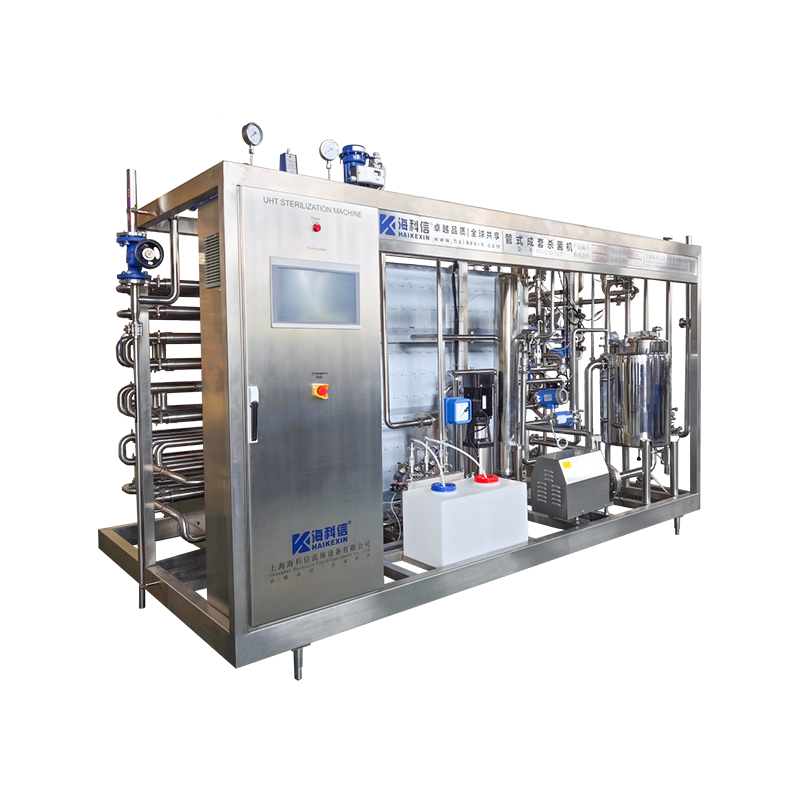
Automatic UHT Sterilizer: Advanced Process Efficiency for Food and Biopharmaceutical Manufacturing
Content
- 1 1. The Role of UHT Sterilization in Modern Processing
- 2 2. What Is an Automatic UHT Sterilizer?
- 3 3. How the UHT Sterilization Process Works
- 4 4. Main Advantages Over Conventional and Less Integrated Systems
- 5 5. Product Design and Engineering Features
- 6 6. Advanced Manufacturing and Quality-Control Strengths
- 7 7. Customization for Different Products and Production Conditions
- 8 8. Application in Food and Beverage Manufacturing
- 9 9. Application in Biopharmaceutical and Related Industries
- 10 10. Cleaning, Maintenance, and Lifecycle Efficiency
- 11 11. Compliance, Documentation, and Validation Considerations
- 12 12. Why Choose an Integrated Equipment Partner?
- 13 13. Project Engineering and Customer Collaboration
- 14 14. Selecting the Right Automatic UHT Sterilizer
- 15 15. Operating Benefits for Manufacturers
- 16 16. Frequently Asked Questions
- 16.1 Q1: What is the main purpose of an automatic UHT sterilizer?
- 16.2 Q2: How does automation improve sterilization performance?
- 16.3 Q3: What products can be processed with this type of equipment?
- 16.4 Q4: How much energy can the system save?
- 16.5 Q5: Why is rapid cooling important?
- 16.6 Q6: Is the UHT sterilizer compatible with CIP?
- 16.7 Q7: What materials are used in the equipment?
- 16.8 Q8: Can the system be customized with preferred component brands?
- 16.9 Q9: What information is needed for a quotation?
- 16.10 Q10: Is the equipment suitable for biopharmaceutical applications?
- 16.11 Q11: What manufacturing capabilities support the equipment?
- 16.12 Q12: How does an integrated process skid simplify installation?
- 17 17. Conclusion
- 18 References
- 19 Product: Automatic UHT (Ultra-High Temperature) Sterilizer
Modern food, beverage, and biopharmaceutical manufacturers require processing equipment that can deliver safety, consistency, energy efficiency, and dependable long-term operation. An automatic ultra-high temperature sterilizer addresses these requirements by combining rapid thermal treatment, precise process control, hygienic construction, efficient heat recovery, and automated cleaning and production functions. Designed for liquid and pumpable products, the system can help manufacturers improve microbial safety while protecting flavor, nutritional value, formulation stability, and production efficiency.
Unlike basic batch heating equipment or manually operated sterilization systems, an automatic UHT sterilizer integrates the primary stages of continuous processing into one coordinated process platform. Product preheating, ultra-high temperature treatment, holding, cooling, diversion, cleaning, and monitoring can be managed through a centralized control system. This integrated approach minimizes variation between production cycles, reduces operator workload, and supports reliable high-volume processing.
The system is suitable for a wide range of applications, including milk, cream, plant-based beverages, juice drinks, functional beverages, liquid nutritional products, sauces, liquid foods, and selected biopharmaceutical or process-fluid applications. With hygienic stainless-steel construction, customizable fittings, heat recovery exceeding 85% in suitable configurations, and compatibility with recognized engineering and sanitary requirements, it provides a practical foundation for modern process plants.
This article explains how an automatic UHT sterilizer works, why it improves sterilization efficiency, how its design compares with conventional alternatives, and how advanced manufacturing, engineering coordination, and quality control contribute to reliable equipment performance.
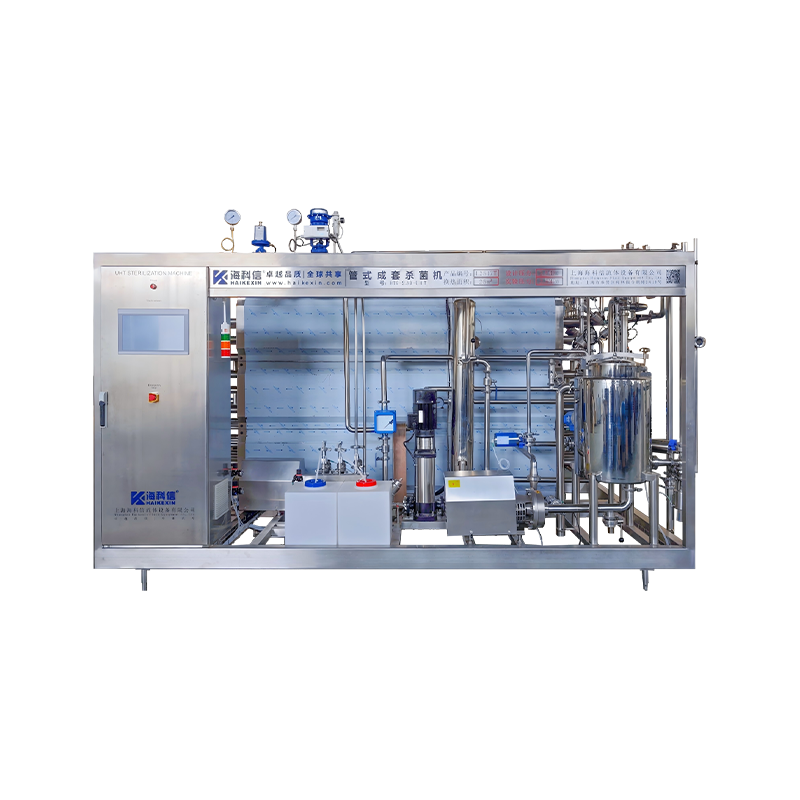
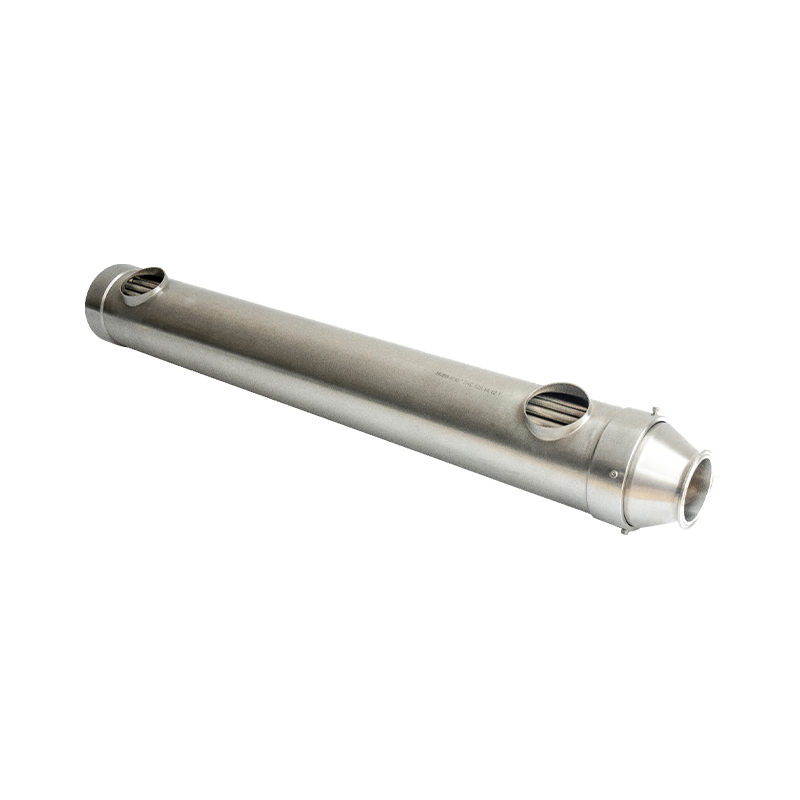
Automatic UHT (Ultra-High Temperature) Sterilizer
1. The Role of UHT Sterilization in Modern Processing
Microbial control is one of the most important challenges in liquid food and beverage production. Products containing water, proteins, carbohydrates, fats, minerals, or other nutrients can support microbial growth if they are not properly treated and protected. Manufacturers must therefore achieve an appropriate level of microbial reduction without causing excessive thermal damage.
Ultra-high temperature sterilization addresses this challenge through a short-time, high-temperature process. The product is heated rapidly to a specified ultra-high temperature, held for a controlled period, and then cooled quickly. The objective is to destroy harmful microorganisms and reduce spoilage organisms while limiting the effect of heat on sensory and nutritional characteristics.
Compared with extended conventional heating, rapid UHT treatment can reduce the total thermal load applied to the product. This is particularly important for products whose taste, color, viscosity, aroma, or nutritional profile may change when exposed to heat for too long. Precise temperature control and rapid cooling help maintain a more consistent product profile.
An automatic UHT sterilizer is more than a heater. It is a complete process system that coordinates thermal energy, product flow, pressure, time, instrumentation, valves, control logic, cleaning, and safety functions. The quality of the final result depends on the relationship between all of these components. A highly efficient heat exchanger cannot compensate for poor flow control, and accurate temperature measurement is not sufficient if the system cannot maintain the required holding time.
For this reason, a properly engineered UHT system must be designed around the product, the production capacity, the required sterilization conditions, the available utilities, the cleaning strategy, and the packaging or downstream filling arrangement. An integrated process skid allows these factors to be considered together rather than treated as separate equipment purchases.
2. What Is an Automatic UHT Sterilizer?
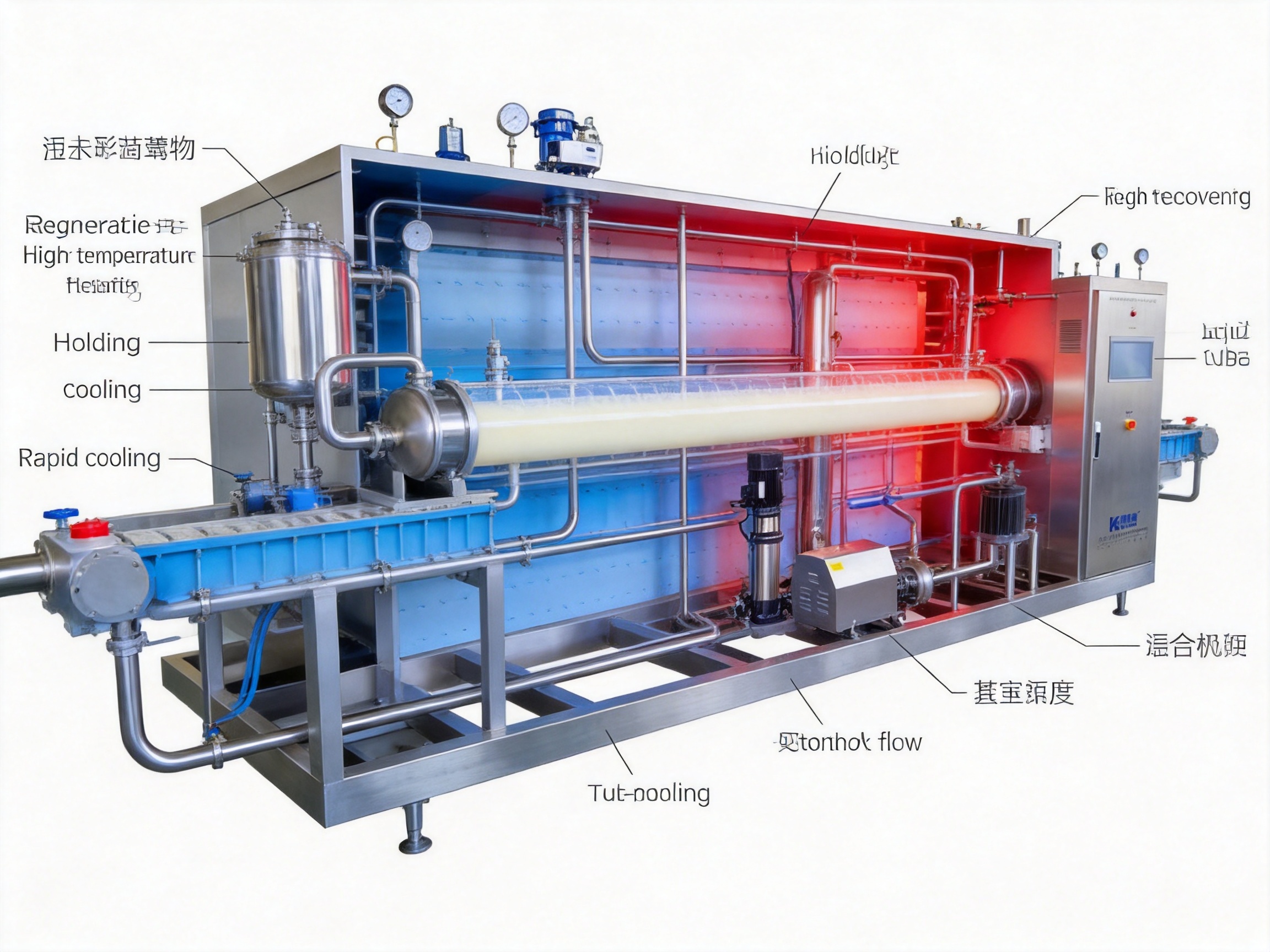
An automatic UHT sterilizer is a continuous processing unit that heats liquid products to an ultra-high temperature for a precisely controlled period before cooling them for further processing or aseptic filling. The system normally includes product pumps, heat exchangers, temperature sensors, control valves, a holding tube, cooling sections, a control cabinet, sanitary piping, cleaning connections, and safety devices.
The exact process configuration varies according to the product and production requirements. Some products may be processed through indirect heating, in which the product is separated from the heating medium by a heat-transfer surface. Other applications may use direct steam injection or steam infusion. Indirect systems are widely used because they can provide strong heat recovery, stable operation, and flexible integration with different liquid products.
Automation gives the sterilizer the ability to control the complete process sequence. A programmable logic controller or industrial automation platform can manage start-up, product changeover, production, standby, cleaning, sterilization of the system, alarms, and emergency shutdown. Operators can monitor key parameters through a human-machine interface and receive warnings when temperatures, pressures, flows, or other values move outside the permitted range.
| System Stage | Primary Function | Typical Operational Benefit |
|---|---|---|
| Product balance and feeding | Provides a stable supply of product to the process line | Reduces flow fluctuation and supports continuous production |
| Preheating | Raises product temperature before final treatment | Improves heat utilization and reduces thermal shock |
| UHT heating | Applies the specified ultra-high temperature treatment | Reduces microbial contamination and improves product safety |
| Holding tube | Maintains product under controlled conditions for the required time | Supports repeatable sterilization performance |
| Rapid cooling | Lowers product temperature after treatment | Protects flavor, nutrition, texture, and product stability |
| Control and monitoring | Records and adjusts temperature, flow, pressure, and sequence | Reduces manual intervention and process variation |
| CIP system interface | Allows cleaning solutions to circulate through the equipment | Improves hygiene and reduces cleaning labor |
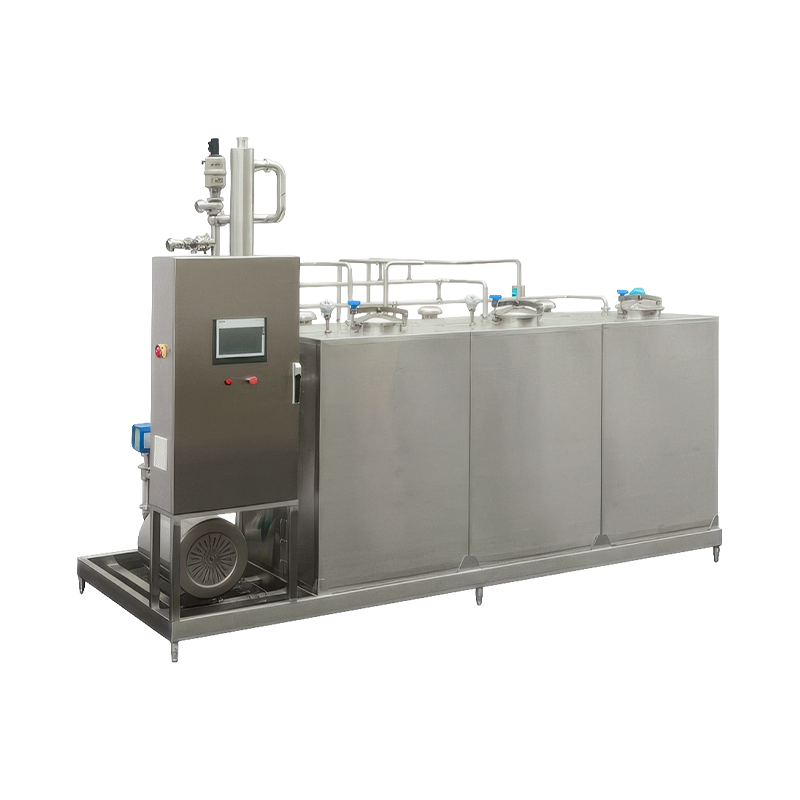
The automatic UHT sterilizer can be supplied as an integrated process skid or configured as part of a broader processing line. Its design can be adapted to connect with storage tanks, homogenizers, mixers, separators, filling machines, clean-in-place systems, and other upstream or downstream equipment.
3. How the UHT Sterilization Process Works
The UHT process begins with controlled product feeding. A sanitary pump transfers the product into the sterilizer at a stable flow rate. Flow control is essential because the product residence time in the heating and holding sections depends on the relationship between flow rate and internal volume.
During preheating, the incoming product receives thermal energy from a hot product stream leaving the high-temperature section. This regenerative heat exchange is one of the most important energy-saving features of a modern UHT system. Instead of discarding all of the heat after treatment, the system transfers a large portion of it to the incoming product.
The preheated product then enters the final heating section. Depending on the design, thermal energy may be transferred through a plate heat exchanger, tubular heat exchanger, scraped-surface exchanger, or another sanitary heat-transfer device. The correct exchanger type depends on viscosity, particle content, fouling characteristics, sensitivity to shear, and required capacity.
After reaching the target temperature, the product passes through a holding tube. The tube is dimensioned to provide the required residence time at the specified flow rate. Temperature transmitters and flow instruments support continuous monitoring. If the system detects a condition that could compromise the sterilization process, an automatic flow-diversion valve can redirect the product rather than allowing it to proceed to the finished-product route.
Following the holding section, the product is cooled. Regenerative cooling may first transfer heat back to the incoming product. Additional cooling can then be provided by chilled water, cooling water, or another suitable utility. Rapid cooling limits unnecessary heat exposure and prepares the product for aseptic filling, storage, or the next production stage.
The process is controlled as a coordinated sequence rather than as isolated temperature events. Pressure balance, flow stability, valve position, heating-medium conditions, and cleaning status all influence the result. Automated control allows the system to maintain the process more consistently than a manual arrangement in which operators must repeatedly adjust valves and monitor individual instruments.
4. Main Advantages Over Conventional and Less Integrated Systems
4.1 Consistent Sterilization Conditions
The most important advantage of an automatic UHT sterilizer is consistent process control. Manual systems may be affected by delayed adjustments, inconsistent readings, operator experience, or differences between production shifts. An automated system continuously receives information from sensors and applies programmed control logic to maintain the process within defined operating parameters.
Consistent sterilization conditions support more uniform product safety and quality. They also simplify process validation, troubleshooting, and production documentation. When the system records temperature, flow, pressure, alarms, and production status, technical teams can better understand what occurred during each cycle or production run.
4.2 Higher Production Efficiency
Continuous UHT processing can provide greater throughput than many batch-based heating methods. Product moves through the system in a controlled stream, reducing the time associated with filling, heating, holding, emptying, and manually preparing separate vessels. The equipment can support stable production over extended operating periods when properly matched to the product and plant utilities.
Automation further improves efficiency by coordinating start-up, production, changeover, and cleaning. Operators do not need to manually control every valve or repeatedly adjust every process point. This reduces routine workload and allows personnel to focus on quality supervision, material preparation, packaging, maintenance, and other higher-value activities.
4.3 Improved Heat Recovery
Heat recovery is a major differentiator between a well-engineered UHT sterilizer and a basic heating arrangement. The system can use the heat of the treated product to preheat the incoming product. In suitable configurations, heat recovery can exceed 85 percent, although the actual result depends on product characteristics, temperature requirements, exchanger design, flow conditions, insulation, and plant operation.
High heat recovery reduces the demand for steam or other heating utilities. It also lowers the cooling load because much of the thermal energy is transferred within the process before external cooling begins. Reduced utility consumption can lower operating costs and improve the environmental performance of the production line.
4.4 Better Product Quality Protection
Long exposure to heat can affect flavor, color, nutritional components, texture, and viscosity. UHT systems are designed to provide rapid heating and rapid cooling, limiting unnecessary residence time at elevated temperatures. The result is a better opportunity to preserve the original characteristics of the product while achieving the required microbial reduction.
Product quality depends on the complete process, not only on the maximum temperature. Pump selection, flow velocity, pressure profile, heat-transfer surface, holding time, cooling rate, and product formulation must all be evaluated. Customized equipment configuration helps ensure that the thermal process is appropriate for the product rather than relying on a one-size-fits-all design.
4.5 Reduced Operator Error
Automation reduces the number of manual decisions required during production. Interlocks can prevent unsafe or incorrect actions, while programmed sequences help ensure that valves, pumps, heating systems, and product routes operate in the intended order. Alarm systems can notify operators of abnormal conditions before they become more serious.
Reduced manual intervention does not eliminate the need for trained personnel. Operators remain responsible for verifying materials, reviewing alarms, confirming cleaning status, and responding to process conditions. However, the equipment provides a more structured and repeatable operating environment.
4.6 Hygienic and Efficient Cleaning
UHT equipment must be cleaned effectively because residual product can support microbial growth, cause fouling, restrict flow, and reduce heat-transfer performance. CIP compatibility allows cleaning solutions to circulate through the product-contact surfaces without requiring complete disassembly after every production cycle.
An efficient CIP design considers pipe routing, drainability, valve arrangement, spray coverage where applicable, flow velocity, chemical concentration, temperature, time, and rinse quality. Hygienic welding and polished product-contact surfaces also help reduce contamination risks and make cleaning more effective.
5. Product Design and Engineering Features
5.1 Food-Grade Stainless-Steel Construction
Product-contact surfaces are commonly manufactured from food-grade stainless steel selected for corrosion resistance, durability, cleanability, and compatibility with the processed product. Stainless-steel construction provides a robust foundation for dairy, beverage, nutritional, and liquid-food applications.
Material quality must be considered together with fabrication quality. Even a suitable stainless-steel grade can perform poorly if welds are uneven, surfaces are difficult to clean, dead legs are present, or the system is not properly passivated and finished. Hygienic design therefore includes material selection, welding, polishing, inspection, assembly, and final cleaning.
5.2 Efficient Heat-Exchange Arrangement
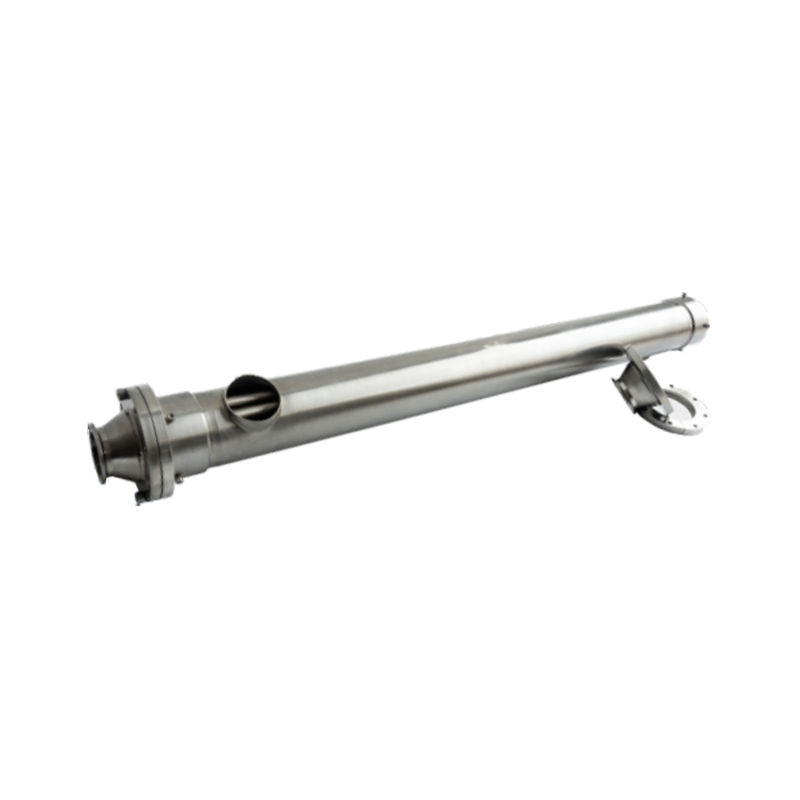
The heat exchanger is central to the thermal performance of a UHT sterilizer. Plate exchangers can offer compact construction and high heat-transfer efficiency for suitable low- to medium-viscosity products. Tubular exchangers may be more appropriate for products with higher viscosity, particulates, or greater fouling tendencies. Scraped-surface designs can be considered for selected products that require additional control of fouling or wall heat transfer.
The process design should account for temperature difference, pressure drop, flow regime, product viscosity, particle size, cleaning requirements, and future capacity expectations. A correctly selected exchanger can provide efficient heating and cooling while helping to protect product quality and minimize maintenance.
5.3 Automated Flow Diversion
A flow-diversion system is an important safety and quality feature. If the product has not reached the required temperature or if another critical condition is outside its permitted range, the system can divert the product away from the finished-product route. This reduces the risk of sending inadequately treated product forward.
Flow diversion can be integrated with temperature transmitters, pressure sensors, flow meters, valve position feedback, and programmable control logic. The exact design should be established through a documented process assessment and validated according to the application requirements.
5.4 Instrumentation and Data Monitoring
Accurate instruments are necessary for reliable process control. Typical measurement points include product temperature before and after heating, holding-section temperature, product flow, product pressure, heating-medium pressure, cooling-medium conditions, and tank levels. The system may also monitor conductivity during CIP, valve status, pump status, and alarm conditions.
Data monitoring supports production traceability and maintenance planning. Trends can reveal gradual fouling, pump wear, unstable utility supply, or unusual temperature behavior. By identifying these changes earlier, maintenance teams can act before the issue causes a major production interruption.
5.5 Safety Systems
Safety functions may include high-temperature protection, low-flow protection, pressure monitoring, pump interlocks, emergency stops, heating-medium isolation, overpressure protection, and automatic product diversion. These functions are intended to protect personnel, equipment, product, and the surrounding production environment.
Safety design must be adapted to the complete installation, including steam, compressed air, electrical power, hot water, chilled water, chemical cleaning agents, and connected equipment. Equipment documentation should clearly identify operating limits, maintenance requirements, and emergency procedures.
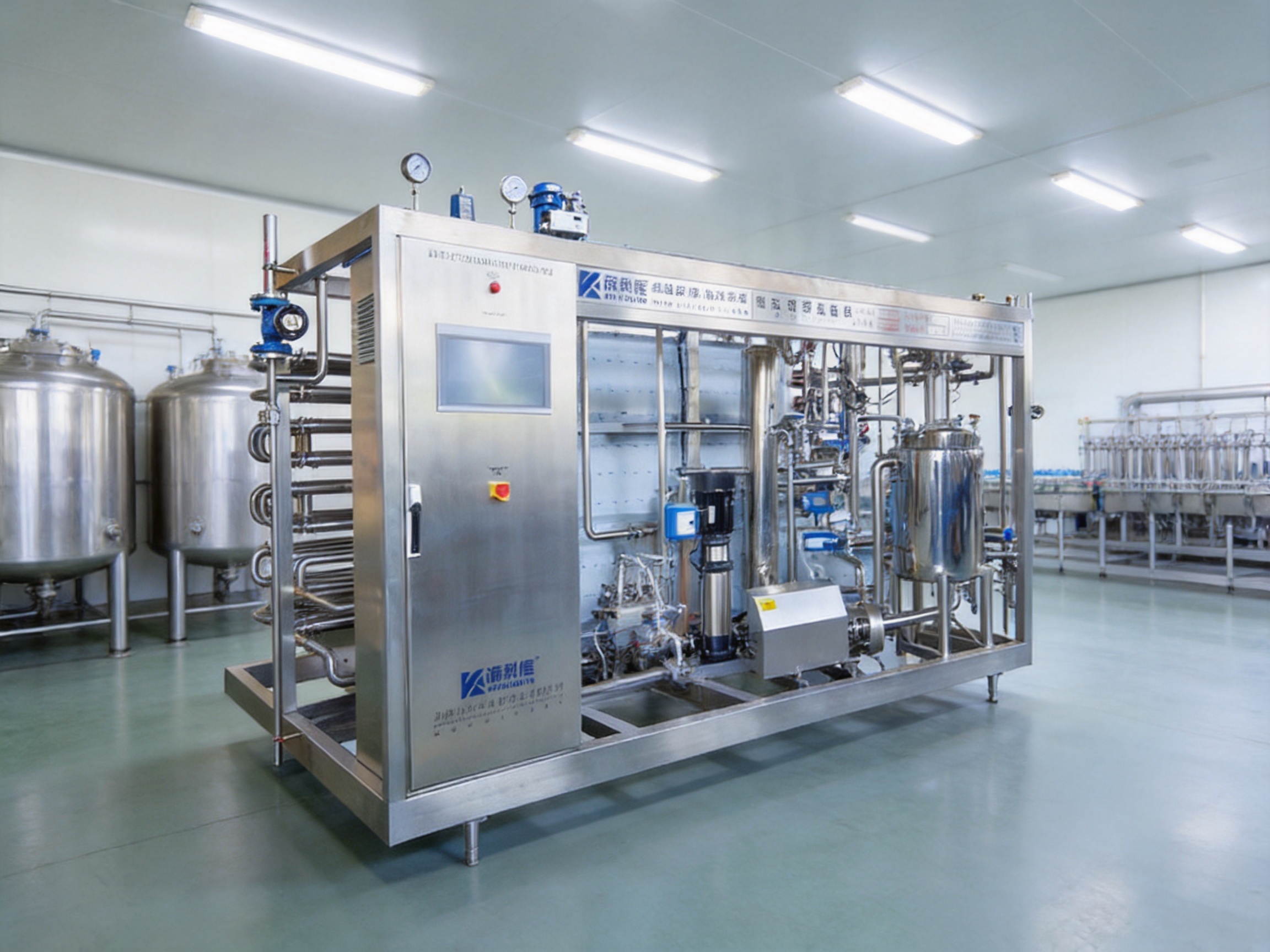
6. Advanced Manufacturing and Quality-Control Strengths
The performance of a UHT sterilizer depends not only on its process concept but also on how the equipment is manufactured. A reliable system requires disciplined engineering from initial specification through fabrication, inspection, assembly, testing, packaging, and installation support.
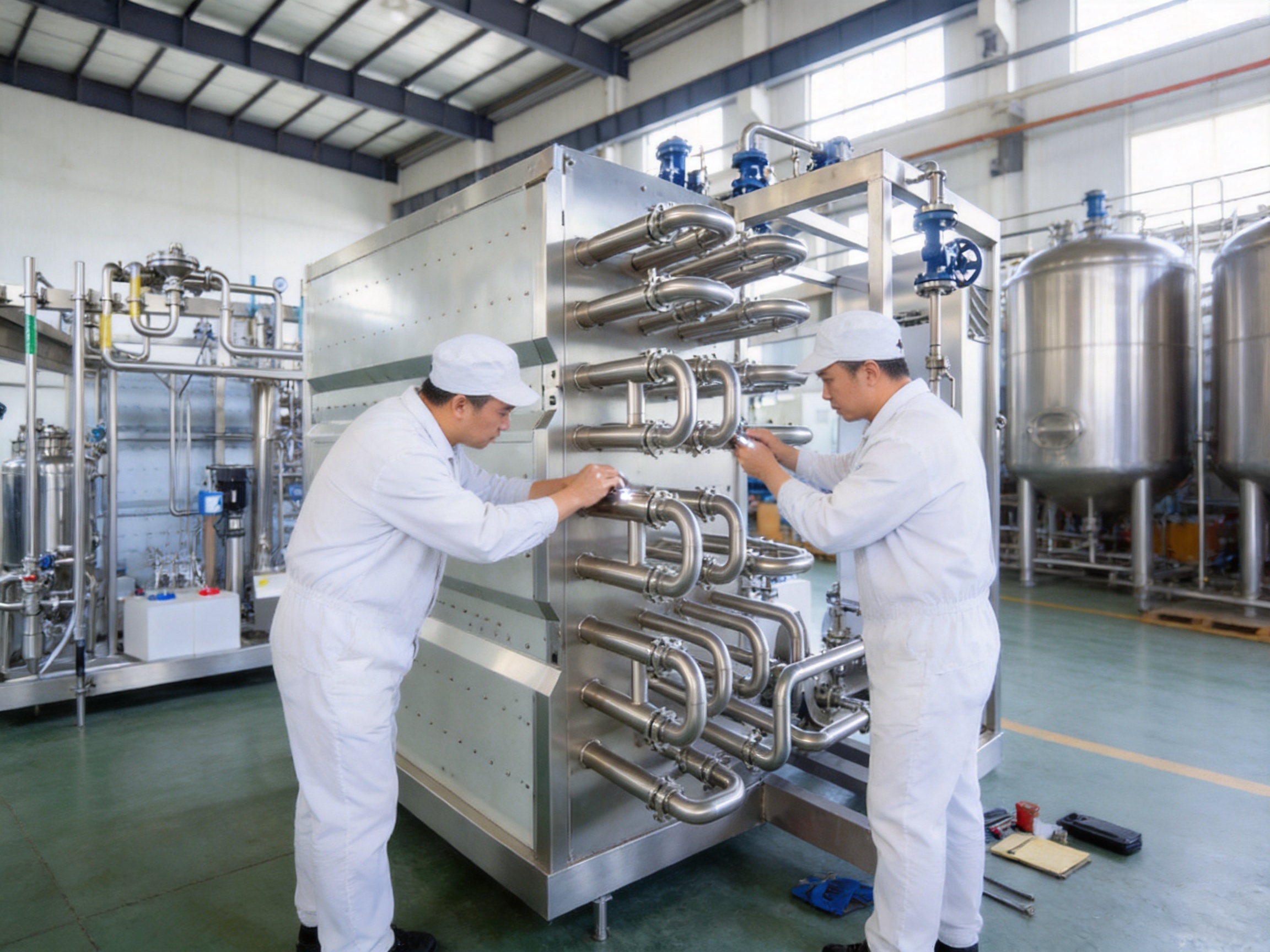
The manufacturing capabilities associated with the equipment include process design, sanitary welding, surface polishing, skid fabrication, piping assembly, instrumentation integration, electrical control, quality inspection, and final commissioning coordination. These capabilities allow the equipment to be delivered as a coordinated solution rather than as a collection of unrelated components.
6.1 European Know-How and Danish Design Principles
The equipment development approach is built on European process-equipment know-how and Danish design principles. This design philosophy emphasizes hygienic construction, practical serviceability, process stability, efficient use of utilities, and careful attention to detail. These principles are particularly valuable in food and biopharmaceutical processing, where contamination control and repeatability are essential.
Design is not limited to selecting a heat exchanger and connecting pipes. It includes analyzing the product route, minimizing dead zones, arranging valves for cleanability, providing suitable access for inspection, and making the skid understandable for operators and maintenance technicians. A clear and serviceable design can reduce the risk of operating mistakes and shorten the time required for maintenance activities.
6.2 Integrated Shanghai Manufacturing Facility
The company operates a 3,000-square-meter facility in Shanghai with more than 20 technical specialists. The facility supports equipment processing, welding, polishing, assembly, quality control, and technical coordination. Bringing these activities together can improve communication between engineering and production teams and make it easier to manage project-specific requirements.
An integrated manufacturing environment also helps maintain consistency between drawings and the finished equipment. Fabrication teams can communicate directly with process engineers about piping routes, component access, instrument locations, and installation constraints. This reduces the possibility that a practical manufacturing issue will remain undiscovered until the equipment reaches the customer’s site.
6.3 Sanitary Welding and Polishing
Sanitary welding is a critical manufacturing process for UHT equipment. Product-contact welds must be carefully executed to reduce crevices, surface irregularities, and contamination points. Welding procedures, operator skill, joint preparation, shielding, alignment, and post-weld finishing all affect the final result.
Polishing improves surface smoothness and helps prevent product residue from accumulating in the process line. The required surface finish depends on the application, the product, and the customer’s hygienic standards. Inspection may include visual checks, dimensional verification, weld inspection, surface assessment, and documentation of relevant fabrication activities.
6.4 Component Selection and Customization
Different plants have different requirements for pumps, valves, sensors, control systems, heat exchangers, fittings, utility connections, and documentation. The sterilizer can be customized with components from leading global or Chinese brands according to the customer’s budget, technical standards, maintenance preferences, and local availability.
This flexible component strategy provides several advantages. Customers can specify preferred brands, maintain consistency with their existing plant equipment, or select economical alternatives without changing the overall process concept. Spare-parts availability, service capability, electrical standards, and control-platform compatibility can all be considered during engineering.
6.5 Quality Control and Traceability
Quality control should extend throughout the project. Typical activities may include review of process specifications, material verification, inspection of purchased components, dimensional checks, weld-quality assessment, pressure or leak testing, control-panel inspection, instrument calibration verification, and functional testing of the complete skid.
Traceability is particularly important for hygienic equipment. Documentation can include material certificates, component certificates, welding records, inspection reports, calibration records, test results, equipment drawings, operating manuals, and recommended maintenance schedules. Complete documentation helps customers operate the equipment safely and supports future service work.
7. Customization for Different Products and Production Conditions
There is no single UHT configuration suitable for every product. Milk, plant-based beverages, fruit drinks, nutritional liquids, sauces, and biopharmaceutical process fluids can differ significantly in viscosity, acidity, solids content, sensitivity to heat, tendency to foam, particle content, and fouling behavior.
For dairy products, the system may need to preserve emulsion stability and reduce the risk of protein fouling. For fruit or functional beverages, flavor and color preservation may be especially important. For sauces or higher-viscosity liquids, tubular or scraped-surface heat exchange may be more appropriate than a standard plate arrangement. For nutritional products, the thermal process must be coordinated with formulation stability and hygienic handling.
| Product Consideration | Potential Design Impact | Reason for Evaluation |
|---|---|---|
| Viscosity | Pump type, pipe diameter, heat exchanger, and pressure requirements | Ensures stable flow and appropriate heat transfer |
| Particle content | Tubular passage size, valve design, and cleaning strategy | Reduces blockage and product retention risks |
| Heat sensitivity | Heating rate, holding time, cooling method, and heat recovery | Protects flavor, color, nutrition, and formulation stability |
| Fouling tendency | Exchanger selection, operating temperature, and CIP program | Maintains thermal efficiency and reduces downtime |
| Foaming behavior | Pump selection, pressure control, and tank arrangement | Supports stable filling and prevents air-related issues |
| Required capacity | Skid dimensions, exchanger area, pump capacity, and utility demand | Matches equipment performance to production targets |
| Downstream packaging | Cooling temperature, aseptic interface, and control communication | Ensures smooth transfer to filling or storage |
Customization can also address local utility conditions. Steam pressure, cooling-water temperature, electrical supply, compressed-air quality, floor space, drainage, and access routes all affect the final equipment design. A detailed technical review before fabrication helps avoid costly changes during installation.
8. Application in Food and Beverage Manufacturing
8.1 Dairy Products
UHT processing is widely associated with milk and liquid dairy products. The system can be configured for milk, cream, flavored dairy drinks, and other pumpable formulations. Important design considerations include protein stability, fat content, fouling behavior, homogenization requirements, and the desired shelf-life system.
For dairy producers, reliable temperature control is essential because excessive heating can affect flavor and cause deposits on heat-transfer surfaces. An automated process with effective heat recovery and a suitable CIP program can improve production stability while helping control operating costs.
8.2 Plant-Based and Functional Beverages
Plant-based beverages may contain proteins, oils, starches, minerals, stabilizers, and suspended solids. Their compositions can vary considerably between formulations. A customized UHT system can be coordinated with mixing, hydration, homogenization, filtration, and filling equipment.
Functional beverages and nutritional drinks may contain vitamins, minerals, botanical ingredients, or other sensitive components. The thermal process must be evaluated to protect product properties while achieving the required microbial control. Rapid heating and cooling, accurate flow control, and appropriate exchanger selection can contribute to consistent results.
8.3 Juice and Liquid Foods
Juice drinks and liquid foods may be sensitive to oxidation, flavor loss, color change, or viscosity variation. The processing line can be designed to minimize unnecessary residence time and maintain hygienic conditions from treatment through filling.
Liquid sauces, soups, dessert bases, and other pumpable products may require special attention to solids content, viscosity, particle size, and cleaning. Tubular or larger-passage designs may be selected where a narrow channel would create a greater risk of blockage or difficult cleaning.
9. Application in Biopharmaceutical and Related Industries
Biopharmaceutical facilities have demanding requirements for hygienic design, process repeatability, traceability, and controlled cleaning. Although the exact thermal treatment must be established according to the product and validation strategy, the same engineering principles used in food processing can support selected biopharmaceutical fluid-handling applications.
Potential areas of relevance include process-water systems, liquid media, buffers, cleaning solutions, and other compatible fluids. The suitability of a UHT sterilizer for a specific biopharmaceutical application depends on the material, formulation, required sterility assurance, regulatory expectations, validation approach, and downstream process.
Equipment for such applications may require additional documentation, higher surface-finish requirements, specialized instrumentation, sanitary diaphragm valves, enhanced drainability, or more extensive factory and site acceptance testing. These requirements should be defined during the initial user-requirement and process-design stages.
The company’s experience in equipment manufacturing, engineering services, fluid equipment, heat exchangers, and aseptic mixing equipment provides a foundation for coordinating customized process solutions across food, beverage, biopharmaceutical, daily chemical, and fine chemical industries. The final configuration should always be reviewed by the customer’s process, quality, validation, and regulatory teams.
10. Cleaning, Maintenance, and Lifecycle Efficiency
10.1 Clean-in-Place Operation
CIP is essential for maintaining hygienic performance and protecting heat-transfer efficiency. A typical cleaning sequence may include a pre-rinse, alkaline wash, intermediate rinse, acid wash where required, final rinse, and sanitation or sterilization step. The exact sequence depends on the product, soil type, system materials, cleaning chemicals, temperature, and customer procedures.
Automatic control can regulate cleaning time, temperature, flow, chemical concentration, and valve routing. Conductivity measurement may help identify chemical concentration and distinguish cleaning solutions from rinse water. A well-designed CIP sequence can reduce manual disassembly and shorten changeover time.
10.2 Preventive Maintenance
Preventive maintenance should cover pumps, mechanical seals, valves, gaskets, sensors, control cabinets, heat-exchanger surfaces, safety devices, and utility connections. Regular inspection can identify wear or fouling before it results in production loss.
Temperature instruments should be checked and calibrated according to the plant’s quality program. Flow meters and pressure instruments should also be inspected because inaccurate measurements can affect both process control and production records. Valves should be examined for leakage, slow movement, damaged seats, or incorrect feedback signals.
10.3 Managing Fouling
Fouling is the accumulation of product deposits on heat-transfer surfaces. It can reduce thermal efficiency, increase pressure drop, affect temperature control, and increase cleaning frequency. The rate of fouling depends on product formulation, temperature, residence time, flow conditions, surface characteristics, and operating practices.
Correct heat-exchanger selection, optimized temperature control, adequate flow velocity, and an appropriate CIP program can help manage fouling. Operators should monitor changes in pressure drop, heating response, utility consumption, and cleaning duration. These trends can provide early indications that the process requires adjustment or maintenance.
10.4 Spare Parts and Service Support
Reliable lifecycle performance also depends on spare-parts planning. Frequently replaced items may include gaskets, pump seals, valve seats, instrument components, filters, and selected electrical parts. A recommended spare-parts list can help customers maintain suitable inventory and reduce downtime.
Technical service should include operating guidance, troubleshooting support, documentation updates, and assistance with future modifications. Because every installation has different operating conditions, service teams should consider the actual product, utilities, cleaning program, and production schedule when recommending improvements.
11. Compliance, Documentation, and Validation Considerations
Food and beverage processing equipment must be designed and manufactured in accordance with the standards and requirements applicable to the customer’s market, product, and facility. The equipment information identifies ASME, PMO, and 3-A considerations. The final applicability of any standard or certification depends on the selected configuration, jurisdiction, customer specification, and inspection requirements.
Customers may request documentation covering materials, welding, surface finish, pressure testing, electrical systems, instruments, control functions, and factory testing. For critical applications, installation qualification, operational qualification, performance qualification, or other validation activities may be required.
Process validation should demonstrate that the equipment consistently delivers the required treatment under defined operating conditions. Important variables may include temperature, flow rate, holding time, pressure, product formulation, start-up conditions, shut-down conditions, and diversion behavior. The validation plan should be developed by the customer’s qualified technical and quality teams with support from the equipment supplier.
Clear documentation also supports audits and future expansion. Drawings, piping and instrumentation diagrams, equipment lists, manuals, spare-parts lists, certificates, and test reports make it easier to operate, maintain, inspect, and modify the equipment over its service life.
12. Why Choose an Integrated Equipment Partner?
Selecting a UHT sterilizer is not only a question of purchasing a heating machine. The equipment must fit the customer’s product, production capacity, plant layout, utilities, cleaning system, packaging line, quality procedures, and future development plans. An integrated equipment partner can coordinate these factors and reduce the risk of incompatibility between individual suppliers.
Shiloc (Shanghai) Industrial Trading Co., Ltd. provides international trade services, equipment manufacturing coordination, and engineering and technical support. Established in Shanghai, the company serves customers in food and beverage, biopharmaceutical, daily chemical, and fine chemical industries.
The company’s strengths include access to a technical team of more than 20 specialists, a 3,000-square-meter Shanghai facility, manufacturing and polishing capabilities, process-equipment knowledge, and experience coordinating customized solutions. Its business model combines equipment supply with technical communication, project coordination, and international trade support.
This combination is valuable for customers purchasing process equipment across borders. A single technical contact can help coordinate specifications, quotations, component selections, documentation, shipping requirements, installation communication, and after-sales support. It can also simplify communication when the customer needs a solution that combines a UHT sterilizer with heat exchangers, aseptic mixing equipment, tanks, pumps, valves, or other process systems.
The company emphasizes integrity, pragmatism, innovation, development, excellent quality, and global sharing. These principles are reflected in its focus on traceability, customized engineering, safe and efficient equipment, reliable supply, and long-term customer service.
13. Project Engineering and Customer Collaboration
A successful UHT project begins with a clear understanding of the customer’s requirements. The engineering review should include product name and formulation, viscosity, solids content, particles, heat sensitivity, required capacity, target outlet temperature, packaging method, operating schedule, cleaning chemicals, available utilities, site dimensions, control preferences, and applicable standards.
The customer may also need to provide information about existing tanks, pipe connections, filling equipment, floor loading, drainage, ventilation, electrical power, compressed air, steam, chilled water, and access for installation and maintenance. Early collection of this information helps the supplier design a skid that can be installed efficiently.
During technical discussions, the project team can compare alternative heat-exchanger types, automation levels, component brands, material specifications, instrumentation packages, and cleaning arrangements. Customers with strict budget requirements may choose a practical configuration based on reliable standard components, while customers with complex validation or integration needs may specify advanced documentation, instrumentation, and control functions.
Flexible customization is important because production conditions vary widely. The objective is not simply to offer the largest or most complex system. The objective is to provide a system that achieves the required process result with appropriate capital cost, operating cost, maintenance access, and future flexibility.
14. Selecting the Right Automatic UHT Sterilizer
Several questions should be answered before selecting equipment:
- What product or products will be processed?
- What is the required hourly capacity?
- What temperature and holding conditions are required?
- Is the product low viscosity, high viscosity, particulate, or shear-sensitive?
- How sensitive is the product to heat, oxidation, or fouling?
- Will the system feed an aseptic filler, a storage tank, or another process?
- What cleaning chemicals and CIP temperatures are available?
- What level of automation and data recording is required?
- Which component brands and control platforms are preferred?
- What standards, documentation, and validation activities apply?
- What utilities and installation space are available?
The answers determine the appropriate heat-exchanger arrangement, pump capacity, pipe sizes, instrumentation, control architecture, cleaning design, and skid dimensions. A detailed technical proposal should identify assumptions and clearly separate standard supply from optional features.
Capacity should not be selected solely according to the maximum desired output. The design should consider normal operating capacity, future expansion, product changeovers, start-up and shutdown losses, utility limitations, and downstream equipment capacity. Oversizing can reduce efficiency and increase capital cost, while undersizing can create bottlenecks and unstable operation.
15. Operating Benefits for Manufacturers
When correctly specified and operated, an automatic UHT sterilizer can provide benefits across several areas of a manufacturing business. Production teams gain a more repeatable thermal process. Quality teams receive better process monitoring and documentation. Maintenance teams gain access to organized equipment and diagnostic information. Management can benefit from lower energy consumption, reduced labor intensity, and improved production planning.
Heat recovery can reduce steam and cooling requirements. Continuous operation can improve output per unit of floor space. Automated CIP can shorten cleaning work and reduce the need for manual intervention. Hygienic construction can support product safety and simplify routine inspection. Customizable components can help align the system with local maintenance capabilities and existing plant standards.
These benefits are interconnected. Better heat recovery can reduce utility demand, while better control can stabilize heat recovery. More effective CIP can maintain exchanger performance, while good surface finishing can improve CIP results. Integrated engineering is therefore more valuable than optimizing one individual component in isolation.
16. Frequently Asked Questions
Q1: What is the main purpose of an automatic UHT sterilizer?
An automatic UHT sterilizer rapidly heats liquid products to an ultra-high temperature for a controlled period and then cools them quickly. Its purpose is to reduce harmful and spoilage microorganisms while helping preserve product quality and extend shelf stability.
Q2: How does automation improve sterilization performance?
Automation continuously monitors and controls key parameters such as temperature, flow rate, pressure, holding time, valve position, and cleaning sequence. This improves repeatability, reduces operator error, supports automatic product diversion, and provides process records for review.
Q3: What products can be processed with this type of equipment?
Typical applications include milk, cream, dairy beverages, plant-based drinks, juice products, functional beverages, nutritional liquids, sauces, soups, liquid foods, and selected compatible process fluids. The final equipment design must be adapted to viscosity, solids, particles, heat sensitivity, and fouling characteristics.
Q4: How much energy can the system save?
A suitable heat-recovery arrangement can recover more than 85 percent of available process heat in appropriate configurations. Actual energy performance depends on the product, temperatures, flow rate, heat-exchanger design, insulation, utility conditions, and operating practices.
Q5: Why is rapid cooling important?
Rapid cooling limits unnecessary thermal exposure after the sterilization stage. It helps protect flavor, color, nutritional value, viscosity, and other product characteristics while preparing the product for aseptic filling, storage, or downstream processing.
Q6: Is the UHT sterilizer compatible with CIP?
Yes. The system can be designed for clean-in-place operation, allowing cleaning solutions to circulate through product-contact equipment and piping without complete disassembly. The CIP program must be selected according to the product soil, materials, chemicals, temperature, flow, and customer hygiene requirements.
Q7: What materials are used in the equipment?
Food-grade stainless steel is commonly used for product-contact parts because it offers corrosion resistance, durability, hygienic performance, and cleanability. Material grade, surface finish, weld quality, and fabrication details should be specified according to the application.
Q8: Can the system be customized with preferred component brands?
Yes. Pumps, valves, instruments, control components, fittings, and other parts can be selected from leading global or Chinese brands according to technical requirements, budget, local service availability, and customer preferences.
Q9: What information is needed for a quotation?
Useful information includes the product type and formulation, viscosity, solids or particle content, required capacity, target process conditions, packaging method, available utilities, cleaning requirements, site limitations, preferred automation platform, applicable standards, and documentation expectations.
Q10: Is the equipment suitable for biopharmaceutical applications?
It may be suitable for selected biopharmaceutical or process-fluid applications when the product, sterility requirements, materials, surface finish, validation plan, instrumentation, and documentation are properly defined. The customer’s quality and validation teams should confirm suitability for each specific application.
Q11: What manufacturing capabilities support the equipment?
The manufacturing and engineering capabilities include process design, sanitary welding, polishing, skid fabrication, piping assembly, instrumentation integration, control coordination, quality inspection, testing, and international project support. These capabilities help connect the process design with the finished equipment.
Q12: How does an integrated process skid simplify installation?
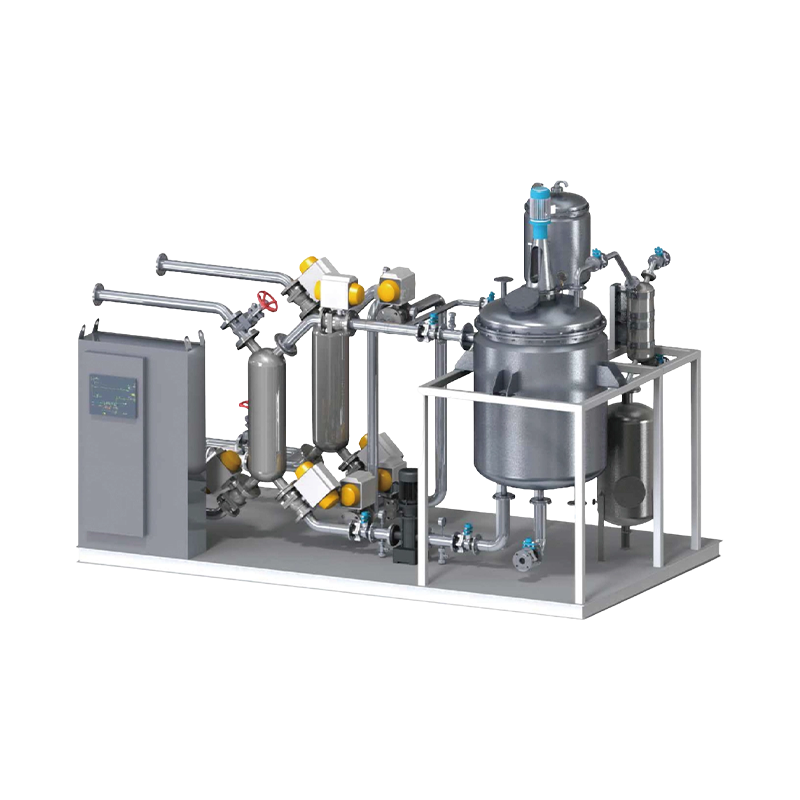
An integrated skid groups major process components, piping, instruments, valves, and controls into a coordinated assembly. This can reduce site fabrication, simplify utility connections, shorten installation time, and make factory testing more practical before shipment.
17. Conclusion
An automatic UHT sterilizer provides a comprehensive solution for manufacturers seeking efficient, hygienic, and repeatable liquid-product processing. Its core advantages include rapid ultra-high temperature treatment, accurate holding-time control, fast cooling, automated operation, heat recovery exceeding 85 percent in suitable designs, CIP compatibility, and flexible customization.
Compared with less integrated or manually controlled alternatives, the system can improve production consistency, reduce operator workload, support continuous processing, lower utility consumption, and protect product quality. Its effectiveness depends on appropriate process engineering, accurate instrumentation, hygienic manufacturing, suitable component selection, and a cleaning strategy designed around the product.
The manufacturing strength behind the equipment is equally important. European process know-how, Danish design principles, Shanghai-based fabrication, sanitary welding, polishing, technical coordination, quality control, and international trade support provide a strong foundation for customized project delivery. With more than 20 technical specialists and a 3,000-square-meter facility, the company can coordinate equipment and engineering requirements for food, beverage, biopharmaceutical, daily chemical, and fine chemical customers.
By combining thermal efficiency, automation, hygienic design, reliable fabrication, and flexible engineering support, the automatic UHT sterilizer helps manufacturers build safer and more productive process lines. It is not merely a sterilization machine; it is an integrated process platform designed to support stable production, efficient resource use, and long-term equipment performance.
References
1. General principles of hygienic design for food and beverage processing equipment.
2. Guidance on ultra-high temperature treatment and aseptic processing of liquid foods.
3. Principles of clean-in-place system design for sanitary process equipment.
4. Engineering practices for heat recovery and thermal integration in liquid-product processing.
5. ASME requirements and pressure-equipment engineering practices applicable to sanitary process systems.
6. PMO principles for sanitary dairy processing equipment and milk-handling systems.
7. 3-A sanitary design principles for equipment used in food and dairy applications.
8. Good manufacturing and hygienic engineering practices for biopharmaceutical fluid-processing systems.
9. Technical principles of heat exchangers, holding tubes, sanitary pumps, and automated flow-diversion systems.
10. Process validation, instrumentation calibration, and preventive-maintenance practices for automated thermal-processing equipment.
For customized automatic UHT sterilizer solutions, process skid integration, heat-exchanger selection, sanitary fabrication, and technical coordination, manufacturers can work with Shiloc (Shanghai) Industrial Trading Co., Ltd. to evaluate product characteristics, production capacity, utilities, cleaning requirements, automation preferences, and applicable standards.
Product: Automatic UHT (Ultra-High Temperature) Sterilizer
PREV:Intelligent Bioprocess Heat Transfer Skid/Units for Food and Biopharmaceutical Manufacturing
NEXT:Side-Entry Tank Mechanical Agitators for Hygienic, Efficient, and Reliable Process Mixing
NEXT:Side-Entry Tank Mechanical Agitators for Hygienic, Efficient, and Reliable Process Mixing
Interested in cooperation or have questions?
Recommended LINS
✦
Automatic UHT Sterilizer for Milk
UHT Sterilizer for Fruit Juice
UHT Processing System for Dairy Products
UHT Processing Equipment for Plant Based Milk
Food and Beverage Process System
Food Processing Skid System
Aseptic Processing Equipment for Liquid Foods
Indirect Heating UHT Sterilizer
Process Skid System
CIP Skid System for Food Industry
Let'S Work Together Welcome Aboard!
-

haikexin@haikexin.com
+8613391278930
-
 +86-21-57560276
-
 No. 2819, Sihu Road,Fengxian District, Shanghai, China
Join Our Mailing List
Copyright © Shiloc (Shanghai) Industrial Trading Co., Ltd. All Rights Reserved.
Process Systems & Equipment For Food & Biopharma Manufacturers
