
 English
 русский
 Português
 Français



 Read More

Product Category
NEW Category
Contact us
Contact Us
We specialise in the research, development and manufacture of electrical wires and cables.
 +86-21-57560276
Automatic Food Pasteurization Systems: Advanced Processing, Hygienic Design, and Reliable Shelf-Life Extension
Content
- 1 What Is an Automatic Food Pasteurization System?
- 2 Why Pasteurization Is Important for Modern Food Production
- 3 How an Automatic Pasteurization System Extends Shelf Life
- 4 Main Components of an Automatic Food Pasteurization System
- 5 Material-Adaptive Pasteurization Configurations
- 6 Advantages Over Basic and Conventional Pasteurization Equipment
- 7 Energy Efficiency and Heat Recovery
- 8 Hygienic Engineering and Sanitary Construction
- 9 Automation, Monitoring, and Process Integration
- 10 Clean-in-Place Performance
- 11 Manufacturing Strengths and Engineering Capabilities
- 12 Why an Integrated Supplier Can Outperform Equipment-Only Vendors
- 13 Applicable Food and Beverage Products
- 14 Selection Guide for Buyers
- 15 Installation, Commissioning, and Technical Support
- 16 Safety and Compliance Considerations
- 17 Sustainability and Total Cost of Ownership
- 18 Recommended Project Development Process
- 19 Frequently Asked Questions
- 19.1 What is the main purpose of an automatic food pasteurization system?
- 19.2 Can pasteurization completely sterilize a food product?
- 19.3 Which products can be processed?
- 19.4 How does automation improve pasteurization?
- 19.5 Does pasteurization affect flavor and nutrients?
- 19.6 What is the difference between a sleeve-type and shell-and-tube configuration?
- 19.7 Why is heat recovery important?
- 19.8 What does CIP mean?
- 19.9 Can the system connect to existing factory controls?
- 19.10 What standards may apply to the equipment?
- 19.11 How should a manufacturer choose the right system capacity?
- 19.12 What support is available after delivery?
- 20 Conclusion
- 21 References
- 22 Product: Automatic Food Pasteurization System
Food and beverage manufacturers operate in an environment where safety, quality, efficiency, and production flexibility are equally important. Consumers expect products to retain their natural flavor, color, texture, and nutritional value, while regulators require manufacturers to demonstrate effective control of microorganisms and process conditions. At the same time, producers must control energy consumption, reduce product waste, shorten cleaning periods, and maintain reliable output across multiple production batches.
An automatic food pasteurization system addresses these requirements through integrated thermal processing, precise automation, hygienic equipment construction, and efficient cleaning. It is designed for the controlled heating, holding, and cooling of heat-sensitive products such as milk, yogurt, juice, beer, plant-based beverages, sauces, liquid foods, and other fluid or semi-fluid products. Instead of relying on manual heating and operator judgment, the system executes a carefully programmed process with continuous monitoring and automatic adjustment.
The result is a more repeatable and controlled production environment. Properly designed pasteurization can significantly reduce harmful and spoilage microorganisms while preserving important product characteristics. When combined with hygienic piping, efficient heat recovery, automatic clean-in-place capability, and reliable data recording, the system becomes a complete processing solution rather than a simple heating machine.
What Is an Automatic Food Pasteurization System?
An automatic food pasteurization system is an integrated process skid that heats a food or beverage product to a defined temperature, maintains it for a specified holding time, and then cools it rapidly under controlled hygienic conditions. The thermal profile is selected according to the product, process objective, regulatory requirements, viscosity, flow rate, packaging method, and desired shelf life.
Pasteurization is different from complete sterilization. The purpose of pasteurization is to reduce pathogenic microorganisms and spoilage organisms to an acceptable level while limiting unnecessary thermal exposure. This distinction is especially important for products whose flavor, nutritional value, color, or texture may deteriorate when exposed to excessive heat.
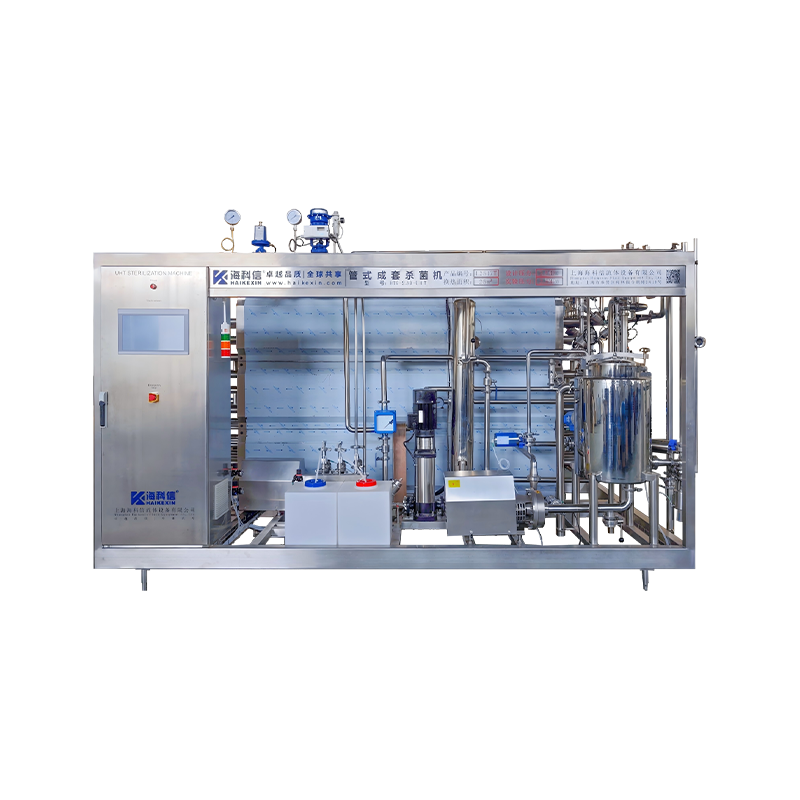
A complete automatic system may include a balance tank, sanitary pump, heat exchanger, temperature sensors, flow-control components, holding tube, diversion valve, cooling section, control cabinet, programmable logic controller, and clean-in-place system. Depending on the application, it may also include homogenization, deaeration, aseptic transfer, recipe management, data recording, or connection points for filling and packaging equipment.
The integrated structure allows manufacturers to control the entire process from one coordinated platform. Instead of managing separate heating, holding, cooling, and cleaning operations manually, operators can use programmed recipes and monitored sequences. This improves consistency, simplifies operation, and makes it easier to document that each batch has followed the intended process.
Why Pasteurization Is Important for Modern Food Production
Food products naturally contain microorganisms and enzymes. Some microorganisms are harmless, while others may cause foodborne illness, fermentation, off-flavors, gas formation, discoloration, or premature spoilage. Enzymatic reactions can also continue after harvesting or processing, gradually affecting flavor, texture, appearance, and nutritional stability.
Pasteurization helps control these changes through accurately managed thermal treatment. It can reduce the initial microbial load, deactivate or slow selected enzymes, and improve the storage stability of the finished product. However, the effectiveness of a pasteurization process depends on more than temperature alone. Holding time, product flow, heat distribution, equipment hygiene, cooling speed, and protection against recontamination are all important.
Manual heating methods often create process variation. A product may experience uneven temperatures, insufficient holding time, or excessive heating in localized areas. These variations can result in inconsistent safety performance and quality differences between batches. An automatic system addresses this problem by continuously measuring critical process variables and coordinating the actions of pumps, valves, heaters, and cooling equipment.
For manufacturers, this means improved repeatability. For consumers, it means a more consistent product. For quality managers, it creates a clearer record of process performance. For plant owners, it can reduce waste, improve energy utilization, and support higher production capacity.
How an Automatic Pasteurization System Extends Shelf Life
Reduction of Pathogenic and Spoilage Microorganisms
The primary purpose of pasteurization is to reduce the population of microorganisms that may create a safety or quality risk. Depending on the product and process conditions, controlled heating can reduce bacteria, yeasts, molds, and other organisms that contribute to deterioration.
Reducing the initial microbial population gives the product greater stability during storage and distribution. The exact shelf-life improvement depends on the product formulation, packaging, storage temperature, residual contamination, and applicable process requirements. Pasteurization is therefore one part of a wider food safety and preservation strategy, but it is often a critical part.
Control of Enzymatic Activity
Many foods contain naturally occurring enzymes. If these enzymes remain active, they may contribute to browning, flavor changes, texture loss, separation, or nutrient degradation. A properly selected pasteurization process can reduce the activity of certain enzymes and help maintain the intended product characteristics.
This is particularly important for fruit juices, vegetable beverages, dairy products, sauces, and liquid foods. The process must be carefully optimized because excessive heat can also damage sensitive compounds. Precise temperature control allows manufacturers to balance microbial reduction with quality preservation.
Lower Risk of Secondary Contamination
Open handling and repeated manual intervention increase the possibility of contamination after thermal treatment. Automatic pasteurization systems can use closed product paths, sanitary pumps, hygienic valves, and sealed transfer arrangements to reduce exposure to the production environment.
Reducing operator contact also lowers the risk of accidental contamination caused by handling errors. When the pasteurization system is integrated with hygienic filling or downstream processing equipment, manufacturers can create a more controlled production chain from heating through packaging.
Rapid Cooling After Thermal Treatment
Rapid cooling is an important part of many pasteurization processes. Once the product has achieved the required thermal treatment, continued exposure to heat may negatively affect flavor, color, texture, or nutritional components. A well-designed heat exchanger can cool the product quickly and efficiently.
Rapid cooling also helps move the product through the temperature range in which microorganisms can multiply rapidly. The cooling profile must be selected according to the product and packaging method, but in all cases, accurate cooling control contributes to product stability and quality.
Consistent Processing from Batch to Batch
Automatic control reduces variation between production cycles. The system can maintain programmed inlet temperatures, flow rates, holding times, outlet temperatures, and cleaning sequences. If a process variable moves outside its permitted range, the control system can generate an alarm, adjust the process, or divert product according to the system design.
Repeatability is a major advantage over basic heating equipment. It allows production teams to establish validated recipes and apply them consistently. It also supports traceability, troubleshooting, and continuous improvement.
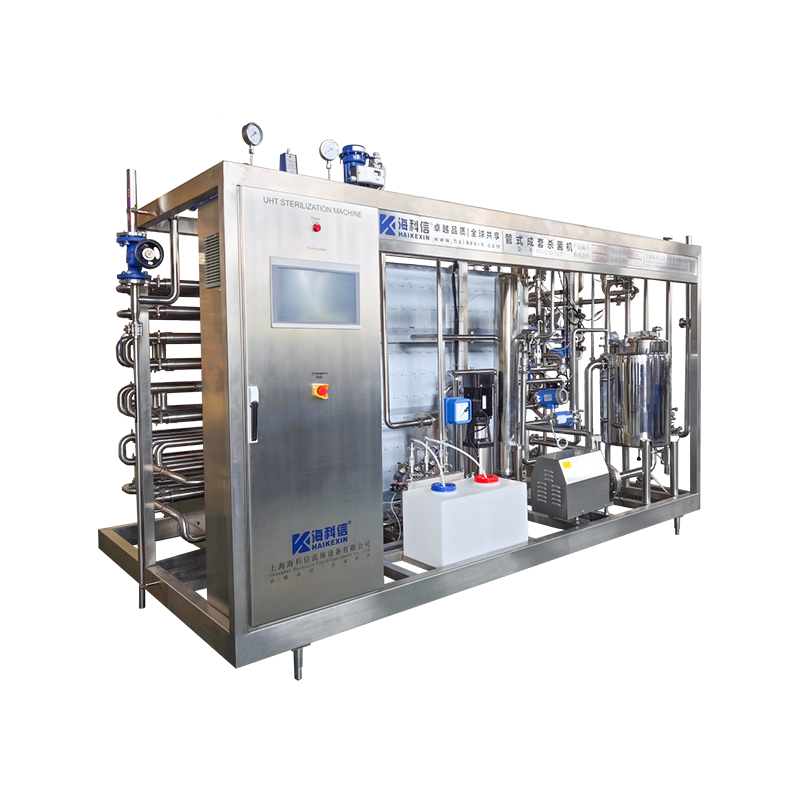
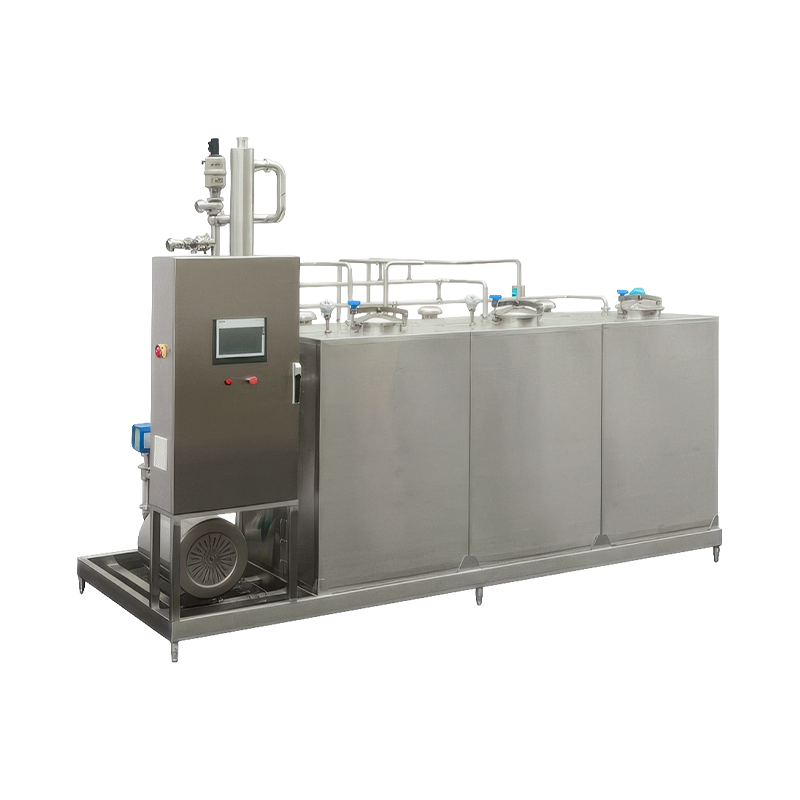
Automatic Food Pasteurization System
Main Components of an Automatic Food Pasteurization System
Balance Tank
The balance tank receives product before it enters the thermal processing section. It helps stabilize the product supply, reduce interruptions, and maintain a consistent flow to the pump and heat exchanger. A sanitary design with smooth surfaces and suitable drainage helps prevent product residue and supports effective cleaning.
Sanitary Product Pump
The product pump moves the food or beverage through the system at a controlled flow rate. Pump selection depends on viscosity, solids content, shear sensitivity, required capacity, and pressure conditions. A suitable sanitary pump helps maintain stable flow without unnecessarily damaging the product.
Products such as milk and juice may require different pumping characteristics from products such as tomato sauce, concentrated puree, or ice cream mix. The pump must therefore be selected as part of the complete process design rather than as an isolated component.
Heat Exchanger
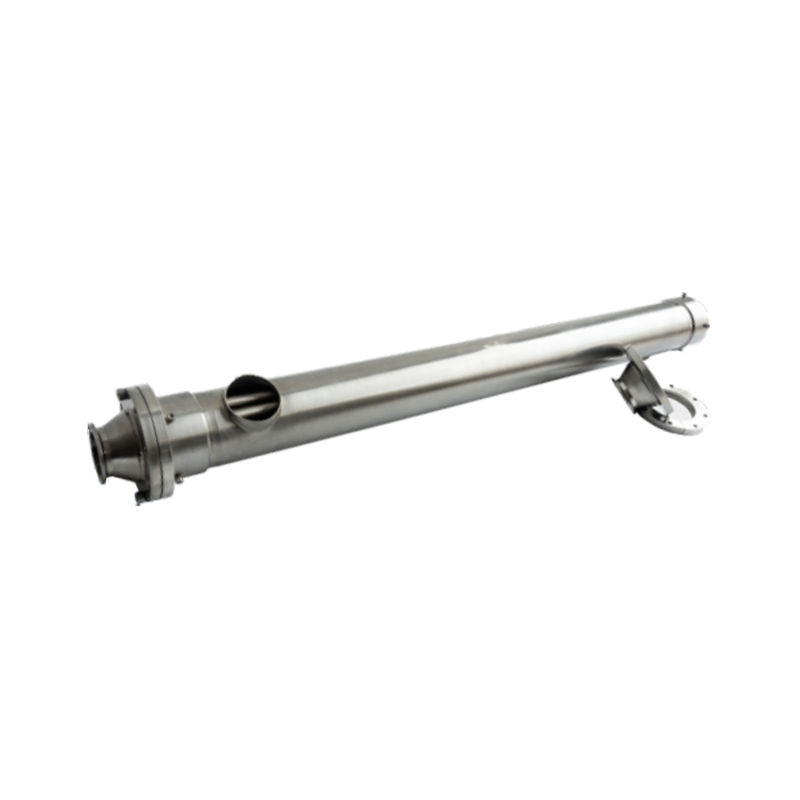
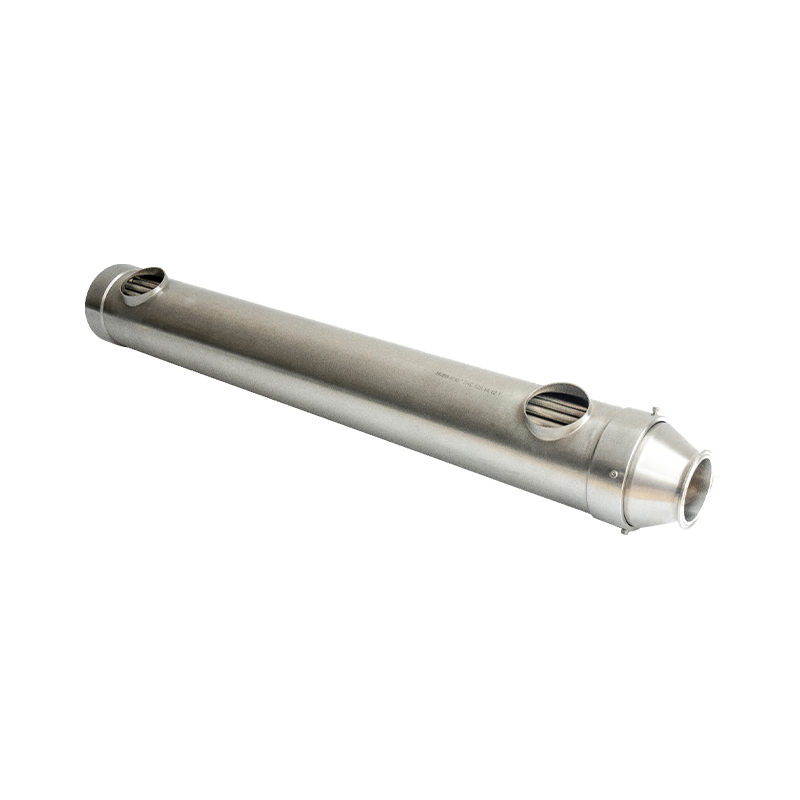
The heat exchanger is the central thermal component of the system. It transfers energy from a heating medium to the product and then removes heat during cooling. Depending on product properties and processing objectives, the system may use plate heat exchangers, tubular heat exchangers, shell-and-tube heat exchangers, or other specialized configurations.
Heat exchanger design affects heating speed, temperature uniformity, energy consumption, cleaning performance, maintenance requirements, and product quality. A correctly selected exchanger provides efficient heat transfer while minimizing pressure drop and thermal stress.
Holding Tube
The holding tube provides the time required for the product to remain at the target pasteurization temperature. Its length and diameter are selected according to the flow rate and required holding time. The design must ensure that the product receives a uniform and predictable treatment.
Flow control and temperature measurement are essential in this section. If the actual flow rate changes, the residence time may also change. Automatic control helps coordinate pump speed, valves, temperature settings, and product diversion functions.
Temperature and Pressure Sensors
Accurate sensors are required to monitor critical points in the process. Typical measurement locations include the product inlet, heating outlet, holding section, cooling outlet, and utility circuits. Pressure sensors can help identify blockages, pump problems, fouling, or abnormal operating conditions.
Sensor signals are transmitted to the PLC and human-machine interface. Operators can view current values, alarm conditions, historical trends, and recipe settings. Reliable instrumentation is essential for both process control and documentation.
Automatic Valves and Flow-Control Devices
Sanitary valves direct product and cleaning solutions through the correct flow paths. They may control product entry, product diversion, heating medium flow, cooling medium flow, drainage, and CIP circulation. Automatic valve sequencing reduces manual intervention and helps prevent incorrect connections.
Flow-control devices are particularly important when the system must maintain a defined holding time. Stable flow supports predictable thermal treatment and makes the process easier to validate.
PLC and Human-Machine Interface
The PLC coordinates the complete production sequence. It can manage startup, product processing, temperature control, holding time, cooling, shutdown, alarms, cleaning, and recipe selection. The human-machine interface provides operators with a visual overview of the system and access to permitted settings.
Advanced control functions may include password-protected user levels, batch identification, trend displays, automatic reporting, alarm history, and communication with a plant-wide supervisory control system. Integration with existing factory automation allows the pasteurization system to become part of a broader production management structure.
Clean-in-Place System
The CIP system cleans internal product-contact surfaces without requiring complete equipment disassembly. A typical cleaning cycle may include pre-rinsing, alkaline cleaning, intermediate rinsing, acid cleaning, final rinsing, and sanitization, depending on the product and site requirements.
Effective CIP depends on time, temperature, chemical concentration, and mechanical action. The system must provide suitable flow velocity and complete coverage of product-contact surfaces. Automated sequencing improves cleaning repeatability and can reduce water, chemical, and labor consumption.
Material-Adaptive Pasteurization Configurations
One of the most important design considerations is the physical behavior of the product. Products differ in viscosity, particle content, sensitivity to shear, tendency to foul, and thermal conductivity. A configuration that works well for low-viscosity milk may not be suitable for a thick sauce or concentrated puree.
For this reason, an effective engineering approach begins with product analysis. The design team should consider viscosity across the relevant temperature range, solids content, particle size, flow behavior, fouling characteristics, required capacity, and cleaning method. This information helps determine the most appropriate heat exchanger, pump, pipeline diameter, valve arrangement, and control strategy.
Shell-and-Tube Systems for Low-Viscosity Products
Shell-and-tube heat exchangers are suitable for many low-viscosity products, including milk, beverages, liquid dairy products, juices, and other fluid foods. Their design can provide efficient heat transfer and stable operation over continuous production cycles.
For these applications, the system can be configured to recover heat from the hot pasteurized product and transfer it to the incoming cold product. This regenerative heating and cooling arrangement reduces the demand on external utilities and lowers operating costs.
Sleeve-Type Systems for High-Viscosity Products
High-viscosity materials such as ice cream mix, tomato sauce, thick puree, and certain liquid food products require special attention. Poorly selected equipment may create dead zones, product retention, blockages, or uneven heating.
A sleeve-type sterilizer or pasteurization configuration can be adapted to improve product movement and reduce retention in difficult applications. The geometry, flow path, pump, and heating conditions can be selected to support more uniform treatment while reducing the risk of blockage.
Flexible Designs for Semi-Liquid and Particulate Products
Some products contain suspended particles, fibers, pulp, or small particulates. These products may require larger flow passages, gentle pumping, specialized valves, or tubular heat exchanger designs. The process must achieve sufficient heat transfer without damaging the structure of the product.
Customization is therefore a practical advantage. Rather than offering one standard machine for every product, an engineering supplier can adapt the process skid to the specific material and production objective. This improves the likelihood of stable operation and reduces the need for costly modifications after installation.
| Product Characteristic | Important Design Consideration | Potential Configuration |
|---|---|---|
| Low viscosity | Efficient heat transfer and stable flow | Shell-and-tube or plate heat exchanger |
| High viscosity | Reduced retention and blockage risk | Sleeve-type or tubular configuration |
| Particle content | Large passages and gentle product handling | Specialized tubular exchanger and sanitary pump |
| Heat sensitivity | Short exposure and rapid cooling | High-efficiency regenerative system |
| Fouling tendency | Effective CIP and accessible maintenance | Customized flow path and cleaning program |
Advantages Over Basic and Conventional Pasteurization Equipment
More Precise Temperature Control
Basic heating systems may depend heavily on manual valve adjustment or operator observation. This can lead to temperature fluctuation and inconsistent product treatment. An automatic pasteurization system uses sensors, control loops, and programmed parameters to maintain the target temperature more accurately.
Precise control helps prevent both under-processing and over-processing. Under-processing may compromise microbial safety, while over-processing can damage sensitive flavor compounds, vitamins, color, and texture. The ability to manage the thermal profile closely is one of the most important advantages of an automated system.
Improved Heat Recovery
Modern integrated systems can transfer heat from the outgoing hot product to the incoming cold product. This regenerative design reduces the amount of steam, hot water, or electrical energy required to reach the target temperature.
Energy recovery can lower operating costs and support sustainability goals. It also reduces the thermal load on utility systems and may help stabilize plant operation during periods of changing production demand.
Better Product Consistency
Automatic control produces repeatable processing conditions. Every approved recipe can define temperature, flow, holding time, cooling conditions, and cleaning parameters. This supports consistent taste, appearance, texture, and storage performance.
Consistency is especially valuable for brands that produce the same product at multiple facilities or across many batches. It also reduces the risk of product rejection caused by process variation.
Reduced Labor Requirements
Manual heating and cleaning require operators to perform repeated inspections, adjustments, and equipment changes. Automation reduces these routine tasks and allows personnel to focus on supervision, quality control, maintenance, and production planning.
Lower manual intervention does not eliminate the need for trained employees. Instead, it changes their role from constant adjustment to controlled operation and process management. This can improve workplace efficiency and reduce the risk of mistakes caused by fatigue or incomplete procedures.
Enhanced Hygiene
Closed processing, sanitary construction, smooth internal surfaces, and automatic CIP reduce the risk of contamination. Proper hygienic design also limits residue accumulation and makes it easier to achieve consistent cleaning results.
Compared with equipment that requires frequent disassembly or manual scrubbing, an integrated CIP-capable skid can shorten cleaning time and reduce exposure to chemicals. The exact cleaning program must still be validated for the product and plant conditions.
Improved Traceability
Data recording allows manufacturers to document key process parameters. Temperature, pressure, flow, holding time, alarms, cleaning cycles, and operator actions may be stored according to the system configuration.
This information supports quality assurance, regulatory review, customer audits, root-cause analysis, and process optimization. It also provides evidence that the equipment was operated within approved conditions.
Greater Production Flexibility
A configurable automatic system can process multiple products or recipes with suitable changeover procedures. The same skid may be adapted for dairy beverages, juices, sauces, plant-based drinks, or liquid nutritional products, provided that the equipment and process conditions are appropriate.
Modular design also makes future expansion easier. Additional tanks, heat-transfer sections, pumps, control functions, or downstream connections may be incorporated as production requirements develop.
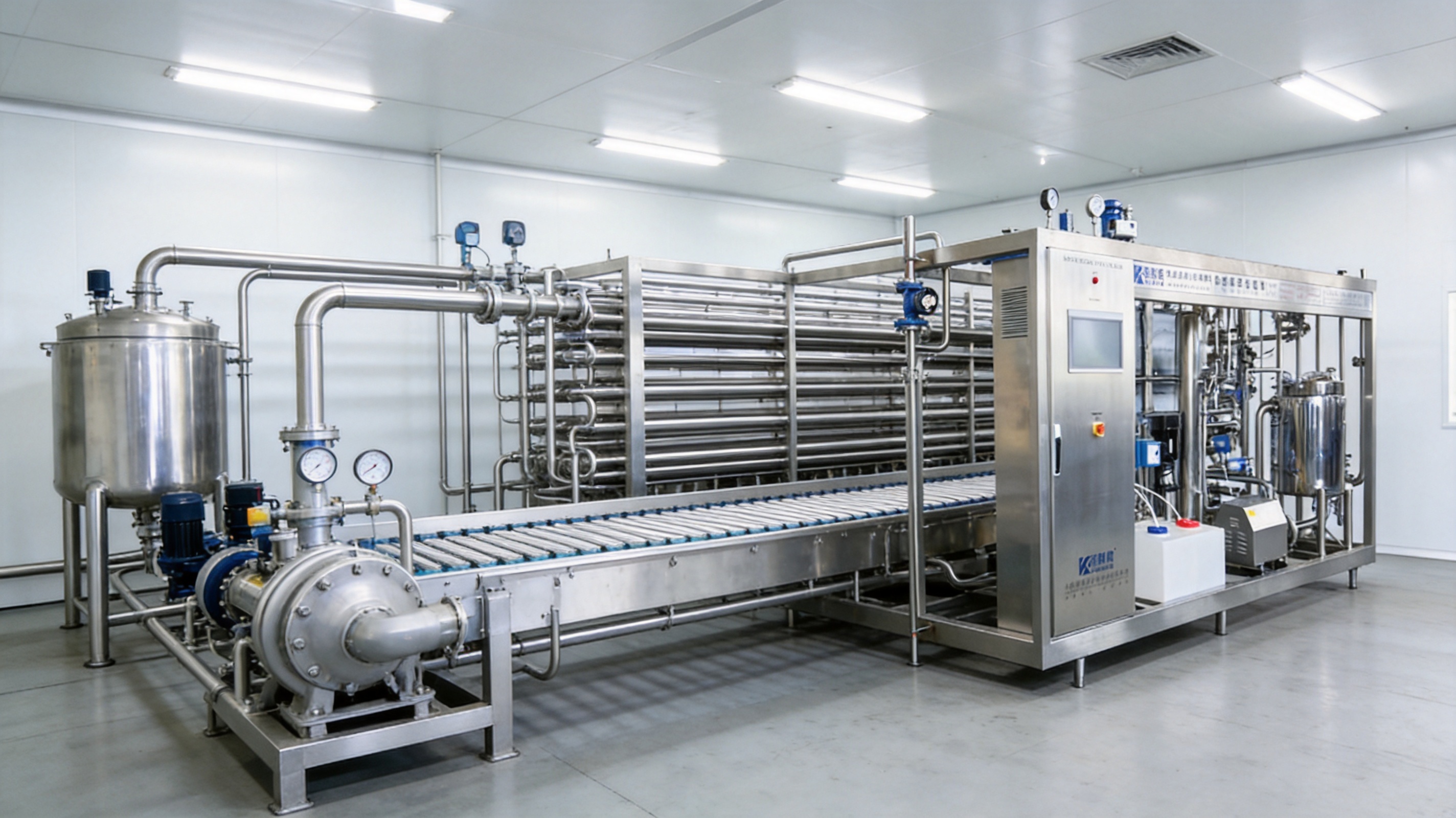
Energy Efficiency and Heat Recovery
Energy consumption is a major operating cost in thermal food processing. Heating and cooling large volumes of product requires significant utility input, particularly when the process is operated continuously. An efficient pasteurization system reduces this burden through heat exchanger design and regenerative energy recovery.
In a regenerative arrangement, the incoming cold product is preheated by the outgoing hot pasteurized product. The outgoing product is partially cooled at the same time. Additional heating is then supplied to reach the final pasteurization temperature, and additional cooling is supplied to reach the desired outlet temperature.
This arrangement reduces the difference between the incoming product temperature and the target temperature. It also reduces the cooling duty after pasteurization. In addition to lowering energy consumption, heat recovery can provide more stable product temperatures throughout the system.
Energy efficiency depends on several factors, including heat exchanger surface area, product flow rate, utility temperature, fouling level, insulation, control accuracy, and cleaning frequency. A system that is correctly sized and maintained will generally perform better than equipment selected only according to nominal capacity.
Manufacturers should evaluate total operating cost rather than purchase price alone. A higher-quality heat exchanger, improved insulation, effective CIP, and reliable automation may provide a stronger economic return over the service life of the equipment.
Hygienic Engineering and Sanitary Construction
Hygiene must be considered from the earliest design stage. Food-contact surfaces should be manufactured from suitable materials with appropriate corrosion resistance, smoothness, cleanability, and mechanical strength. Stainless steel is commonly used in sanitary food processing equipment because it provides durability and compatibility with many cleaning chemicals.
Internal surfaces should be smooth and free from unnecessary crevices. Welds must be properly formed and finished to reduce residue accumulation. Pipeline arrangements should avoid dead zones where product or cleaning solution can remain stagnant. Draining capability is also important because standing liquid can support microbial growth or interfere with effective cleaning.
Hygienic design extends beyond the product circuit. Utility connections, instrument fittings, valve bodies, pump seals, gaskets, frames, and external surfaces all affect maintenance and sanitation. Components should be accessible for inspection and replacement without unnecessary disruption to production.
Sanitary design is one area in which an integrated engineering supplier can provide a meaningful advantage. When the heat exchanger, piping, pumps, controls, and CIP system are designed together, the complete flow path can be evaluated more effectively than when components are purchased separately from unrelated suppliers.
Key Hygienic Design Features
- Food-grade stainless-steel product-contact surfaces
- Smooth internal finishes
- Sanitary welds and hygienic fittings
- Minimal dead legs and stagnant zones
- Drainable product pipelines
- Sealed transfer routes
- Accessible inspection and maintenance points
- Automatic clean-in-place capability
- Suitable gasket and seal materials
- Controlled separation between product and utility circuits
Automation, Monitoring, and Process Integration
Automation is the central feature that transforms a collection of process components into a coordinated pasteurization system. The PLC receives signals from temperature, pressure, flow, level, and other instruments. It then controls pumps, valves, heaters, cooling circuits, alarms, and product diversion functions according to the approved process sequence.
The human-machine interface provides a clear operating view. Operators can select recipes, start or stop sequences, review alarm messages, observe trends, and confirm that the system is ready for production. Access levels can be assigned so that only authorized personnel can change critical settings.
Integration with existing controls is also important. Many food and beverage plants already use supervisory control systems, manufacturing execution systems, production databases, or centralized alarm platforms. An automatic pasteurization skid should be capable of exchanging suitable signals and data with these systems.
Control integration can improve production scheduling and reduce manual data entry. It also allows pasteurization results to be associated with batch numbers, raw-material lots, packaging records, and quality-test results. This creates a stronger traceability structure throughout the manufacturing process.
Typical Automated Functions
- Automatic startup and shutdown
- Recipe selection and parameter management
- Temperature regulation
- Flow-rate control
- Holding-time management
- Automatic product diversion
- High- and low-temperature alarms
- Pressure and flow alarms
- Automatic cooling control
- CIP sequence management
- Data recording and trend analysis
- Communication with existing plant control systems
Clean-in-Place Performance
Cleaning is essential to food safety, product quality, and production availability. Product residues can support microbial growth, create off-flavors, reduce heat-transfer efficiency, increase pressure drop, and cause cross-contamination between products. A well-designed CIP system removes these residues using controlled chemical, thermal, and mechanical action.
The cleaning cycle must be selected according to the product. Dairy residues, sugary beverages, acidic juices, protein-rich liquids, and thick sauces may require different chemical concentrations, temperatures, circulation times, and rinse sequences. The system should provide the flexibility necessary to manage these differences.
Effective CIP requires sufficient circulation velocity through the product-contact circuit. The piping, valves, heat exchanger, pump, and tank must be designed so that cleaning solution reaches all relevant surfaces. Poorly designed branches, dead legs, or inaccessible sections may compromise cleaning performance even when the main equipment is well constructed.
Automatic cleaning improves repeatability. It can reduce variation caused by operator judgment and provide records of cleaning time, temperature, conductivity, flow, and chemical concentration when suitable sensors are installed. These records support hygiene verification and help identify deviations before they affect product quality.
Manufacturing Strengths and Engineering Capabilities
The quality of a pasteurization system depends not only on its process concept but also on how it is manufactured. Precision fabrication, controlled welding, surface finishing, component inspection, instrumentation, and final testing all contribute to long-term reliability.
Shiloc (Shanghai) Industrial Trading Co., Ltd. provides integrated engineering solutions for food, beverage, pharmaceutical, daily chemical, and fine chemical applications. Its equipment portfolio includes heat exchangers, aseptic mixing equipment, and customized fluid-processing systems.
The company combines European technical expertise with Danish design concepts and local manufacturing capabilities. Its Shanghai facility covers approximately 3,000 square meters and is supported by more than 20 technical specialists. The manufacturing scope includes processing, sanitary welding, polishing, assembly, inspection, and quality control.
Using a combination of imported core materials and controlled in-house fabrication can provide several practical benefits. Material traceability can be managed more effectively, fabrication quality can be monitored throughout production, and engineering modifications can be implemented with greater flexibility. In-house processing may also help shorten production lead times and simplify communication between design and manufacturing teams.
Technical expertise is particularly important for customized systems. A customer may require a specific capacity, product viscosity range, plant layout, automation platform, utility condition, cleaning program, or downstream connection. The supplier must be able to translate these requirements into a workable process design and then manufacture the equipment accordingly.
Manufacturing and Quality-Control Strengths
- European-inspired process engineering
- Danish design concepts for hygienic equipment
- Dedicated Shanghai manufacturing facility
- Experienced technical specialists
- Controlled stainless-steel fabrication
- Sanitary welding and polishing capability
- Material and component traceability
- Integrated inspection and quality management
- Customized equipment design
- International trade and technical service capability
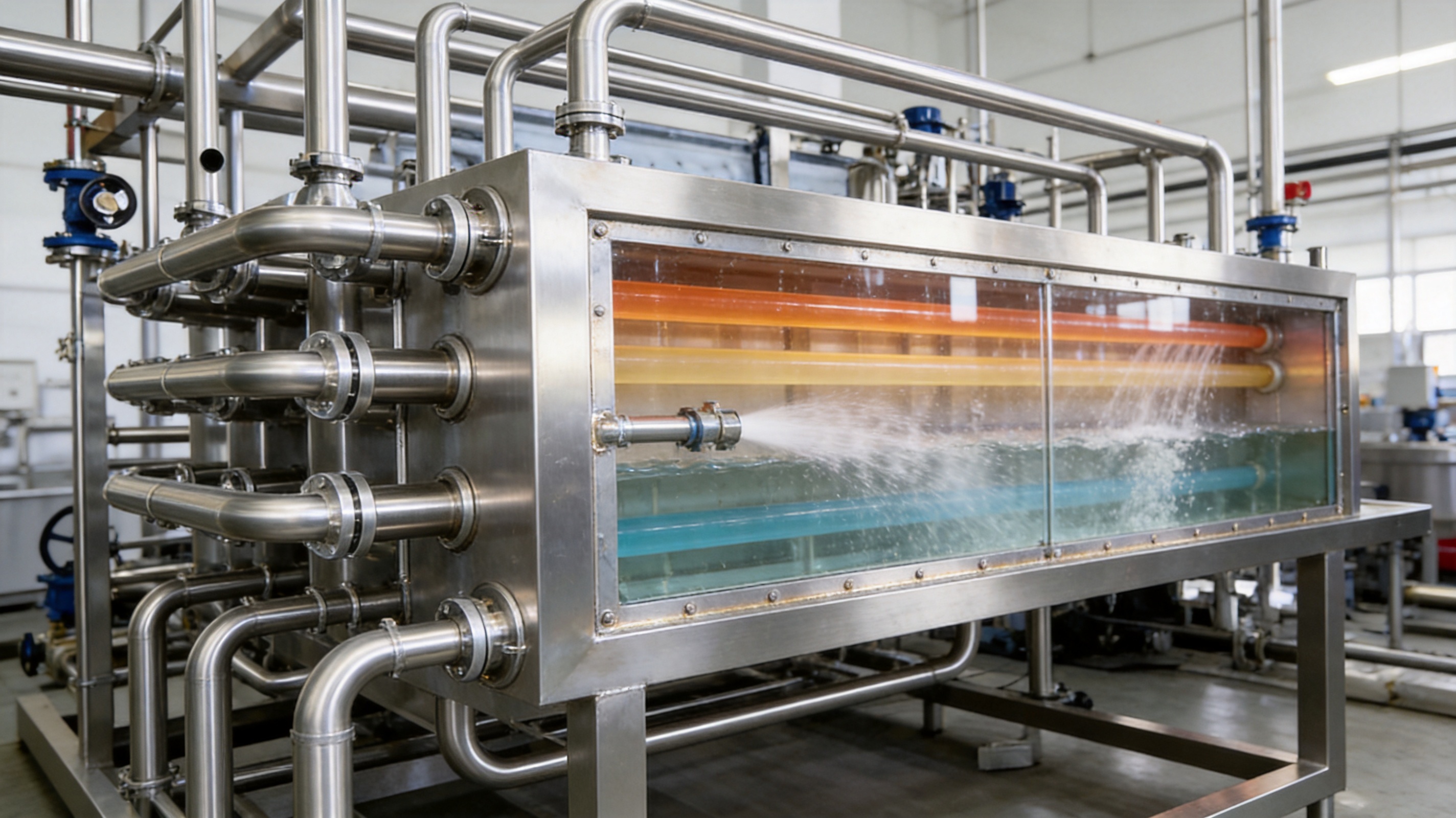
Why an Integrated Supplier Can Outperform Equipment-Only Vendors
Many suppliers offer individual components such as pumps, heat exchangers, valves, or control cabinets. While these components may be technically suitable, purchasing them separately can create integration challenges. The plant owner or contractor may need to coordinate multiple vendors, resolve interface problems, develop control logic, and determine responsibility when performance does not meet expectations.
An integrated process skid supplier assumes responsibility for the relationship between major components. Heat-transfer performance, product flow, control logic, CIP routing, instrumentation, and structural arrangement can be considered together. This reduces the risk that one component will perform well in isolation but poorly within the complete system.
Integrated design can also simplify installation. The equipment may be assembled and tested before shipment, reducing the amount of site fabrication required. The customer receives a more complete solution with defined connection points, operating procedures, and control functions.
Another advantage is communication. A single engineering team can review product data, capacity requirements, utility conditions, hygienic standards, and future expansion plans. This allows the final system to be better aligned with the customer’s production objectives.
| Evaluation Area | Basic Component Purchasing | Integrated Process Skid Approach |
|---|---|---|
| System responsibility | Divided among several suppliers | Coordinated by one engineering team |
| Control integration | May require separate programming | Designed as a complete sequence |
| CIP design | Potentially inconsistent between components | Developed for the entire product circuit |
| Installation | More site assembly and interface work | Greater preassembly before delivery |
| Customization | Limited by standard component packages | Adapted to product and plant requirements |
| After-sales coordination | Multiple points of contact | Centralized technical communication |
Applicable Food and Beverage Products
Dairy Products
Milk, cream, yogurt bases, flavored dairy beverages, and other liquid dairy products benefit from precise heating and cooling. Dairy products can be sensitive to fouling, protein deposition, and excessive thermal exposure, so heat exchanger selection and CIP design are particularly important.
The system can be configured for different capacities and production modes. It may be connected to homogenization equipment, fermentation tanks, filling machines, or refrigerated storage systems, depending on the final product.
Fruit and Vegetable Products
Juices, purees, concentrates, and vegetable beverages may contain pulp, fibers, or suspended solids. Their acidity, viscosity, and thermal sensitivity can vary widely. Customized flow paths and heat-transfer surfaces help achieve suitable processing without excessive product damage.
Rapid cooling and efficient heat recovery are valuable for preserving fresh sensory characteristics. Product-contact surfaces must also be easy to clean because sugars, fibers, and pigments may accumulate on equipment surfaces.
Beverages
Tea drinks, coffee beverages, plant-based drinks, flavored waters, and other liquid beverages may require controlled pasteurization before filling. The system can be integrated with blending, filtration, deaeration, holding, and packaging operations.
Different beverages have different fouling tendencies and heat sensitivities. A flexible automation system allows recipes and cleaning procedures to be adapted to the product being processed.
Sauces and Condiments
Ketchup, dressings, tomato sauces, marinades, and liquid seasonings may range from low to high viscosity. Some contain suspended particles or oil phases. The equipment must be selected to maintain stable flow and consistent heating while minimizing product retention in the pipeline.
High-viscosity products often benefit from specialized pumps, larger flow passages, and configurations designed to limit blockages. CIP performance is also important because sauce residues can be difficult to remove after drying.
Liquid Foods and Nutritional Products
Soups, broths, liquid meal products, nutritional beverages, and functional drinks may require strict control of both microbiological safety and nutritional quality. The thermal process must be matched to the formulation and final packaging method.
Automation provides useful control over recipe parameters, product changeovers, batch records, and cleaning verification. These functions support manufacturers that produce a range of specialized products on one processing line.
Selection Guide for Buyers
Selecting an automatic food pasteurization system requires a complete review of the production process. Capacity is important, but it is not the only consideration. A system that meets nominal throughput requirements may still perform poorly if it is not compatible with viscosity, solids content, cleaning needs, or future expansion.
Product Information
The supplier should receive accurate information about the product, including composition, viscosity, density, particle size, solids content, pH, temperature sensitivity, foaming behavior, and fouling tendency. Samples or laboratory data may be useful for difficult products.
Process Requirements
Important process parameters include target temperature, holding time, inlet temperature, outlet temperature, required capacity, operating hours, batch or continuous operation, and acceptable pressure drop. The required level of microbial reduction should also be established according to the product and applicable regulations.
Utility Conditions
Steam pressure, hot-water availability, chilled-water temperature, electrical supply, compressed air, drainage, and cleaning chemicals affect system design. Utility limitations should be identified before final equipment selection.
Cleaning and Changeover
Manufacturers should evaluate the expected product sequence, cleaning frequency, chemical requirements, cleaning duration, and acceptable downtime. If multiple products are processed on the same skid, changeover and cross-contamination control become especially important.
Automation and Data Requirements
The buyer should define the desired control platform, communication protocols, user-access levels, recipe functions, alarm handling, data storage, and reporting requirements. Integration with existing plant systems should be discussed during the design phase.
Maintenance and Expansion
Equipment should provide access to pumps, valves, sensors, seals, heat-transfer surfaces, and control components. Spare parts availability and technical support should also be considered. If production is expected to grow, the skid should be designed with possible expansion in mind.
Installation, Commissioning, and Technical Support
Successful equipment performance depends on more than factory manufacturing. Installation, commissioning, operator training, process validation, and maintenance planning are also important. The supplier should provide clear documentation covering utility connections, piping interfaces, control functions, cleaning procedures, safety requirements, and recommended spare parts.
During commissioning, the system should be inspected for correct installation, sensor operation, valve sequencing, pump performance, control response, leakage, and CIP circulation. Product trials may be used to confirm flow rates, temperature profiles, holding times, and outlet conditions.
Operator training should cover normal operation, startup, shutdown, alarm response, cleaning, product changeover, basic troubleshooting, and emergency procedures. Maintenance staff should understand inspection intervals, lubrication requirements, seal replacement, sensor calibration, and heat exchanger cleaning.
Technical support is especially valuable for customized systems. A supplier with engineering and international trade capabilities can help coordinate documentation, shipment, spare parts, remote communication, and service requirements across different markets.
Safety and Compliance Considerations
Food processing equipment must be designed and operated according to applicable safety, hygienic, and pressure-equipment requirements. Depending on the system design and market, relevant standards may include ASME requirements, PMO principles, 3-A sanitary expectations, local pressure regulations, electrical standards, and food-contact material requirements.
Compliance should be considered during design rather than treated as a final inspection activity. Materials, welds, pressure boundaries, instrumentation, guarding, electrical panels, emergency stops, and documentation all contribute to a compliant installation.
Process safety also depends on reliable control logic. High-temperature alarms, low-flow protection, pressure monitoring, automatic diversion, and safe shutdown functions can help prevent unsafe operation. The exact functions should be defined according to the product, process, and regulatory requirements.
Shiloc’s systems are developed with reference to ASME, PMO, and 3-A-related requirements where applicable to the project. Final compliance depends on the selected configuration, destination market, application, and customer specifications, so these details should be confirmed during engineering review.
Sustainability and Total Cost of Ownership
Sustainability in food processing involves more than reducing electricity consumption. It also includes lowering product waste, reducing water and chemical use, improving equipment utilization, extending component life, and minimizing production downtime.
Heat recovery reduces heating and cooling demand. Accurate control reduces over-processing and product rejection. Effective CIP limits unnecessary cleaning cycles and helps reduce water and chemical consumption. Hygienic design reduces residue accumulation and may extend the time between maintenance interventions.
Reliable equipment also contributes to sustainability because unexpected downtime can result in discarded product, emergency cleaning, additional energy use, and inefficient production scheduling. A robust system with accessible maintenance points and appropriate spare parts can provide more predictable long-term operation.
When evaluating cost, manufacturers should consider capital investment, utilities, labor, cleaning chemicals, water, maintenance, product losses, and expected service life. The lowest purchase price does not necessarily represent the lowest total cost. A technically appropriate and energy-efficient system may provide stronger long-term value.
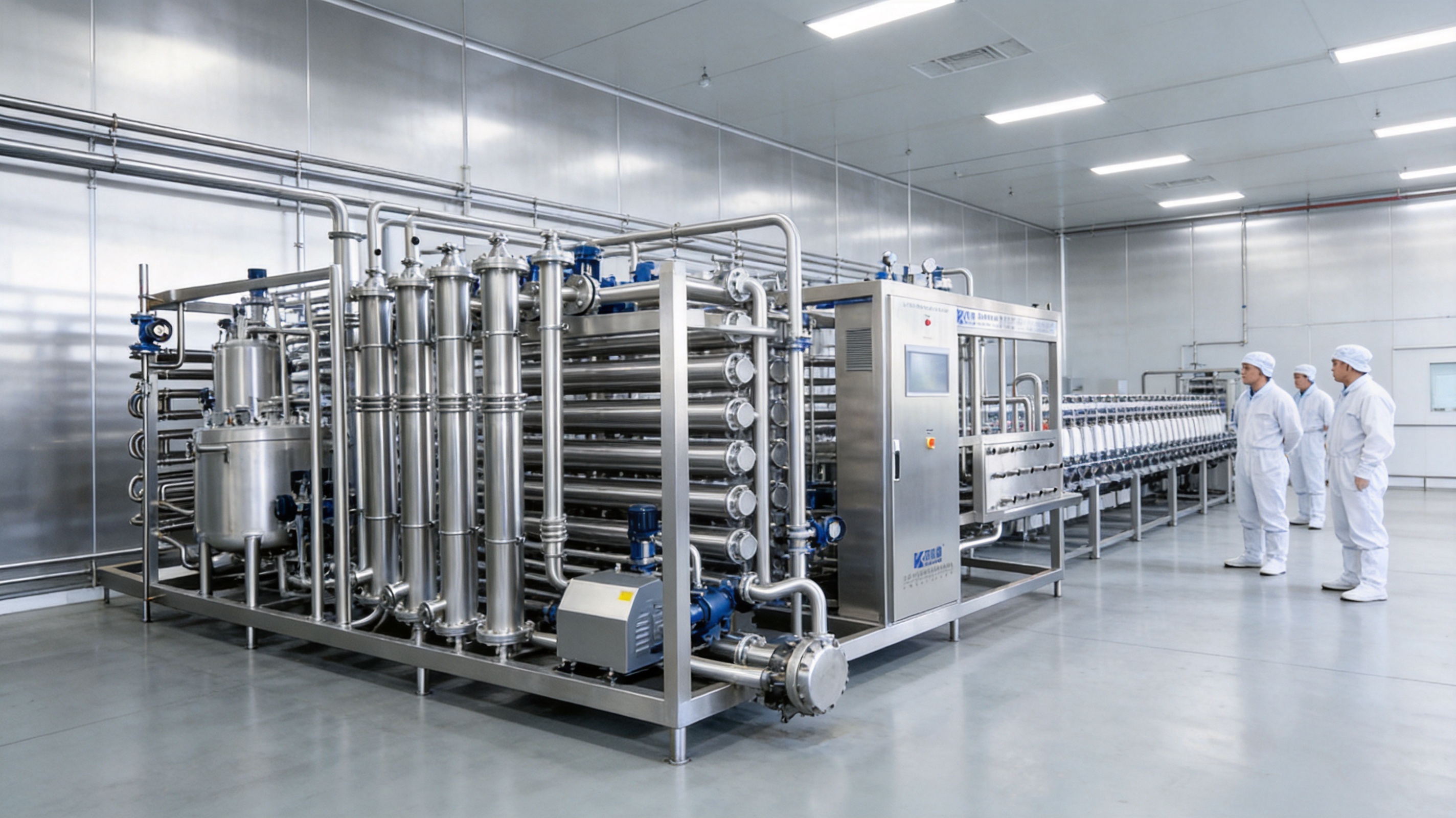
Recommended Project Development Process
A structured project process helps ensure that the final system matches actual production needs.
Step One: Application Review
The engineering team collects information about the product, capacity, thermal requirements, viscosity, solids, cleaning conditions, utility supply, and plant layout. This stage identifies potential technical risks before equipment selection.
Step Two: Process Concept
The supplier develops a preliminary process flow diagram showing tanks, pumps, heat exchangers, holding sections, valves, instruments, utility circuits, and CIP routes. Different equipment configurations can be compared at this stage.
Step Three: Technical Specification
The final specification defines materials, design pressure, operating temperature, capacity, automation platform, control functions, hygienic requirements, documentation, and applicable standards. Customer comments should be incorporated before manufacturing begins.
Step Four: Manufacturing and Inspection
Fabrication includes material preparation, forming, welding, polishing, assembly, instrumentation, control-panel work, and inspection. Quality records may include material certificates, weld inspections, pressure tests, electrical checks, and component verification.
Step Five: Factory Testing
Factory testing can verify valve operation, pump rotation, sensor signals, alarm logic, control sequences, communication functions, and simulated process conditions. This helps identify problems before shipment.
Step Six: Installation and Commissioning
After delivery, the system is connected to plant utilities and production equipment. Commissioning confirms correct field installation and establishes operating parameters under real site conditions.
Step Seven: Training and Handover
Operators and maintenance personnel receive training, documentation, cleaning procedures, spare-parts recommendations, and troubleshooting guidance. A complete handover supports safe and stable operation.
Frequently Asked Questions
What is the main purpose of an automatic food pasteurization system?
The main purpose is to heat a food or beverage product to a controlled temperature for a specified holding time and then cool it under hygienic conditions. This reduces harmful and spoilage microorganisms while helping preserve product quality.
Can pasteurization completely sterilize a food product?
Pasteurization is generally intended to achieve significant microbial reduction rather than complete sterilization. The required process depends on the product, packaging, storage conditions, and applicable regulations. Products requiring commercial sterility may need a different thermal process.
Which products can be processed?
Suitable products may include milk, cream, yogurt bases, juices, purees, beverages, plant-based drinks, sauces, ketchup, dressings, soups, broths, liquid seasonings, nutritional products, and other fluid or semi-fluid foods. The equipment configuration should be selected according to viscosity, particle content, heat sensitivity, and cleaning requirements.
How does automation improve pasteurization?
Automation provides accurate temperature control, consistent holding time, stable flow, automatic cooling, alarm management, repeatable cleaning, and process data recording. It reduces manual intervention and helps ensure that approved processing conditions are applied consistently.
Does pasteurization affect flavor and nutrients?
Any thermal process can affect sensitive food components, but a properly designed pasteurization system minimizes unnecessary heat exposure. Efficient heat transfer, accurate temperature control, rapid cooling, and heat recovery help preserve flavor, color, texture, and nutritional value.
What is the difference between a sleeve-type and shell-and-tube configuration?
A sleeve-type configuration can be adapted for high-viscosity products and may help reduce product retention and blockage risk. Shell-and-tube equipment is commonly suitable for low-viscosity products and can provide efficient heat transfer for milk, beverages, and similar fluids. The correct choice depends on the complete product and process evaluation.
Why is heat recovery important?
Heat recovery transfers energy from the hot outgoing product to the cold incoming product. This reduces the heating and cooling duty required from external utilities, lowers energy consumption, and can improve overall operating efficiency.
What does CIP mean?
CIP means clean-in-place. It is an automated method for circulating water, cleaning chemicals, rinses, and sanitizing solutions through the internal product-contact surfaces without fully dismantling the equipment.
Can the system connect to existing factory controls?
Yes. The automation architecture can be designed to communicate with existing plant control systems, subject to the selected PLC, communication protocols, and project requirements. Integration may include production signals, alarms, recipes, batch information, and data recording.
What standards may apply to the equipment?
Depending on the market and application, the system may be designed with reference to ASME requirements, PMO principles, 3-A sanitary expectations, local pressure regulations, electrical standards, and food-contact material requirements. The applicable standards should be confirmed during technical specification.
How should a manufacturer choose the right system capacity?
Capacity should be based on current production demand, expected growth, product properties, operating hours, batch size, cleaning time, and downstream equipment. Selecting a system only by maximum flow rate may result in poor flexibility or inefficient operation.
What support is available after delivery?
Support may include technical documentation, installation guidance, commissioning assistance, operator training, spare-parts recommendations, troubleshooting, and engineering modifications. The exact scope should be agreed during the project quotation and specification stages.
Conclusion
An automatic food pasteurization system is a complete hygienic processing solution that combines controlled thermal treatment, efficient heat exchange, automated flow management, rapid cooling, clean-in-place capability, and process data recording. It helps food and beverage manufacturers reduce microbial risks, extend product stability, preserve sensory quality, and improve production consistency.
Its advantages over basic heating systems include more accurate temperature control, reduced human error, better heat recovery, improved hygiene, lower labor requirements, greater traceability, and greater flexibility for different products. The most effective systems are designed around the actual material, including its viscosity, solids content, heat sensitivity, fouling tendency, and cleaning requirements.
Manufacturing quality is equally important. Controlled material selection, sanitary welding, polishing, inspection, automation integration, and factory testing all contribute to reliable long-term performance. Shiloc (Shanghai) Industrial Trading Co., Ltd. combines European technical expertise, Danish design concepts, Shanghai-based manufacturing, customized engineering, and international technical service to provide process systems for food, beverage, pharmaceutical, daily chemical, and fine chemical applications.
For manufacturers seeking safer, more consistent, and more efficient production, a properly engineered automatic food pasteurization system can provide value throughout the equipment life cycle. By combining hygienic design with intelligent automation and energy-efficient heat recovery, the system supports both current production needs and future process development.
References
1. General principles of food hygiene and hygienic food-processing design.
2. Principles of thermal processing for milk, dairy products, beverages, and liquid foods.
3. Guidance on pasteurization process control, holding time, temperature monitoring, and product safety.
4. ASME principles for pressure-containing equipment and sanitary process systems.
5. Pasteurized Milk Ordinance principles for dairy processing and public-health protection.
6. 3-A Sanitary Standards principles for hygienic design and food-processing equipment.
7. Good Manufacturing Practice principles for food and beverage production.
8. Clean-in-place engineering principles for sanitary pipelines, heat exchangers, tanks, pumps, and valves.
9. Heat exchanger design principles for energy recovery and controlled thermal processing.
10. Industrial automation principles for PLC control, process monitoring, alarm management, and production traceability.
Product: Automatic Food Pasteurization System
PREV:Side-Entry Tank Mechanical Agitators for Hygienic, Efficient, and Reliable Process Mixing
NEXT:Bottom-Entry High-Shear Magnetic Emulsifier for Hygienic Food and Biopharmaceutical Processing
NEXT:Bottom-Entry High-Shear Magnetic Emulsifier for Hygienic Food and Biopharmaceutical Processing
Interested in cooperation or have questions?
Recommended LINS
✦
Food Processing Skid System
Food and Beverage Process System
Aseptic Processing Equipment for Liquid Foods
Automatic Milk Pasteurizer
Automatic UHT Sterilizer for Milk
Plate Heat Exchanger Pasteurization System
Aseptic Beverage Processing Line
Continuous Pasteurization System
Batch Pasteurization Tank
Beverage Flash Pasteurization System
Let'S Work Together Welcome Aboard!
-

haikexin@haikexin.com
+8613391278930
-
 +86-21-57560276
-
 No. 2819, Sihu Road,Fengxian District, Shanghai, China
Join Our Mailing List
Copyright © Shiloc (Shanghai) Industrial Trading Co., Ltd. All Rights Reserved.
Process Systems & Equipment For Food & Biopharma Manufacturers
