
 English
 русский
 Português
 Français


 Read More

Product Category
NEW Category
Contact us
Contact Us
We specialise in the research, development and manufacture of electrical wires and cables.
 +86-21-57560276
Bottom-Entry High-Shear Magnetic Emulsifier for Hygienic Food and Biopharmaceutical Processing
Content
- 1 What Is a Bottom-Entry High-Shear Magnetic Emulsifier?
- 2 Why Bottom-Entry Installation Matters
- 3 Magnetic Drive Technology and Product Protection
- 4 Impeller Geometry and Controlled Shear
- 5 Materials of Construction and Hygienic Design
- 6 CIP and SIP Compatibility
- 7 Advantages Compared with Conventional Mixing Equipment
- 8 Product Range and Configuration Options
- 9 LHS-G Series Technical Specifications
- 10 Applications in Food and Beverage Manufacturing
- 11 Applications in Biopharmaceutical Manufacturing
- 12 Manufacturing Strengths of Shiloc
- 13 Process Benefits for Manufacturers
- 14 How to Select the Correct Mixer
- 15 Recommended Project Evaluation Procedure
- 16 Quality Management and Reliability
- 17 Integration with a Complete Process System
- 18 Operating Guidelines
- 19 Frequently Asked Questions
- 19.1 What is the principal advantage of a bottom-entry high-shear magnetic emulsifier?
- 19.2 How does the magnetic drive prevent cross-contamination?
- 19.3 Is the equipment suitable for high-viscosity products?
- 19.4 What is the difference between LMP and LHS models?
- 19.5 When should an LMP-D multi-layer mixer be considered?
- 19.6 What is the maximum speed of the LHS-G series?
- 19.7 Can the mixer be used for sterile production?
- 19.8 Why is bottom mounting useful in a compact facility?
- 19.9 What materials are used for product-contact components?
- 19.10 Does the equipment require special vessel design?
- 19.11 How should the correct model be selected?
- 19.12 What support does Shiloc provide?
- 20 Conclusion
- 21 References
- 22 Product: Bottom-entry High-shear Magnetic Emulsifier
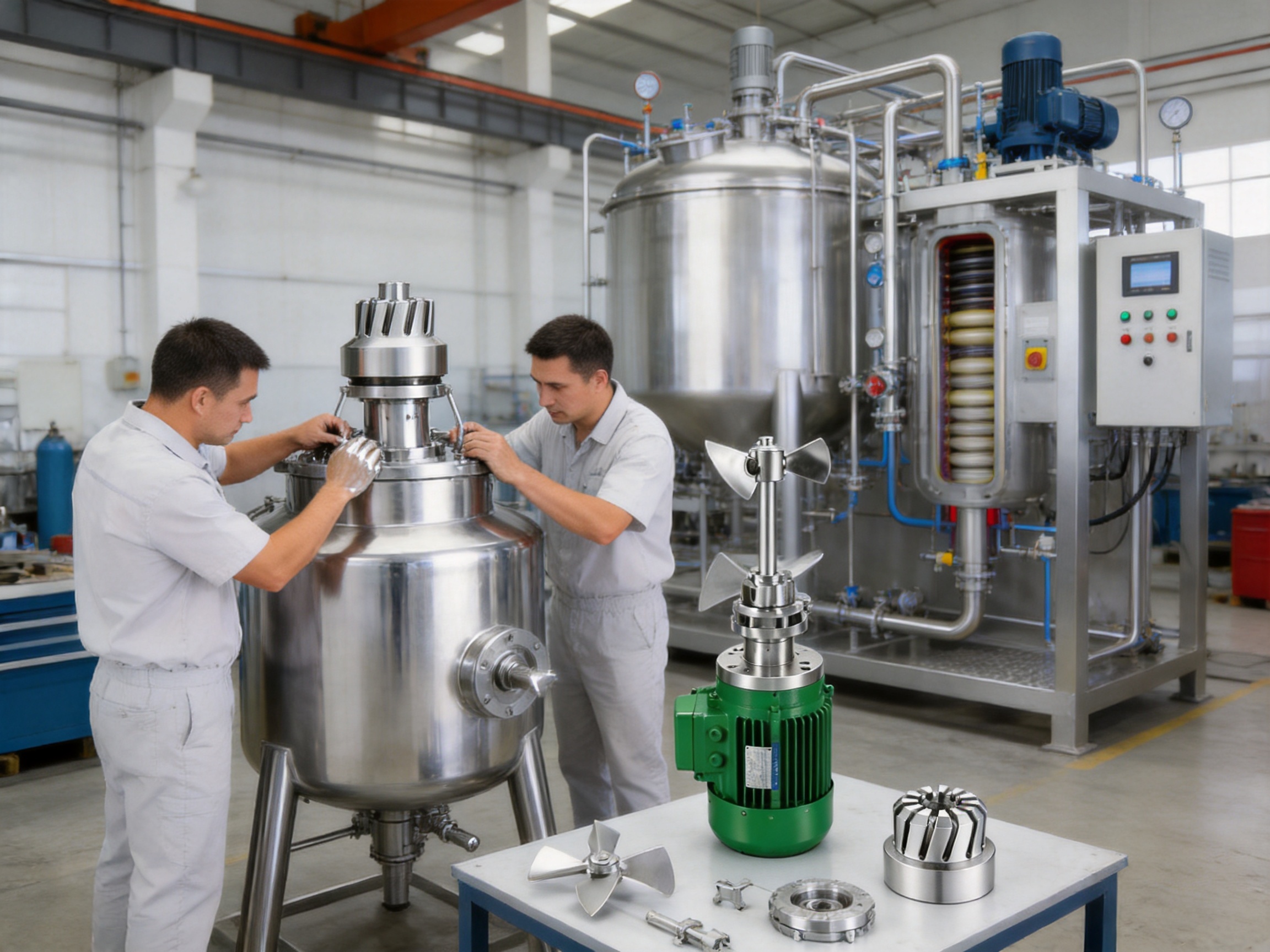
Modern food, beverage, pharmaceutical, and biotechnology manufacturers increasingly require mixing equipment that can combine strong process performance with strict hygienic control. Powders must dissolve quickly, emulsions must remain stable, suspensions must remain uniform, and sensitive products must be protected from contamination and leakage. At the same time, production facilities must reduce cleaning time, simplify maintenance, control operating costs, and use available vessel space more effectively.
The bottom-entry high-shear magnetic emulsifier is designed to address these requirements in a single process solution. It combines bottom-mounted installation, magnetic-drive technology, optimized impeller geometry, controlled shear, sterile construction, and compatibility with clean-in-place and steam-in-place procedures. The result is a compact mixer suitable for challenging solid-liquid, liquid-liquid, dispersion, suspension, dilution, dissolution, and emulsification duties.
Unlike conventional agitators that depend on mechanical shaft seals passing through the vessel wall, this equipment uses a magnetic coupling system to transmit torque without a conventional rotating seal in direct contact with the product. This arrangement reduces the risk of leakage and limits possible pathways for external contamination. It is particularly valuable when processing toxic, high-value, sterile, or oxidation-sensitive media.
The equipment is manufactured and supplied by Shiloc (Shanghai) Industrial Trading Co., Ltd., a Shanghai-based company serving the food and beverage, biopharmaceutical, daily chemical, and fine chemical industries. Supported by European technical experience and Danish design concepts, the company combines process engineering, equipment manufacturing, welding, polishing, quality control, and international supply capabilities.
This article explains the operating principles, construction, advantages, application range, product configurations, manufacturing strengths, and selection considerations associated with bottom-entry high-shear magnetic emulsification technology.
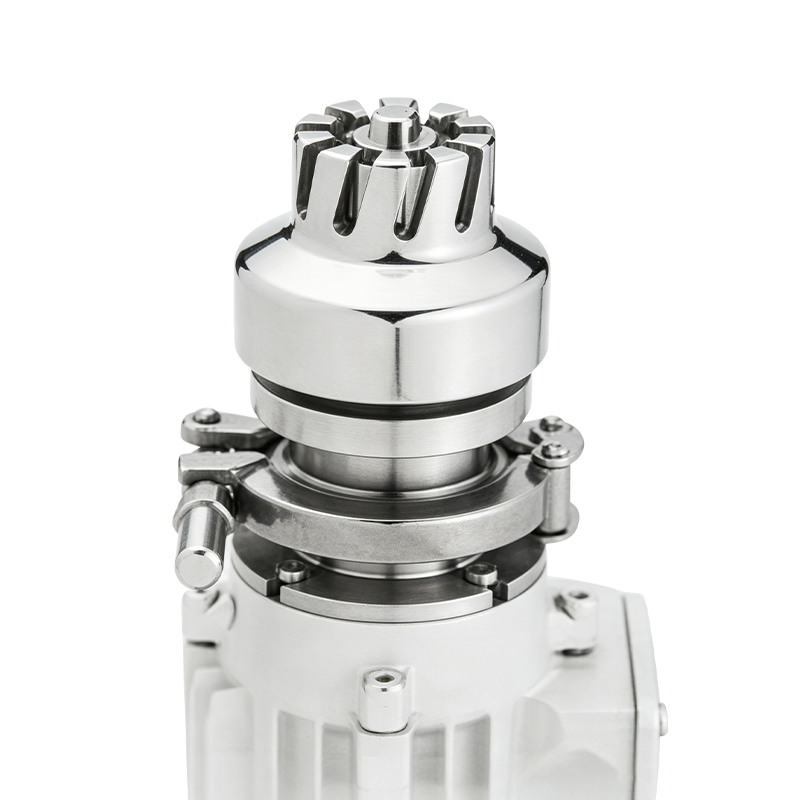
Bottom-entry High-shear Magnetic Emulsifier
What Is a Bottom-Entry High-Shear Magnetic Emulsifier?
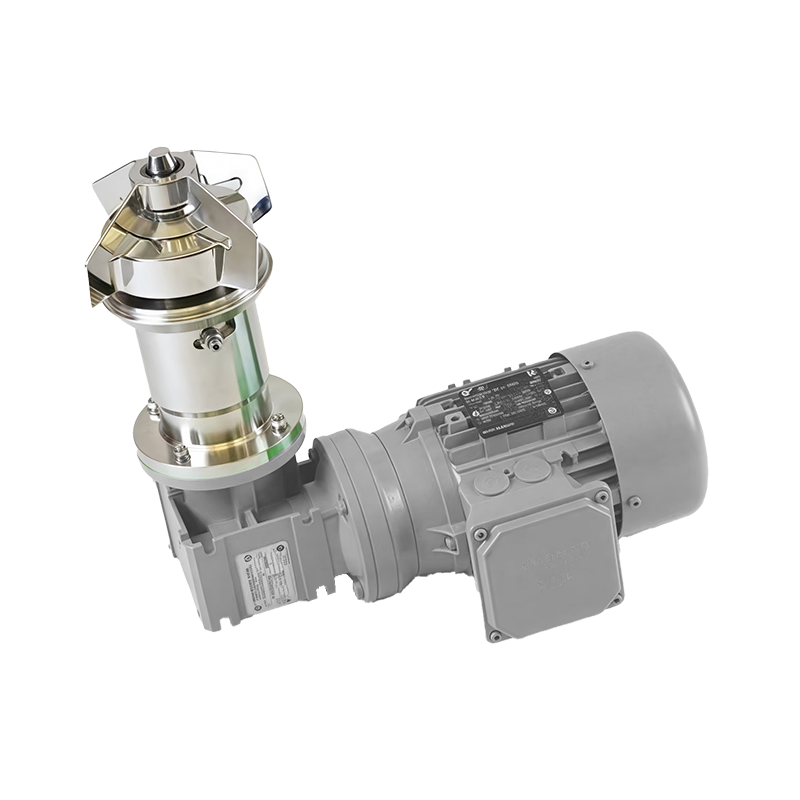
A bottom-entry high-shear magnetic emulsifier is a vessel-mounted mixing machine installed through the lower section of a process tank. Its impeller operates inside the vessel while torque is transferred through a magnetic drive. The impeller creates circulation and localized shear, helping to break down agglomerates, disperse powders, reduce droplet size, and improve uniformity throughout the batch.
The bottom-entry configuration places the mixing element close to the lowest region of the vessel. This is beneficial when the process requires efficient turnover of settled solids, improved circulation near the tank bottom, or reduced dead zones. It can also support the processing of products that are difficult to suspend using a top-mounted agitator alone.
The high-shear version is intended for processes that require more intense interaction between the product and the impeller. As the impeller rotates, it generates velocity gradients and turbulence in the surrounding medium. These forces promote particle deagglomeration, faster wetting, improved solid-liquid contact, and more effective liquid-liquid dispersion.
High shear does not simply mean maximum speed. Effective emulsification depends on the relationship between impeller geometry, rotational speed, vessel dimensions, viscosity, batch volume, material properties, and residence time. The equipment therefore uses a specially designed impeller profile to create an appropriate flow field and controlled shear environment.
The magnetic drive is another essential feature. An external rotor connected to the motor transfers rotational energy through magnetic force to an internal rotor connected to the impeller. Because the drive can be sealed from the process chamber, the design minimizes the risk associated with traditional mechanical seals.
The equipment is intended for hygienic and sterile production. Product-contact components are manufactured from 1.4435 or 1.4404 stainless steel, while the sliding bearings are made from tungsten carbide. The impeller and internal surfaces are designed to support CIP and SIP procedures when properly integrated into the process vessel and utility system.
Why Bottom-Entry Installation Matters
Installation position has a direct effect on circulation, vessel utilization, maintenance access, and plant layout. A top-mounted mixer often requires a support structure above the tank, a longer shaft, and sufficient headroom for the motor and gearbox. In facilities with limited ceiling height or dense equipment arrangements, this can make installation more difficult.
A bottom-mounted mixer uses the lower vessel area for drive installation and leaves the top of the tank more available for filling lines, spray devices, instrumentation, filters, powder addition systems, and other process connections. This can help save operational space and simplify the arrangement of auxiliary equipment.
Bottom-entry installation also creates a direct mixing zone at the vessel base. This is useful when powders tend to settle, when dense particles require suspension, or when the formulation begins with a low liquid level. The low start-up volume helps the mixer begin operating efficiently without requiring a large initial batch volume.
In a suitable vessel design, the bottom-entry impeller can generate upward circulation that carries material away from the base and distributes it through the bulk liquid. This helps reduce the formation of stagnant regions and supports more consistent concentration throughout the tank.
The installation position is not automatically ideal for every process. Vessel geometry, bottom shape, drainability, nozzle orientation, product viscosity, and cleaning coverage must be evaluated during equipment selection. Shiloc’s engineering and technical support capabilities allow the mixer configuration to be considered together with the tank and production system rather than as an isolated component.
Magnetic Drive Technology and Product Protection
Traditional agitators commonly transfer the rotating shaft through a mechanical seal. Although mechanical seals can provide reliable service, they are wear components that require inspection and may become a concern when processing sterile, toxic, abrasive, or high-value materials. Seal failure can lead to product leakage, contamination, unplanned downtime, and cleaning requirements.
A magnetic drive separates the motor-side rotating assembly from the product-side rotating assembly. The external rotor is driven by the motor, while magnetic force transfers torque to the internal rotor and impeller inside the vessel. The process chamber remains closed without requiring a conventional rotating shaft seal extending into the product environment.
This design offers several process advantages:
- Reduced risk of product leakage through a rotating shaft seal.
- Lower potential for external contamination entering the process.
- Protection for toxic, sterile, sensitive, or high-value media.
- A cleaner and more compact process interface.
- Reduced dependence on seal lubrication and seal adjustment.
- Improved suitability for closed and hygienic production systems.
Magnetic drive technology is especially relevant to biopharmaceutical manufacturing, where contamination control is central to product quality. It is also valuable in food and beverage applications involving premium ingredients, concentrated flavors, nutritional products, or formulations that are difficult to recover after leakage.
The magnetic coupling must be selected according to required torque, speed, temperature, viscosity, and product density. Operating conditions that exceed the design limits can cause coupling decoupling, excessive heat generation, or mechanical stress. Correct sizing and process validation are therefore essential.
Impeller Geometry and Controlled Shear
The impeller is the primary process element responsible for energy transfer. Its blade diameter, blade profile, pitch, clearance, and rotational speed determine how the product moves through the vessel. The impeller used in the high-shear magnetic emulsifier is designed to generate an effective mixing flow field while maintaining an appropriate level of shear for the application.
For powder-liquid processing, the impeller must help draw liquid into the mixing zone and distribute powder throughout the vessel. Poorly selected impellers may allow powders to float, form surface rafts, create lumps, or settle at the bottom. Optimized geometry improves wetting and promotes rapid incorporation into the liquid phase.
For emulsification, the impeller applies localized mechanical forces to two immiscible liquid phases. These forces break larger droplets into smaller ones and distribute them through the continuous phase. The final emulsion also depends on formulation chemistry, surfactant selection, temperature, viscosity, processing time, and downstream stabilization.
For suspension maintenance, the impeller must create enough upward flow to prevent particles from settling while avoiding unnecessary energy consumption or product damage. High shear may be appropriate during initial dispersion but may not be required continuously. In some processes, a low-shear mixer is used for maintaining suspension after a high-shear step.
The available product range includes both low-shear and high-shear bottom-mounted magnetic mixers. The LHS series provides a flexible choice for applications that require different levels of process intensity. The LHS-G high-shear model is specifically intended for shear emulsification and particle size reduction.
A practical advantage of this approach is that the mixing system can be matched to the process stage. A manufacturer may use a high-shear configuration for powder incorporation and emulsification, while selecting a lower-speed design for gentle suspension maintenance or cell-related applications.
Materials of Construction and Hygienic Design
Material selection is critical in applications involving food, pharmaceutical, and biotechnology products. Product-contact surfaces must resist corrosion, tolerate repeated cleaning cycles, and avoid contributing unwanted particles or contaminants to the batch.
The contact parts of the equipment are manufactured from 1.4435 or 1.4404 stainless steel. These stainless-steel grades are widely used in hygienic process equipment because of their corrosion resistance, mechanical performance, and suitability for polished product-contact surfaces.
The sliding bearings are made of tungsten carbide. This material provides high hardness and wear resistance, which is important for a bearing operating in demanding process conditions. Bearing selection must still consider the liquid properties, temperature, solids content, lubrication conditions, and cleaning chemicals used by the customer.
O-rings and other elastomeric components must be selected according to the product formulation and cleaning regime. Compatibility with process chemicals, sterilization temperature, pressure, and cycle frequency should be confirmed before final approval. The equipment design includes an O-ring sealing arrangement intended to support the requirements of hygienic processing.
A sterile design is more than the use of stainless steel. It also requires appropriate surface finish, drainability, weld quality, crevice control, gasket positioning, inspection access, and cleaning validation. Shiloc’s internal processing capabilities include welding and polishing, allowing greater control over important hygienic construction steps.
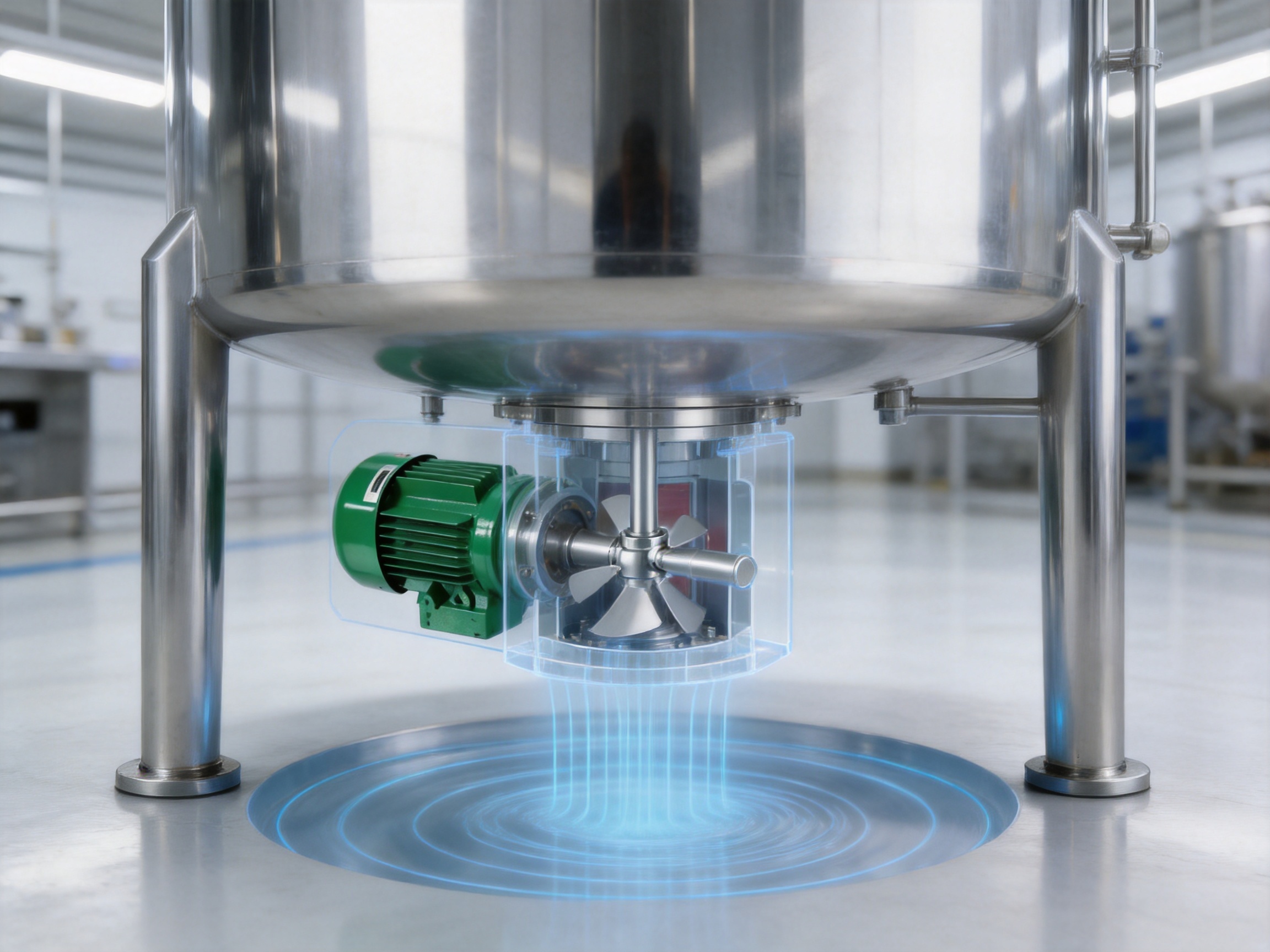
When the mixer is integrated into a complete vessel, the tank designer must also ensure that the bottom-mounted assembly does not create an area that cannot be reached by cleaning fluid or sterilization steam. Proper spray coverage, drain orientation, instrumentation, and process piping are necessary to achieve reliable CIP and SIP performance.
CIP and SIP Compatibility
Clean-in-place systems circulate cleaning solutions through process equipment without requiring complete disassembly. Steam-in-place systems use controlled steam exposure to sterilize compatible process surfaces. Both procedures are important in pharmaceutical, biotechnology, food, and beverage manufacturing.
The bottom-entry high-shear magnetic emulsifier is designed to meet CIP/SIP requirements when installed and operated as part of a correctly engineered system. The impeller profile, internal clearances, product-contact materials, and sterile construction support cleaning and sterilization objectives.
CIP compatibility can provide several operational benefits:
- Reduced manual cleaning labor.
- More consistent cleaning conditions between batches.
- Shorter equipment changeover time.
- Lower risk of operator exposure to process residues.
- Improved process repeatability and documentation.
- Better suitability for closed production environments.
SIP compatibility is particularly important in biopharmaceutical processes and other applications where microbial control is essential. The equipment must be evaluated for the intended steam temperature, pressure, exposure time, thermal expansion, condensate removal, and post-sterilization handling.
Cleaning performance depends on more than mixer construction. Flow velocity, cleaning-agent concentration, temperature, contact time, spray coverage, vessel geometry, and product residue all affect the final result. Customers should establish cleaning and sterilization cycles through appropriate engineering studies and validation procedures.
Advantages Compared with Conventional Mixing Equipment
The bottom-entry high-shear magnetic emulsifier offers several advantages compared with conventional top-entry agitators and mechanically sealed mixers. These advantages should be assessed according to the process, because no single mixer is optimal for every product or vessel.
Lower Contamination and Leakage Risk
The magnetic drive avoids the need for a conventional rotating shaft seal in the product zone. This reduces the number of components that directly separate the process from the external environment and helps protect sterile or high-value media.
Improved Use of Vessel Space
Bottom mounting leaves the top of the vessel available for other equipment connections and reduces the need for large overhead structures. This is useful in compact production rooms and facilities with limited headroom.
Effective Processing of Difficult Powders
The high-shear impeller creates a strong local mixing zone that assists powder wetting, dispersion, and deagglomeration. This can improve the processing of powders that are slow to dissolve or prone to forming lumps.
Better Performance at Low Start-Up Volume
The bottom-entry location allows the impeller to contact material near the vessel base at an early stage of filling. This helps manufacturers begin mixing with a relatively low initial product volume, depending on vessel and impeller design.
Adaptation to Multiple Process Duties
The equipment can be used for mixing, dilution, suspension maintenance, dissolution, dispersion, and emulsification. Different models and speed ranges allow the system to be selected according to the process intensity required.
Support for Hygienic Manufacturing
Stainless-steel contact parts, tungsten carbide bearings, sterile construction, and CIP/SIP compatibility make the equipment suitable for controlled production environments. These features are important in applications where cleaning and contamination control influence product release.
Reduced Maintenance Exposure
By minimizing dependence on a traditional mechanical seal, the magnetic drive can reduce seal-related maintenance activities. Maintenance requirements remain for bearings, O-rings, motor components, gearbox components where applicable, and instrumentation, but the product boundary is simplified.
Product Range and Configuration Options
Shiloc offers several magnetic mixer configurations for different installation positions and process requirements. The following table summarizes the main product types described in the supplied technical information.
| Product Type | Installation and Drive | Maximum Speed | Typical Applications |
|---|---|---|---|
| LDC-N | Top-mounted magnetic mixer with internal magnetic drive | 600 rpm | Solid-liquid mixing, dispersion, and dissolution |
| LDC-W | Top-mounted magnetic mixer with external magnetic drive | 1,200 rpm | Dispersion, mixing, suspension, and dissolution in solution tanks |
| LMP-S | Bottom-mounted magnetic mixer with single-layer impeller | 500 rpm | Dispersion, mixing, suspension, and dissolution |
| LMP-D | Bottom-mounted magnetic mixer with multi-layer impeller | 480 rpm | Cell reactors and multi-zone circulation processes |
| LHS | Bottom-mounted magnetic low-shear mixer | 1,480 rpm | Dispersion, mixing, suspension, and dissolution |
| LHS-G | Bottom-mounted magnetic high-shear mixer | 2,850 rpm | High-shear emulsification and particle size reduction |
The LHS-G series is the primary configuration for high-shear emulsification. Its maximum speed is approximately 2,850 rpm, while the broader magnetic mixer range covers operating speeds from approximately 500 to 2,850 rpm. Actual operating speed should be selected according to viscosity, batch volume, shear sensitivity, particle characteristics, and desired product quality.
The LMP-S and LMP-D models are more focused on general bottom-entry mixing, suspension, dissolution, and circulation. The single-layer configuration may be suitable for straightforward vessel duties, while the multi-layer design can support improved circulation in larger or more complex process zones.
The LDC models provide top-mounted alternatives. They may be selected when the existing vessel design requires top installation or when the process benefits from a different circulation pattern. Although all these products use magnetic-drive principles, installation location and impeller design produce different process behaviors.
LHS-G Series Technical Specifications
The LHS-G series is available in several models designed for different working capacities. The supplied model data is based on testing with water. Because viscosity, density, solids content, temperature, and vessel geometry affect mixer performance, the correct model must be selected using the actual process medium and operating conditions.
| Model | Blade Diameter | Motor Power | Speed | Recommended Capacity |
|---|---|---|---|---|
| LHS-G150 | 80 mm | 0.55/0.75 kW | 2,850 rpm | 10–150 L |
| LHS-G600 | 100 mm | 2.2/3 kW | 2,850 rpm | 150–600 L |
| LHS-G2500 | 170 mm | 5.5/7.5 kW | 2,850 rpm | 600–2,500 L |
The listed capacity range should be treated as a preliminary guide rather than a universal guarantee. A product with viscosity near the stated limit of 800 cP may require a different configuration from a water-like product in the same vessel. Powders, fibers, solids loading, temperature, and emulsification requirements can also change the required power and impeller size.
For a final selection, manufacturers should provide information about working volume, minimum and maximum batch volume, viscosity range, density, temperature, solids concentration, particle size, desired mixing time, cleaning method, sterilization conditions, and vessel geometry.
Applications in Food and Beverage Manufacturing
Food and beverage producers use mixing systems for a wide variety of products, including sauces, dressings, beverages, nutritional formulations, dairy-related products, syrups, flavor systems, concentrates, and powdered ingredients. Each product presents different requirements for wetting, dissolution, dispersion, shear, and temperature control.
The bottom-entry high-shear magnetic emulsifier is suitable for processes where powders must be incorporated into liquids efficiently. It can help reduce floating powder layers, surface agglomerates, and undissolved material. Faster wetting can improve batch consistency and reduce the time needed before downstream filtration, filling, or thermal treatment.
In emulsified food products, the mixer can help disperse an oil phase into a water phase or distribute other immiscible ingredients. The final texture and stability depend on the formulation, but controlled high-shear mixing can contribute to a finer and more uniform dispersion.
The equipment can also support dilution and suspension maintenance. Concentrated ingredients may be diluted into a carrier liquid, while particulate materials can be maintained in suspension before filling or transfer. Bottom mounting is useful when heavier ingredients tend to collect at the vessel base.
Hygienic construction is especially important in food production because product residues can support microbial growth and create allergen-control challenges. CIP-compatible equipment can help standardize changeover procedures and reduce manual intervention. The magnetic drive also helps reduce the possibility of product leakage around the vessel shaft opening.
Applications in Biopharmaceutical Manufacturing
Biopharmaceutical processes require a high level of control over contamination, shear exposure, temperature, cleaning, and batch traceability. Equipment must be designed around the sensitivity of cells, proteins, active ingredients, buffers, and other biological materials.
The LHS-G high-shear configuration is intended for biopharmaceutical shear emulsification and related dispersion duties. It can be used where a controlled high-shear zone is needed to process difficult materials while maintaining a closed and hygienic system.
Other magnetic mixer configurations may be more appropriate for gentle suspension, solution preparation, or cell reactor applications. For example, the LMP-D multi-layer model is identified for use in cell reactors, where circulation across multiple vertical zones may be more important than maximum shear.
The magnetic drive helps protect valuable media by reducing the likelihood of leakage through a traditional rotating seal. This is important when the product has a high material value, when exposure must be tightly controlled, or when contamination could compromise an entire batch.
CIP and SIP compatibility supports integration into validated production systems. However, the final design must be evaluated as part of the complete process installation. Sterility assurance depends on the vessel, piping, valves, filters, utilities, control system, and validated operating procedures in addition to the mixer itself.
In biopharmaceutical applications, shear sensitivity must also be assessed carefully. High shear may be essential for emulsification, but it may be unsuitable for fragile cells or shear-sensitive biological structures. The LHS, LMP, and other available configurations provide opportunities to match mixing intensity to the biological process stage.
Manufacturing Strengths of Shiloc
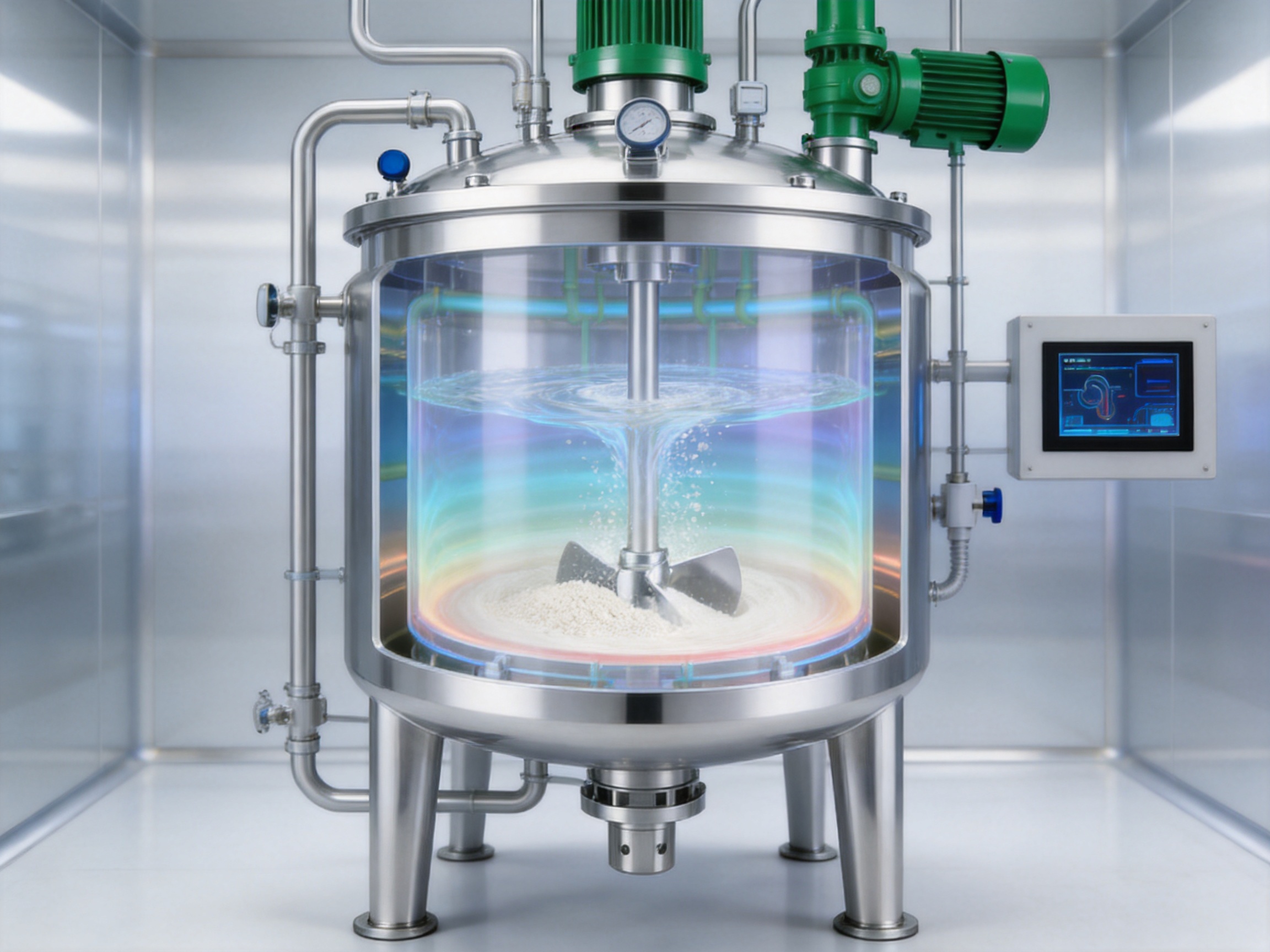
Equipment performance depends not only on the product concept but also on the manufacturer’s ability to control design, materials, fabrication, inspection, and support. Shiloc (Shanghai) Industrial Trading Co., Ltd. was established in March 2026 in Fengxian District, Shanghai, with a business scope covering international trade, import and export agency services, equipment manufacturing, and engineering and technical services.
The company operates a 3,000-square-meter Shanghai facility and has more than 20 technical specialists. Its capabilities cover internal processing, stainless-steel welding, polishing, quality control, and equipment supply. These resources allow the company to support customers from initial technical discussions through equipment delivery and engineering coordination.
Shiloc’s equipment approach is based on European technical experience and Danish design concepts. The objective is to combine practical manufacturing with hygienic process engineering, reliable mechanical construction, and process optimization. This is important for customers that require more than a standard catalog machine.
Internal Processing and Traceability
Internal control of processing operations can improve traceability and consistency. Welding, polishing, dimensional preparation, and inspection are important in hygienic equipment because surface defects, weld irregularities, or uncontrolled modifications may affect cleanability and product safety.
By maintaining control over key manufacturing steps, Shiloc can coordinate design requirements with fabrication details. This supports better communication between engineering and production teams, particularly when customers require customized dimensions, connection standards, vessel integration, or specific surface-finish requirements.
Stainless-Steel Welding and Polishing
Hygienic equipment requires careful welding practices. Welds should be properly formed, cleanable, and compatible with the intended process environment. Polishing helps reduce surface roughness and minimizes locations where product residues could collect.
The company’s internal welding and polishing capabilities support the production of equipment for food, pharmaceutical, and biotechnology environments. Final requirements should be agreed with the customer according to applicable standards, surface-finish specifications, validation expectations, and inspection documentation.
Engineering and Technical Services
Mixing performance depends on the relationship between the mixer and the process vessel. Shiloc provides engineering and technical services to help customers consider mixer selection, vessel arrangement, operating conditions, cleaning systems, and production objectives together.
This engineering approach is valuable when a customer is upgrading an existing vessel, planning a new process line, or integrating the mixer with powder feeding, temperature control, filtration, transfer, or automated cleaning systems.
International Supply and Customer Support
As an import and export trading company, Shiloc supports international customers with equipment supply, engineering coordination, and related trade services. Its focus on global sharing and personalized service is intended to help customers obtain process equipment that fits their local production requirements and project schedules.
International projects often require attention to electrical standards, documentation, shipping conditions, installation support, spare parts, language requirements, and acceptance testing. These matters should be addressed early in the project to minimize delays and ensure that the delivered equipment can be integrated efficiently.
Process Benefits for Manufacturers
A well-selected bottom-entry high-shear magnetic emulsifier can contribute to manufacturing efficiency in several ways. Faster dispersion and dissolution may shorten batch time. Improved suspension can reduce concentration variation. Better emulsification can support more consistent texture and stability. Reduced leakage risk can protect both product and facility cleanliness.
The compact bottom-mounted arrangement can also simplify plant layout. Space saved above the tank may be used for powder induction equipment, spray balls, sight glasses, filters, sensors, or access platforms. This can be particularly useful in retrofit projects where the existing building structure limits expansion.
Low start-up volume may allow operators to begin processing earlier in the filling cycle. This can reduce the time during which material is present in the vessel without effective circulation. It may also be useful for small batches, development work, or high-value formulations where minimizing hold-up is important.
Magnetic-drive operation can reduce the operational concerns associated with product leakage around rotating seals. While all mechanical equipment requires inspection and planned maintenance, simplifying the product boundary can support cleaner operation and reduce the likelihood of seal-related interruption.
Energy efficiency should be evaluated at the complete process level. A high-shear mixer may consume more power during an intensive emulsification step but reduce total batch time or eliminate repeated processing. The optimum solution is therefore based on total process performance rather than motor power alone.
How to Select the Correct Mixer
Selection should begin with a clear definition of the process objective. A mixer intended to dissolve a small quantity of powder into a low-viscosity liquid may require a different impeller and power level from a mixer intended to emulsify a viscous two-phase formulation.
Viscosity and Density
The supplied equipment information indicates suitability for viscosities up to approximately 800 cP. This value should be treated as a guide because the actual operating limit depends on speed, batch volume, density, solids content, temperature, and impeller configuration.
Viscosity can change substantially during processing. A product may begin as a low-viscosity liquid and become more viscous as powder dissolves or an emulsion develops. The mixer should therefore be evaluated against the highest expected process viscosity rather than only the starting condition.
Batch Volume
Both minimum and maximum working volumes must be considered. A mixer that performs well at the nominal capacity may not provide the same circulation at a very low fill level or at the upper end of the vessel range. Low start-up volume is an advantage, but the actual minimum operating level should be confirmed during process design.
Required Shear Level
General suspension and dissolution may not require the same shear intensity as emulsification or particle size reduction. LMP models are intended for many general mixing duties, while the LHS-G series is designed for high-shear applications. Selecting excessive shear can increase energy consumption or damage shear-sensitive products.
Material Characteristics
Powder wettability, particle size, density, tendency to agglomerate, solids concentration, and abrasiveness all influence the required configuration. For liquid-liquid processing, the phase ratio, interfacial properties, viscosity ratio, and emulsion stability must be considered.
Cleaning and Sterilization
The customer should define cleaning agents, temperatures, flow rates, SIP conditions, pressure, cycle frequency, and validation requirements. These parameters influence gasket materials, bearing design, surface finish, vessel integration, and instrumentation.
Vessel Geometry
Tank diameter, height-to-diameter ratio, bottom shape, internal coils, baffles, dip pipes, and outlet location all affect mixing. A technically suitable mixer may perform poorly if installed in a vessel with unsuitable geometry. Engineering review is therefore recommended before final ordering.
Recommended Project Evaluation Procedure
- Define the process objective, such as dissolution, dispersion, suspension, emulsification, or particle size reduction.
- Document the product properties, including viscosity, density, temperature, solids concentration, and material sensitivity.
- Confirm minimum, normal, and maximum working volumes.
- Determine whether bottom-entry or top-mounted installation is more suitable for the vessel and facility.
- Select the required shear range and preliminary model.
- Review product-contact materials, bearing materials, gasket compatibility, and surface-finish requirements.
- Confirm CIP/SIP conditions and cleaning validation expectations.
- Evaluate motor power, speed control, electrical requirements, and control-system integration.
- Review vessel geometry and connection details with the equipment supplier.
- Establish inspection, documentation, factory testing, installation, and commissioning requirements.
This structured approach reduces the risk of selecting a mixer based only on tank capacity or motor power. The best result comes from matching the entire mechanical and process configuration to the real operating conditions.
Quality Management and Reliability
Shiloc maintains quality management, environmental, and safety practices aligned with its international business and manufacturing objectives. The company’s stated focus includes reliable supply, process optimization, traceability, product safety, and personalized technical service.
Quality control should cover incoming materials, welding, dimensional accuracy, surface finish, bearing installation, rotor alignment, motor and gearbox performance where applicable, sealing components, and final inspection. Documentation may include material certificates, inspection records, test reports, operating instructions, maintenance recommendations, and spare-parts information.
Reliability also depends on correct operation. Operators should avoid running the mixer outside the specified speed, viscosity, temperature, and fill-level range. Sudden changes in product properties can affect torque and coupling behavior. Preventive maintenance should include inspection of bearings, O-rings, motor components, gearbox components, electrical connections, and mounting hardware.
For sterile applications, maintenance procedures must preserve the validated condition of the equipment. Any replacement component, surface repair, gasket change, or modification to the process boundary should be assessed for its effect on cleanability and sterilization.
Integration with a Complete Process System
The bottom-entry high-shear magnetic emulsifier can be integrated into a broader process system containing a mixing vessel, heating or cooling jacket, load cells, powder addition equipment, transfer pumps, filtration units, control valves, sensors, and CIP/SIP utilities.
Temperature control is often important in emulsification and dissolution. Heating may reduce viscosity and accelerate dissolution, while cooling may protect sensitive ingredients or improve emulsion stability. The mixer should be selected based on the highest and lowest expected temperatures as well as thermal expansion effects.
Instrumentation can include temperature sensors, pressure sensors, level measurement, conductivity monitoring, torque monitoring, and speed feedback. These instruments help operators reproduce successful batches and identify changes in product behavior.
Automated control can regulate speed according to recipe steps. For example, a process may begin at low speed during liquid charging, increase speed during powder addition, operate at high shear during emulsification, and then reduce speed during holding or suspension maintenance.
The system design should also consider safe handling of powders and volatile or hazardous ingredients. Closed transfer, dust control, vessel venting, and suitable exhaust arrangements may be necessary depending on the material and regulatory environment.
Operating Guidelines
Before starting the equipment, operators should verify that the vessel contains sufficient liquid to cover the impeller and that all valves, covers, connections, and safety devices are in the correct position. The mixer should not be started under conditions that could cause dry running, excessive torque, or magnetic coupling overload.
Powder addition should be controlled to avoid sudden overloading. Feeding too much powder too quickly can create agglomerates or exceed the available mixing capacity. A controlled addition rate, appropriate liquid level, and suitable impeller speed generally provide better dispersion.
During emulsification, operators should monitor temperature, speed, batch appearance, torque, and processing time. Excessive shear may increase temperature or damage sensitive ingredients, while insufficient shear may produce large droplets or an unstable emulsion.
After the required mixing step, the equipment may be operated at a lower speed if continued suspension maintenance is needed. The appropriate holding speed depends on the settling characteristics of the particles and the sensitivity of the product.
At the end of the batch, the vessel should be drained according to the process design. The mixer and vessel should then undergo the approved cleaning and sterilization cycle. Operators should document relevant process data to support reproducibility and quality review.
Frequently Asked Questions
What is the principal advantage of a bottom-entry high-shear magnetic emulsifier?
Its principal advantage is the combination of high-shear mixing performance, bottom-mounted circulation, and magnetic-drive product protection. The equipment can promote powder dispersion, emulsification, dissolution, and particle size reduction while reducing the risk of contamination and leakage associated with conventional rotating shaft seals.
How does the magnetic drive prevent cross-contamination?
The motor-side rotor and product-side rotor are separated by a sealed barrier, and torque is transferred magnetically. This eliminates the need for a conventional rotating shaft seal extending through the product boundary. The design does not replace the need for hygienic construction and validated cleaning, but it reduces one important contamination and leakage pathway.
Is the equipment suitable for high-viscosity products?
The supplied technical information indicates suitability for viscosities up to approximately 800 cP. Actual performance depends on the product’s density, solids content, temperature, batch volume, and required shear level. A final model should be selected using the actual medium and process conditions.
What is the difference between LMP and LHS models?
LMP models are intended primarily for mixing, dissolution, dispersion, and suspension maintenance. The LHS series provides higher-speed configurations, including the LHS-G high-shear model for emulsification and particle size reduction. The appropriate series depends on the required process intensity and product sensitivity.
When should an LMP-D multi-layer mixer be considered?
The LMP-D model may be considered when improved circulation across multiple vessel zones is needed or when the process involves cell reactors and other complex mixing environments. Its multi-layer configuration is different from the localized high-shear focus of the LHS-G model.
What is the maximum speed of the LHS-G series?
The listed maximum speed for the LHS-G series is 2,850 rpm. Operating speed should be adjusted according to the product, vessel, viscosity, desired shear, and process stage. Maximum speed is not necessarily the optimum speed for every formulation.
Can the mixer be used for sterile production?
Yes. The design is intended to comply with FDA-related requirements for pharmaceutical and biotechnology applications and to support CIP/SIP-compatible sterile processing. The complete installation, including the vessel and utilities, must be properly designed, commissioned, cleaned, sterilized, and validated.
Why is bottom mounting useful in a compact facility?
Bottom mounting saves space above the vessel and leaves the top area available for other equipment connections. It may reduce the need for overhead support structures and can simplify installation in facilities with limited ceiling height.
What materials are used for product-contact components?
The supplied information identifies 1.4435 or 1.4404 stainless steel for product-contact parts. Sliding bearings are made from tungsten carbide. Elastomeric components should be selected according to the product and cleaning conditions.
Does the equipment require special vessel design?
Bottom-entry installation requires suitable vessel geometry, mounting provisions, drainability, cleaning coverage, and access for inspection and maintenance. The mixer should be evaluated together with the vessel and process system before fabrication or installation.
How should the correct model be selected?
Selection should consider working volume, viscosity, density, solids concentration, temperature, desired shear, mixing time, particle characteristics, vessel dimensions, cleaning requirements, sterilization conditions, and motor power. Water-based catalog capacity data should not be used as the only selection criterion for viscous or complex products.
What support does Shiloc provide?
Shiloc provides equipment manufacturing, engineering and technical services, international trade support, import and export agency services, and customized process solutions. Its capabilities include internal processing, welding, polishing, quality control, and coordination of equipment for food, beverage, biopharmaceutical, daily chemical, and fine chemical applications.
Conclusion
The bottom-entry high-shear magnetic emulsifier provides a practical solution for manufacturers that need efficient particle reduction, dispersion, emulsification, dissolution, and suspension while maintaining hygienic and sterile process conditions. Its optimized impeller geometry creates a controlled shear environment, while the bottom-mounted position improves circulation near the vessel base and saves space above the tank.
The magnetic drive is a major advantage over conventional mechanically sealed agitators because it minimizes the risk of product leakage and reduces a potential route for cross-contamination. Stainless-steel product-contact parts, tungsten carbide sliding bearings, sterile construction, and CIP/SIP compatibility further support demanding food, beverage, pharmaceutical, and biotechnology applications.
The LHS-G series provides high-speed performance for shear emulsification and particle size reduction, while the LMP and LDC series offer alternatives for general mixing, suspension, dissolution, solution preparation, cell reactor circulation, and top-mounted installation. This broader product family allows manufacturers to select equipment based on actual process requirements rather than applying a single design to every duty.
Shiloc strengthens this equipment offering through European technical experience, Danish design concepts, Shanghai-based manufacturing, internal welding and polishing, technical specialists, traceability, and international engineering support. For customers planning a new process line or upgrading an existing vessel, the company can provide a coordinated approach that considers mixer selection, vessel integration, hygienic design, cleaning, sterilization, and long-term operating requirements.
Successful implementation depends on correct model selection and complete system engineering. When viscosity, batch volume, product sensitivity, vessel geometry, shear requirement, and CIP/SIP conditions are carefully evaluated, bottom-entry high-shear magnetic mixing can improve batch consistency, reduce contamination risk, optimize facility space, and support more efficient production.
References
1. Product technical information for LHS-G, LHS, LMP, and LDC magnetic mixer series, supplied by Shiloc (Shanghai) Industrial Trading Co., Ltd.
2. FDA-oriented hygienic design principles for pharmaceutical and biotechnology processing equipment.
3. General engineering practices for clean-in-place and steam-in-place systems in hygienic process manufacturing.
4. Stainless-steel material guidance for product-contact equipment using grades 1.4435 and 1.4404.
5. Industrial mixing principles for powder dispersion, solid-liquid suspension, dissolution, liquid-liquid emulsification, and particle size reduction.
6. General design considerations for magnetic-drive mixers and sealed process equipment.
Product: Bottom-entry High-shear Magnetic Emulsifier
PREV:Side-Entry Tank Mechanical Agitators for Hygienic, Efficient, and Large-Volume Process Mixing
NEXT:Bottom-Entry High-Shear Magnetic Emulsifiers for Hygienic Food and Biopharmaceutical Processing
NEXT:Bottom-Entry High-Shear Magnetic Emulsifiers for Hygienic Food and Biopharmaceutical Processing
Interested in cooperation or have questions?
Recommended LINS
✦
Food Processing Skid System
Food and Beverage Process System
CIP Skid System for Food Industry
food and beverage process skid system
hygienic process skid for food industry
CIP process skid system for food industry
automated process skid system for food processing
modular food processing skid system
beverage processing skid system
food processing equipment skid system
Let'S Work Together Welcome Aboard!
-

haikexin@haikexin.com
+8613391278930
-
 +86-21-57560276
 -
 No. 2819, Sihu Road,Fengxian District, Shanghai, China
Join Our Mailing List
Copyright © Shiloc (Shanghai) Industrial Trading Co., Ltd. All Rights Reserved.
Process Systems & Equipment For Food & Biopharma Manufacturers
