
 English
 русский
 Português
 Français



 Read More

Product Category
NEW Category
Contact us
Contact Us
We specialise in the research, development and manufacture of electrical wires and cables.
 +86-21-57560276
Automatic Food Pasteurization Systems: Advanced Process Solutions for Safe, Efficient, and High-Quality Production
Content
- 1 Introduction
- 2 What Is an Automatic Food Pasteurization System?
- 3 How Pasteurization Helps Extend Shelf Life
- 4 Core Advantages of the System
- 5 Material-Adaptive Equipment Design
- 6 Advanced Manufacturing and Engineering Strengths
- 7 Compliance and Hygienic Standards
- 8 Automation Architecture
- 9 Comparison with Conventional Heating Methods
- 10 Applications Across the Food and Beverage Industry
- 11 Sustainability and Operating Cost Reduction
- 12 Selection Guide for Manufacturers
- 13 Installation, Commissioning, and Technical Support
- 14 Why Choose a Customized Engineering Solution?
- 15 Professional Process Equipment Manufacturing
- 16 Conclusion
- 17 Questions and Answers
- 17.1 What is the main purpose of an automatic food pasteurization system?
- 17.2 Can pasteurization completely sterilize a food product?
- 17.3 How does the system extend product shelf life?
- 17.4 Which products can be processed?
- 17.5 What is the difference between shell-and-tube and sleeve-type equipment?
- 17.6 Does automation reduce energy consumption?
- 17.7 How does the CIP system improve hygiene?
- 17.8 Can the equipment connect to an existing factory control system?
- 17.9 What manufacturing features support hygienic performance?
- 17.10 What information is needed before equipment selection?
- 17.11 Can the system be customized for future expansion?
- 17.12 What standards may apply to the system?
- 18 References
- 19 Product: Automatic Food Pasteurization System
Introduction
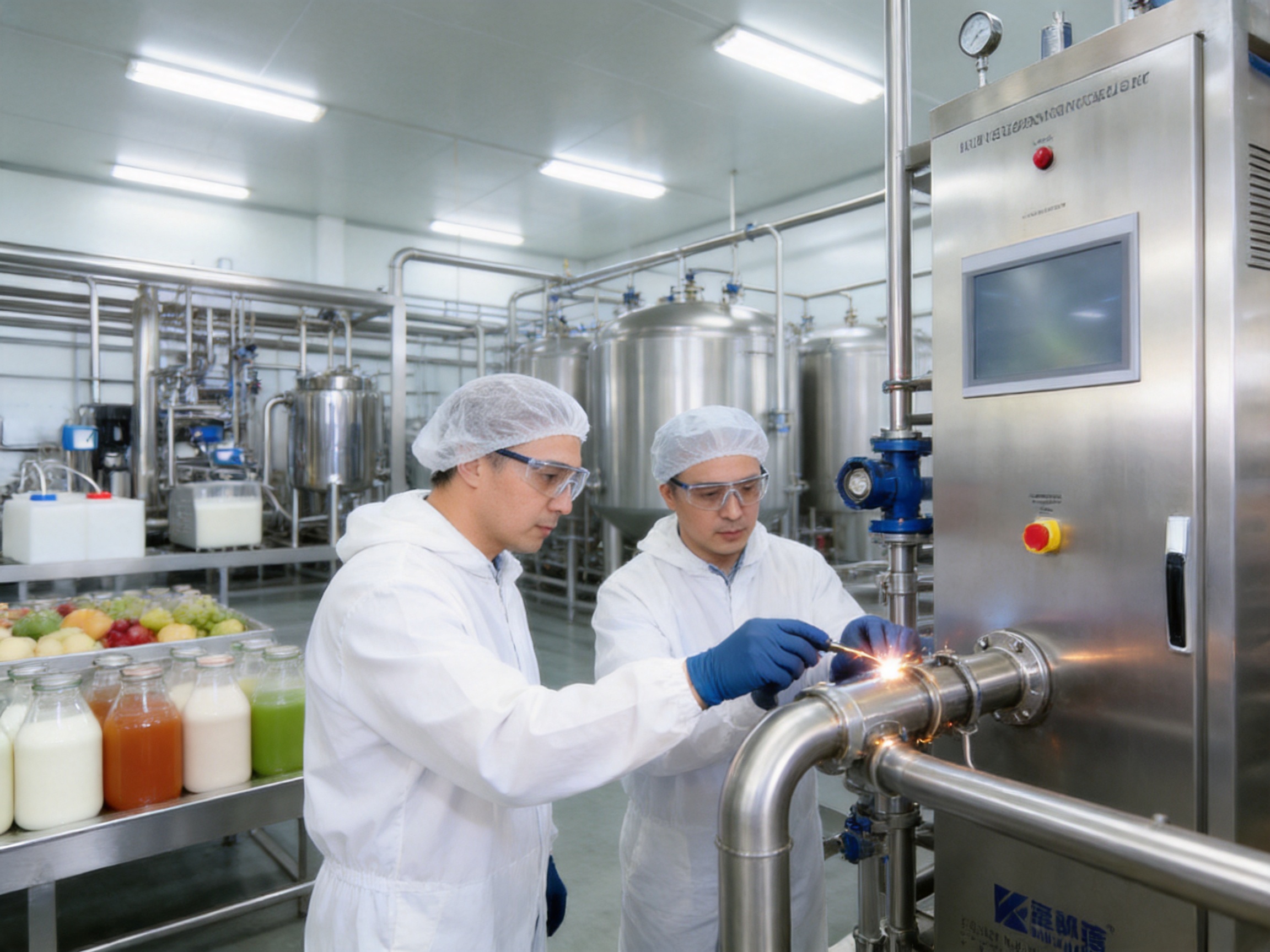
Food and beverage manufacturers are under constant pressure to produce safer products, extend shelf life, protect nutritional value, reduce energy consumption, and maintain consistent quality from batch to batch. These requirements are especially demanding when processing heat-sensitive products such as milk, yogurt, fruit juice, plant-based beverages, beer, sauces, nutritional drinks, and liquid foods. Excessive heating can damage flavor, color, texture, vitamins, and other valuable product characteristics, while insufficient heating may leave harmful or spoilage microorganisms active.
An automatic food pasteurization system provides an integrated solution to this challenge. By combining controlled heating, accurate holding time, rapid cooling, hygienic fluid handling, automated process control, heat recovery, and Clean-in-Place technology, the system enables manufacturers to achieve reliable microbial reduction without unnecessary thermal stress. It transforms pasteurization from a manually supervised heating operation into a repeatable, traceable, and highly efficient production process.
The system is designed for food and beverage manufacturers that require dependable performance, flexible product handling, and easy integration with existing production lines. It can be configured for products with different viscosities, flow characteristics, acidity levels, solids content, and temperature sensitivities. Depending on the product, the equipment may use shell-and-tube heat exchangers, sleeve-type sterilizers, or other customized heat-transfer arrangements to achieve uniform treatment and stable operation.
In addition to its process advantages, the system benefits from advanced manufacturing capabilities. European technical expertise, Danish design concepts, high-quality materials, hygienic fabrication, precision welding, professional polishing, and strict quality control contribute to a reliable process skid suitable for demanding food and biopharmaceutical environments. The result is more than a heating machine: it is a complete process platform designed for safety, productivity, energy efficiency, and long-term operational value.
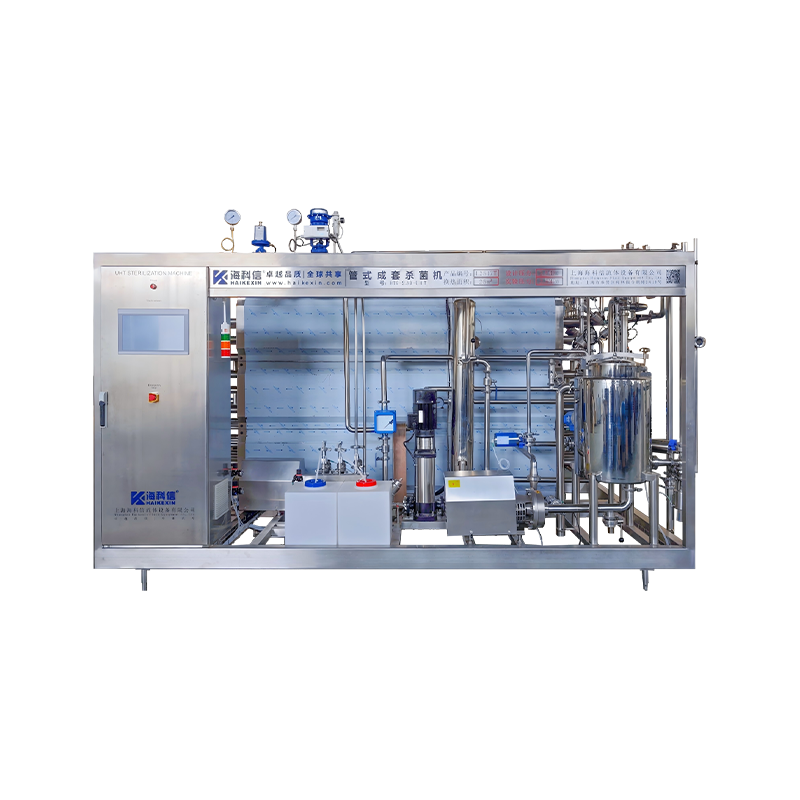
Automatic Food Pasteurization System
What Is an Automatic Food Pasteurization System?
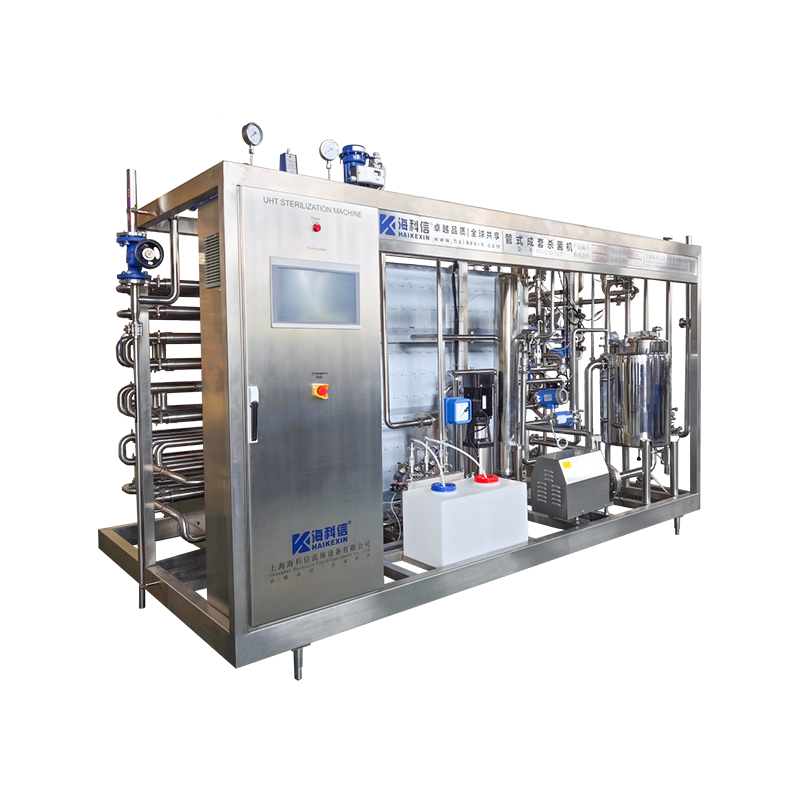
An automatic food pasteurization system is an integrated processing skid that heats a food or beverage product to a controlled temperature, maintains the product at that temperature for a defined holding period, and then cools it rapidly. The objective is to reduce pathogenic microorganisms and spoilage organisms while preserving the product’s desired sensory and nutritional properties.
Pasteurization is different from complete sterilization. Pasteurization significantly reduces the microbial load and improves storage stability, but the final shelf life also depends on packaging, storage temperature, product formulation, filling hygiene, and distribution conditions. For specific applications, the equipment can be configured for more intensive thermal treatment or aseptic processing requirements. The correct process must always be established through product-specific validation and applicable regulations.
Unlike basic heating equipment, an automatic pasteurization system combines several functions into one coordinated process. A typical configuration may include:
- Product balance tanks
- Sanitary centrifugal or positive-displacement pumps
- Regenerative heat exchangers
- Heating and cooling sections
- Holding tubes
- Temperature sensors and transmitters
- Flow meters and control valves
- PLC-based automation
- Human-machine interface panels
- Automatic diversion valves
- Clean-in-Place systems
- Process data recording and alarm management
These components work together to maintain the required process profile. The system monitors product temperature, flow rate, pressure, holding time, and other critical parameters. If the product does not reach the required condition, an automatic flow diversion function can prevent under-processed product from continuing to the filling or packaging stage.
How Pasteurization Helps Extend Shelf Life
Product shelf life is influenced by several factors, including microbial growth, enzyme activity, oxidation, packaging integrity, storage temperature, and the possibility of contamination during production. A properly designed automatic food pasteurization system addresses several of these factors simultaneously.
Microbial Reduction
The most important purpose of pasteurization is to reduce harmful microorganisms and spoilage organisms. Depending on the product and process conditions, controlled heating can reduce bacteria, yeasts, molds, and other organisms that may cause illness or shorten product life.
The required thermal profile depends on the microorganism of concern, product pH, viscosity, solids content, packaging method, and intended storage conditions. A system designed for milk may use different temperature and holding-time parameters from one designed for acidic fruit juice, beer, soup, or a high-viscosity sauce. Automated controls make it possible to establish and repeat the correct profile for each product.
Control of Enzymatic Activity
Many foods contain naturally occurring enzymes that remain active after harvesting or processing. These enzymes may contribute to flavor deterioration, browning, separation, texture loss, color changes, or nutrient degradation. Controlled thermal treatment can reduce enzymatic activity and help preserve product quality during storage.
Because excessive heating can also damage sensitive components, the process must be accurately controlled. Rapid heating, precise holding, efficient regeneration, and quick cooling help reduce the time that a product is exposed to high temperatures. This is particularly important for products containing delicate flavors, proteins, vitamins, natural pigments, or volatile aroma compounds.
Reduced Risk of Secondary Contamination
Open manual processing exposes products to operators, air, equipment surfaces, and the surrounding environment. Each additional handling step creates a potential contamination risk. An automated pasteurization skid supports closed-loop processing, reducing unnecessary product exposure.
Sanitary piping, hygienic valves, sealed pumps, smooth internal surfaces, and automated cleaning help create a more controlled production environment. Reduced manual intervention also lowers the risk of incorrect valve operation, improper transfer, or accidental cross-contamination between product batches.
Consistent Thermal Treatment
Manual heating may result in temperature fluctuations, uneven heat distribution, or inaccurate holding times. These variations can produce under-processed product or unnecessary overheating. An automatic system continuously monitors critical process variables and adjusts the operation when necessary.
Stable temperatures, accurate flow control, calibrated sensors, and controlled holding tubes provide greater confidence that every part of the product receives the intended treatment. This consistency is essential for product safety, regulatory compliance, production efficiency, and customer satisfaction.
Core Advantages of the System
High Energy Efficiency
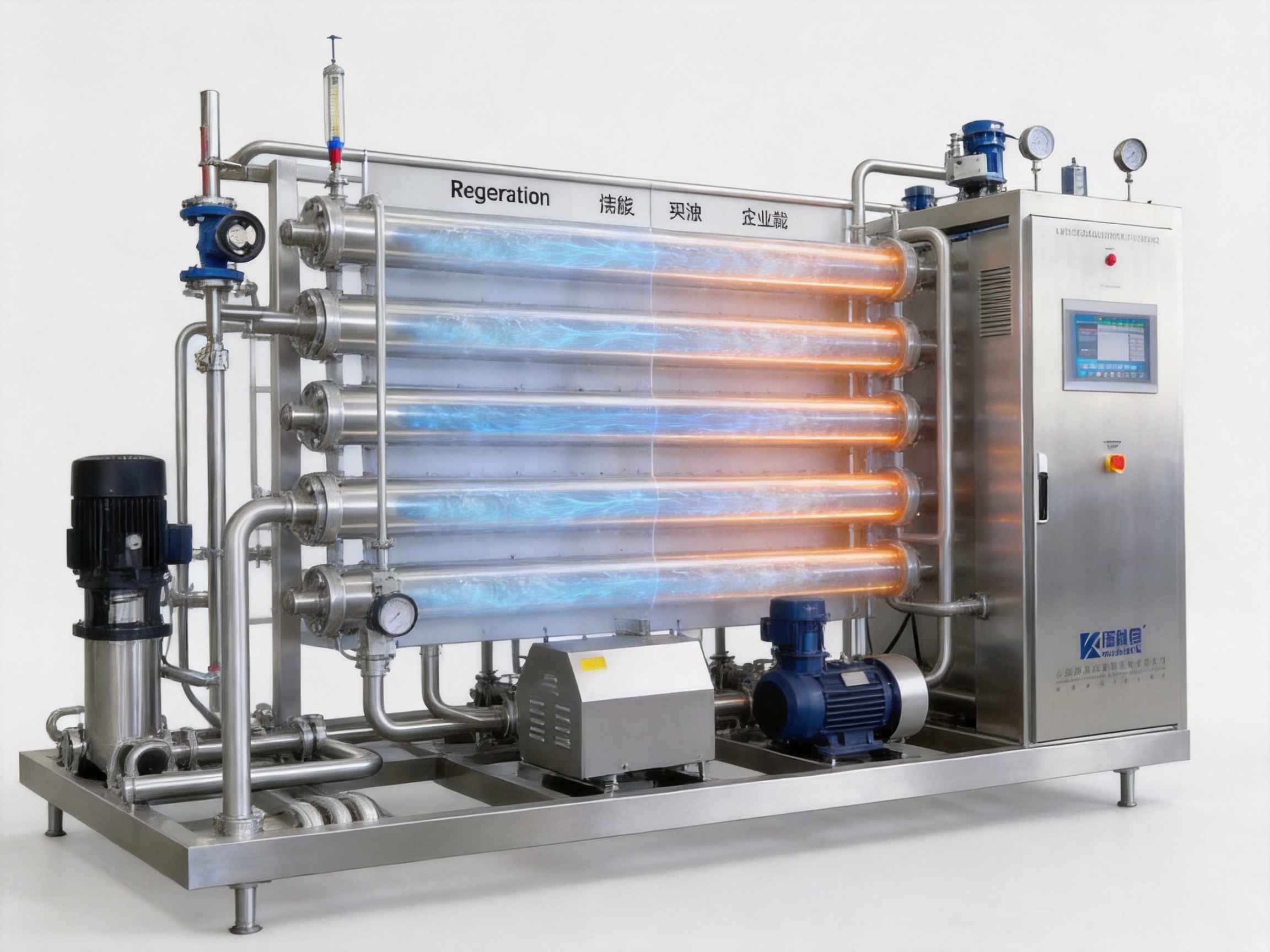
Energy efficiency is one of the most important advantages of a modern pasteurization system. In many configurations, the hot outgoing product transfers energy to the cold incoming product through a regenerative heat exchanger. This heat recovery reduces the amount of steam, hot water, or electrical energy needed to reach the target temperature.
Effective regeneration can also reduce the cooling load because the product is partially cooled through internal heat exchange before entering the final cooling section. This lowers utility consumption and may reduce the required capacity of the heating and refrigeration systems.
Energy efficiency is supported by more than heat recovery. Properly selected heat-transfer surfaces, optimized flow channels, insulation, automatic temperature regulation, and production scheduling can all contribute to lower operating costs. The system can be engineered according to the product, capacity, utility conditions, and expected production cycle.
Wide Product Applicability
The equipment can be adapted to a broad range of liquid and semi-liquid products. Typical applications include dairy products, fruit juices, plant-based beverages, tea drinks, coffee beverages, beer, liquid nutritional products, sauces, ketchup, dressings, soups, broths, liquid seasonings, and other hygienic food products.
Different products require different equipment configurations. Low-viscosity products such as milk and beverages generally flow easily through shell-and-tube or plate-type heat exchangers, where high heat-transfer efficiency can be achieved. High-viscosity products such as tomato sauce, ice cream mixtures, concentrated sauces, and certain nutritional formulations may require sleeve-type or specially designed tubular equipment to reduce retention and blockage risks.
The ability to adapt the process to product characteristics is a significant advantage over standardized equipment with limited application flexibility. A properly engineered system considers viscosity, particle size, solids content, flow behavior, fouling tendency, temperature sensitivity, and cleaning requirements before selecting the heat-transfer technology.
Precise Temperature and Holding-Time Control
Pasteurization depends on the relationship between temperature and time. A temperature that is too low may not provide adequate microbial reduction, while a temperature that is too high may damage product quality. The holding time must also be accurately maintained in relation to the flow rate and holding-tube design.
Automatic control systems use temperature sensors, flow meters, control valves, and PLC logic to maintain process conditions. The system can monitor the product before, during, and after heating. If the product temperature falls below the programmed limit, the control system can trigger an alarm, adjust the heating medium, or divert the affected product.
This level of control provides a more reliable result than manual operation and supports documented process validation. It also allows authorized operators to select approved recipes for different products while limiting unauthorized changes to critical parameters.
Excellent Heat Recovery
Heat recovery is central to both performance and sustainability. In a regenerative section, the outgoing hot product transfers part of its thermal energy to the incoming cold product. This process can significantly reduce heating demand and improve overall thermal efficiency.
Heat recovery also reduces thermal shock. Rather than exposing a cold product immediately to the maximum heating medium temperature, the product can be raised gradually through controlled regeneration before final heating. Similarly, the hot product can be cooled progressively before final refrigeration. This approach supports better product quality and reduces unnecessary stress on equipment surfaces.
Hygienic and Efficient Cleaning
Food processing equipment must be cleaned effectively after production and between product changes. Residual product can support microbial growth, cause off-flavors, create cross-contamination risks, and reduce heat-transfer efficiency. The system therefore incorporates hygienic design and automated Clean-in-Place capability.
A typical CIP sequence may include pre-rinsing, alkaline cleaning, intermediate rinsing, acid cleaning where required, final rinsing, and sanitization. The exact sequence depends on the product and the soil deposited on internal surfaces. Flow velocity, cleaning temperature, chemical concentration, and cleaning time can be monitored to help ensure repeatable results.
Hygienic construction includes smooth product-contact surfaces, sanitary welds, minimized dead zones, suitable drainability, properly selected gaskets, and equipment geometry that supports complete cleaning. Efficient CIP reduces manual labor, shortens changeover time, improves hygiene, and increases production availability.
Reliable Safety Functions
Process safety and product safety are closely linked. The system can include automatic flow diversion, high-temperature alarms, low-temperature alarms, pressure monitoring, pump protection, emergency stops, interlocks, and utility failure responses.
If a critical parameter moves outside the approved range, the system can place itself in a safe condition. The exact safety philosophy is determined during engineering and may depend on the product, plant layout, local regulations, and customer quality-management procedures.
Integration with Existing Controls
Many food manufacturers already operate centralized plant control systems, manufacturing execution systems, or supervisory data systems. The pasteurization skid can be designed to communicate with existing controls using suitable industrial communication protocols and signals.
Integration may include remote start and stop commands, production status, temperature values, alarms, recipe selection, batch identification, utility signals, and cleaning records. This allows the system to become part of a wider production line instead of operating as an isolated machine.
Material-Adaptive Equipment Design
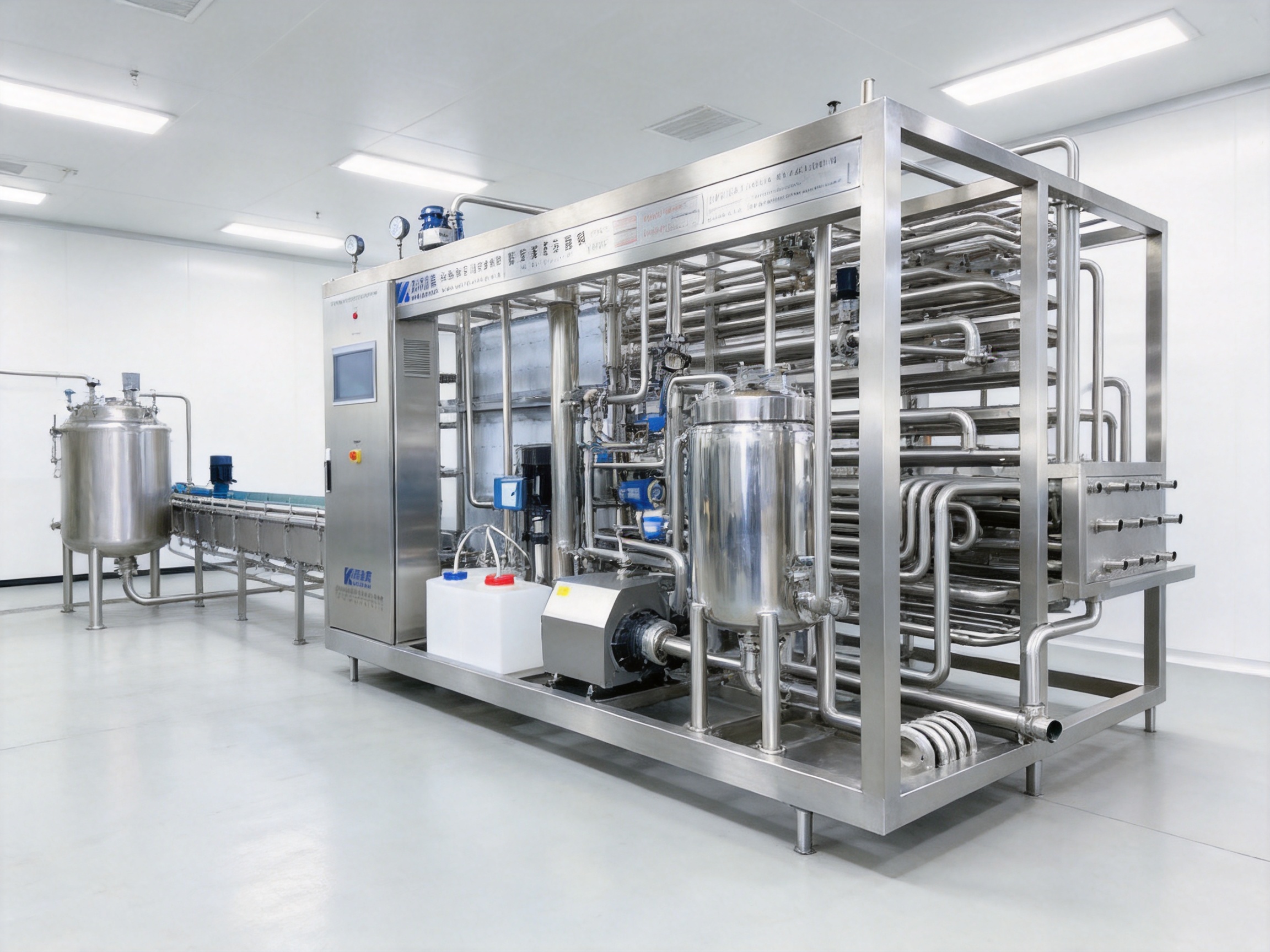
There is no single heat-exchanger configuration that is ideal for every food product. The most effective system is selected according to the physical and thermal properties of the product. Product viscosity, particle size, tendency to foul, shear sensitivity, flow rate, and desired treatment temperature must all be considered.
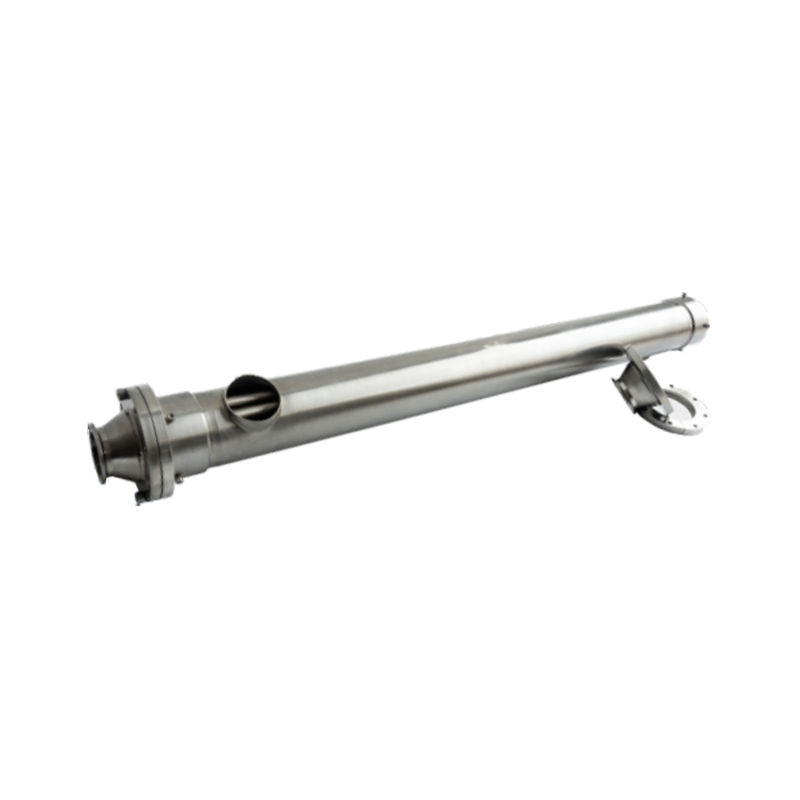
Sleeve-Type Sterilizer for High-Viscosity Products
Sleeve-type sterilizers or tubular arrangements are suitable for products that are thick, viscous, sticky, or more likely to retain within narrow passages. Examples may include ice cream mixtures, tomato sauce, concentrated fruit preparations, dressings, and certain liquid nutritional products.
The larger and more product-friendly flow path can reduce the likelihood of blockage and excessive pressure loss. It may also limit product retention in difficult areas and support more uniform treatment. The final design must be selected according to the specific product and required capacity, because high-viscosity materials can behave differently at different temperatures.
Shell-and-Tube Sterilizer for Low-Viscosity Products
Shell-and-tube heat exchangers are often well suited to low-viscosity products such as milk, juice, beer, tea beverages, and other fluid products. They can provide effective heat transfer, stable flow, and convenient separation between the product side and heating or cooling medium side.
When properly sized, the shell-and-tube arrangement supports high thermal efficiency while reducing energy consumption. It can also be configured into regenerative, heating, holding, and cooling sections within a compact process skid. The materials, tube geometry, surface finish, and connection method must be chosen according to hygienic, mechanical, and process requirements.
| Product characteristic | Preferred design consideration | Primary process objective |
|---|---|---|
| Low viscosity | Shell-and-tube or other high-efficiency heat exchanger | Fast heat transfer and low utility consumption |
| High viscosity | Sleeve-type or large-flow-path tubular arrangement | Reduced blockage and product retention |
| Heat sensitive | Short controlled holding time and rapid cooling | Protection of flavor, color, and nutrients |
| Fouling prone | Suitable surface design and optimized CIP sequence | Stable performance and reduced downtime |
| Particle-containing | Product-compatible piping, pump, and heat-transfer geometry | Reduced damage and reliable product movement |
Advanced Manufacturing and Engineering Strengths
The performance of a pasteurization system depends not only on its process design but also on how the equipment is manufactured. Precision fabrication, material traceability, weld quality, surface finishing, assembly accuracy, and testing all affect hygiene, reliability, and service life.
European Technical Expertise and Danish Design Concepts
The engineering approach combines European technical expertise with Danish design concepts. This combination emphasizes practical process engineering, clean equipment geometry, efficient thermal design, safe operation, maintainability, and attention to detail.
Design begins with an understanding of the customer’s product and operating environment. Engineers review flow rate, temperature profile, pressure requirements, utility availability, CIP conditions, production schedule, plant space, connection points, and future expansion plans. The objective is to produce a system that performs effectively in the real factory, rather than simply meeting a theoretical capacity on paper.
3,000-Square-Meter Manufacturing Facility
The manufacturing operation includes a 3,000-square-meter facility in Shanghai. The facility supports equipment fabrication, assembly, welding, polishing, inspection, and quality-control activities. Having these capabilities within a coordinated production environment helps improve communication between engineering and manufacturing teams.
It also supports better control of production schedules and enables technical issues to be addressed before delivery. Manufacturing processes can be organized according to the complexity of the skid, material requirements, customer documentation, and inspection plan.
Technical Specialist Team
More than 20 technical specialists support the design and production activities. A multidisciplinary team is valuable because a pasteurization skid combines thermal engineering, mechanical design, fluid handling, automation, hygienic construction, electrical control, and quality management.
Engineers and technicians can work together to resolve issues related to pressure drop, flow distribution, heat-transfer performance, valve arrangement, access for maintenance, CIP coverage, and control logic. This integrated approach helps produce equipment that is not only technically capable but also practical for operators and maintenance personnel.
High-Quality Core Materials
Core materials are sourced from Europe for applications where material quality, corrosion resistance, hygienic performance, and traceability are important. Product-contact materials must be suitable for the product chemistry, cleaning chemicals, operating temperatures, and pressure conditions.
Material selection may include appropriate stainless-steel grades, sanitary tubing, hygienic valves, certified gaskets, and components designed for food or biopharmaceutical service. Material documentation and traceability support quality control and help customers maintain their own compliance records.
Precision Processing, Welding, and Polishing
In-house processing, welding, and polishing provide closer control over the finished equipment. Sanitary welding requires consistent preparation, proper heat control, suitable shielding, and careful inspection. Poorly executed welds may create crevices, rough surfaces, corrosion points, or areas that are difficult to clean.
Polishing improves the condition of product-contact surfaces and helps reduce the accumulation of product residues. The required finish depends on the application and customer specification. Proper polishing, combined with hygienic geometry, supports effective cleaning and reduces the risk of microbial harboring.
In-house capability also improves responsiveness. Changes to pipe routing, skid layout, support structures, instrument locations, and access panels can be managed more efficiently when engineering and fabrication are closely connected.
Traceability and Quality Management
Traceability is essential for critical process equipment. It may cover raw materials, components, welding activities, inspection records, pressure tests, instrument calibration, assembly checks, and final acceptance testing.
A structured quality-management system helps ensure that equipment is manufactured according to approved drawings, specifications, and inspection plans. ISO9001 certification, environmental certifications, and safety certifications provide an additional framework for controlled operations and continual improvement.
Depending on project requirements, manufacturing documentation may include material certificates, weld records, pressure-test reports, surface-finish records, calibration certificates, electrical inspection records, and operating manuals. These records help customers commission, validate, maintain, and audit the system throughout its service life.
Compliance and Hygienic Standards
Food and beverage process equipment must be designed in accordance with applicable regulations and recognized industry practices. The system can be engineered with reference to ASME requirements, the Pasteurized Milk Ordinance, 3-A sanitary principles, and other relevant local or international standards.
The precise compliance requirements depend on the product, country, application, plant classification, and customer validation program. Standards should not be treated as a substitute for application-specific engineering. Instead, they provide a framework for material selection, pressure design, sanitary construction, instrumentation, cleaning, and documentation.
For dairy applications, the Pasteurized Milk Ordinance may be particularly relevant. For hygienic equipment construction, 3-A principles can guide the selection of product-contact materials, surface finishes, weld practices, and cleanability features. ASME requirements may apply to pressure-containing components or specific fabrication conditions.
Before purchasing a system, manufacturers should clarify the required standards, inspection levels, documentation package, validation strategy, and responsibilities between the equipment supplier and end user. Early agreement helps prevent project delays and ensures that the delivered equipment supports the customer’s quality system.
Automation Architecture
Automation is a defining feature of the system. A PLC-based control architecture can coordinate the complete production sequence, including product loading, heating, holding, cooling, diversion, shutdown, and cleaning.
Recipe Management
Different products may require different temperatures, holding times, flow rates, cleaning programs, and alarm limits. Recipe management allows approved operating parameters to be stored and selected by authorized users. This reduces the risk of manual entry errors and improves batch-to-batch consistency.
Real-Time Monitoring
The human-machine interface can display critical process values such as product temperature, heating-medium temperature, pressure, flow rate, valve status, pump status, and production state. Operators can quickly identify whether the system is heating, holding, cooling, diverting, or cleaning.
Alarm and Interlock Functions
Alarms notify operators when a process value moves outside its permitted range. Interlocks prevent unsafe or unsuitable actions, such as starting a pump without sufficient product level, opening an incorrect valve combination, or sending product forward before the required temperature is achieved.
Data Recording and Traceability
Recording process data supports quality assurance and production analysis. Temperature profiles, holding times, batch information, alarms, cleaning cycles, and operator actions may be stored according to the customer’s requirements.
Historical records can help manufacturers investigate deviations, confirm process performance, demonstrate compliance, and identify opportunities for improvement. Data also supports preventive maintenance by revealing repeated alarms, abnormal pressure changes, or extended heating times.
Comparison with Conventional Heating Methods
Traditional manual heating may be appropriate for small-scale or non-critical operations, but it often becomes inefficient and inconsistent as production volume increases. Operators must manually monitor temperature, adjust heating utilities, determine holding time, transfer product, and clean the equipment. Each manual action introduces variation.
An automatic pasteurization skid offers several advantages over conventional open or manually controlled heating:
| Evaluation area | Conventional manual heating | Automatic pasteurization system |
|---|---|---|
| Temperature control | Dependent on operator observation and adjustment | Continuous sensor-based control |
| Holding time | May vary with transfer and operator timing | Defined by flow rate and holding-tube design |
| Product exposure | Greater exposure during transfer and handling | Closed-loop hygienic processing |
| Energy use | Limited heat recovery and variable utility demand | Regeneration and optimized thermal exchange |
| Cleaning | More manual effort and longer downtime | Automated CIP sequences |
| Traceability | Paper records or limited data | Digital monitoring and process records |
| Production consistency | Highly dependent on operator technique | Repeatable automated recipes |
| Expansion potential | Often difficult to scale efficiently | Modular design and integration capability |
The main competitive advantage is not simply automation itself. It is the combination of automation, hygienic design, thermal efficiency, product adaptability, and manufacturing quality. A system that is automated but poorly designed for the product may still create fouling, quality variation, or maintenance problems. The engineering must therefore connect process requirements with equipment construction.
Applications Across the Food and Beverage Industry
Dairy Products
Milk, cream, yogurt bases, flavored dairy beverages, and other dairy products require dependable microbial control and gentle treatment. Dairy products can be sensitive to fouling, protein denaturation, and flavor changes. Accurate temperature control, efficient regeneration, and effective CIP are therefore important.
The system can be configured to support different dairy formulations and production capacities. Hygienic pumps, sanitary valves, smooth surfaces, and carefully selected heat-transfer equipment help maintain product integrity and cleaning performance.
Fruit and Vegetable Juices
Juices, purees, concentrates, and vegetable beverages may be sensitive to color loss, oxidation, flavor changes, and enzymatic activity. Pasteurization helps improve microbiological stability while controlled heating and rapid cooling help protect fresh product characteristics.
Juice products may vary significantly in viscosity and solids content. The system can be customized to handle clear beverages, pulpy products, purees, or concentrates with suitable flow paths and pumping arrangements.
Beer and Beverage Products
Beer, tea drinks, coffee beverages, plant-based drinks, functional beverages, and flavored waters may require precise thermal treatment to achieve shelf stability without damaging aroma or taste. The selected process depends on the product formulation, packaging method, distribution conditions, and desired shelf life.
Closed processing and reliable temperature control help reduce variation between production runs. Heat recovery can also lower utility consumption in high-volume beverage operations.
Sauces and Condiments
Ketchup, tomato sauce, dressings, marinades, and liquid seasonings may have high viscosity and a tendency to foul heat-transfer surfaces. Equipment selection must consider product flow behavior, suspended particles, shear sensitivity, and cleaning requirements.
Sleeve-type or large-flow-path arrangements may be appropriate for some high-viscosity products. The pump, piping, valve, and heat-exchanger design should be matched to the product to reduce blockage, retention, and quality variation.
Liquid Foods and Nutritional Products
Soups, broths, liquid meals, nutritional beverages, and specialty formulations may contain proteins, starches, oils, minerals, or suspended ingredients. These components can influence viscosity, heat transfer, fouling, and product stability.
A customized automatic pasteurization system can help manufacturers establish a controlled process while protecting the desired nutritional and sensory properties. Where the product is especially sensitive, the process may use rapid heating, limited holding time, efficient regeneration, and immediate cooling.
Sustainability and Operating Cost Reduction
Sustainable production is increasingly important to food manufacturers, retailers, regulators, and consumers. The system supports sustainability through reduced energy consumption, heat recovery, lower product losses, efficient cleaning, and stable continuous operation.
Heat recovery directly reduces the demand for steam, hot water, or electrical heating. Efficient cooling reduces refrigeration requirements. Automated control limits over-processing and reduces the amount of product that must be rejected because of inconsistent treatment.
Efficient CIP can reduce water and chemical consumption when the cleaning program is correctly designed and validated. Automated sequences also help prevent excessive cleaning time or unnecessary repetition. However, cleaning performance should always be verified through appropriate hygienic monitoring rather than reduced solely for the purpose of saving utilities.
Long-term operating cost is also affected by maintenance accessibility. Components that are easy to inspect, replace, and service can reduce downtime and extend equipment life. Modular construction makes it easier to upgrade capacity, add instruments, modify control functions, or replace individual process components without rebuilding the entire production line.
Selection Guide for Manufacturers
Selecting the correct automatic food pasteurization system requires more than specifying a nominal flow rate. Manufacturers should provide detailed product and process information so that the equipment can be designed accurately.
Product Information
- Product name and formulation
- Viscosity at processing and storage temperatures
- Density and solids content
- Particle size and concentration
- pH and acidity
- Heat sensitivity
- Fouling tendency
- Required shelf life
- Packaging method
Process Requirements
- Target production capacity
- Required pasteurization temperature
- Holding time
- Heating and cooling rates
- Product inlet and outlet temperatures
- Permitted pressure drop
- Expected production hours per day
- Number of products or recipes
- Required changeover frequency
Plant and Utility Conditions
- Available steam, hot water, chilled water, or electricity
- Available floor space
- Connection points and pipe elevations
- Drainage and waste systems
- Existing PLC or plant-control architecture
- Cleaning chemicals and CIP infrastructure
- Environmental conditions
- Future capacity expansion plans
When this information is reviewed early, the system can be designed more effectively. A tailored skid may offer better performance and lower total ownership cost than an apparently cheaper standardized unit that requires later modifications.
Installation, Commissioning, and Technical Support
A complete solution should include more than equipment fabrication. Installation planning, commissioning, operator training, documentation, and after-sales technical support are important parts of the project.
Before installation, the customer should confirm the skid footprint, lifting requirements, utility connections, drainage, access for maintenance, control-panel location, and hygienic zoning. During commissioning, engineers can verify instrument signals, valve operation, pump direction, heating and cooling performance, CIP sequence, alarms, interlocks, and communication with the plant control system.
Performance testing should confirm that the system reaches the required temperature, maintains the specified holding time, operates within the permitted pressure range, and achieves the expected heat-recovery performance. Product-specific validation may require additional testing by the end user or an authorized third party.
Operator training should cover normal operation, recipe selection, alarm response, product diversion, shutdown, emergency procedures, CIP operation, and basic troubleshooting. Maintenance personnel should receive information about inspection points, gasket replacement, instrument calibration, pump servicing, valve maintenance, and recommended spare parts.
Why Choose a Customized Engineering Solution?
Food manufacturers operate under different conditions. One plant may prioritize energy efficiency, another may require rapid product changeovers, and another may need a compact skid for limited floor space. Some facilities process one product continuously, while others produce many recipes with different viscosities and cleaning requirements.
A customized engineering solution allows the equipment to reflect these actual operating conditions. Customization can include heat-exchanger type, number of heating and cooling sections, holding-tube length, pump selection, valve matrix, instrumentation, control logic, skid layout, CIP program, insulation, surface finish, and documentation level.
Customization also provides a path for future development. If production capacity is expected to increase, the initial design can consider additional heat-transfer area, spare connection points, modular control functions, or expansion space. Planning for future requirements can prevent costly redesign later.
Professional Process Equipment Manufacturing
Shiloc (Shanghai) Industrial Trading Co., Ltd. provides integrated engineering and equipment solutions for the food, beverage, biopharmaceutical, daily chemical, and fine chemical industries. Its product range includes heat exchangers, aseptic mixing equipment, and integrated process skids designed for hygienic, efficient, and reliable fluid processing.
The company was established in March 2026 in Fengxian District, Shanghai. Its business activities include the import and export of goods and technology, import and export agency services, equipment manufacturing, and engineering and technical services. This combination allows the company to support customers with both equipment and international project coordination.
Built on European know-how and Danish design concepts, the company operates a 3,000-square-meter manufacturing facility and employs more than 20 technical specialists. Its capabilities cover engineering design, processing, sanitary welding, polishing, assembly, quality control, and technical service.
Core materials are sourced from Europe, while in-house fabrication helps maintain traceability and consistent production quality. The company’s quality-management approach is supported by ISO9001, environmental, and safety certifications. These resources help the company provide equipment that meets demanding expectations for hygiene, safety, performance, and reliability.
Its engineering team works with customers to understand product characteristics, production targets, plant conditions, applicable standards, and budget limitations. The resulting solution can be tailored to material viscosity, thermal sensitivity, cleaning requirements, automation level, and future expansion plans.
Beyond manufacturing, the company provides international trade, engineering, and technical services. A well-established supply network supports component sourcing and project delivery, while direct coordination between technical and commercial teams helps improve communication during customized projects.
Conclusion
An automatic food pasteurization system is a complete process solution for manufacturers that require safe, consistent, efficient, and hygienic production. It combines precise temperature management, controlled holding time, rapid cooling, heat recovery, automated cleaning, data recording, and product-compatible equipment design.
Its advantages over conventional heating methods include reduced human error, improved microbial control, more stable product quality, lower energy consumption, reduced manual handling, easier cleaning, and stronger traceability. The system can process a wide variety of liquid and semi-liquid products, including dairy products, juices, beverages, sauces, nutritional products, soups, and other food formulations.
The equipment can be adapted to the characteristics of each product. Shell-and-tube arrangements may provide efficient heat transfer for low-viscosity fluids, while sleeve-type or large-flow-path designs may better support high-viscosity materials. This material-adaptive approach helps reduce blockages, product retention, thermal variation, and unnecessary maintenance.
Manufacturing quality is equally important. European materials, Danish design concepts, a Shanghai production facility, technical specialists, sanitary welding, precision polishing, process traceability, and structured quality management all contribute to long-term equipment performance.
For manufacturers seeking to extend shelf life while protecting flavor, nutrients, color, and texture, a customized automatic food pasteurization system offers a practical and scalable investment. With suitable validation, hygienic design, advanced automation, and professional engineering support, the system can strengthen food safety, production efficiency, sustainability, and overall competitiveness.
Questions and Answers
What is the main purpose of an automatic food pasteurization system?
The main purpose is to heat a food or beverage product to a controlled temperature for a defined time and then cool it rapidly. This reduces harmful and spoilage microorganisms while helping preserve flavor, color, texture, and nutritional value.
Can pasteurization completely sterilize a food product?
Pasteurization and complete sterilization are different processes. Pasteurization significantly reduces microorganisms and improves storage stability, but it does not necessarily create commercial sterility. The required process depends on product formulation, packaging, storage conditions, regulations, and the manufacturer’s shelf-life objective.
How does the system extend product shelf life?
It extends shelf life by reducing microbial activity, slowing certain enzyme reactions, minimizing secondary contamination, and ensuring that every part of the product receives consistent thermal treatment. Packaging and storage conditions remain important factors after pasteurization.
Which products can be processed?
The system can be designed for milk, cream, yogurt base, fruit juice, puree, beer, tea beverages, coffee beverages, plant-based drinks, sauces, ketchup, dressings, soups, broths, liquid seasonings, nutritional products, and other liquid or semi-liquid foods.
What is the difference between shell-and-tube and sleeve-type equipment?
Shell-and-tube heat exchangers are often suitable for low-viscosity products because they provide efficient heat transfer and stable flow. Sleeve-type or large-flow-path arrangements may be more suitable for high-viscosity products because they can reduce blockage and product retention. The final selection depends on the product and process requirements.
Does automation reduce energy consumption?
Automation itself improves control and consistency, while the system’s heat-recovery design reduces energy consumption. The hot outgoing product can transfer heat to the cold incoming product, reducing heating and cooling utility requirements.
How does the CIP system improve hygiene?
The Clean-in-Place system automatically circulates cleaning liquids through the product-contact surfaces. A controlled sequence can remove product residues, reduce manual handling, shorten cleaning time, and support repeatable hygienic performance.
Can the equipment connect to an existing factory control system?
Yes. The system can be designed to exchange operating signals, process values, alarms, production status, and other information with existing PLC, SCADA, or manufacturing management systems, subject to the customer’s communication requirements.
What manufacturing features support hygienic performance?
Important features include suitable stainless-steel materials, smooth product-contact surfaces, sanitary welding, precision polishing, minimized dead zones, drainable piping, hygienic valves, appropriate gaskets, and validated CIP coverage.
What information is needed before equipment selection?
Manufacturers should provide product viscosity, solids content, pH, heat sensitivity, flow rate, target temperature, holding time, cooling requirements, packaging method, available utilities, cleaning requirements, plant space, applicable standards, and future capacity plans.
Can the system be customized for future expansion?
Yes. The skid can be designed with modular construction, additional connection points, expansion space, flexible control functions, and suitable heat-transfer capacity. Planning for future requirements during the initial design can reduce later modification costs.
What standards may apply to the system?
Depending on the application, requirements may refer to ASME, the Pasteurized Milk Ordinance, 3-A sanitary principles, ISO-based quality systems, and applicable local food-safety regulations. The exact compliance program should be confirmed before engineering begins.
References
1. Codex Alimentarius Commission, General Principles of Food Hygiene and HACCP System Guidelines.
2. United States Food and Drug Administration, Pasteurized Milk Ordinance.
3. 3-A Sanitary Standards, Principles and Accepted Practices for Hygienic Food Equipment Design.
4. American Society of Mechanical Engineers, standards for pressure equipment and hygienic process applications.
5. International Organization for Standardization, ISO 9001 Quality Management Systems.
6. International Organization for Standardization, ISO 22000 Food Safety Management Systems.
7. Food and Agriculture Organization, guidance on food processing, thermal treatment, and food safety management.
8. Industry technical literature on heat exchangers, regenerative heating, Clean-in-Place systems, and hygienic process engineering.
Product: Automatic Food Pasteurization System
PREV:Shiloc Invites You to CBB 2026, Booth W5-C31
NEXT:Side-Entry Tank Mechanical Agitator: Hygienic, Efficient, and Customizable Mixing for Process Industries
NEXT:Side-Entry Tank Mechanical Agitator: Hygienic, Efficient, and Customizable Mixing for Process Industries
Interested in cooperation or have questions?
Recommended LINS
✦
Food and Beverage Process System
Food Processing Skid System
Automatic UHT Sterilizer for Milk
Aseptic Processing Equipment for Liquid Foods
UHT Processing System for Dairy Products
UHT Processing Equipment for Plant Based Milk
High Temperature Short Time Sterilizer
Process Skid System
Automatic Milk Pasteurizer
CIP Skid System for Food Industry
Let'S Work Together Welcome Aboard!
-

haikexin@haikexin.com
+8613391278930
-
 +86-21-57560276
-
 No. 2819, Sihu Road,Fengxian District, Shanghai, China
Join Our Mailing List
Copyright © Shiloc (Shanghai) Industrial Trading Co., Ltd. All Rights Reserved.
Process Systems & Equipment For Food & Biopharma Manufacturers
